

Water Grey Colour
Water Grey
Colour code - 2928
Water is life. It exists everywhere. From the oceans to the air to trees to our very selves. And though it may seem common an something we take for granted, water is precious. Water Gray takes inspiration from the stilness of a calm lake, deep in slumber. It twinkles in sunlight and Adds character to a space at night.
Water Gray goes well with a minimalist setting and pairs beautifully with shades of yellow and beige.
Disclaimer: Actual wall paint colour applied may differ from the on-screen representation above. Please confirm your colour choices prior to purchase by viewing a physical colour shade card or a painted sample.
Still confused ? Explore all our shades from our colour catalogue
Paint your life's canvas with our painting experts
Fill the form below to book a free site evaluation by Nerolac Express Painting Service expert
Trending Colour Shades
Find the Perfect Colour Shades for you walls
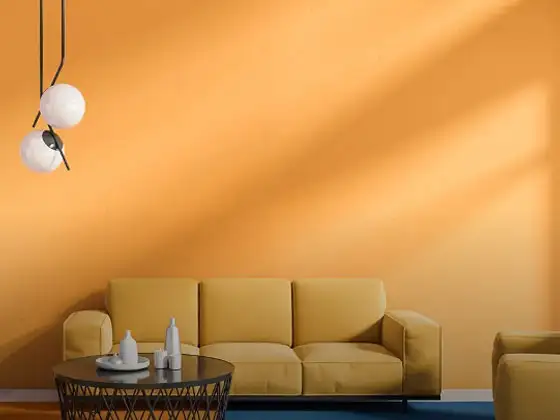
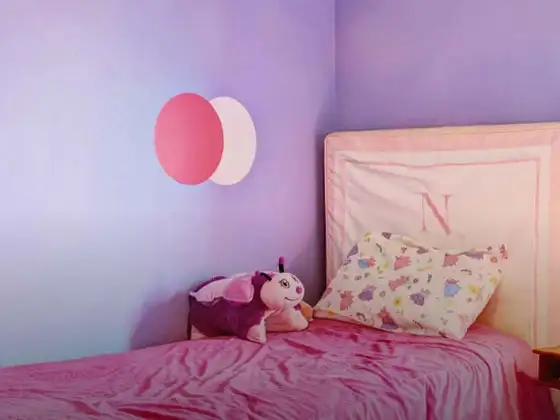
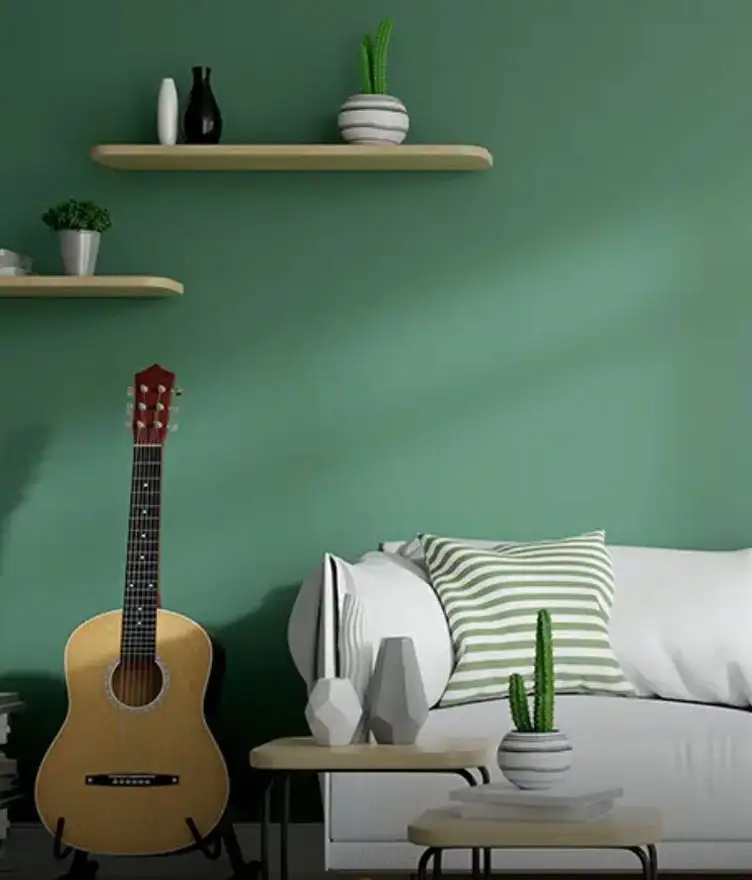
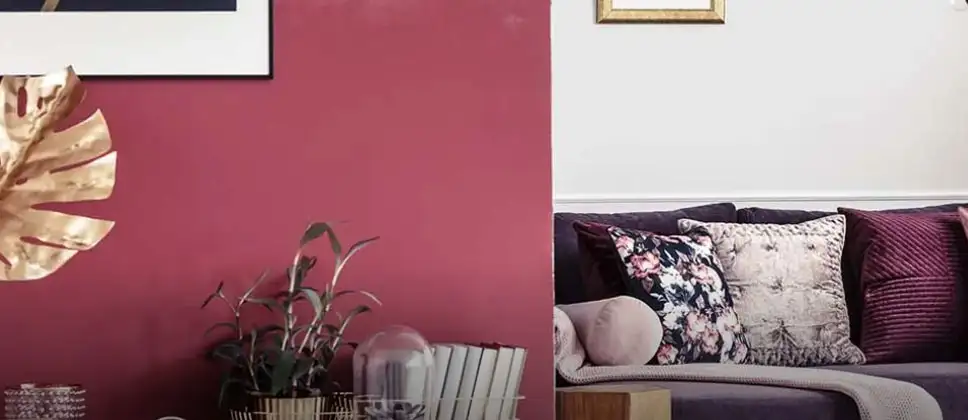
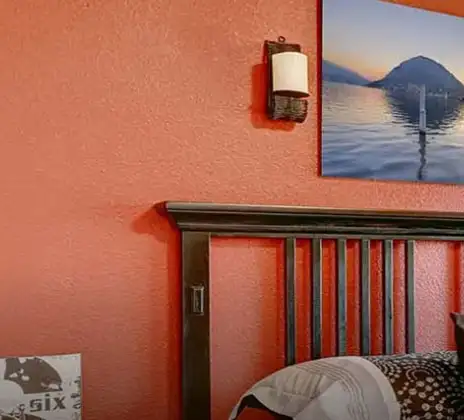


Find an Expert Painter Near You
Enjoy a holistic painting experience with Nerolac NxtGen Services
About Water Grey Colour
Water Grey Colour Designs, Shades & Combinations for Your Home
Water grey colour is a soft grey colour with a cool, slightly fluid character that makes it feel cleaner and lighter than many standard greys. Grey is generally treated as a neutral shade rather than a colour that appears strongly on the traditional colour wheel, which is one reason it works so easily with both warm and cool interiors. It is often associated with balance, calmness, clarity, and a more settled visual mood, especially in homes where you want the walls to support the room rather than dominate it. A shade like this can look crisp in daylight, softer in the evening, and more polished when the furniture and lighting are chosen with care. That is why it remains one of the easiest modern neutral colours to use across different room types.Key Characteristics of Water Grey Colour
- Cool, Understated Tone - Water grey carries a distinctly cool temperature, driven by the blue colour and green colour undertones that mirror the natural hue of water itself.
- High Adaptability Across Contexts - One of Water Grey's most loved features is its unique versatility. It pairs nicely with warm neutrals like ivory and taupe.
- Calming, Restorative Aesthetic - The hue carries an inherent sense of tranquillity. It is much like the psychological effect of water itself.
- Subtle Luminosity and Depth - Unlike flat, chalky greys, water grey has a gentle luminosity - it responds to natural light by shifting slightly warmer in golden hours and cooler under overcast skies.
Practical Uses of Water Grey Colour
1. Living Rooms That Need a Steady Base
Water grey is a strong option for living room walls because it allows sofas, artwork, rugs, and lighting to stand out without making the room look crowded. It creates a calm backdrop and keeps the space visually organised.2. Bedrooms That Need a Restful Finish
This shade works very well in bedrooms, especially when paired with white bedding, muted fabrics, or wood furniture. It keeps the room feeling cool, tidy, and easy to settle into at the end of the day.3. Kitchens That Need a Clean Look
Yes, water grey can work in kitchens as well. It suits walls near white colour cabinets, stone counters, and simple shelves, giving the space a modern finish that still feels practical.4. Study Rooms and Work Corners
Water grey shades of colour are useful in spaces where too much colour may feel distracting. They help keep the room focused and give shelves, desks, and storage units a more polished background.5. Corridors and Connecting Spaces
A corridor painted in a balanced grey often looks more refined than one painted in flat white. Water grey can help join different rooms together and make the transitions through the home feel smoother.Water Grey Paint Choices for Your Walls
Different water grey colour shades may seem almost identical on a shade card, but they often behave very differently on a full wall. Some feel lighter and more open, while others look more grounded and architectural. That is why the best choice usually comes from understanding the room first and the paint card second.Lighter and more open tones
- Timberlog: It is useful when you want the water grey colour to feel soft and airy. Timberlog colour suits smaller bedrooms, corridors, and living spaces where brightness matters.
Balanced tones
- Garden Bench: It gives a more settled mid-tone result. Garden Bench colour works especially well in family rooms, study room walls, and homes where the walls need to remain flexible with changing decor.
Deeper and more defined tones
- Squirrel's Flight: It is a stronger choice for feature walls and corners that need more visual definition. Squirrel's Flight colour can be effective behind a bed, a sofa, or a work desk when the surrounding surfaces stay lighter.
Water Grey Wall Colour Combinations for Your Home
A good water grey colour combination can make the room feel complete without adding too many different tones. Grey is naturally versatile, and interior design references commonly pair it with beige, navy, and pink colour because it acts as a neutral base while allowing those colours to stand out. In the same way, water grey can be styled for a softer or stronger room depending on the supporting shade used beside it. The water grey colour contrast should be handled with care. Since the base colour is calm, even one deeper companion tone can be enough to create a finished and balanced interior walls.|
Room/space |
Recommended colour combination |
|
Living room |
Water Grey + Magnum Grey - 4541 |
|
Master bedroom |
Water Grey + Grey Flannel - 2964 |
|
Study room |
Water Grey + Bluish Grey - 4550 |
| Dining area |
Water Grey + Deep Forest Grey - 4548 |
| Entryway |
Water Grey + Grey Flannel - 2964 |
| Kitchen feature wall |
Water Grey + Bluish Grey - 4550 |
1. Water Grey + Magnum Grey Colour Combination
This pairing works well in living rooms where you want the walls to look modern but not over-the-top. Magnum Grey colour gives the scheme more depth, while water grey keeps the room open and balanced.2. Water Grey + Grey Flannel Colour Combination
Grey Flannel colour is a strong choice for bedrooms and entryways because it feels softer and more lived-in. It creates a calm look that works well with light bed linen, neutral wardrobes, and natural textures.3. Water Grey + Bluish Grey Colour Combination
Bluish Grey colour gives the room a cooler and cleaner mood. It is especially suitable for studies, kitchens, and compact work areas where sharper definition can make the space feel more organised.4. Water Grey + Deep Forest Grey Colour Combination
This two colour combination is stronger and more dramatic, so it works best in dining room colour, feature walls, or large rooms with decent light. Deep Forest Grey colour brings weight, while Water Grey prevents the room from feeling too heavy.Best Water Grey Shades for Accent Walls
Accent walls are one of the easiest ways to use this colour well. They allow you to create definition without reducing the lightness of the whole room. When comparing shades in water grey colour for an accent wall, look for the wall that already has the best natural focus. This is usually behind the bed, sofa, TV unit, dining table, or study desk. A better wall choice often matters as much as the shade itself.|
Colour |
Location |
|
Magnum Grey |
Behind the sofa |
|
Grey Flannel |
Behind the bed |
| Bluish Grey |
Study backdrop |
| Deep Forest Grey |
Dining wall |
Simple Tips for Using Water Grey at Home
Water grey may look simple, but the final result depends on a few practical choices. The shade becomes more successful when you plan the undertone, lighting, and large fixed surfaces before painting begins. If you are trying to decide where to begin, start with the room’s flooring and lighting. Grey can shift warmer or cooler depending on what sits around it, so this one step makes later decisions easier. Useful tips:- Use water grey on walls with panel detailing or simple moulding if you want the room to look more structured without adding another colour.
- Choose brushed steel, black, or muted chrome hardware if you want the room to feel cleaner and more modern.
- If the room already has warm wood flooring, choose a softer water grey so the contrast does not become too sharp.
- Keep large soft furnishings plain rather than heavily patterned if the goal is a more settled interior.
- In open homes, use one main grey throughout connected spaces and let rugs, art, and furniture create the difference between zones.
How Nerolac Can Help You Paint Your Walls Water Grey?
Water grey can look very refined, but the final finish depends a lot on preparation. If the wall surface is uneven, if the primer is not right, or if the paint is applied too quickly, the colour can look patchy or dull. Nerolac’s professional home painting service helps reduce these problems by planning the job properly from the start. The team assesses the wall condition, the amount of natural light in the room, and how the space will be used before recommending a suitable water grey option. Another important part of the process is creating a uniform base. Proper levelling and priming help prevent streaks, roller marks, and visible variation in the colour. Once the wall is prepared, the paint is applied in a controlled way, so the finish looks even across the whole surface. That matters more than many people expect, especially with a shade like Water Grey, which can change with light and texture. With proper preparation, careful application, and finish checks at the end, the walls are more likely to look smooth, consistent, and long-lasting.Plan, Design and Paint Your Walls with Nerolac Tools
Ready to plan your bottle green colour combinations makeover? Use the tools below to explore shades, visualise rooms and estimate paint and budget.Colour Visualiser
Use the Nerolac Colour Visualiser to try out different shades and textures from our colour and texture colour palette on the walls of our ‘room presets.’ You can also see how each colour will look under various lighting conditions, such as natural sunlight, cool white light, and warm yellow colour light, before finalising a shade.Colour Catalogue
Use the Nerolac Colour Catalogue to browse over 1,500 Nerolac wall paint shades. Search by colour name or code, or filter by colour family to quickly discover options that match your décor. Shortlist your favourite shades and pair them with the other Nerolac tools to finalise the perfect colour scheme for your home.Paint Calculator
Use the Nerolac Paint Calculator to estimate the area to be painted and the required paint volume for your décor project. Enter wall dimensions, room count, and preferred product to get an approximate paint quantity and cost, helping you plan your project with greater confidence.Frequently Asked Questions For Water Grey
What colours combine to make water grey?
Grey is commonly made by mixing complementary colours such as blue and orange or red and green, and it can also be created by mixing the three primary colours together. The final result becomes cooler or warmer depending on which colour is slightly stronger in the mix.
What colour ceiling goes well with water grey walls?
A white or soft off-white ceiling paint usually works best. It keeps the room feeling open and gives the walls a clean edge.
Will Water Grey make my room dark?
It can, but only if you choose a deeper water grey colour palette and use it in a room with very little light. Lighter and mid-tone greys generally feel balanced rather than dark.
Can I use Water Grey colour in a kitchen?
Yes, different types of water grey colour shades work very well in kitchens, especially when the counters, cabinets, or backsplash are simple. It helps the space look clean and modern without becoming too stark.
Can Water Grey be used with limited natural light?
Yes, but it is better to choose a lighter or softer version in those rooms. Good artificial lighting and a bright ceiling will help the room stay open.
How does Water Grey interact with dark colours?
Grey and darker tones often work very well together, especially when the dark colour is used in a controlled way. Grey is frequently paired with deeper tones like navy because it supports contrast while still keeping the room calm.
Can I check how the shades will look on the walls?
Before going ahead with a fresh coat of paint, it is necessary to see how the shades look on the walls. To make things easier, first, go to our Colour Catalogue and browse through the colours you like the most. Pick your choice of shade, click on the home icon to visualize how it will look on the walls.
From where can I buy the paint after selecting the shade?
After you have selected the shade, you can pick a store near you with the help of Store Locator and purchase interior, exterior shades, enamel paint and many more products of your choice.
What’s next after selecting paint colours for my home?
NXTGEN painting service – our brand-new service gives you an exemplary painting service by our highly experienced and reliable painters. All you need to do - drop your details, and an expert will get in touch with you. Et Voila! Your space is redefined within 5 days.
I am not sure of my selection of shade, can I watch a preview of it from my home?
Different light settings accentuate and enhance the colour on the walls. To visualize the shade before finalizing, download our Colour My Space app on Apple or Google Play Store. Here you can watch presets for different rooms, select the right texture and then simply call a painter near your location. Also, our very own Product Comparison Tool renders you with a visual, answering every speck of your concerns.
What is the hex code of Water Grey colour? Which colour family does Water Grey belongs to?
Water Grey is one of the shades of grey colour and its hex code is #a2a190.
Create magic with our inspiring Two Colour Combinations!
-
Red And Brown Colour Combination
-
Orange And Lilac Colour Combination
-
Orange And Yellow Colour Combination
-
Orange And Green Colour Combination
-
Orange And Blue Colour Combination
-
Orange And Violet Colour Combination
-
Orange And Beige Colour Combination
-
Orange And Neutral Colour Combination
-
Orange And White Colour Combination
-
Orange And Pink Colour Combination
-
Orange And Purple Colour Combination
-
Orange and Red Colour Combination
-
Orange And Peach Colour Combination
-
Orange And Cream Colour Combination
-
Orange And Grey Colour Combination
-
Orange And Gold Colour Combination
-
Orange And Brown Colour Combination
-
Yellow And Red Colour Combinations
-
Yellow And Orange Colour Combination
-
Yellow And Green Colour Combination
Latest Happenings in the Paint World
Get some inspiration from these trending articles



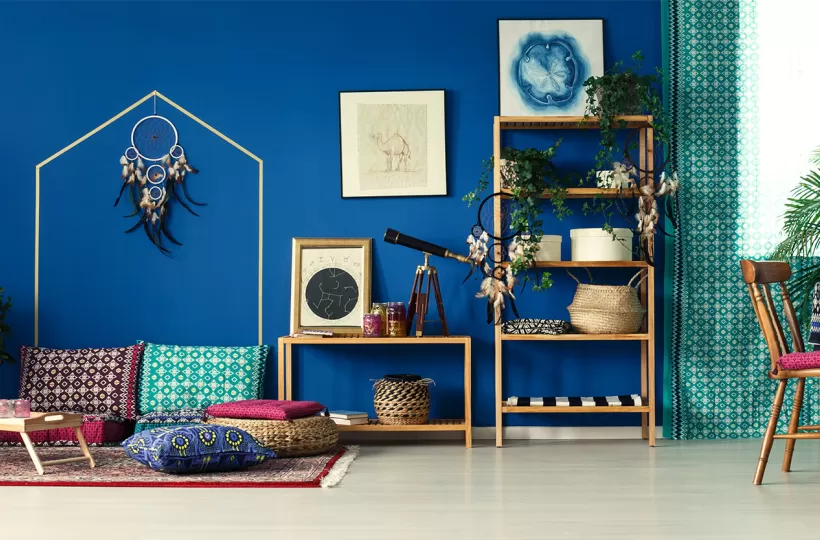
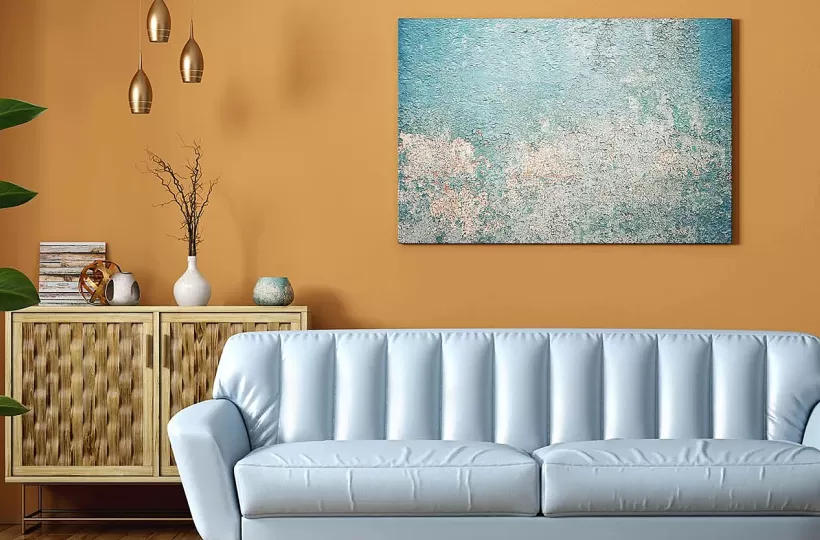
Get in Touch
Looking for something else? Drop your query and we will contact you.
Popular Searches
What’s Trending in Bedrooms
Explore Trending Living Room Ideas
- Living Room Colour Combination
- Modern Two Colour Combination for Living Room
- Wall Texture for Living Room
- Vastu Colours for Living Room
- Wall Texture Design for Living Room
- Living Room Paint Ideas
- Living Room Design Ideas
- Paint Colour Ideas for Living Room
- Living Room TV Wall Designs
- Green Living Room Walls
Kitchen Ideas People Love
Explore Trending Ceiling Ideas
Study Room Ideas in Demand
Explore Wall Paint Categories
Handpicked Colour Inspirations
- Accent Wall Design
- Bedroom Design Ideas
- Exterior Wall Colour Design Ideas
- Interior Wall Colour Design Ideas
- Kitchen Design Ideas
- Living Room Interior Design
- Geometric Wall Design Ideas
- Home Colour Combination Ideas
- Home Décor Ideas
- Mural Wall Paint Design Ideas
- Office Space Design Ideas
- Puja Room Design Ideas
- Texture Design Ideas
- Festival Painting Ideas
- Paint Colour Chart
- Wall Painting Designs
- Wood Wall Décor Ideas
- Mural Wall Paint Design
- Hall Design Ideas
- Gate Colour Design
- Exterior Wall Colour Design
- Door Colour Design Ideas
-
 Get in Touch
 -
Store Locator
-
 Download App
×
Get in Touch
Looking for something else? Drop your query and we will contact you.

