Silver looks simple until you try to mix it. It can appear cool, warm, glossy, muted, metallic, or pearl-like, depending on base colours, finish, and lighting. In Indian homes, silver works well in modern living room walls, bedrooms, pooja corners, furniture accents, grills, ceilings, feature walls and festive décor. If you are wondering how to make silver colour, start with grey and refine it with white, black, blue, metallic pigment and the right finish.
This guide explains the mixing method, undertones, materials, common mistakes and suitable home uses.
What Is Silver Colour in Paint?
Silver is not just a lighter shade of grey. In paint, silver usually means a cool grey colour tone with a reflective or metallic effect. Standard grey paint looks flat because it reflects light evenly. Silver paint needs either metallic pigment or a sheen that bounces light.
A convincing silver shade has three parts:
● A grey base made by mixing black and white.
● A cool undertone, usually created with a tiny amount of blue colour.
● A reflective finish created with metallic powder, pearl pigment, satin paint or gloss medium.
This is why many people can mix grey easily but struggle to make it look silver. The shine matters as much as the shade.
Basic Colour Theory Behind Silver
Before learning how to make silver colour, understand the colour balance. Silver sits between white, grey and cool metallic tones. It is usually lighter than charcoal, cooler than beige-grey and brighter than cement grey.
Also Read: Metallic Paint Ideas for Your Interiors
Main Colours Used to Make Silver
|
Ingredient
|
Role in the Mix
|
|
White paint
|
Lightens the colour and gives silver its brightness.
|
|
Black paint
|
Creates the grey base and controls depth.
|
|
Blue paint
|
Adds a cool undertone, making the colour look more silver-like.
|
|
Metallic pigment
|
Adds the reflective effect that flat paint cannot create.
|
|
Clear or gloss medium
|
Improves shine and smoothness.
|
The trick is to use black and blue carefully. Too much black will make the colour dull, while too much blue can turn the mixture into steel blue instead of silver.
Materials You Need to Make Silver Paint
You do not need complicated materials, but the finish quality depends on what you use. Keep these items ready:
● White water-based or enamel paint, depending on the surface.
● Black paint of the same type as the white colour paint.
● A small quantity of blue paint.
● Silver metallic pigment, aluminium pigment or pearl powder.
● Clean container and stirring stick.
● Measuring spoon or dropper.
● Test board, cardboard or spare tile.
● Brush, roller or spray equipment.
● Clear coat, if needed.
Use paints from the same category. Do not mix water-based wall paint with oil-based enamel, as the two may separate, resulting in a patchy finish.
How to Make Silver Colour Step by Step
The easiest method begins with a grey base and then adds a metallic effect. Follow it when trying how to make silver colour for a wall, craft project, furniture piece or sample patch.
Step 1: Start With White Paint
Take white paint as your base. White gives better control because silver is generally a light to medium colour. If you begin with black, it becomes difficult to brighten the mixture.
For a small sample, use four tablespoons of white paint. For a larger quantity, keep the same proportion and scale it up.
Step 2: Add Black Paint Slowly
Add black paint one drop at a time. Mix thoroughly after every addition. The aim is soft grey, not a dark shade.
A safe starting proportion is:
|
Paint
|
Quantity
|
|
White paint
|
10 parts
|
|
Black paint
|
1 part or less
|
If the colour looks dark, add more white. If it looks flat or chalky, refine it with undertones and metallic pigment.
Step 3: Add a Tiny Touch of Blue
Silver often has a cool tone. Add a very small amount of blue to the grey mixture. One drop is enough for a small batch. Mix well and check it in daylight.
Blue should not be visible as a separate colour. It should only make the grey look cleaner and cooler. If it becomes too blue, balance it with white and a trace of black.
Also Read: 12 Stylish Window Colour Paint Ideas
Step 4: Add Metallic Pigment or Pearl Powder
This step turns grey into silver. Add metallic pigment gradually and stir until the mixture looks even. Metallic pigment reflects light, creating a silver-like shine.
Start with half a teaspoon for a small sample. Add more only if the paint looks flat. Too much pigment can make paint grainy or uneven.
Step 5: Adjust the Finish
For soft silver, use a satin finish. For shiny, decorative silver, use a gloss medium or a clear gloss coat. For premium wall effects, apply metallic glaze over a grey base.
The finish you choose should suit the surface. Matte silver works better for subtle walls, while gloss silver is better suited for trims, furniture, metalwork, and decorative panels.
Step 6: Test Before Final Application
Test the shade on a small board or hidden wall patch. Let it dry completely, as wet paint often appears darker or shinier. Check it in morning light, evening light and under tube light or warm LED light.
This matters in Indian homes, where colours can shift due to balcony light, marble flooring, wooden furniture, curtains and warm ceiling lights.
For best results, treat the first mix as a sample rather than the final shade. Silver can look different on a wall, wooden board, metal grill or decorative moulding because every surface reflects light differently. A smooth surface usually gives a cleaner sheen, while rough plaster can make the same colour look muted. This is why testing is not optional when you want a neat finish in real home lighting conditions.
How to Make Different Shades of Silver
Once you know how to make silver colour, you can create different variations.
Light Silver
Use more white and less black. Add very little metallic pigment. Light silver works well for ceiling paint, compact rooms and clean interiors.
Dark Silver
Add slightly more black to the grey base. Use metallic pigment carefully so the shade does not become muddy. Dark silver suits accent walls, metal gates and industrial-style interiors.
Warm Silver
Add a tiny touch of beige, brown or yellow ochre. This creates softer silver for cream walls, wooden furniture and traditional Indian décor.
Cool Silver
Add a small hint of blue. Cool silver pairs well with white, navy, glass, chrome, black and contemporary interior walls.
Antique Silver
Use grey, a small amount of black, a little brown colour and metallic pigment. Antique silver looks aged and elegant, suiting frames, carved furniture, mirror borders and festive décor items.
Paint Finish Options for Silver Colour
The same silver shade can look different depending on the finish. This is why the same formula can give different results.
|
Finish
|
Appearance
|
Best Use
|
|
Matte
|
Soft and muted
|
Feature walls, ceilings, and subtle interiors
|
|
Satin
|
Smooth with mild shine
|
Bedrooms, living rooms, furniture
|
|
Semi-gloss
|
Noticeably reflective
|
Doors, trims, panels
|
|
Gloss
|
Bright and shiny
|
Metal surfaces, décor items, furniture accents
|
|
Metallic
|
Reflective and premium
|
Accent walls, stencils, statement areas
|
For large walls, satin or metallic finishes usually look more balanced than full gloss. Gloss can highlight wall imperfections, especially on uneven plaster.
Also Read: Grey Colour Paint - Shades, Contrast, Colour Combination
Where Can You Use Silver Colour at Home?
Silver is flexible, but it works best with planning. Too much can look cold, while the right amount can feel polished and spacious.
Living Rooms
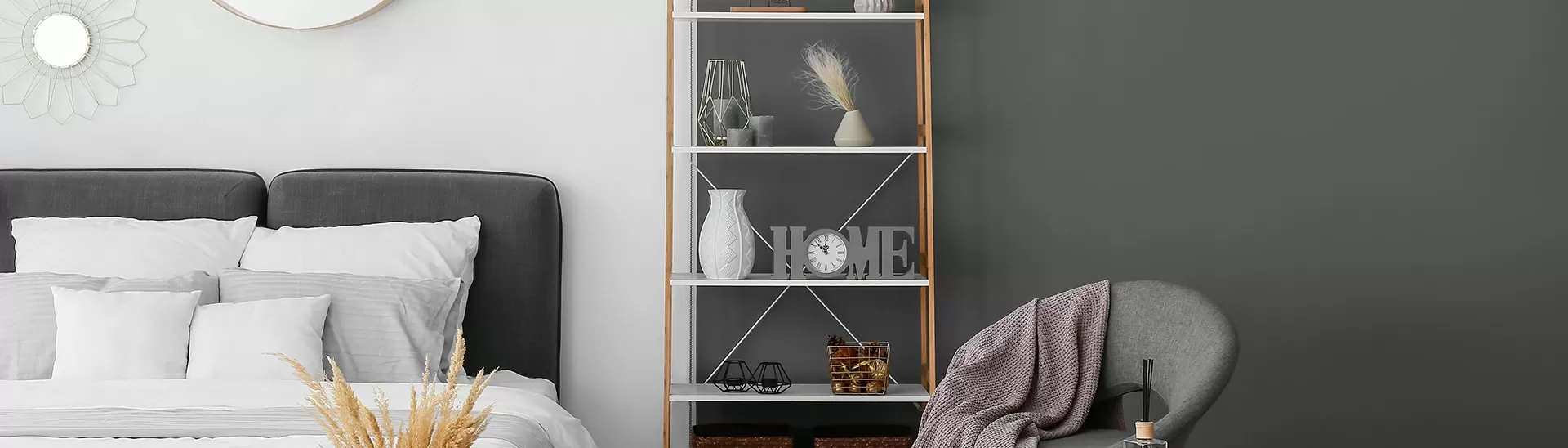
Use silver on one feature wall, textured panels, wall mouldings, ceiling borders or TV unit back panels. Pair it with white, charcoal, navy, teal, soft blush, or beige colour.
Bedrooms
Use light silver for a calm feel. It works behind the bed, on wardrobe shutters, or as a subtle stencil design. Avoid very shiny silver if you prefer a restful room.
Kitchens
Use silver for cabinet handles, metal shelves, appliance-friendly colour palettes or small decorative details. Near heat, smoke or water, choose paint suitable for that surface.
Furniture and Décor
Silver looks attractive on side tables, mirror frames, lamps, planters, festive decorations and wall art. For furniture, apply primer first and finish with a clear coat.
Exterior and Metal Surfaces
For gates, railings and grills, use paint designed for metal. Clean rust, apply metal primer and then silver enamel or metallic paint.
Colours That Pair Well With Silver
Silver is neutral, so it works with many colour families. The best pairing depends on whether you want a modern, warm or luxurious effect.
|
Pairing Colour
|
Result
|
|
White
|
Clean, airy and modern
|
|
Black
|
Bold and dramatic
|
|
Navy blue
|
Premium and elegant
|
|
Teal
|
Fresh and stylish
|
|
Beige
|
Warm and balanced
|
|
Charcoal
|
Contemporary and refined
|
|
Blush pink
|
Soft and graceful
|
|
Emerald green
|
Rich and festive
|
|
Walnut brown
|
Warm and grounded
|
For Indian homes, silver with beige, ivory, walnut, teal or deep blue often looks more livable than stark white alone.
Common Mistakes to Avoid While Making Silver Colour
Even a simple mix can go wrong if proportions are not controlled. Avoid these mistakes:
● Adding too much black at once, which makes the colour dull.
● Skipping the test patch before painting the final surface.
● Using flat grey paint and expecting a metallic result.
● Mixing water-based and oil-based paints together.
● Applying gloss silver on uneven walls.
● Adding too much metallic powder, which can create streaks.
● Ignoring lighting, because silver changes with light direction.
● Using no primer on wood, metal or previously painted surfaces.
Mix slowly, test regularly and note the proportions.
Also Read: 10 Best Main Iron Gate Colour Combination & Designs
Expert Tips for a Better Silver Finish
For a smoother, more professional-looking result, follow these tips:
● Strain the paint after adding metallic pigment to remove lumps.
● Use long, even strokes when applying metallic paint.
● Keep the roller pressure consistent to avoid patchy shine.
● Apply two thin coats instead of one thick coat.
● Stir the paint during application because metallic pigment may settle.
● Use primer on porous or dark surfaces.
● Seal furniture and metal pieces with a clear coat where needed.
● Choose warm lighting if you want silver to look softer.
For walls, create the sample first and then prepare the full batch. This maintains shade consistency.
Can You Make Silver Without Metallic Pigment?
You can make a silver-like grey without metallic pigment, but it will not look truly metallic. Mix white and black, add a touch of blue and choose satin or semi-gloss paint. This creates a cool silver appearance from a distance.
For actual shine, metallic pigment or ready metallic paint is needed. Flat wall paint can imitate the shade, but not the reflective quality.
How to Maintain Silver-Painted Surfaces
Silver surfaces show dust, fingerprints and roller marks more easily than flat neutral colours. Care depends on paint type and surface.
For interior walls, dust with a soft dry cloth. For washable paints, use a damp cloth and mild soap when required. Avoid harsh scrubbers because they can damage the sheen.
For furniture and décor, wipe gently and avoid sharp items. For exterior metal surfaces, inspect periodically for rust, peeling or scratches and touch up small areas early.
Conclusion
Learning how to make silver colour is about understanding the difference between grey and silver. Grey gives the base, blue adds coolness, and metallic pigment creates reflection. Start with white, add black slowly, adjust with a tiny hint of blue, and bring in shine with metallic pigment, pearl powder, or a suitable finish. Always test the colour before applying it, because lighting and surface texture can change the final appearance. With the right proportion and finish, silver can add elegance, brightness and a refined modern touch to Indian homes.




 Get in Touch
 Download App

