

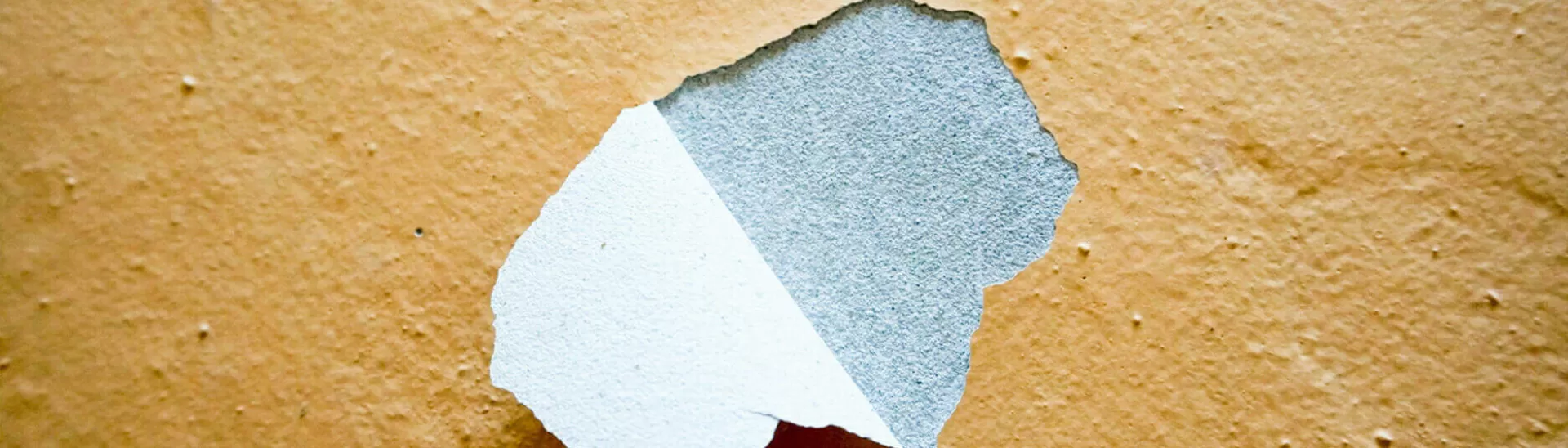
Exterior Wall Paint Problems - 4 Causes of Paint Failures
Published: 18 Sep 2018 | Modified: 31 Jul 2026
Quick Summary
Causes of paint failure on exterior walls include prolonged weather exposure, moisture infiltration, poor surface preparation, and improper paint application. Understanding these causes of paint failures helps homeowners prevent common problems such as chalking, fading, blistering, peeling, cracking, flaking, and reduced paint durability while extending the life of exterior wall coatings.

Create Your Dream Home With Our Painting Experts
Fill the form below to book a free site evaluation by Nerolac Nxtgen painting Services expert
TABLE OF CONTENTS
Key Takeaways
- Causes of paint failure include harsh weather conditions, moisture, inadequate surface preparation, and incorrect paint application techniques.
- Causes of paint failures in exterior walls often result in chalking, fading, blistering, peeling, cracking, scaling, and flaking.
- Proper surface cleaning, priming, and preparation significantly improve paint adhesion and durability.
- Applying exterior paint only on dry, properly prepared surfaces helps minimise moisture-related paint failures.
- Using premium weather-resistant exterior paints increases protection against UV exposure, rainfall, and temperature fluctuations.
- Regular inspection and maintenance help identify early paint problems before extensive damage develops.
Nerolac Paints, a leading paint company in India offers a wide range of wall paint colours & painting services & solutions for homes & offices.
-
Best Colour Combination For Walls To Elevate Your Home Interiors Best Colour Combination For Walls To Elevate Your Home Interiors
Intoduction:In 2025, harmonious colour schemes for individuality and…
-
Best Green Colour Combinations for Walls – Schemes & Design Ideas Best Green Colour Combinations for Walls – Schemes & Design Ideas
Introduction:Green has long been a favourite choice in home decor…
-

What Colours Match with Blue? 14 Colour Combinations with Blue for Your Home What Colours Match with Blue? 14 Colour Combinations with Blue for Your Home
Blue is a universally popular colour for décor and design; choosing a colour…
-
Recent Blogs
- Wooden House Design: 8 Kashmiri-Inspired Ideas for Warm and Elegant Homes
- Kashmiri Home Interior Design: 5 Ideas to Bring Kashmir's Beauty Into Your Home
- 7 Beautiful Kashmiri Home Design Ideas Inspired by Noor-e-Kashmir
- Cloud Dancer Colour of the Year – Meaning, Combinations, Interior Ideas and Trends
- How To Make Yellow Colour: Tips for Perfect Wall Paint Shades & Home Décor Ideas
-
Get in Touch
Looking for something else? Drop your query and we will contact you.
FAQs
What are the common causes of paint failure?
The most common causes of paint failure include prolonged weather exposure, excessive moisture, poor surface preparation, incorrect paint application, inadequate priming, and using unsuitable paint for exterior conditions.
What are the causes of paint failures in exterior walls?
Causes of paint failures in exterior walls include UV exposure, heavy rainfall, damp surfaces, water seepage, poor adhesion, insufficient surface preparation, and applying paint under unsuitable weather conditions.
Why does exterior wall paint peel or blister?
Exterior wall paint may peel or blister when moisture becomes trapped beneath the paint film, when paint is applied to damp surfaces, or when rain occurs before the paint has fully cured.
How can I prevent exterior paint failure?
Proper cleaning, repairing cracks, priming the surface, allowing walls to dry completely, using high-quality exterior paints, and following the recommended application process help reduce the risk of paint failure.
What is chalking in exterior wall paint?
Chalking is the formation of a powdery white residue on painted surfaces caused by prolonged weathering and deterioration of the paint binder after continuous exposure to sunlight and outdoor conditions.
How often should exterior walls be inspected for paint damage?
Exterior walls should be inspected at least once a year, particularly before or after the monsoon season, to identify early signs of fading, peeling, blistering, cracks, or moisture-related damage.


Get in Touch
Looking for something else? Drop your query and we will contact you.
Latest Happenings in the Paint World
Get some inspiration from these trending articles

Popular Post
Popular Searches
What’s Trending in Bedrooms
Explore Trending Living Room Ideas
- Living Room Colour Combination
- Modern Two Colour Combination for Living Room
- Wall Texture for Living Room
- Vastu Colours for Living Room
- Wall Texture Design for Living Room
- Living Room Paint Ideas
- Living Room Design Ideas
- Paint Colour Ideas for Living Room
- Living Room TV Wall Designs
- Green Living Room Walls
Kitchen Ideas People Love
Explore Trending Ceiling Ideas
Study Room Ideas in Demand
Explore Wall Paint Categories
Handpicked Colour Inspirations
- Accent Wall Design
- Bedroom Design Ideas
- Exterior Wall Colour Design Ideas
- Interior Wall Colour Design Ideas
- Kitchen Design Ideas
- Living Room Interior Design
- Geometric Wall Design Ideas
- Home Colour Combination Ideas
- Home Décor Ideas
- Mural Wall Paint Design Ideas
- Office Space Design Ideas
- Puja Room Design Ideas
- Texture Design Ideas
- Festival Painting Ideas
- Paint Colour Chart
- Wall Painting Designs
- Wood Wall Décor Ideas
- Mural Wall Paint Design
- Hall Design Ideas
- Gate Colour Design
- Exterior Wall Colour Design
- Door Colour Design Ideas
-
 Get in Touch
 -
Store Locator
-
 Download App
×
Get in Touch
Looking for something else? Drop your query and we will contact you.

