

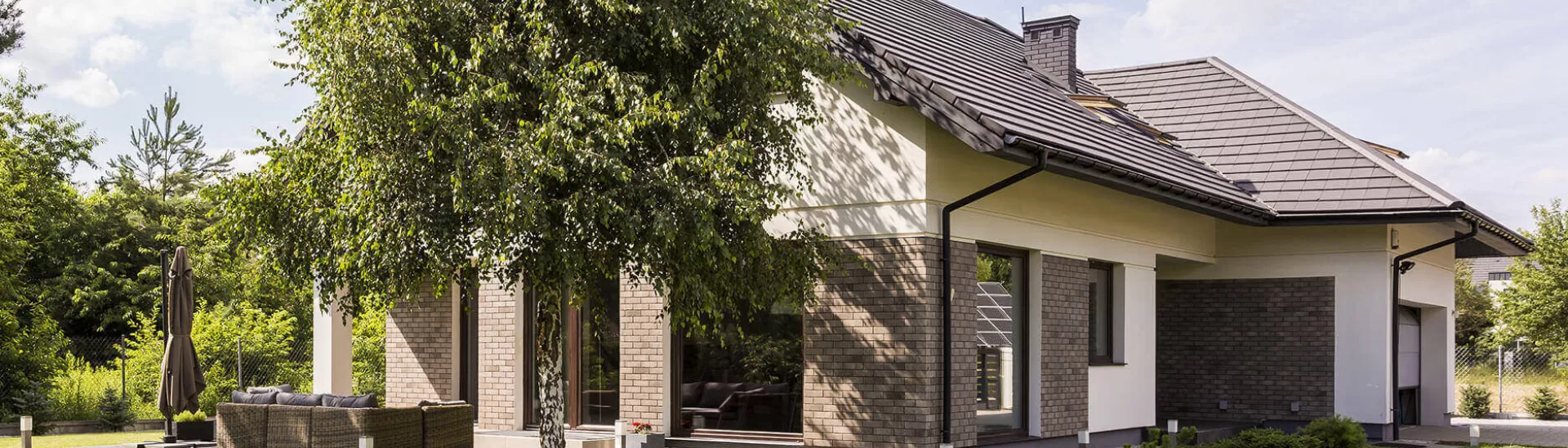
6 Expert Tips to Choose the Best Exterior Paint Colour Combination for Your Home
Published: 28 May 2018 | Modified: 28 Oct 2026
Quick Summary
To choose exterior paint colours for your house, start with fixed elements like the roof, stone and tiles, match the architectural style, and decide whether the home should stand out or blend in with its surroundings. Build a three-colour palette with a base, accent and trim, pick weather-resistant exterior paint for rain, dust and sun, and test samples on the actual wall at different times of day.

Create Your Dream Home With Our Painting Experts
Fill the form below to book a free site evaluation by Nerolac Nxtgen painting Services expert
TABLE OF CONTENTS
Most visitors make a first impression of a homeowner, before setting foot in a home. As outer walls, just like interior walls, are a reflection of your taste and personality. Thus, if you want your much-adored home to be the talk of the neighbourhood, for all the right reasons, selecting an exterior paint scheme that works is vital. There are no set rules and regulations that dictate the selection of exterior paint colours. However, having an exterior wall paint colour that is not blending well with the neighbourhood can raise many eyebrows, and not the flattering kind. Try our few simple tips to choose exterior home paint colour schemes, to transform your exterior walls and dazzle onlookers with ease.
-
Explore Fixed Exterior Elements Before Choosing Paint Colours
A vital step to get the exterior house paint colours right is planning around the surface elements that are the hardest to alter. Unless you are renovation includes changing the entire structure, the roof, tiles, stonework, driveway and other fixtures will remain constant. Thus, consider these fixtures before selecting exterior house colours, to ensure they blend into or contrast the paint scheme appropriately. You can also take inspiration from the undertones from these fixture, such as the brick wall, the marble sculpture or the tan roof, making them elements in your exterior paint colour palette. By choosing exterior paint colours that will tie the fixed elements together in a harmonious way, you have attained the recipe for a fail-proof exterior house colour.

Explore the Fixed Elements -
Consider Your Home's Architectural Style and History
Every home has an architectural style an era. Be it a Victorian structure, a Craftsman bungalow or a mid-century modern home, the exterior paint colour scheme should feel appropriate to the style of the house. Engage with architects or contractors, or just research online to discover the era and style that your home resembles the best. After finding the perfect style, you can browse through home designs and colour palettes to find the one that best suits your home.
-
Evaluate Your Surroundings Before Finalising Exterior Colours
Unlike interior décor, when selecting exterior paints, think about your street and the landscape around your home. The consideration of the surrounding and what you would like the relationship of your house with the street to be plays a vital role in the colour selection process. Sit back and take a look at the road or trees, to evaluate if you would like your house to be slightly lighter or brighter to stand out or conversely, a neutral hue to make it blend into the surrounding.
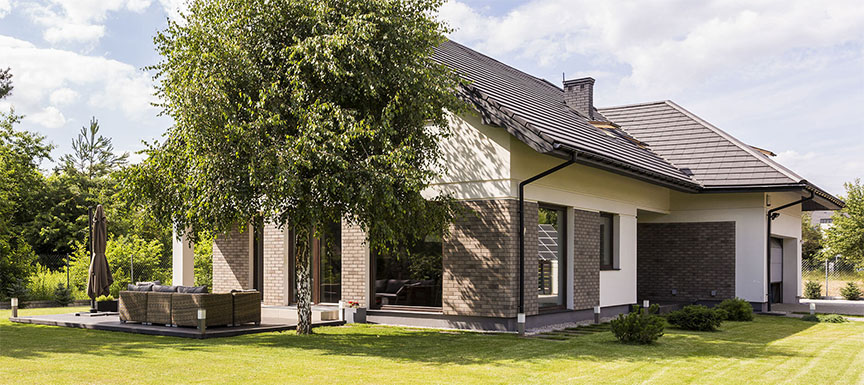
Consider the Surroundings -
Build a Balanced Exterior Paint Colour Palette
When selecting paints for exterior walls, select at least three or more exterior paint colours. Typically, an exterior paint colour scheme comprises of three essential colours, the base colour that is the dominating paint, the accent colour, for the doors, window frames and other smaller areas; and a contrast colour, for the castings, frill, rail and trim. Choose a colour for the trim that contrasts with the base colour chosen by you. For instance, if your primary hue is dark, opt for a white or pale trim. On the other hand, a light field colour can be accentuated using a darker trim shade to produces a sharp and dramatic effect.
-
Select Exterior Paints Based on Weather Conditions
Selecting exterior home paint also requires the evaluation of the weather condition that may wear down the paint colour in time. Many of our best exterior paint colours have been created to withstand the effects of rain, dust and sun, still keeping the exterior of your home fresh and attractive for a long-time. Thus, you must consider the environmental conditions, such as heat, rain and frost on your external walls and choose long-lasting, high-performance exterior paints. Our collection of exterior paints include Excel Rain Guard, Excel Anti Peel amongst other, that ensure your home walls have the required weather protection and dazzle onlookers for years to come.
-
Test Exterior Paint Colours Before Full Application
When choosing paints for the house, never rely on shade cards and catalogues alone. Exterior shades can vary significantly owing to the effect of light on the colour. Thus, try the shade by buying a quart of paint and test it on an inconspicuous area of your exterior home wall. Observing the shade at various times of the day can help you tweak the tone lighter or darker before applying it over the entire surface. Many people make their first impression of your personality before stepping foot into your home. So, make a striking first impression, by painting your exterior walls to impress and outshine expectations.
Key Takeaways
- Plan around fixed elements such as roofing, stonework and tiles that won't change.
- Match colours to your home's architectural style and era.
- Decide whether to stand out or blend in with neighbouring homes and landscape.
- Use a three-colour palette: base for walls, accent for doors and windows, trim for contrast.
- Choose weather-resistant exterior paint suited to rain, dust and strong sun.
- Test paint samples on the wall and view them in morning, afternoon and evening light.
Nerolac Paints, a leading paint company in India offers a wide range of wall paint colours & painting services & solutions for homes & offices.
-
Best Colour Combination For Walls To Elevate Your Home Interiors Best Colour Combination For Walls To Elevate Your Home Interiors
Intoduction:In 2025, harmonious colour schemes for individuality and…
-
Best Green Colour Combinations for Walls – Schemes & Design Ideas Best Green Colour Combinations for Walls – Schemes & Design Ideas
Introduction:Green has long been a favourite choice in home decor…
-
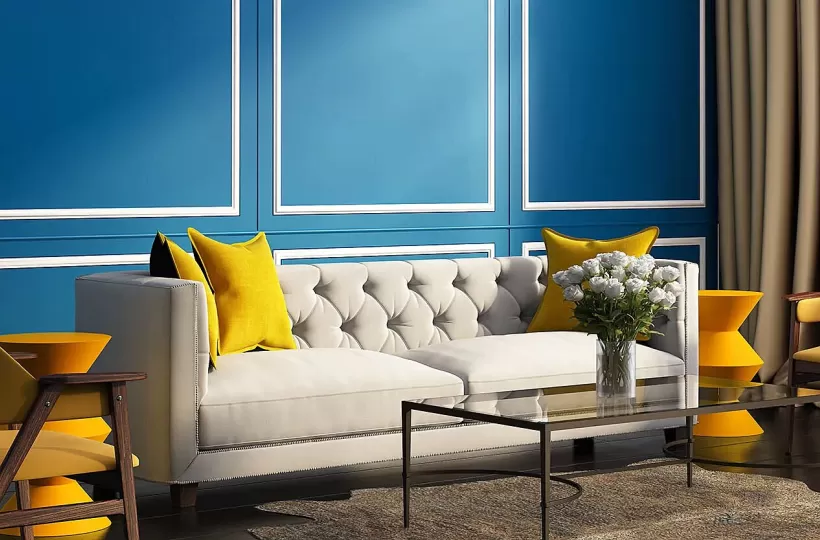
What Colours Match with Blue? 14 Colour Combinations with Blue for Your Home What Colours Match with Blue? 14 Colour Combinations with Blue for Your Home
Blue is a universally popular colour for décor and design; choosing a colour…
-
Recent Blogs
- Wooden House Design: 8 Kashmiri-Inspired Ideas for Warm and Elegant Homes
- Kashmiri Home Interior Design: 5 Ideas to Bring Kashmir's Beauty Into Your Home
- 7 Beautiful Kashmiri Home Design Ideas Inspired by Noor-e-Kashmir
- Cloud Dancer Colour of the Year – Meaning, Combinations, Interior Ideas and Trends
- How To Make Yellow Colour: Tips for Perfect Wall Paint Shades & Home Décor Ideas
-
Get in Touch
Looking for something else? Drop your query and we will contact you.
FAQs
Why do exterior colours look different from the shade card?
Strong outdoor sunlight makes colours appear lighter and brighter than on a small shade card indoors. Surrounding greenery, neighbouring buildings and the time of day also change how colours look. Choose a shade slightly deeper than you think you want and always test a large sample on the actual wall.
Which exterior house colours stay clean longer in dusty areas?
Mid-tone shades such as beige, sand, greige, terracotta and muted greens hide dust and dirt better than very light whites or very dark colours. Pair them with dirt-resistant or anti-dust exterior paints. Textured finishes can also help hide dirt, while very smooth glossy finishes show dust streaks more. Regular washing of exterior walls keeps colours looking fresh.
How do I choose exterior colours for a small house?
Light and mid-tone base colours make a small house look larger and more welcoming. Use a slightly darker shade for trim or plinth and one bright accent for the door. Avoid using too many colours on a compact façade. Painting the boundary wall and gate in coordinated colours also makes a small house look more cohesive and well-planned. Keep the palette to two or three colours at most.
Which exterior colours reduce heat inside the house?
Light colours such as white, off-white, pale beige and light grey reflect more sunlight and absorb less heat than dark colours. Heat-reflective exterior or roof coatings further help keep interiors cooler in hot climates. Dark colours absorb more heat, which can raise indoor temperatures and cause faster fading. If you want dark shades, use them for trims or small accents.
Should I follow neighbourhood or society rules for exterior colours?
Yes. Many housing societies and gated communities have rules on façade colours to maintain a uniform look. Check with your association before finalising exterior colours. Some societies also specify approved brands or finishes. Following the rules avoids disputes and repainting costs, and you can still personalise your home with doors, planters and lighting.
What mistakes should I avoid when choosing exterior paint colours?
Avoid choosing from tiny swatches alone, ignoring roof and stone colours, using too many contrasting shades, picking colours that fade quickly in strong sun, and skipping surface preparation or primer. Also avoid painting during rain or extreme heat. Planning the palette, testing samples and using weather-resistant paint ensures the exterior looks good and lasts longer.


Get in Touch
Looking for something else? Drop your query and we will contact you.
Latest Happenings in the Paint World
Get some inspiration from these trending articles




Popular Post
Popular Searches
What’s Trending in Bedrooms
Explore Trending Living Room Ideas
- Living Room Colour Combination
- Modern Two Colour Combination for Living Room
- Wall Texture for Living Room
- Vastu Colours for Living Room
- Wall Texture Design for Living Room
- Living Room Paint Ideas
- Living Room Design Ideas
- Paint Colour Ideas for Living Room
- Living Room TV Wall Designs
- Green Living Room Walls
Kitchen Ideas People Love
Explore Trending Ceiling Ideas
Study Room Ideas in Demand
Explore Wall Paint Categories
Handpicked Colour Inspirations
- Accent Wall Design
- Bedroom Design Ideas
- Exterior Wall Colour Design Ideas
- Interior Wall Colour Design Ideas
- Kitchen Design Ideas
- Living Room Interior Design
- Geometric Wall Design Ideas
- Home Colour Combination Ideas
- Home Décor Ideas
- Mural Wall Paint Design Ideas
- Office Space Design Ideas
- Puja Room Design Ideas
- Texture Design Ideas
- Festival Painting Ideas
- Paint Colour Chart
- Wall Painting Designs
- Wood Wall Décor Ideas
- Mural Wall Paint Design
- Hall Design Ideas
- Gate Colour Design
- Exterior Wall Colour Design
- Door Colour Design Ideas
-
 Get in Touch
-
Store Locator
-
 Download App
×
Get in Touch
Looking for something else? Drop your query and we will contact you.

