

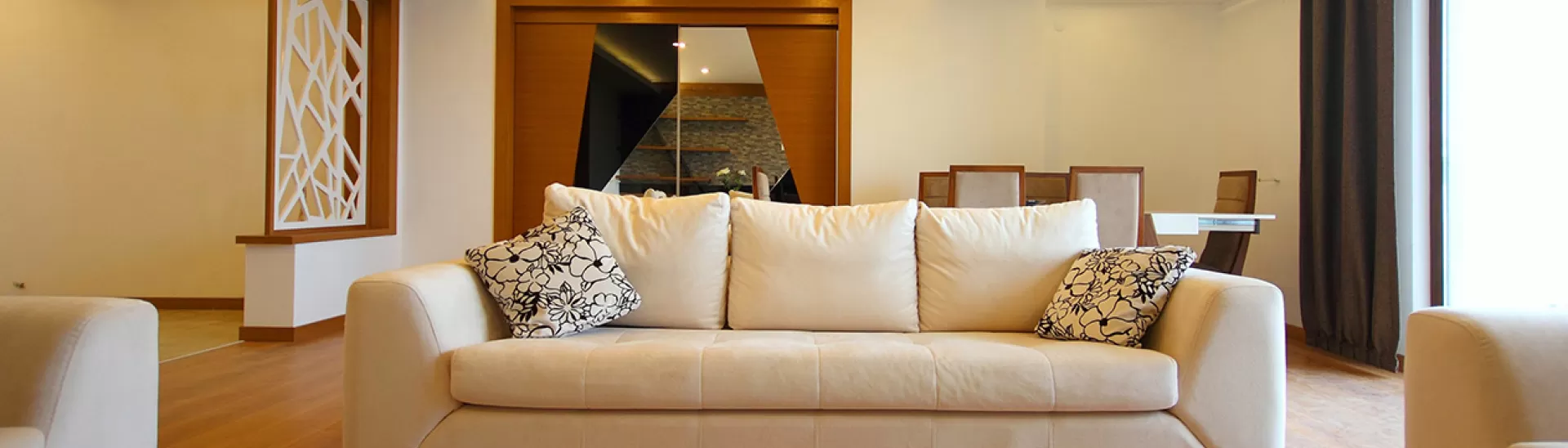
9 Stunning Ceiling Design Ideas with Colour Combinations for Modern Homes
Published: 07 Jun 2022 | Modified: 30 Sep 2026
Quick Summary
Ceiling color design is a powerful way to add depth, drama or height to a room. Popular ceiling design colour combinations include white with a pastel wall, a soft tint of the wall colour, or bold ceilings in navy, teal or terracotta. Home ceiling colour designs should consider room height, light and false ceiling layout, with down ceiling colour design highlighting coves and lighting.
Create Your Dream Home With Our Painting Experts
Fill the form below to book a free site evaluation by Nerolac Nxtgen painting Services expert
TABLE OF CONTENTS
How to Choose the Right Ceiling Design for Your Home
We often underestimate the impact of an elegant ceiling design. The fifth wall of your house is either neglected the majority of the time or is not given the attention it deserves. Ceiling designs add a towering balance of design and colour to your space. Be it your bedroom or living room, a gorgeous ceiling design can change the way a room looks completely. If you’re wondering what’s missing in your room’s design, it just might be the need for an amazing and new ceiling design. Don’t underestimate the power of false ceilings as it can add character and dimension to your space along with the perfect colour combination. Along with false ceilings, there are a variety of ways in which your ceiling can transform your room. Our experts have curated a list of 9 beautiful ceiling designs navigating the important rooms in your home. Let’s have a look at a few tips that can help you in choosing the right ceiling design followed by new ceiling design ideas and colour combinations.
We hope you’ve found enough ceiling inspiration for your home, here. Be open to experimenting with your fifth wall and trust us, your space will look gorgeous.
-
Tips to get your right ceiling design
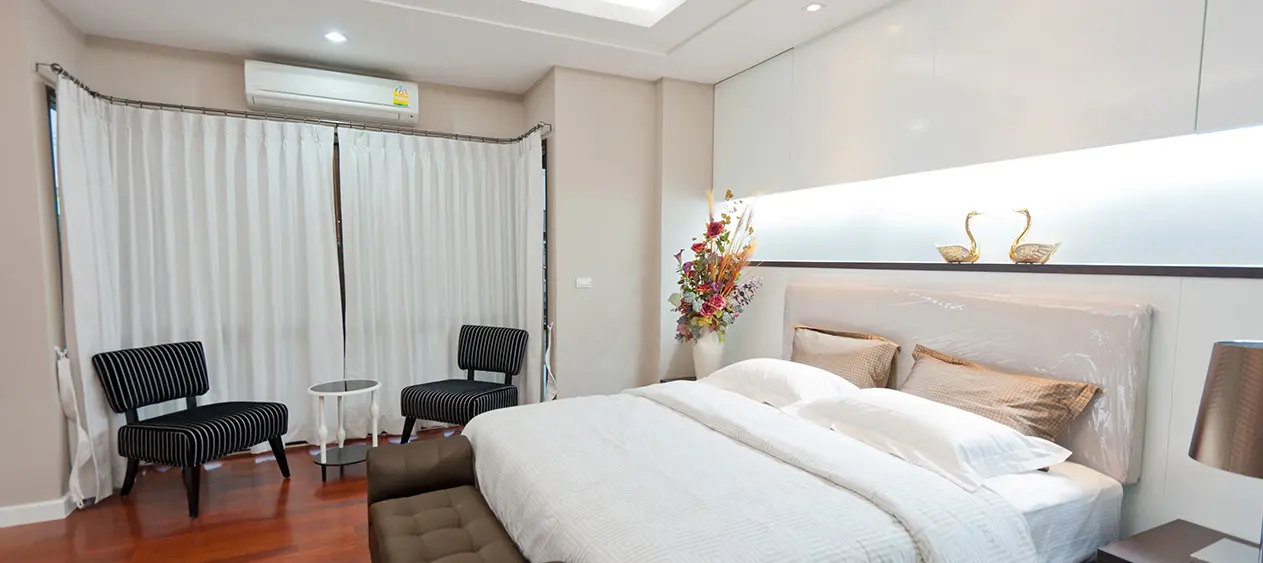
Tips to get your right ceiling design - Understand your room’s aesthetic and choose a ceiling design that compliments the room colour scheme, aesthetics and decor
- Be open to experimenting with textures, murals and wall designs for ceilings
- Use a contrasting colour to add a two-toned, dramatic approach to the room
- Ambient lighting, chandeliers, custom light fixtures are a must to embellish your ceiling
- Wallpapers and mirrored ceilings are the trendiest in 2023, treating ceiling designs as feature walls
- Lastly, adding a ceiling medallion or mouldings/beams will add drama and character to an otherwise plain wall
-
Modern Ceiling Design Ideas for Living Rooms
If your living room needs a great ambience, a new ceiling design can surely give you the desired output. Ceiling designs can augment your living room decor and add an element of light and design to plain walls. Let us look at a few new ceiling design ideas for halls.
-
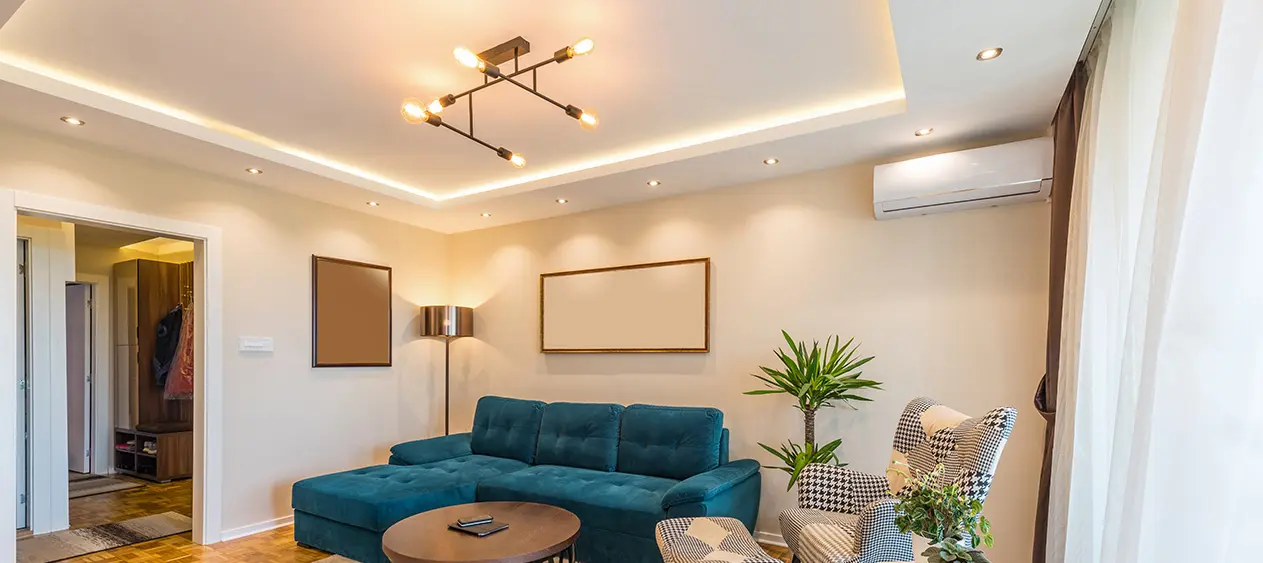
Neutral False Ceiling Designs with Track Lighting
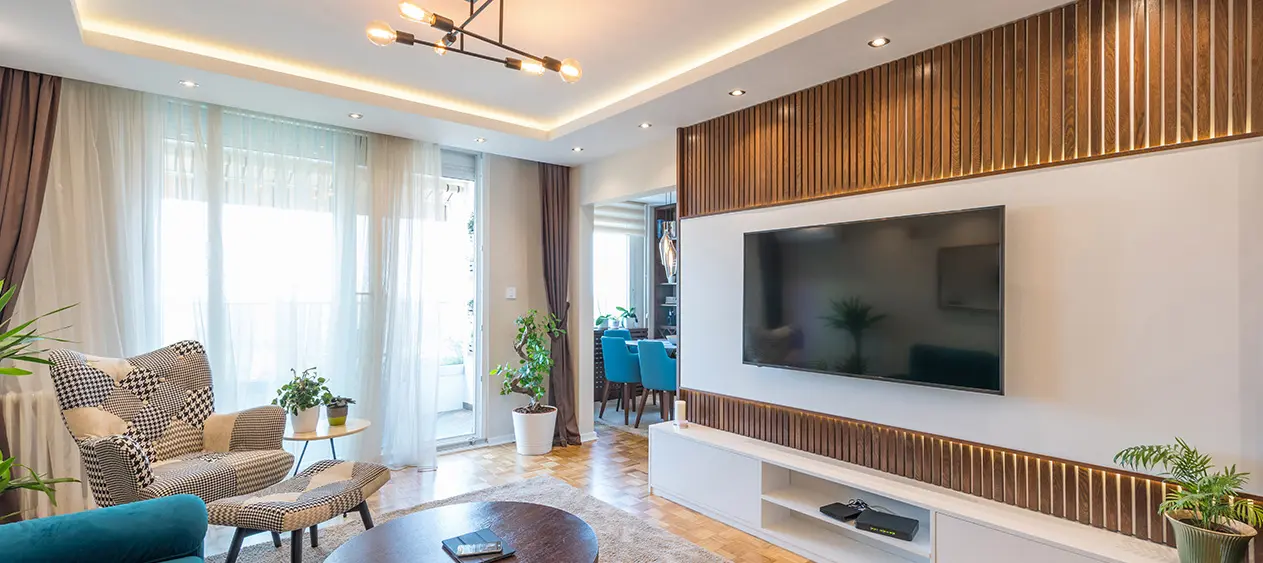
Track lighting false ceiling with neutrals If you want just a touch of character to your ceiling, let it sit with neutrals like grey, greige or terracotta with track lights in your chosen pattern. Track lights elevate your living room’s ambience by not only uplifting neutral colours but also complimenting beams, parallel lines or false ceilings. To uplift your ceiling colour, you can choose a type of track light. Track lights can be flexible (in any chosen order), linear, in pendant shape and many other types to match your ceiling mouldings, beams or false ceiling designs. For those who want to stick to the regular shades of paint, track lighting with neutrals is the perfect option to add character.
Colour combinations for track lighting: Neutrals, wooden textures, pastels
-
Luxury Golden POP Ceiling Design Ideas
Golden pop ceiling design Ideas Indian homeowners love gold and golden accents. If your home is in neutral shades, here is your chance to add a golden pop ceiling design to stand out and create a lasting impression. Golden pop ceilings as wall textures with traditional or contemporary light fixtures are a trend in 2023. You can even go bold and contrast with the golden in shades of purple, red or green. Golden pop ceiling designs can also have golden motifs on plain background paint or wall textures in golden to go a little bit beyond just simple paint.
Ideas for golden ceiling designs: Golden motifs, golden textures, golden contrast
-
Statement Ceiling Murals with Decorative Lighting
A bold trend that has emerged back from the past is ceiling murals that imitate Italian monuments. Ceiling designs can either be extremely contemporary or it can take a bit of inspiration from the past. Ceiling murals are a way to let your walls do the talking. Yes we’ve heard of statement walls and statement floors, but this is a way to introduce statement ceiling designs too. In 2023, the trendiest of murals that adorn ceiling walls are hand painted fresco murals with fixtures, geometric patterns or abstract motifs, 3D panoramic paintings and more.
Trending ideas for ceiling murals: 3D geometric art, hand painted frescos, nature-inspired theme, chalkboard paint: new trend
Also read: 5 Ceiling Designs For Your Halls
Bedroom Ceiling Design Ideas for a Relaxing Space
Your bedroom is an intimate and relaxing space. It is the place where you look up at the ceiling the most and hence, it should give you the calmness and solitude you need.
-
Textured Ceiling Designs for Contemporary Bedrooms
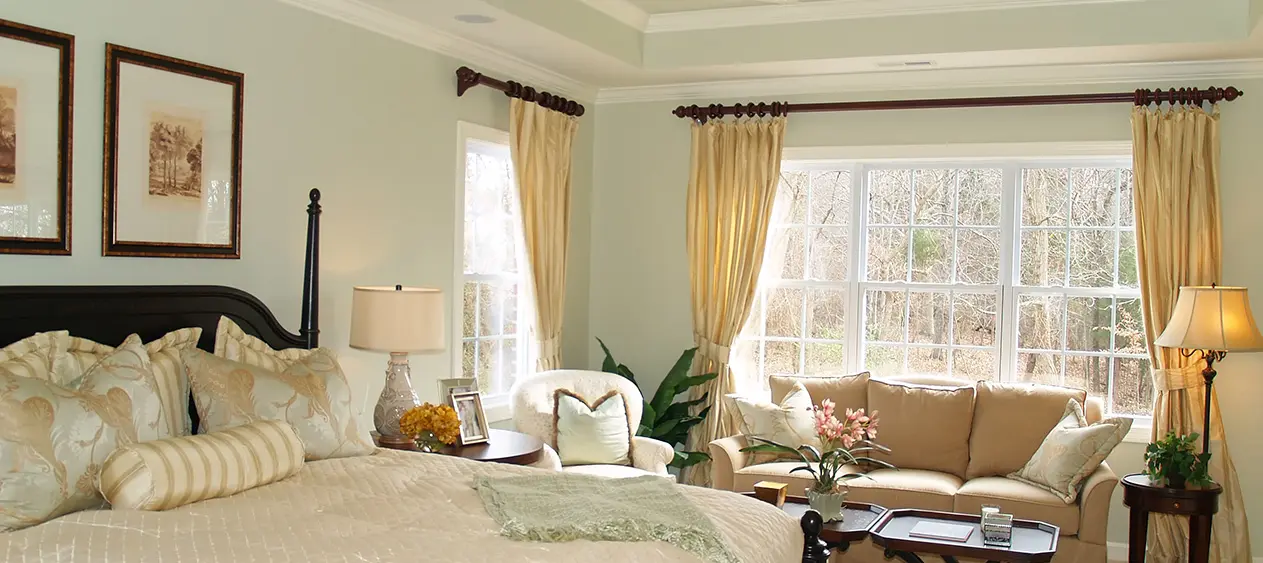
Textured ceiling designs Go a bit beyond paints and false ceilings - embrace the world of paint textures for your ceiling designs. From grunge to abstract or nature-inspired, textured ceiling designs can add an edge to your bedroom with the perfect fixtures. Textured ceiling designs can also be in the same colour family as your neighbouring walls to add a monochromatic effect. Another way to look at it is to introduce two-toned contrast by choosing contrasting textured ceiling designs in warm shades of green, violet, blue, grey etc.
Ideas for textured ceiling designs: Monochromatic textures, nature-inspired textures, grunge textures
-
Glossy Pastel Ceiling Designs for Modern Bedrooms
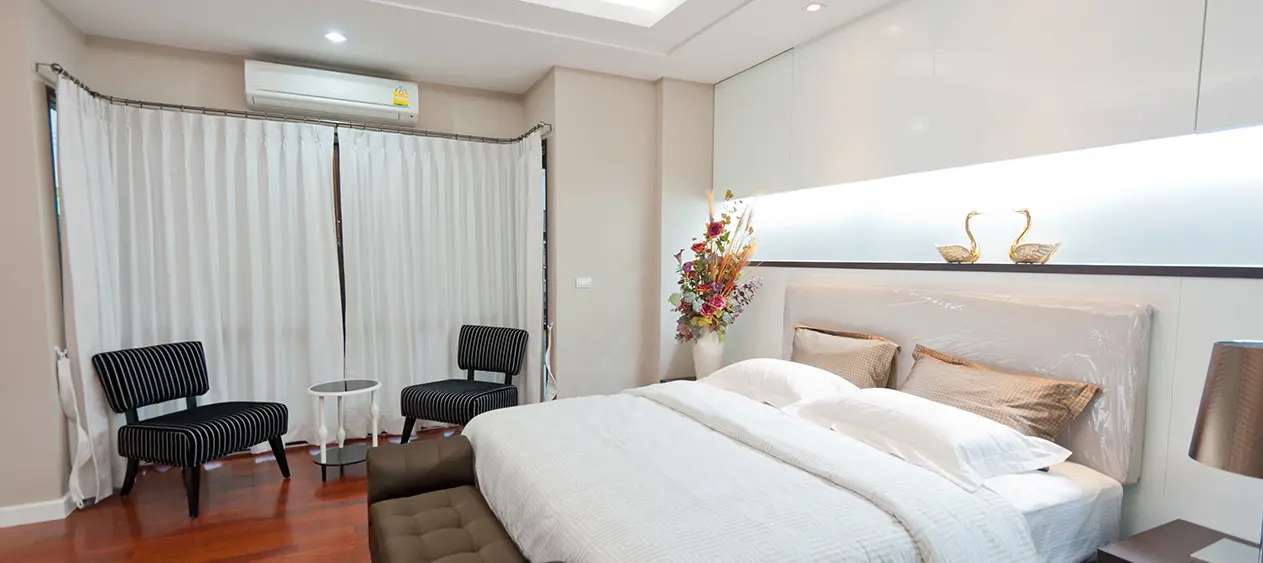
Glossy pastels as ceiling designs 2023’s newest trend for ceiling designs is introducing high glossy ceilings in pastel shades. Pastel shades have a calming effect on your surroundings while the high gloss finish adds the brightness to your room. You can choose a darker shade of your surrounding walls or a shade that complements the neutral tones in your bedroom like salmon pink, coral, mint green or grey blue. If you’ve introduced panels or beams, it would look even better with a high gloss pastel finish. The trend lately is to paint beams, wooden textures or rustic ceilings with modern pastel, high gloss finishes for a revamped look in 2023.
Colours for glossy pastel ceiling designs: Faded yellow, mint green, blue grey
-
Bold Ceiling Colours with Designer Light Fixtures
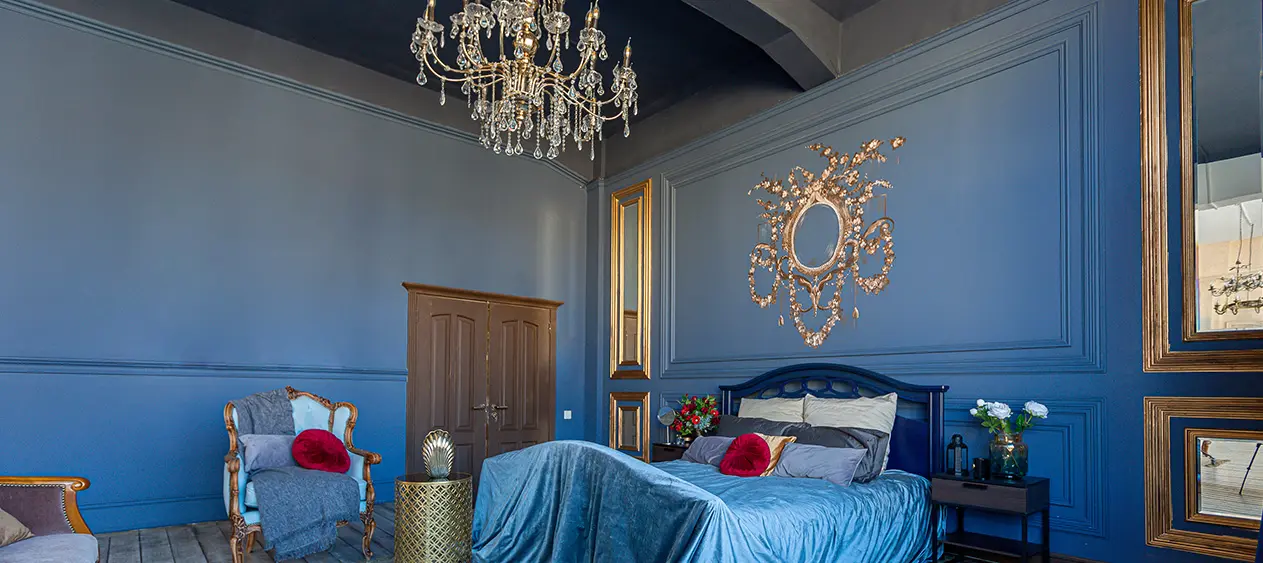
A bold colour with a custom fixture A simple way to make a statement through your bedroom walls is to paint your ceiling in a bold colour to add drama to your surroundings. One way to make it striking is to introduce contrast through the choice of colour in the ceiling design. The other way is to stay subtle and match the interior colour family. False ceilings and pop ceilings are a huge trend. So introducing bold colours for the pop ceilings can add dimension to your ceilings in a trendy manner. When your ceiling adorns a bold colour, a single track light or a chandelier can be just the embellishment it needs to stand out.
Also read: 9 Stunning Ceiling Design Ideas to Elevate Your Home Decor
Simple Yet Stylish Ceiling Design Ideas
Yes the ceiling is quite a prominent space to explore, but the fifth wall deserves some design and elegance too. The beauty of design is that even a little bit of colour or a small element can change the way a room looks. So if you want to keep it simple with ceiling designs, we have just the right ideas for you.
-
Classic Grey and White False Ceiling Designs
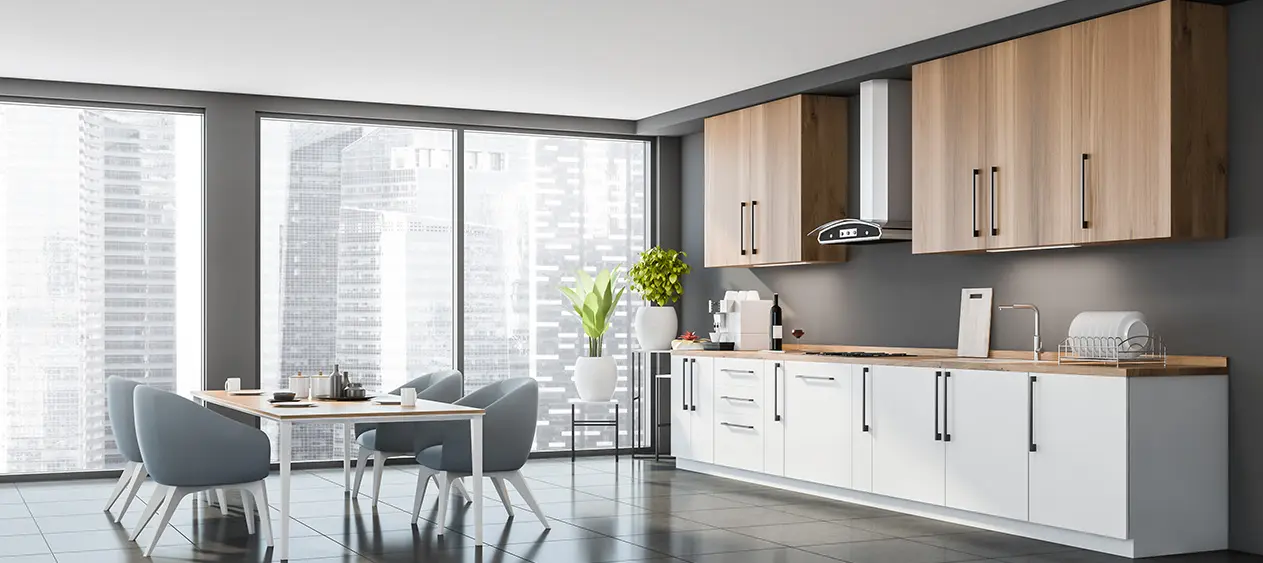
Classic grey and white false ceiling design Whether you have a pop ceiling, beams or mouldings, ceiling designs can augment your room’s ambience with just the right touch of colour. With dimensional ceilings in modern homes, a classic grey and white approach to ceilings is a simple yet trendy way to introduce ceiling designs. The world of ceiling designs presents a number of ways to play with grey and white, like using high-gloss finishes for the grey areas, using mattified whites and greys, using greys only on pop ceilings etc. Another bonus is that grey and white easily adapt to modern light fixtures and natural light as well.
Ideas for grey and white false ceilings: Paint the beams, use a high gloss finish, add a custom fixture
-
Ceiling-to-Wall Colour Flow Design
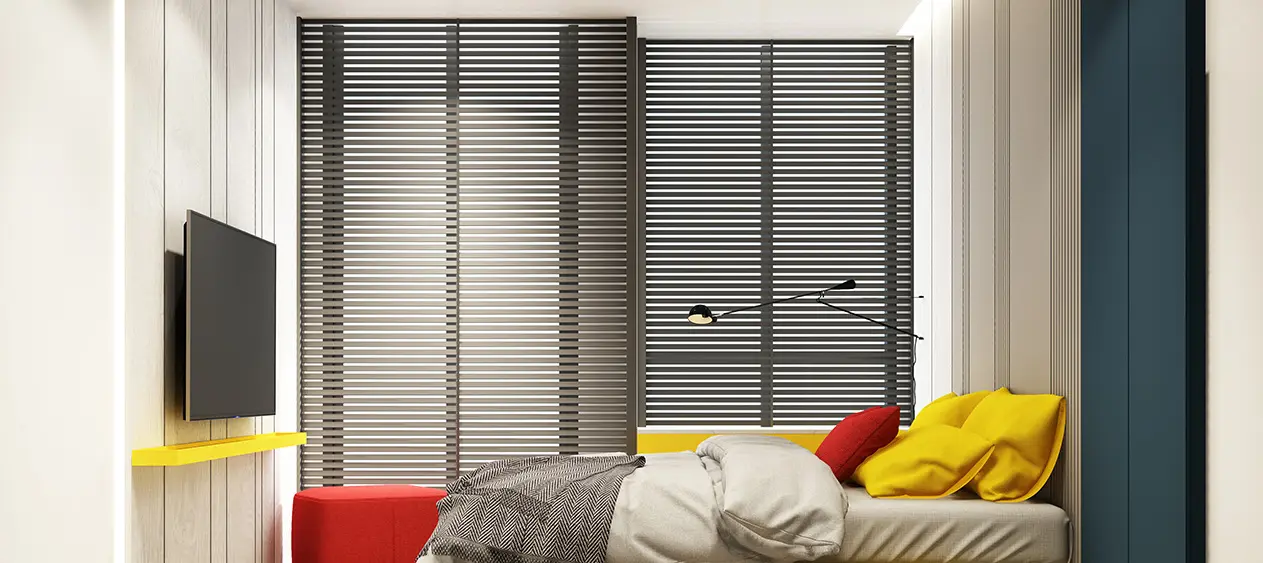
Simple ceiling to wall colour run down A unique trend in 2023, this ceiling to wall colour rundown is a modern ceiling design idea that uses paints and two walls to grab attention. It is very simplistic yet trendy enough for your room to stand out. We often see this ceiling design being used in large living rooms or bedrooms. Choosing pop colours or pastel colours is the way to go for this ceiling design to transform your space. Some homeowners can even take it a step further by running the colour down to the floor.
Ideas for colour run down ceiling design: Use high gloss paints for a contrast to be visible, use unique colours to accentuate your room decor
-
Brown and White Ceiling Designs with Wooden Panelling
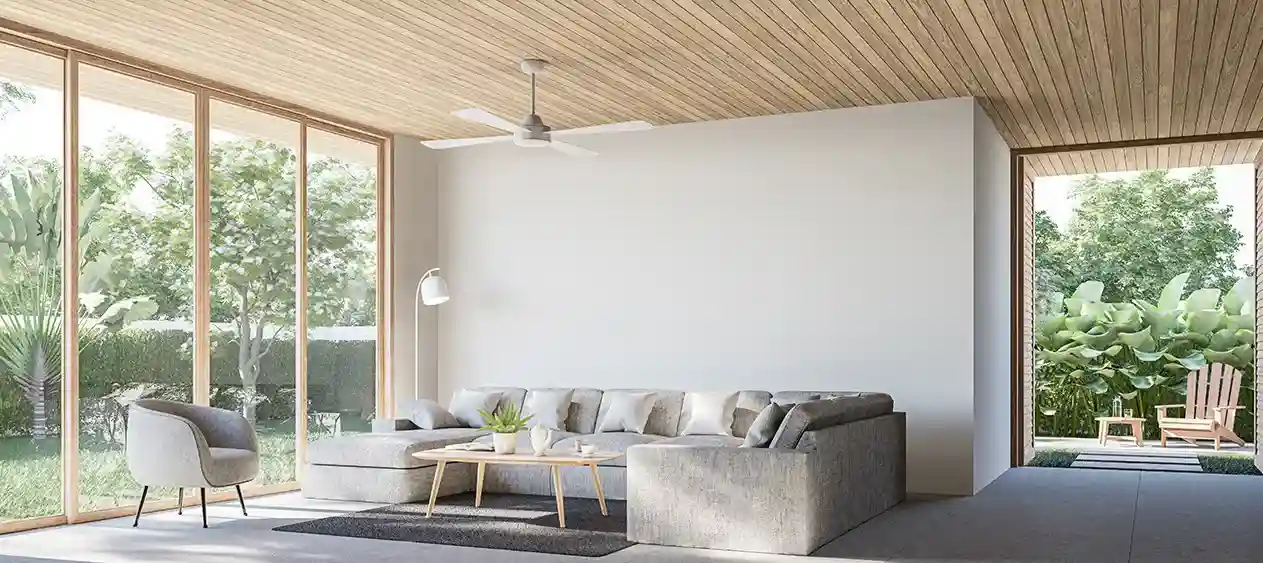
Brown and white with wooden panelling Contemporary, chic and elegant, this classic brown and white combination coupled with the warm hues of wooden textures is a simple ceiling design choice for your home. This ceiling design is timeless and will never disappoint. It is versatile enough to go with unique furnishings, decor and electronics. It is a classic go-to ceiling design that can be experimented with textures, panelling, pop ceilings and even track lights.
Also read: 5 Simple Yet Amazing Ceiling Designs
-
Key Takeaways
- Light ceilings make rooms feel taller and airier.
- Dark ceilings create cosy, dramatic spaces in large rooms.
- A tint of the wall colour gives a seamless look.
- False ceiling coves look striking in contrast colours.
- Choose flat or matte finishes to hide ceiling imperfections.
- Coordinate ceiling colour with lighting and wall shades.
Nerolac Paints, a leading paint company in India offers a wide range of wall paint colours & painting services & solutions for homes & offices.
-
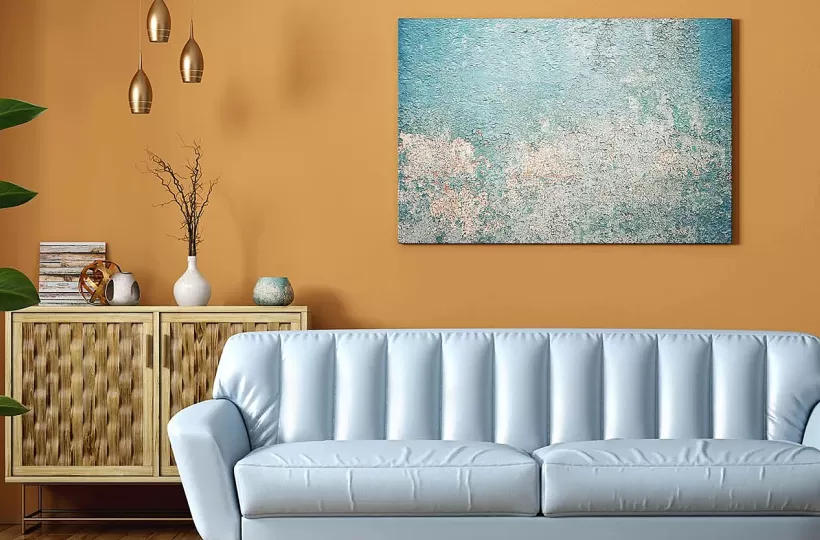
Best Colour Combination For Walls To Elevate Your Home Interiors Best Colour Combination For Walls To Elevate Your Home Interiors
Intoduction:In 2025, harmonious colour schemes for individuality and…
-
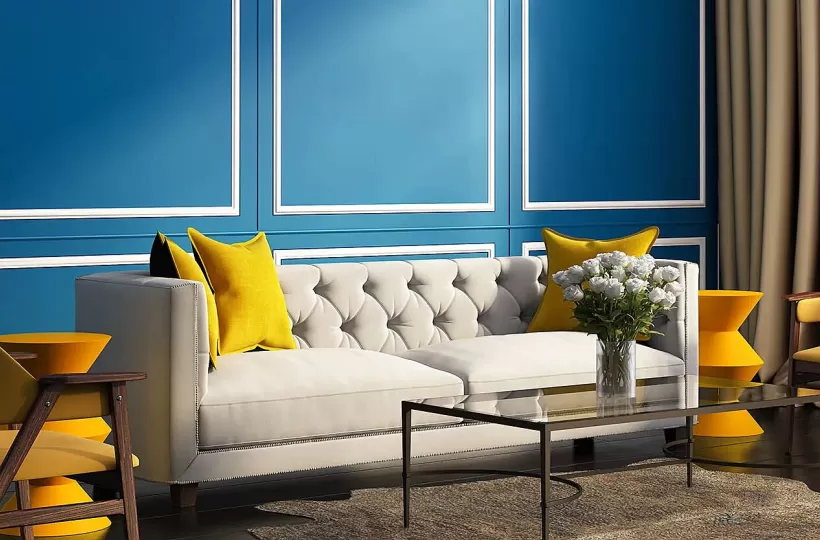
What Colours Match with Blue? 14 Colour Combinations with Blue for Your Home What Colours Match with Blue? 14 Colour Combinations with Blue for Your Home
Blue is a universally popular colour for décor and design; choosing a colour…
-
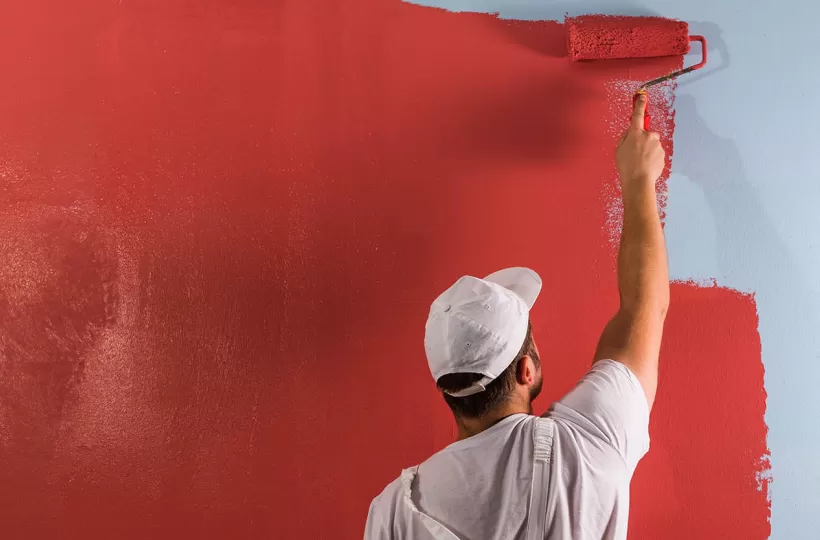
What Are The Different Types Of Paint For Home And Interior Walls? What Are The Different Types Of Paint For Home And Interior Walls?
Introduction:When it comes to home decor, nothing transforms a room as…
-
Recent Blogs
- Wooden House Design: 8 Kashmiri-Inspired Ideas for Warm and Elegant Homes
- Kashmiri Home Interior Design: 5 Ideas to Bring Kashmir's Beauty Into Your Home
- 7 Beautiful Kashmiri Home Design Ideas Inspired by Noor-e-Kashmir
- Cloud Dancer Colour of the Year – Meaning, Combinations, Interior Ideas and Trends
- How To Make Yellow Colour: Tips for Perfect Wall Paint Shades & Home Décor Ideas
-
Get in Touch
Looking for something else? Drop your query and we will contact you.
FAQs
Which ceiling colour design is best for homes?
White or off-white remains the most practical ceiling colour because it reflects light and makes rooms feel spacious. For more character, a pale tint of the wall colour creates a seamless, soft look. Bold ceilings in navy, teal or charcoal suit rooms with high ceilings. Choose based on room height and desired mood.
Which ceiling design colour combinations look good?
Pleasing combinations include white ceilings with sage or blue walls, blush ceilings with cream walls, navy ceilings with white walls, and gold or beige coves with ivory false ceilings. Two-tone ceilings with a contrasting border also look elegant. Keep undertones consistent between ceiling and walls for harmony. Test samples overhead, since ceilings look darker than walls.
What are the most popular home ceiling colour designs?
Popular designs include classic white ceilings, colour-drenched rooms where the ceiling matches walls, contrasting false ceiling borders, and accent ceilings in dark shades. Sky blue ceilings are popular in kids rooms. Metallic or textured finishes highlight coffered and false ceiling designs in living and dining rooms. Pick colours that support your lighting plan and room height.
How do I choose down ceiling colour designs?
For false or down ceilings, consider the lighting plan first, since coves and recessed lights interact with colour. Light shades maximise brightness, while darker cove colours create depth. Match or contrast the drop section with the main ceiling. Coordinate with wall colours so the ceiling feels part of the room's overall scheme.
Which wall and ceiling colour designs suit small rooms?
In small rooms, keep the ceiling lighter than the walls, or paint both in the same pale shade to blur edges and add height. White, soft grey or pastel tints work well. Avoid heavy, dark ceilings that visually lower the room. Glossier finishes should be avoided on ceilings as they reveal imperfections.
What mistakes should I avoid with ceiling colour design?
Avoid dark ceilings in low or poorly lit rooms, which can feel oppressive. Don't choose a ceiling colour that clashes with wall undertones. Glossy finishes highlight cracks and uneven plaster. Skipping ceiling prep, like crack repair and primer, leads to patchy results. Always paint the ceiling before walls to avoid drips.


Get in Touch
Looking for something else? Drop your query and we will contact you.
Latest Happenings in the Paint World
Get some inspiration from these trending articles
Popular Post
Popular Searches
What’s Trending in Bedrooms
Explore Trending Living Room Ideas
- Living Room Colour Combination
- Modern Two Colour Combination for Living Room
- Wall Texture for Living Room
- Vastu Colours for Living Room
- Wall Texture Design for Living Room
- Living Room Paint Ideas
- Living Room Design Ideas
- Paint Colour Ideas for Living Room
- Living Room TV Wall Designs
- Green Living Room Walls
Kitchen Ideas People Love
Explore Trending Ceiling Ideas
Study Room Ideas in Demand
Explore Wall Paint Categories
Handpicked Colour Inspirations
- Accent Wall Design
- Bedroom Design Ideas
- Exterior Wall Colour Design Ideas
- Interior Wall Colour Design Ideas
- Kitchen Design Ideas
- Living Room Interior Design
- Geometric Wall Design Ideas
- Home Colour Combination Ideas
- Home Décor Ideas
- Mural Wall Paint Design Ideas
- Office Space Design Ideas
- Puja Room Design Ideas
- Texture Design Ideas
- Festival Painting Ideas
- Paint Colour Chart
- Wall Painting Designs
- Wood Wall Décor Ideas
- Mural Wall Paint Design
- Hall Design Ideas
- Gate Colour Design
- Exterior Wall Colour Design
- Door Colour Design Ideas
-
 Get in Touch
 -
Store Locator
-
 Download App
×
Get in Touch
Looking for something else? Drop your query and we will contact you.

