

Gerua Colour
Gerua
Colour code - 02146
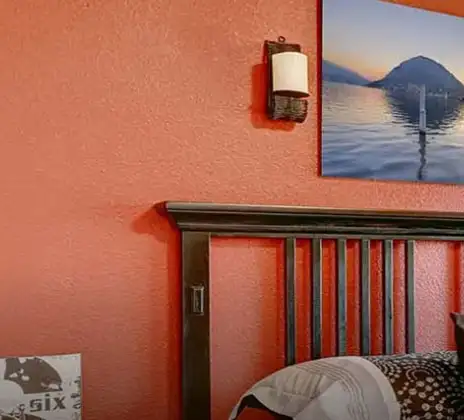
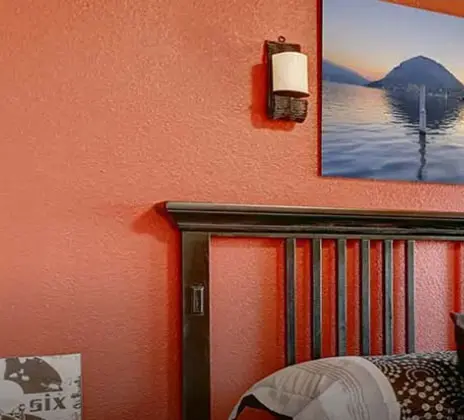
It enchants you with its fiery beauty every time you look at it. A shade that envelopes your walls in magic, drama and marvels like a burning flame on a dark night. A vibrant and confident shade which never runs out of attention.
Gerua colour transforms your space completely as the dark and rich tones takes over your walls, and creates an effect which is complex and intoxicating.
Pair Gerua with shades of blue, purple and peach for stunning results.
Disclaimer: Actual wall paint colour applied may differ from the on-screen representation above. Please confirm your colour choices prior to purchase by viewing a physical colour shade card or a painted sample.
Still confused ? Explore all our shades from our colour catalogue
Paint your life's canvas with our painting experts
Fill the form below to book a free site evaluation by Nerolac Express Painting Service expert
Trending Colour Shades
Find the Perfect Colour Shades for you walls
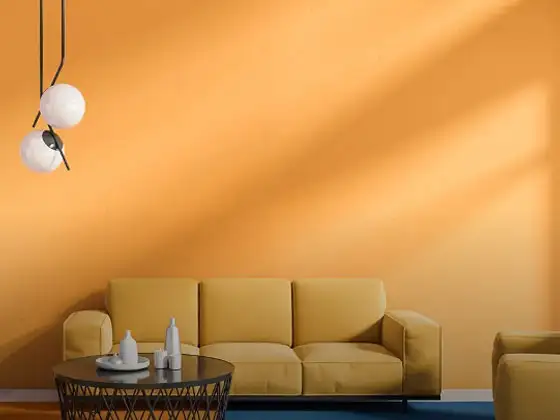
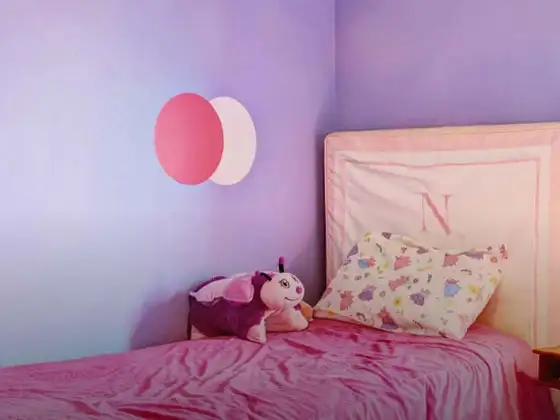
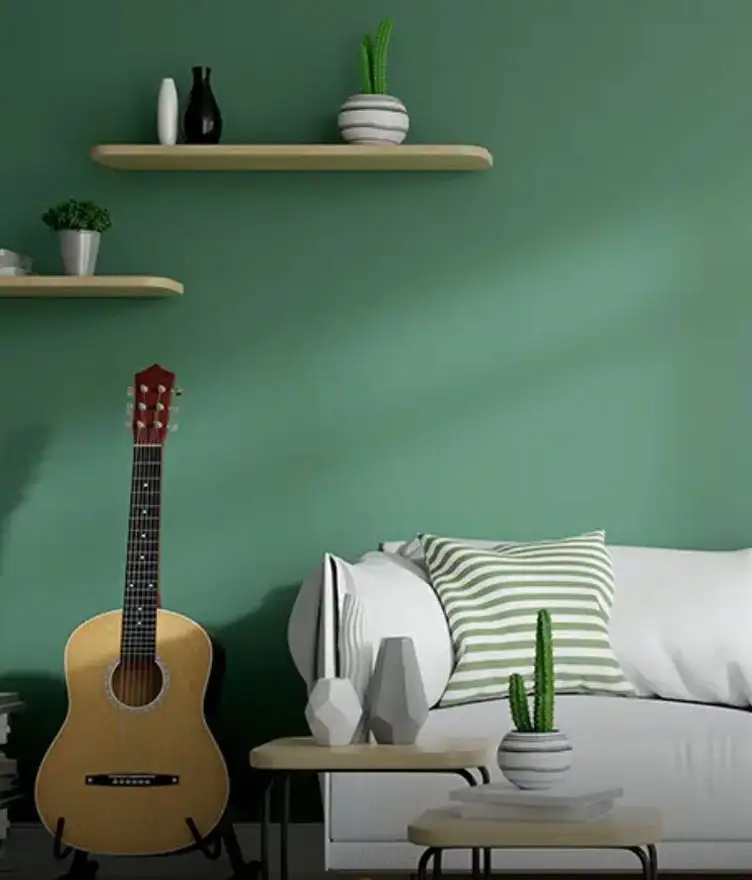
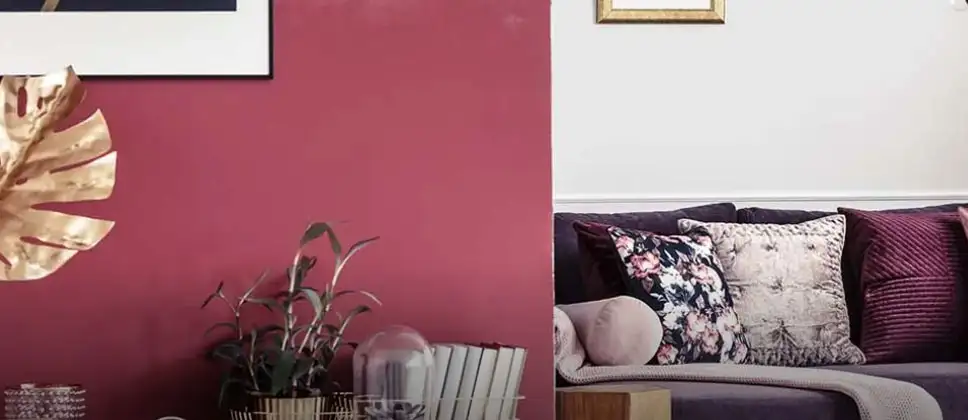
Products in this shade
Browse through our wide range of paints to find the one that accentuates your home's beauty
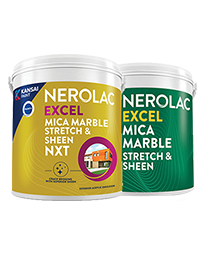
Neroalc Excel Mica Marble Strech Sheen & Mica Marble Stretch Sheen NXT
Nerolac Excel Mica marble stretch sheen Nxt & Mica Marble Strech Sheen is an extremely durable water...
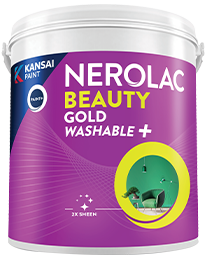
Beauty Gold Washable Plus
Nerolac Beauty Gold Washable Plus is an interior emulsion paint has a rich sheen finish, with highes...
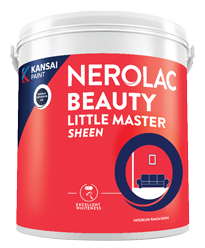
Beauty Little Master Sheen
Nerolac Beauty Little Master Sheen is an Economy Interior Wall Emulsion with very good sheen, smooth...
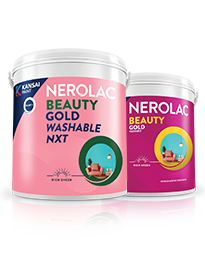
Beauty Gold washable and Beauty Gold Washable NXT
Nerolac Beauty Gold Washable paint has a soft sheen finish, with excellent stain-cleanability at an a...
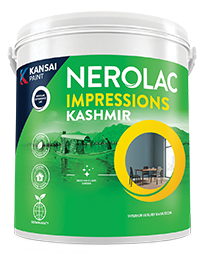
Impressions Kashmir
Nerolac Impressions Kashmir Luxury Emulsion is a superior quality 100% acrylic emulsion based interi...


Find an Expert Painter Near You
Enjoy a holistic painting experience with Nerolac NxtGen Services
About Gerua Colour
Gerua Colour Designs, Shades & Combinations for Your Home
Gerua colour is a warm, earthy orange that is positioned between orange and red colour on the colour wheel, with a muted brown undertone that keeps it grounded and suitable for interiors. It is commonly associated with warmth, steadiness, and a lived-in sense of comfort. This is why it works particularly well in spaces meant for conversation, rest, and daily routines.
For a home setting, the best results come from choosing the right depth, balancing it with quieter companion tones, and planning where the colour should lead and where it should support.
Key Characteristics of Gerua Colour
Red‑ochre hue
Gerua sits in the red‑ochre range (often appears as reddish with yellowish‑orange notes), so it feels earthy yet vivid rather than purely “red colour” or purely “orange colour.” This mixed hue profile is what gives it that distinctly Indian ochre identity.
Warm, fiery undertone
Gerua is repeatedly described in “burning flame” terms, which matches how the colour visually projects heat and glow (a warm, flame-like presence rather than a cool or muted one). This warmth is a key feature that makes it feel energetic and visually “alive.”
Deep, rich saturation (dark-toned intensity)
Gerua is characterized as dark and rich, with “dark notes” and strong depth - so it tends to look intense and luxurious rather than light, pastel, or washed out. Because of this density, it can visually “take over” a surface, making the colour feel bold and immersive.
Complex, layered look (dramatic and intoxicating)
Gerua isn’t flat; it’s compelling, with layered richness that can feel dramatic and even “intoxicating” in effect. That complexity is a core feature, depending on lighting, it can lean more merlot-deep or more ochre-warm while still staying within the gerua family.
Practical Uses of Gerua Colour
Living rooms designed for warmth and hosting
Gerua supports a welcoming mood in living spaces, especially when paired with calm neutral colours. It works well behind a sofa wall or on a main focal wall.
Bedrooms that need a comfortable, restful tone
Used as a feature wall behind the headboard, gerua can add depth without making the room feel busy. Soft lighting and simple textiles help it stay balanced.
Dining areas and dining nooks
Bluish Grey has soft blue undertones that make grey less neutral. This soft mix makes a colour that looks and feels calm, collected, and balanced.
Entryways and transition areas
A gerua accent in an entry corridor or foyer can make the home feel organised and planned. These areas often benefit from one strong wall colour and controlled decor.
Reading areas, console walls, prayer rooms
Gerua suits small, defined areas where you want a clear visual identity. In compact corners, use it on one wall and keep adjacent walls lighter for balance.
Gerua Paint Choices for Your Walls
Before you select a shade, decide whether the room needs a lighter, more open look or a deeper, more anchored finish. Observe the room at different times, because morning light, afternoon glare, and evening bulbs can change how the wall appears.
If you are comparing Gerua colour shades, paint a small sample patch on two sections of the wall and review both over two days. The following options cover a practical range, from brighter warmth to deeper earthiness.
Brighter tones
- Clown Fish: It suits rooms where you want genuine warmth but still want the wall to feel lively and clear. Clown Fish colour works well in living rooms with strong daylight or in dining corners that need a defined focal point.
Mid-depth tones
- Copper Stone: Copper Stone colour is a steadier choice for everyday interior walls. It can suit bedrooms and living rooms when you want the colour to feel present but not dominating.
Deeper, grounded tones
- Earthy Orange: It fits homes that prefer a more muted finish with a stronger earthy base. Earthy Orange colour is especially useful for spaces with warm lighting and natural textures.
While exploring Gerua colour different shades, keep your finish selection consistent during testing. Matte often feels calmer for warm earthy colours, while soft sheen can look cleaner but may highlight surface texture.
Gerua Wall Colour Combinations for Your Home
Gerua looks best when it is supported by a calm companion shade and repeated lightly through decor, rather than competing with many accent walls. A planned Gerua colour combination helps you decide how much warmth the room should carry and where the eye should rest.
To manage Gerua colour contrast, use contrast in a controlled way - through trims, soft neutrals, and one deeper supporting tone. Here are four recommended combinations mapped to common spaces.
| Room/space | Recommended colour combination |
|---|---|
| Living room (main wall / TV wall) | Gerua + Apricot Candy – 4040 |
| Master bedroom (headboard wall) | Gerua + Orange Embers – 4689 |
| Dining nook/dining wall | Gerua + Autumn Flame – 2097 |
| Study corner/reading wall | Gerua + Soda Pop – 4674 |
Gerua + Apricot Candy Colour Combination
Gerua and Apricot Candy Colour pairing is suitable when you want warmth without heaviness. Use gerua as the primary feature wall and let Apricot Candy support it on adjacent surfaces, so the room stays open and bright.
Gerua + Orange Embers Colour Combination
Orange Embers colour deepens the overall scheme, making this two colour combinations suitable for bedrooms that need a more anchored look. Keep bedding and curtains in calm neutrals so the colour remains restful.
Gerua + Autumn Flame Colour Combination
Autumn Flame colour supports a richer, more expressive finish, which can work well in a dining nook or a living space with warm wood furniture. Limit strong patterns so the colour pairing stays clean.
Gerua + Soda Pop Colour Combination
Soda Pop colour can bring a lighter counterpoint that prevents the room from feeling too warm. It is useful in reading corners and compact areas where you want a Gerua presence but still need visual freshness.
Best Gerua Shades for Accent Walls
When you compare different Gerua colour shades, choose the smoothest wall surface and the wall with the most even lighting for the accent.
| Colour | Location |
|---|---|
| Apricot Candy | Behind the sofa (living room) |
| Orange Embers | Behind the bed (bedroom) |
| Autumn Flame | Dining wall/console wall |
| Soda Pop | Reading corner/study backdrop |
To select well, review shades in Gerua colour against your flooring and the largest furniture piece in the room. A shade that looks ideal on a small card can appear stronger once it covers a full wall.
Simple Tips for Using Gerua at Home
Types of Gerua colour shades generally fall into three practical groups: brighter terracotta-leaning gerua, balanced copper-leaning gerua, and muted earthy orange-leaning gerua.
How to make Gerua colour decisions clearer during selection is to treat them as a sequence: choose undertone, confirm it under your actual lighting, then decide whether it should be one wall or multiple walls. Practical guidance you can apply:
● Pair gerua with stable neutrals such as warm white, cream, beige, or soft grey; these tones help the room feel organised.● Use natural textures where possible - wood, cane, linen, and simple handcrafted pieces suit Gerua well and reduce the need for extra colours.
● Prefer matte or low-sheen finishes if you want a calmer appearance; higher sheen can highlight wall texture.
● Keep decor patterns controlled; if rugs or curtains have strong prints, keep the wall styling simple.
● Plan lighting early; warm lights can deepen the shade, while cooler lights may reveal more orange notes.
For a consistent look across connected rooms, build a Gerua colour palette that repeats two to three tones only: the main Gerua, a supporting neutral, and one accent (such as a deeper brown or a muted green) used in limited quantities.
How Nerolac Can Help You Paint Your Walls Gerua?
Gerua is a high-depth wall colour, so the final result depends heavily on preparation and consistent application. Nerolac’s professional home painting service is designed to reduce common risks such as patchy areas, uneven colour density, and surfaces that appear flatter or darker than intended when the base is not prepared properly.
With an end-to-end approach that includes preparation, execution, and finish checks, Nerolac helps gerua walls look refined and long-lasting without relying on repeated trial and error.
Plan, Design and Paint Your Walls With Nerolac Tools
Ready to plan your bottle green colour makeover? Use the tools below to explore shades, visualise rooms and estimate paint and budget.
Colour Visualiser
Use the Nerolac Colour Visualiser to try out different shades and textures from our colour and texture palette on the walls of our ‘room presets.’ You can also see how each colour will look under various lighting conditions, such as natural sunlight, cool white light and warm yellow light, before finalising a shade.
Colour Catalogue
Use the Nerolac Colour Catalogue to browse over 1,500 Nerolac wall paint shades. Search by colour name or code, or filter by colour family to quickly discover options that match your décor. Shortlist your favourite shades and pair them with the other Nerolac tools to finalise the perfect colour scheme for your home.
Paint Calculator
Use the Nerolac Paint Calculator to estimate the area to be painted and the required paint volume for your décor project. Enter wall dimensions, room count, and preferred product to get an approximate paint quantity and cost, helping you plan your project with greater confidence.
Frequently Asked Questions For Gerua
What colour goes with Gerua walls?
Grey, white and off-white shades go well with Gerua colour walls. You can choose mild shades of green or brown to create a natural contrast with the Gerua wall paint. Create a livelier vibe by pairing Gerua with blue, purple and peach colours.
Is Gerua Colour colour warm or cool?
Gerua is a darker shade of orange and hence is a warm colour.
Is Gerua Colour a good colour for a bedroom
Yes, Gerua will look good for the bedroom walls if complemented with soothing mild shades like Nerolac’s Elegant Touch or Shooting Stars shades.
Is Gerua Colour a neutral colour?
No. Gerua is a darker shade of orange or ochre. This makes it a warm colour.
What colour curtains go with Gerua Colour painted walls?
Purple, peach and off-white curtains go best with Gerua colour wall paint.
How do you style furniture in a room with Gerua Colour walls?
Choose indoor plants and earthen flower pots to decorate rooms with Gerua colour walls. Handmade crafts will also look great against Gerua coloured walls.
Can I use Gerua Colour in a living room?
Yes, Gerua colour will add subtle brightness to the living room. It will elevate the effect of yellows and other warm colours.
Are Bhagwa and Gerua Colours same?
No. Bhagwa is Hindi for the saffron colour visible on the Indian flag. Gerua is red-ochre colour commonly visible as background for Warli paintings and Rangolis.
How to get Gerua colour?
Start by choosing a Gerua shade from a physical shade card and then testing a small patch on your wall. Gerua can look different depending on daylight, artificial lighting, and nearby surfaces, so the test patch is the most reliable way to confirm the final look.
Can Gerua make my room look big?
It can, if you use it in a controlled way. Keep most walls and the ceiling in lighter neutrals, use Gerua on a single feature wall, and maintain good lighting so the space stays open while still getting warmth and depth.
Can I use Gerua colour in my bedroom?
Yes. It often works best as a headboard feature wall, paired with soft, calming companion tones in bedding and curtains. This keeps the bedroom comfortable while still giving it a warm, finished character.
Is Gerua a light shade?
Gerua is generally a deeper, warm shade in the orange-ochre family, so it usually appears as medium-to-dark rather than light. If you want a lighter feel, choose a softer variant or reduce coverage to one wall.
Can Gerua be used with limited natural light?
Yes, but choose placement carefully. In low-light rooms, avoid using it on all four walls; use a feature wall and balance it with light neutrals, brighter ceiling paint, and layered lighting so the room does not feel heavy.
How does Gerua interact with dark colours?
Gerua can look striking with darker tones, but the effect becomes stronger and more dramatic. If you want a calmer result, keep dark colours limited to smaller elements (frames, lamps, furniture accents) and let the larger supporting surfaces remain lighter and quieter.
Create magic with our inspiring Two Colour Combinations!
-
Orange And Lilac Colour Combination
-
Red And Brown Colour Combination
-
Yellow And Blue Colour Combination
-
Yellow And Green Colour Combination
-
Yellow And Orange Colour Combination
-
Yellow And Red Colour Combinations
-
Orange And Brown Colour Combination
-
Orange And Gold Colour Combination
-
Orange And Grey Colour Combination
-
Orange And Cream Colour Combination
-
Orange And Peach Colour Combination
-
Orange and Red Colour Combination
-
Orange And Purple Colour Combination
-
Orange And Pink Colour Combination
-
Orange And White Colour Combination
-
Orange And Neutral Colour Combination
-
Orange And Beige Colour Combination
-
Orange And Violet Colour Combination
-
Orange And Blue Colour Combination
-
Orange And Green Colour Combination
Latest Happenings in the Paint World
Get some inspiration from these trending articles

Get in Touch
Looking for something else? Drop your query and we will contact you.
Popular Searches
What’s Trending in Bedrooms
Explore Trending Living Room Ideas
- Living Room Colour Combination
- Modern Two Colour Combination for Living Room
- Wall Texture for Living Room
- Vastu Colours for Living Room
- Wall Texture Design for Living Room
- Living Room Paint Ideas
- Living Room Design Ideas
- Paint Colour Ideas for Living Room
- Living Room TV Wall Designs
- Green Living Room Walls
Kitchen Ideas People Love
Explore Trending Ceiling Ideas
Study Room Ideas in Demand
Explore Wall Paint Categories
Handpicked Colour Inspirations
- Accent Wall Design
- Bedroom Design Ideas
- Exterior Wall Colour Design Ideas
- Interior Wall Colour Design Ideas
- Kitchen Design Ideas
- Living Room Interior Design
- Geometric Wall Design Ideas
- Home Colour Combination Ideas
- Home Décor Ideas
- Mural Wall Paint Design Ideas
- Office Space Design Ideas
- Puja Room Design Ideas
- Texture Design Ideas
- Festival Painting Ideas
- Paint Colour Chart
- Wall Painting Designs
- Wood Wall Décor Ideas
- Mural Wall Paint Design
- Hall Design Ideas
- Gate Colour Design
- Exterior Wall Colour Design
- Door Colour Design Ideas
-
 Get in Touch
 -
Store Locator
-
 Download App
×
Get in Touch
Looking for something else? Drop your query and we will contact you.

