

How to Make Beige Colour: Tips for Perfect Wall Paint Shades & Home Décor Ideas
Published: 21 May 2026 | Modified: 09 Jul 2026
Quick Summary
- Beige is usually made by mixing white with brown and adding small touches of yellow, grey, or cream tones, depending on the shade you want.
- If you want a lighter beige, add more white slowly until the colour starts looking softer and airier.
- To create a deeper beige shade, add a tiny amount of brown or muted yellow to bring in more warmth and depth.
- Beige works beautifully in living rooms, bedrooms, hallways, and art because it gives spaces a calm and natural look that feels easy to live with.
Create Your Dream Home With Our Painting Experts
Fill the form below to book a free site evaluation by Nerolac Nxtgen painting Services expert
TABLE OF CONTENTS
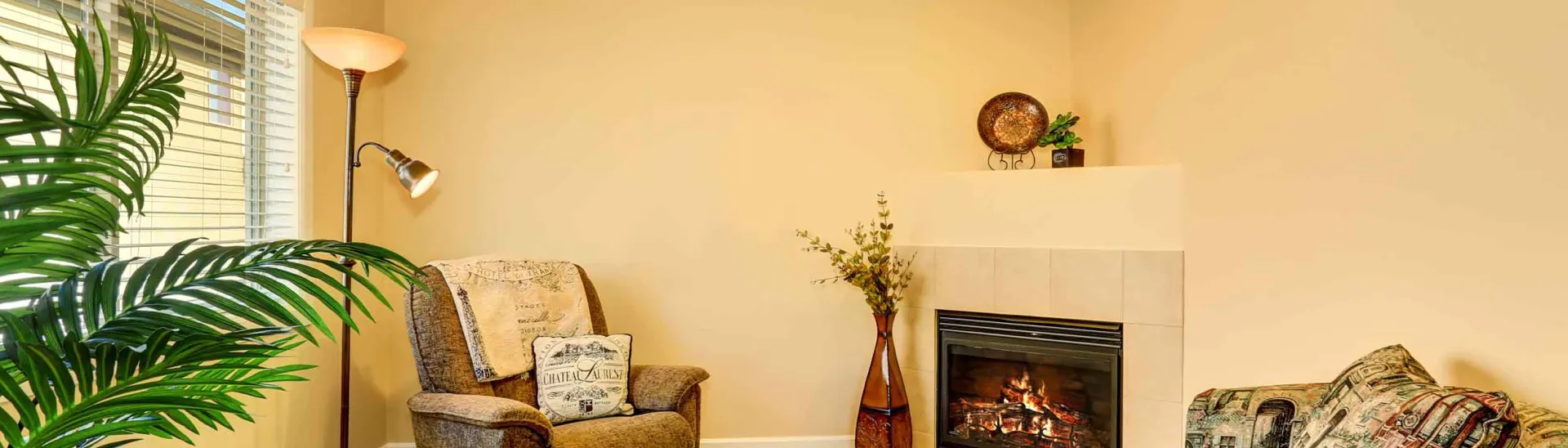
Beige makes a home feel softer and more comfortable. You see it on walls, cushions, curtains, pottery, and even in paintings because it blends so naturally into different spaces. It has a gentle warmth that reminds people of sand, oat milk, linen fabric, and light wooden furniture. Whether you’re repainting a room or trying to mix a custom shade for art, knowing how to make beige colour helps you get a tone that feels just right for your space.
There’s something easy and familiar about beige. It works beautifully in homes because it pairs with almost everything without feeling too cold or too dark. It’s the kind of colour you notice during quiet mornings with coffee, sunlight coming through curtains, or cosy corners filled with soft textures. If you’ve been trying to find the perfect beige colour shade, this guide will help you understand how to create it more naturally.
Beige Colour Composition
Beige is not a primary colour. It comes from blending other shades together, which is what gives it so much flexibility. Small changes in the mix can completely change how the final colour looks. Some beige shades feel warm and creamy, while others lean more towards soft sand or light taupe. The balance between white, brown, yellow, and sometimes grey is what shapes the final tone. Once you understand how these colours work together, it becomes much easier to mix a beige shade that feels balanced and natural instead of too yellow or too dull.
What Colours Make Beige?
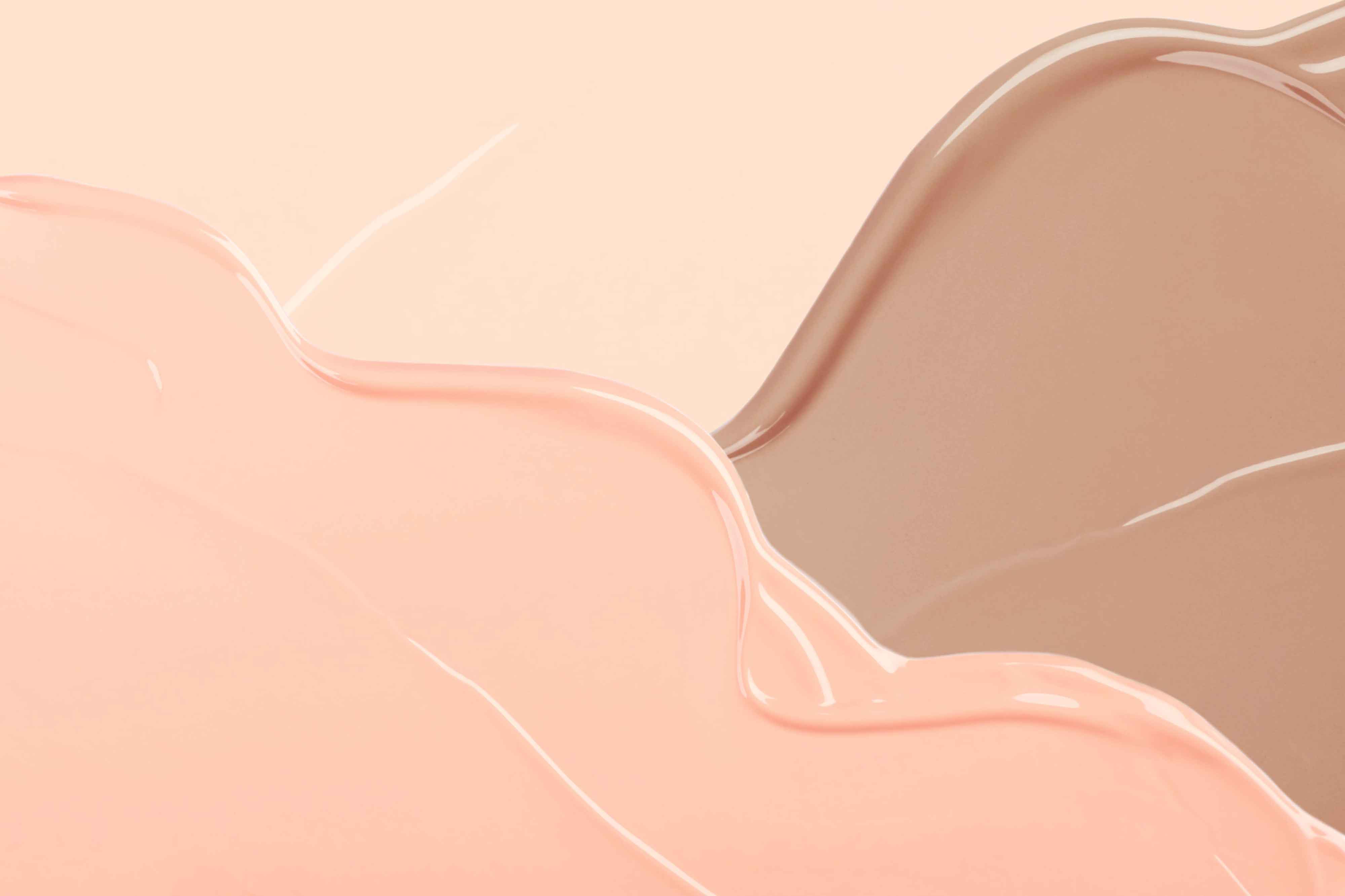
- Beige is usually made by blending white with brown, then adjusting the tone using small amounts of yellow, cream, or even grey, depending on the finish you want.
- The colour becomes softer and more balanced because the lighter shades reduce the sharpness and depth of brown, creating a smoother neutral tone.
- The exact beige you get depends on the colours you begin with. Warm browns and yellows create a cosy beige with golden undertones.
- Grey, muted brown, or cooler shades can make beige feel more modern and subtle. This is why one beige shade can look creamy and warm while another feels soft and sandy.
How to Make Beige Colour?
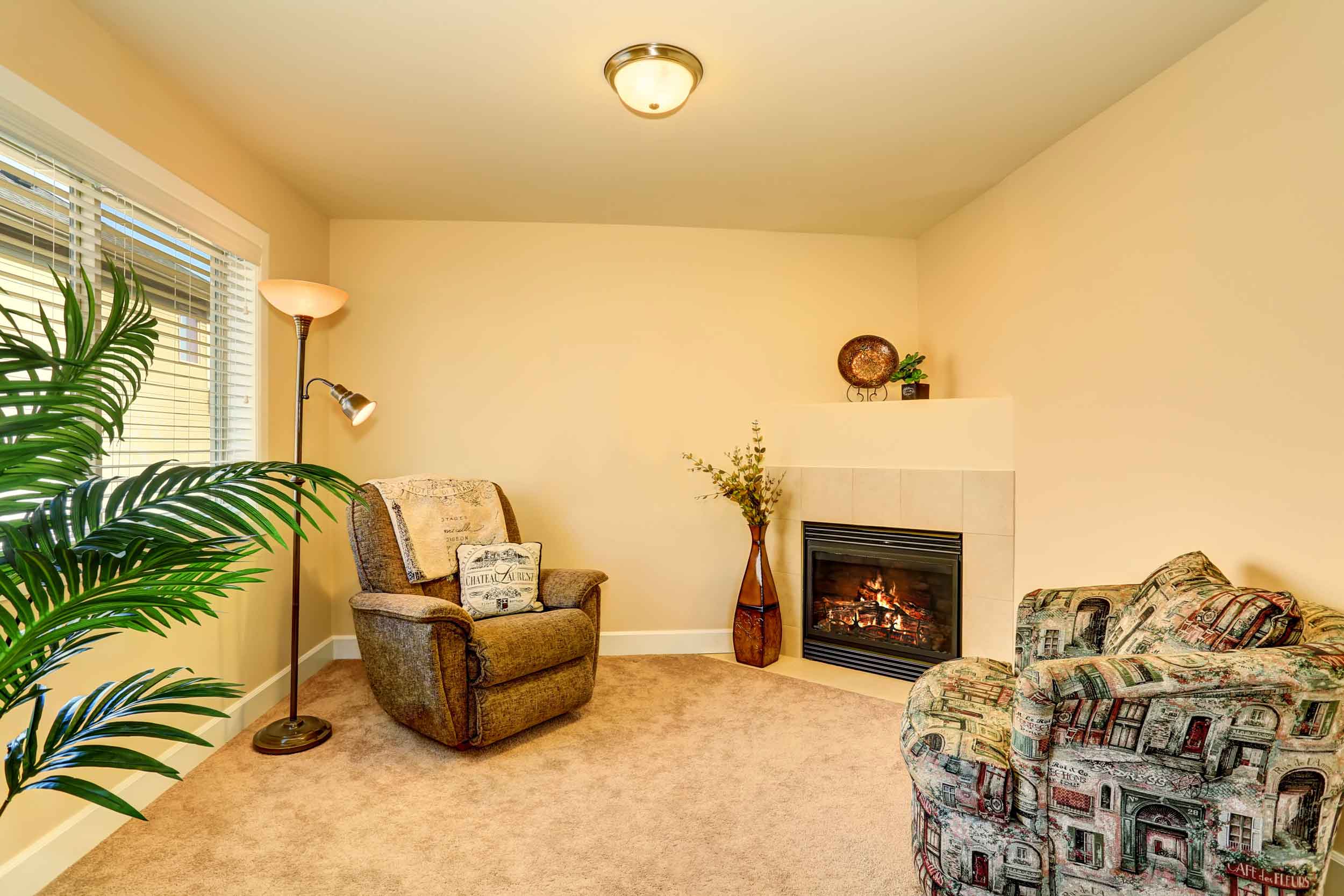
Mixing beige is simpler than most people think. Here’s a step-by-step way to do it:
- Start with white as your base colour on a palette or mixing tray.
- Add a small amount of brown to create the soft neutral base that gives beige its earthy look.
- Mix thoroughly until the colour looks smooth and even with no streaks left behind.
- Check the tone carefully. If the beige looks too warm, add a tiny touch of grey or white. If it feels too dull, a little yellow can bring back warmth.
- Adjust slowly and keep testing the colour in small amounts instead of adding too much at once.
The beige shade you create depends on the colours you begin with. Warm browns and creamy yellows usually create a cosy beige with sandy undertones. Cooler browns and muted greys can make beige feel softer and more modern. So, how do you make beige colour look balanced and natural? It usually comes down to choosing the right undertones and adjusting them gradually.
What Two Colours Make Beige Colour?
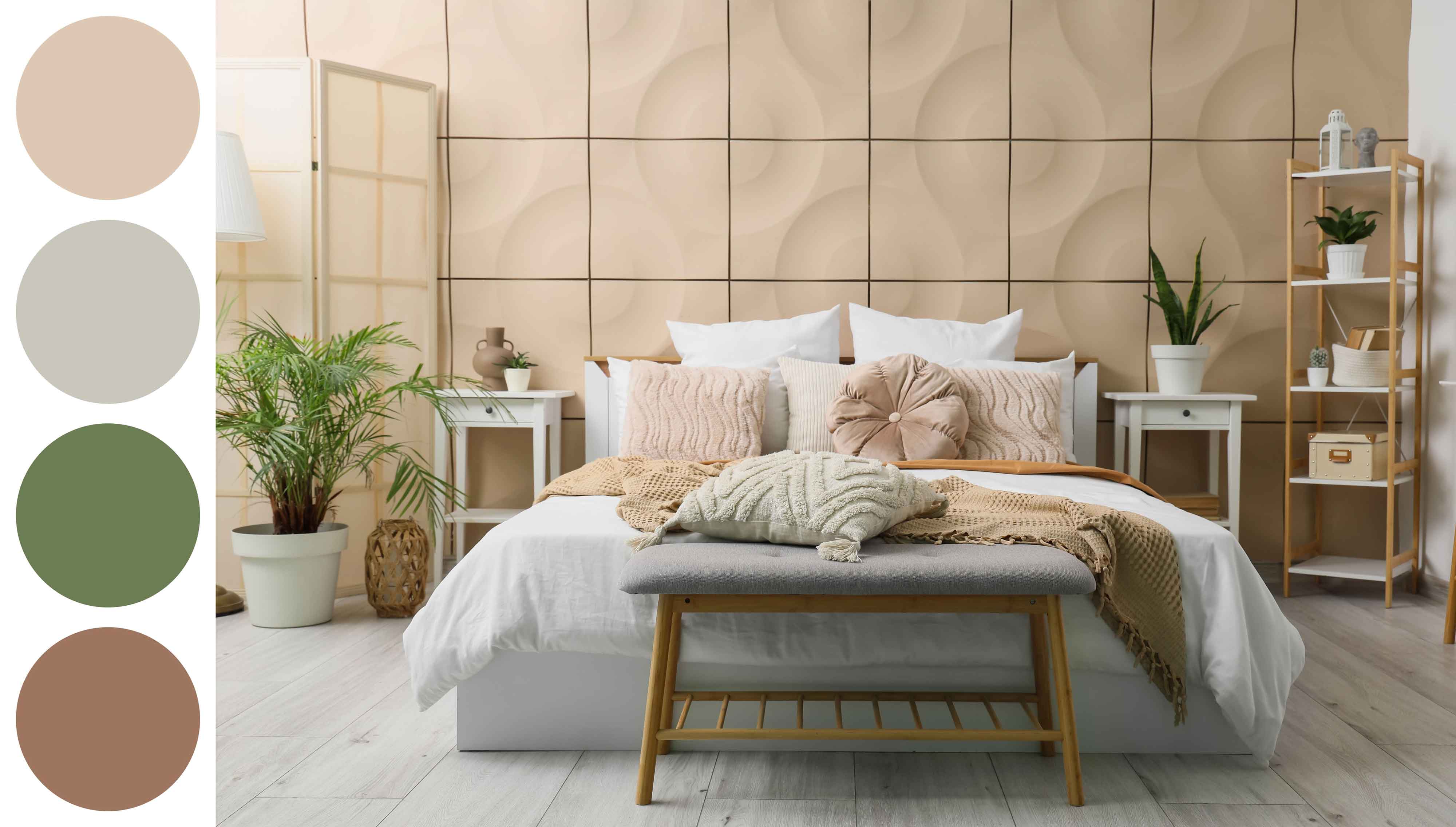
Different combinations of white and brown can create a unique beige colour shade, depending on the kind of undertone you want. Some mixes feel warm and creamy, while others look softer and more muted.
| Colour Combination | Beige Tone Produced |
|---|---|
|
White + Light Brown |
Warm, classic beige |
|
White + Sandy Brown |
Soft beige with earthy warmth |
|
White + Taupe Brown |
Cool and muted beige |
These colour combinations work because white softens the depth of brown and turns it into a lighter, more balanced neutral. Small changes in the brown shade can completely change how the final beige colour looks on walls, décor, or artwork.
How to Make Beige Colour by Mixing Two Colours
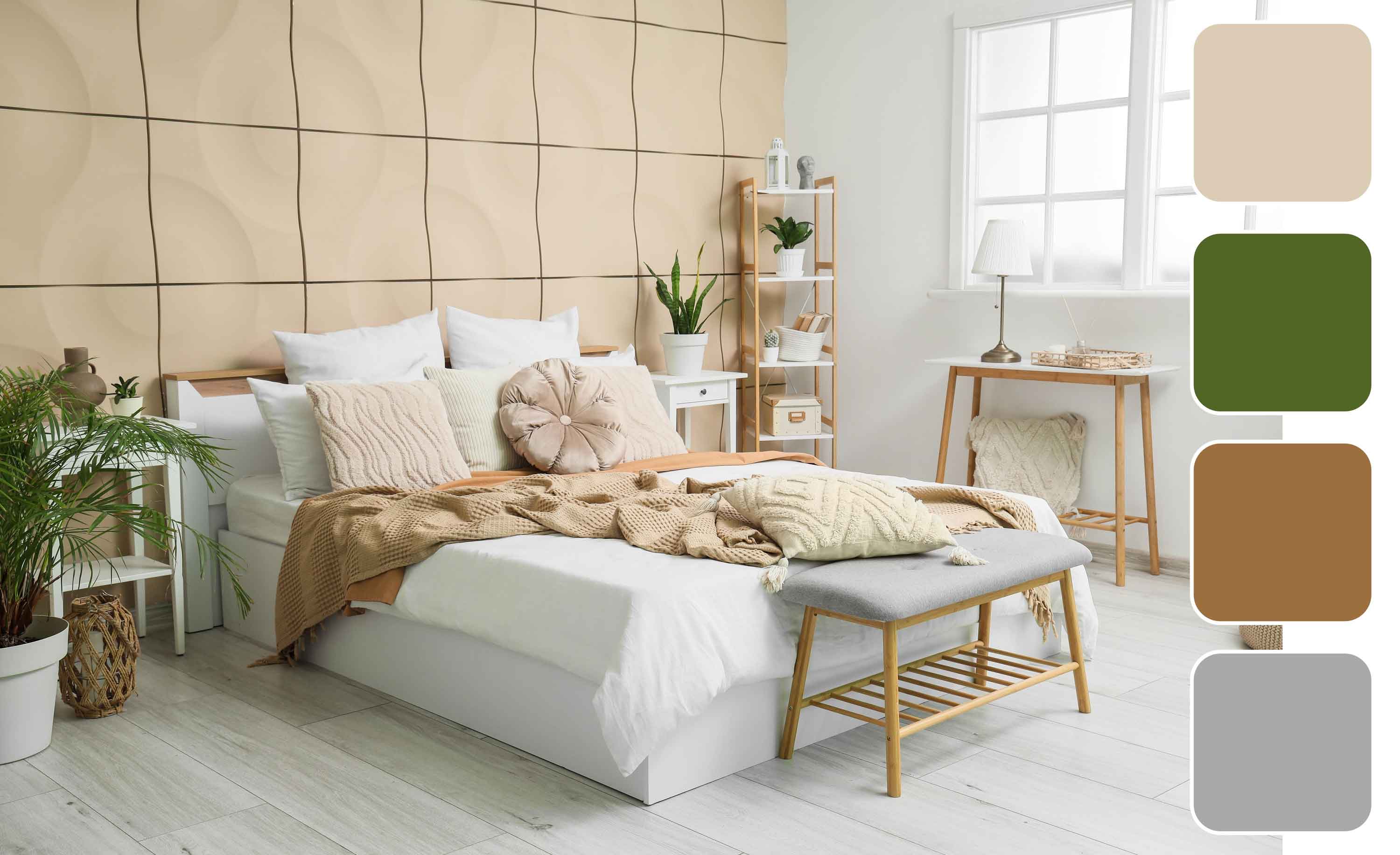
The ratio you use while mixing beige makes a noticeable difference to the final shade. A balanced mix of white and light brown usually gives you a neutral beige to begin with, but changing the proportions can shift the colour completely. More brown creates a deeper and warmer beige, while extra white makes the shade feel softer and lighter.
For warm beige tones, use creamy whites and warmer browns with hints of yellow underneath. If you want a cooler beige that feels more subtle and modern, choose muted browns or taupe shades and increase the amount of white slightly. These small changes are what create the wide range of beige shades people use in homes and artwork.
| Ratio | Dominant Colour | Result |
|---|---|---|
|
50:50 |
Equal parts |
Soft neutral beige with a balanced tone |
|
60:40 |
Brown |
Warmer beige with earthy depth |
|
70:30 |
White |
Light, airy beige with a softer finish |
How to Make Light Beige Colour
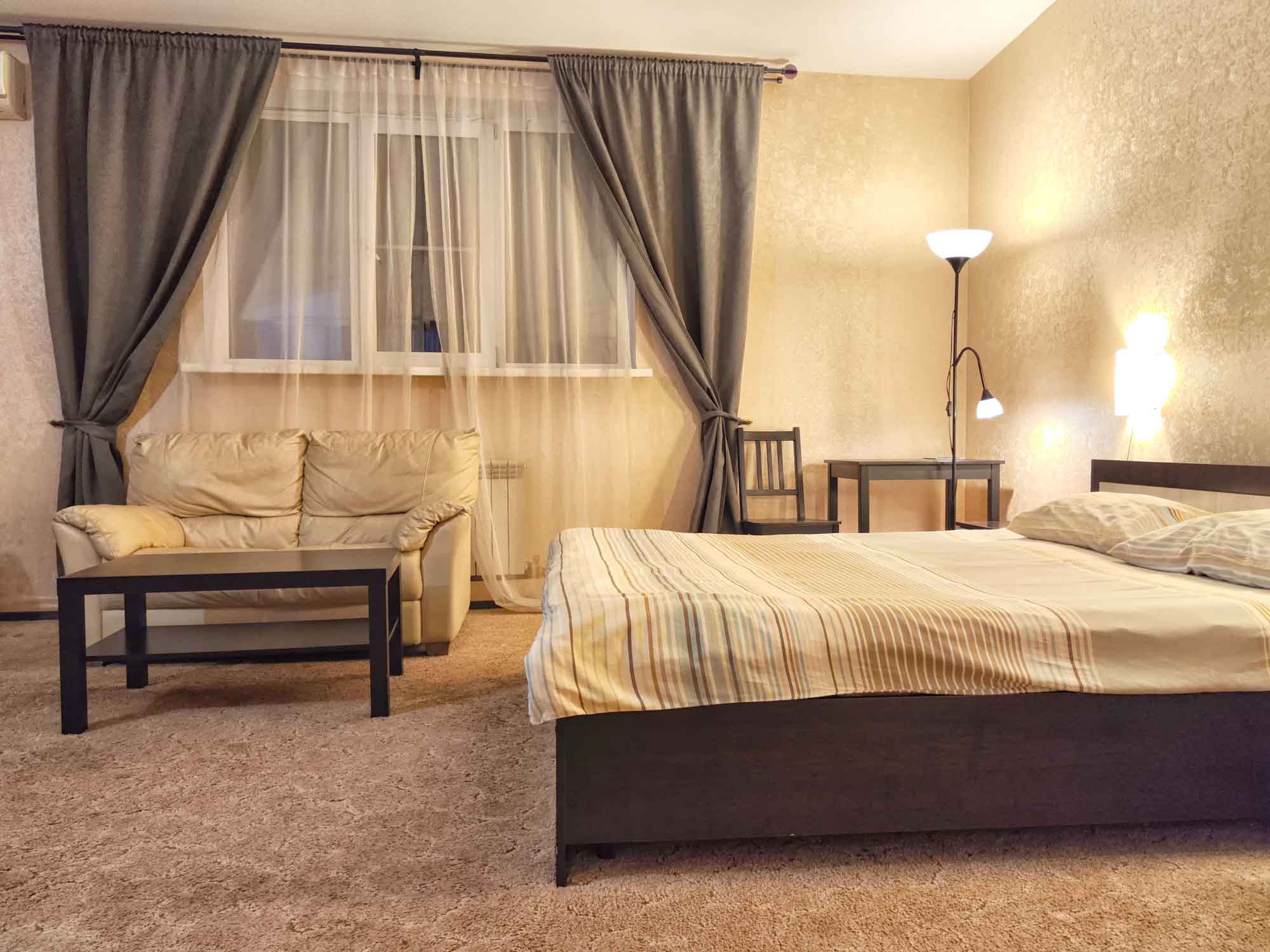
Once your base beige is ready, making it lighter is quite simple. Add white slowly and mix properly after each small addition so the colour stays smooth and even. The final light beige shade feels soft, calm, and open, which is why it works so well in bedrooms, living rooms, and smaller spaces that need a little brightness.
A lighter beige on the walls creates warmth without making the room feel dark or heavy. It also works beautifully with natural wood, soft fabrics, and neutral décor, giving the space a relaxed and comfortable look throughout the day.
How to Make Dark Beige Colour
To create a darker beige shade, add a little more brown to your mix or introduce a tiny amount of muted black to deepen the tone. Dark beige has more richness and depth compared to lighter versions, which makes it work beautifully in cosy interiors and accent walls. Some popular dark beige shades to explore include:
- Copper Grille – Warm beige with earthy copper undertones
- Down to Earth – A grounded beige with a soft, natural look
- Cabin Log – Deep beige inspired by wood and rustic textures
- Solid Wood – A richer beige with a slightly darker earthy finish
Always darken beige gradually instead of adding too much colour at once. Even a small amount of darker pigment can change the shade quickly, and once the mix becomes too dark, it takes much more effort to soften it again.
How to Adjust Beige Colour Tone
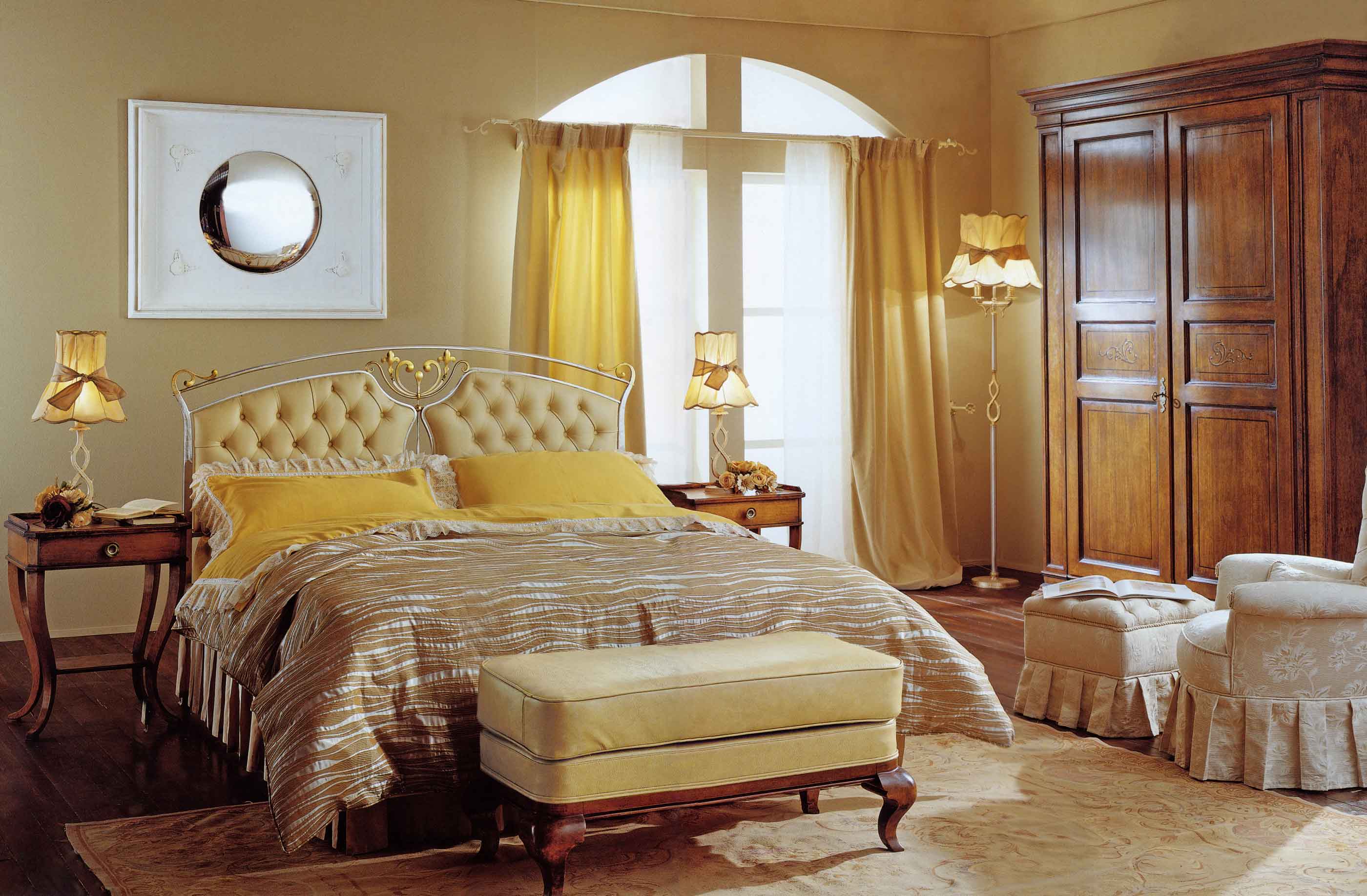
This is where beige starts showing how flexible it can be as a colour. The same beige base can look completely different depending on the tones you mix into it:
- Warm beige – Add a little yellow or creamy brown to give the colour a softer and more welcoming warmth. Works beautifully in living rooms and bedrooms.
- Cool beige – Add a touch of grey or taupe to reduce warmth and create a calmer, more modern look.
- Muted beige – Add a tiny amount of soft brown or grey to tone down the brightness. Muted beige shades feel relaxed and pair easily with different décor styles.
These small colour adjustments make a big difference while mixing beige, especially when you're trying to match existing furniture, flooring, or wall décor around the home.
Popular Beige Shades in Nerolac Paints Colour Catalogue
Nerolac offers different types of beige colour shades that work beautifully across different kinds of interiors. Here are seven shades worth exploring:
1. Yellow Topas Colour Shades
A soft beige with warm sandy undertones that gives rooms a gentle and relaxed feel.
2. Lotus Seed Colour Shades
Light and subtle, this shade brings a calm softness that works beautifully in bedrooms and quiet corners.
3. Bombay Baguette Colour Shades
A balanced beige with creamy warmth that pairs naturally with wooden furniture and neutral décor.
4. Log House Colour Shades
Slightly deeper than classic beige, this shade carries an earthy warmth inspired by natural wood tones.
5. Blended Latte Colour Shades
A cosy beige with coffee-inspired warmth that works beautifully in living rooms and reading spaces.
6. Copper Grille Colour Shades
A richer beige with muted brown undertones that adds depth without making a space feel dark.
7. Down to Earth Colour Shades
Grounded and natural, this shade creates a warm backdrop that feels comfortable and lived in throughout the day.
Ready-Made Beige Colour Options
Mixing your own beige shade can feel rewarding, but it also comes with small challenges like uneven colour batches and constant adjustments while testing tones. Ready-made paints make the process much easier and more reliable.
Here’s why many people prefer them:
- Consistency: The shade stays uniform from one batch to another, which is difficult to achieve with hand-mixed colours.
- Time-saving: There’s no need to keep adjusting white, brown, or yellow ratios again and again. You simply choose the shade and start painting.
- Better finish: Ready-made paints are designed for smoother coverage, stronger durability, and a cleaner finish across different wall surfaces.
Instead of mixing beige from scratch, you can explore Nerolac’s ready-made beige shades directly:
- Yellow Topas
- Bombay Baguette
- Blended Latte
- Down to Earth
These shades are professionally formulated to look balanced under different lighting conditions and across different wall textures. You can also use Nerolac’s Colour Visualiser tool to see how these beige shades may look in your room before painting begins.
Why Beige Colour Looks Different on Walls
You might choose a beige shade in the store and still notice it looking slightly different once it’s painted on your walls. That usually happens because of a few simple factors:
- Lighting – Beige changes quite a bit under different kinds of light. Natural daylight can make it look softer and warmer, while cooler artificial lights may bring out grey or muted undertones.
- Surface texture – Smooth walls usually show beige evenly, but textured walls change the way light falls across the surface. Some areas catch more light while others stay slightly shadowed.
- Paint finish – Matte finishes absorb more light, which can make beige appear deeper and softer. Satin or glossy finishes reflect light and may make the colour look lighter.
Always test a small patch on your actual wall before finalising the colour. Checking it during different times of the day gives you a much clearer idea of how the beige will actually look in your space.
Common Mistakes to Avoid When Mixing Beige Colour
- Adding too much yellow – Extra yellow can make beige look patchy or overly warm instead of soft and balanced.
- Using the wrong ratios – Too much brown or too much white can quickly push beige in the wrong direction and make the shade look uneven.
- Skipping a sample test – Mixing a large batch without first checking a small sample on the wall often leads to colour surprises that are difficult to correct later.
Mixing Beige Colour for Wall Paint vs Wall Art
Wall paint and canvas painting work quite differently when it comes to mixing beige. For walls, consistency matters more than experimentation because you need the same shade across larger surfaces and multiple paint batches. Keeping the white, brown, and yellow ratios steady helps the beige look even throughout the room without visible colour changes from one wall to another.
Artwork gives you much more freedom to experiment with beige tones. Small touches of sandy brown, muted yellow, taupe, or soft grey can completely change the mood of the colour on canvas. These slight variations often make beige feel more natural and hand-mixed instead of perfectly uniform.
Where to Use Beige Colour
Beige works beautifully in different parts of a home, but the shade you choose should match the mood and purpose of the space. Here’s a simple guide to help you pick the right beige tone for different rooms.
| Room | Best Beige Shade | Placement |
|---|---|---|
| Living Room | Blended Latte, Yellow Topas | Feature wall or full room |
| Bedroom | Lotus Seed, Bombay Baguette | All walls or accent wall |
| Kitchen | Down to Earth, Copper Grille | Cabinets or backsplash |
| Balcony | Log House, Down to Earth | Full wall or border |
Beige Wall Colour Combinations for Your Home
- Beige and Pink – Soft pink shades against beige walls create a warm and relaxed look that works beautifully in bedrooms and cosy living spaces.
- Beige and Peach – Peach adds gentle warmth to beige and gives the room a light, cheerful feel without looking too bright.
- Beige and White – A timeless combination. White décor and trims help beige walls feel fresh, clean, and balanced.
- Beige and Red – Deep red accents bring richness and contrast to beige, creating a space that feels warm and inviting.
How Nerolac Paint Can Help Your Walls with Beige Colour
Getting beige right on walls depends on more than simply choosing a shade. Nerolac’s painting experts consider lighting, room size, wall texture, and daily use before recommending a beige tone that fits naturally into the space.
Surface preparation also matters, especially for softer neutral shades like beige. Nerolac’s professionals properly prepare and prime the walls to help the colour look smooth, even, and consistent after painting.
Visualise Your Perfect Beige Shade with Nerolac Tools
Before you commit to a shade, it helps to see it, compare it, and know how much of it you'll need. Nerolac makes all three steps simple with a set of tools designed specifically for that process.
Colour Visualiser
Not sure how dark beige will look in your living room? Nerolac Colour Visualiser lets you digitally apply any shade to a space to see it in context. It takes the guesswork out of colour decisions entirely.
Colour Catalogue
You can also browse the full range of beige colour shades organised by tone and finish. The Colour Catalogue makes it easy to compare shades side by side before shortlisting.
Paint Budget Calculator
Once the shade is locked in, the next question is always how much paint to actually buy. Nerolac Paint Budget Calculator works that out for you and gives you a realistic figure. It's a small step that saves you from both the frustration of running short mid-wall and the waste of buying three extra litres you'll never use.
Key Takeaways
- Beige is usually created by mixing white with brown and small touches of yellow or grey.
- To create lighter beige shades, add white gradually while blending evenly.
- Warm, cool, and muted beige tones all come from adjusting the same base shade.
- Ready-made shades like Yellow Topas, Blended Latte, and Down to Earth are useful if you want a consistent finish without mixing.
Nerolac Paints, a leading paint company in India offers a wide range of wall paint colours & painting services & solutions for homes & offices.
-
Best Colour Combination For Walls To Elevate Your Home Interiors Best Colour Combination For Walls To Elevate Your Home Interiors
Intoduction:In 2025, harmonious colour schemes for individuality and…
-
Best Green Colour Combinations for Walls – Schemes & Design Ideas Best Green Colour Combinations for Walls – Schemes & Design Ideas
Introduction:Green has long been a favourite choice in home decor…
-
What Colours Match with Blue? 14 Colour Combinations with Blue for Your Home What Colours Match with Blue? 14 Colour Combinations with Blue for Your Home
Blue is a universally popular colour for décor and design; choosing a colour…
-
Recent Blogs
- Wooden House Design: 8 Kashmiri-Inspired Ideas for Warm and Elegant Homes
- Kashmiri Home Interior Design: 5 Ideas to Bring Kashmir's Beauty Into Your Home
- 7 Beautiful Kashmiri Home Design Ideas Inspired by Noor-e-Kashmir
- Cloud Dancer Colour of the Year – Meaning, Combinations, Interior Ideas and Trends
- How To Make Yellow Colour: Tips for Perfect Wall Paint Shades & Home Décor Ideas
-
Get in Touch
Looking for something else? Drop your query and we will contact you.
FAQs
What colours do I mix to make beige colour?
Beige is usually made by mixing white with brown and sometimes adding a little yellow or grey, depending on the tone you want. Small changes in the mix can make beige look warmer, softer, or slightly cooler.
Why does beige paint look different during the day?
Lighting changes the way beige appears on walls. Natural sunlight often brings out warmth, while cooler lights can make the shade look more muted or grey.
Is beige a good colour for small rooms?
Yes, lighter beige shades can make smaller rooms feel brighter and more open without making them feel cold. They also work well with natural textures and neutral décor.
Can beige work with modern interiors?
It can work beautifully in modern homes, especially with cooler or muted beige shades. Pairing beige with black accents, wood, or soft grey tones usually creates a clean and balanced look.
Should I choose warm beige or cool beige for my walls?
That depends on the mood you want in the room. Warm beige feels cosy and relaxed, while cool beige gives spaces a softer and more contemporary feel.
-

Friday Colour to Wear – Lucky Colours, Astrology Meaning, Outfit & Wall Colour Guide Previous Blog Friday Colour to Wear – Lucky Colours, Astrology Meaning, Outfit & Wall Colour Guide -

How To Make Blue Colour: Tips for Perfect Wall Paint Shades & Home Décor Ideas Next Blog How To Make Blue Colour: Tips for Perfect Wall Paint Shades & Home Décor Ideas
Get in Touch
Looking for something else? Drop your query and we will contact you.
Latest Happenings in the Paint World
Get some inspiration from these trending articles



Popular Post
Popular Searches
What’s Trending in Bedrooms
Explore Trending Living Room Ideas
- Living Room Colour Combination
- Modern Two Colour Combination for Living Room
- Wall Texture for Living Room
- Vastu Colours for Living Room
- Wall Texture Design for Living Room
- Living Room Paint Ideas
- Living Room Design Ideas
- Paint Colour Ideas for Living Room
- Living Room TV Wall Designs
- Green Living Room Walls
Kitchen Ideas People Love
Explore Trending Ceiling Ideas
Study Room Ideas in Demand
Explore Wall Paint Categories
Handpicked Colour Inspirations
- Accent Wall Design
- Bedroom Design Ideas
- Exterior Wall Colour Design Ideas
- Interior Wall Colour Design Ideas
- Kitchen Design Ideas
- Living Room Interior Design
- Geometric Wall Design Ideas
- Home Colour Combination Ideas
- Home Décor Ideas
- Mural Wall Paint Design Ideas
- Office Space Design Ideas
- Puja Room Design Ideas
- Texture Design Ideas
- Festival Painting Ideas
- Paint Colour Chart
- Wall Painting Designs
- Wood Wall Décor Ideas
- Mural Wall Paint Design
- Hall Design Ideas
- Gate Colour Design
- Exterior Wall Colour Design
- Door Colour Design Ideas
-
 Get in Touch
 -
Store Locator
-
 Download App
×
Get in Touch
Looking for something else? Drop your query and we will contact you.

