


Trending Pooja Room Designs: Modern & Wooden Mandir Ideas for Your Home
Published: 30 Jun 2022 | Modified: 28 Oct 2026
Quick Summary
Trending pooja room designs for modern homes favour compact wooden mandir units, backlit jaali panels, marble or stone backdrops and warm, calm wall colours. A modern wooden mandir design suits apartments where space is limited, while larger homes can create a dedicated pooja room. Choose wooden pooja unit designs with storage, good ventilation, Vastu-friendly placement and easy-to-clean finishes for everyday worship.

Create Your Dream Home With Our Painting Experts
Fill the form below to book a free site evaluation by Nerolac Nxtgen painting Services expert
TABLE OF CONTENTS
A soft bell, a warm lamp, and a corner that steadies your day. The right Pooja Room Design can turn a few quiet minutes into a ritual that anchors the whole home. Whether you are working with a compact flat or a roomy living area, smart choices in layout, light, and storage make all the difference.
This guide walks you through the latest pooja room designs, helps you pick a timeless Wooden Mandir Design, and shows how to plan wall or corner setups that feel serene and look refined. From fluted panels to backlit stone, from neat drawers to cable-tidy niches, you will find ideas that balance devotion and design so your shrine feels personal, practical, and beautifully modern.
What Are the Latest Pooja Room Designs for Modern Homes?
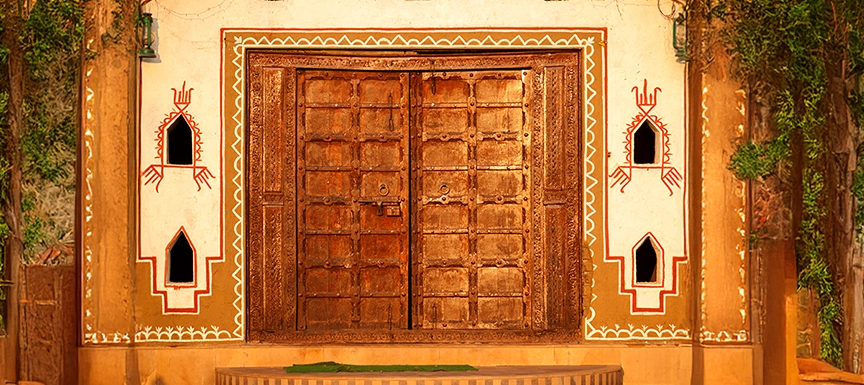
The newest ideas focus on serenity, smart space use, and quick upkeep. Minimal lines, warm textures, and soft lighting help your Home Pooja Room Design feel calm without looking heavy. Popular trends include compact wall-mounted shrines, slender lattice screens to mark the zone, and stone or wood back panels that frame the idols.
You will also see fluted wooden battens, ribbed glass shutters for a gentle glow, and CNC-cut jali patterns. Backlit marble or quartz lends a temple-like aura while staying practical. For small flats, floating units keep the floor free and make cleaning simple. A half-height partition with a slim ledge for flowers gives privacy without blocking views.
Which Materials Are Popular in Latest Pooja Room Designs?
Choose materials that age well and handle heat from diyas. Teak or sheesham gives strength and rich grain, while engineered wood with veneer controls cost. Water-based polish is low odour and easy to refresh. For stone, marble, granite, quartz, and Kota are common, with a honed finish to resist stains.
Brass and copper details add tradition. Brushed finishes hide fingerprints. Ribbed glass softens light and offers privacy in compact apartments. Behind the diya, use ceramic tile or stone to manage heat and soot.
Also Read: Perfect Mandir Design for Your Wall Pooja Room
How to Choose the Perfect Wooden Mandir Design for Your Home?
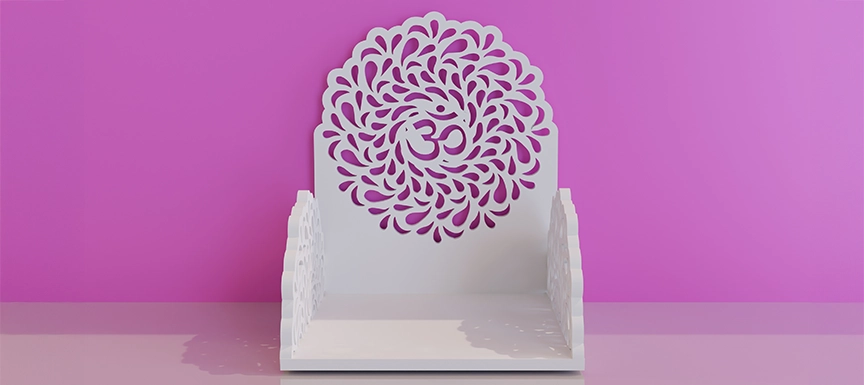
Start with your routine. If you stand during aarti, mount the shrine at chest level. If you sit on the floor, a low plinth with a cushioned asana is better. Measure the area, note switches and windows, and ensure airflow to disperse smoke. Add a small shelf for matches and camphor to keep the main surface clear.
Let style follow your interiors. If your living room is contemporary, pick simple mouldings and subtle arches. If you prefer classic detail, a small shikhara can look elegant. Treat the mandir like furniture so the Pooja Room Interior Wall Design feels integrated.
Plan lighting early. Use a warm LED strip behind the back panel, a tiny focus light above the idols, and a separate switch for the diya zone. A shallow drawer for incense, kumkum, and wicks keeps daily items within reach. This calm, practical approach leads to the Best Pooja Room Design for your household.
What Are the Best Wooden Mandir Designs for Small Spaces?
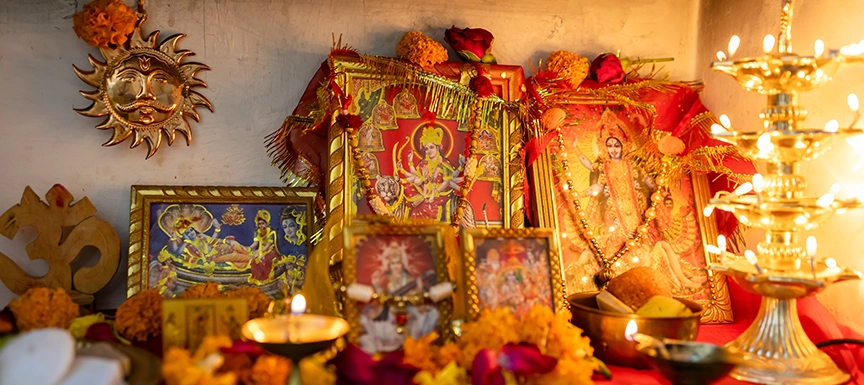
Small homes can have a full, graceful setup. Try a floating cabinet with slim shutters and a stone or tile back that handles heat. A pull-out aarti tray lets you light the lamp and slide it in after prayer. If the entry passage is wide, a compact niche with a lattice door can fit without blocking movement.
Corners are valuable. A triangular stack with a curved front works in tight spots. A wall-mounted box with sliding glass protects idols in rented homes where you prefer minimal drilling. For studios, a fold-away unit hides the shrine when not in use.
Also Read: Top 10+ Small Pooja Room Design Ideas
What Are the Most Popular Home Pooja Room Designs?
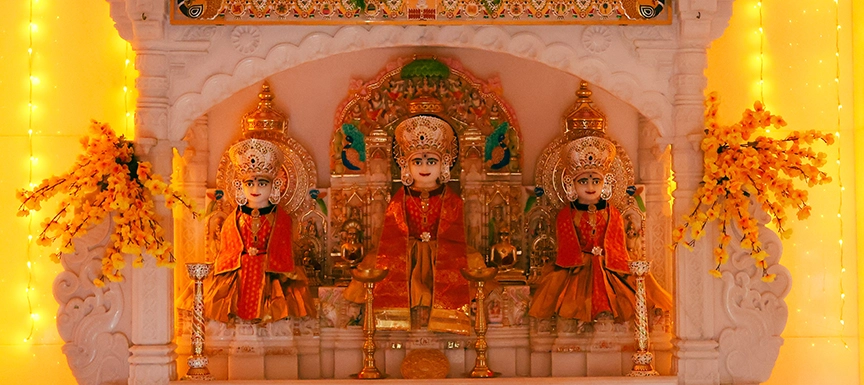
A wall niche with a stone back and a brass bell hook feels refined and is easy to clean. A glass-partitioned alcove inside the living room offers privacy without eating floor area. Some homes adapt the side of the dining room for worship, using a slim partition that also displays diyas and tiny frames.
If you enjoy craft and texture, a jali screen in wood or MDF, painted in soft ivory, gives a gentle temple vibe. In high-use homes, a plain quartz slab as the main top wears better than porous stone. Families with children often prefer soft-close hardware and rounded edges on the plinth. This mix of function and feeling defines a practical Puja Room Design.
How to Select a Pooja Room Design That Complements Interior Décor?
Begin with palette and metal. Repeat one wood tone and one metal finish that already appear in your home. If your interior has grey sofas and oak tables, an oak-finish mandir with brushed brass knobs will sit naturally. If your home features black accents, use them lightly on the frame while keeping the inner panel warm and light. Match shapes next. If furniture has soft curves, choose arched frames rather than sharp rectangles. If your home is about straight lines, a neat box with a fluted back will feel consistent. Keep patterns small in small rooms, and avoid busy surfaces behind the idols. Choose one focal feature and keep everything else simple.
What Are the Advantages of a Modern Pooja Room Design?
Modern planning saves space, streamlines cleaning, and keeps essentials organised. Wall-mounted units free floor area and make the room feel larger. Concealed wiring keeps the view tidy and safer around the lamp. Modular shelves allow easy rearrangement during festivals.
Lighting is a major gain. A layered plan gives a gentle evening glow, brighter light for photos, and a focused beam for the idols. With careful material choices, the surface near the diya resists stains, and drawers close softly.
Also Read: 12 South Indian Traditional Pooja Room
Can Modern Designs Include Smart Storage for Pooja Essentials?
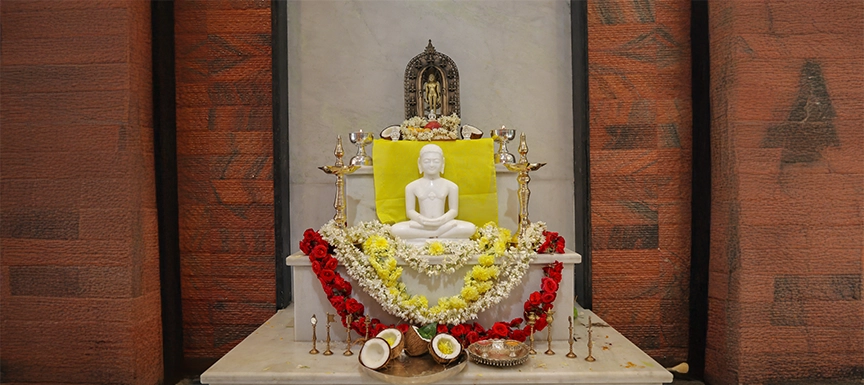
Yes. Borrow ideas from kitchen planning. Use a narrow pull-out for oil bottles and matchboxes, and a shallow tray for aarti thalis. Fit a grid to separate kumkum, haldi, chandan, and agarbatti. A vertical slot keeps granth or prayer books upright. Add a small concealed cubby for spare wicks and fuses.
Cable management matters. A tidy grommet hides wires for diyas, bells, or a soft aarti chime. If you use incense cones, add a tiny stone tile as a heat-safe pad. Where smoke builds up, a discreet vent or a small exhaust in the upper panel helps.
How to Plan the Best Pooja Room Design in Wall or Corner Spaces?
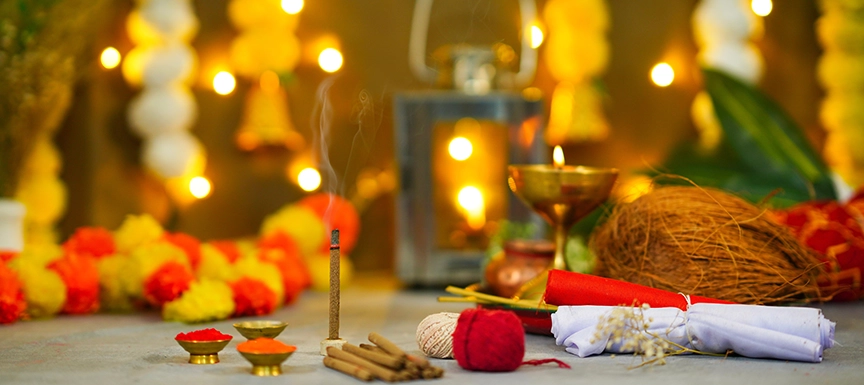
Begin with a quick sketch. Mark heights for idols, lamp position, and switch points. Keep one clear surface for the aarti plate and ensure elbow room in front of the unit. In tight apartments, a wall-alcove shrine above a low shoe cabinet near the entry can work if the area stays clean and quiet. Many households prefer the north-east zone, but comfort and safety should lead the choice.
For a Pooja Room Design In Wall niches, set a durable back panel and a shallow stone top. Teak or a good veneer with a heat-resistant finish lasts well. Plan a tiny ledge for incense so ash does not fall on idols. In corner layouts, a curved front softens the look and reduces bumps. Keep the unit away from draughts that can affect the lamp.
Think through lighting and sound. A separate switchboard next to the unit is safer. If you chant with soft music, place the speaker on a small shelf, not beside the lamp. During festivals, a removable extension shelf can hold extra diyas.
Also Read: Top 10+ Pooja Room Door Design Ideas
How to Choose the Right Placement for a Pooja Mandir?
Pick a spot that feels calm and is easy to reach daily. Avoid zones with constant TV noise or strong cooking fumes. Ensure the lamp is clear of curtains and paper decor. If children play nearby, use tempered glass and rounded corners. Where sunlight is harsh, sheer curtains soften glare.
Many families follow Vastu practices such as facing east for the idols. Follow what you value and pair it with good airflow and posture. If mornings are your prayer time, place the unit where soft daylight reaches it. If evenings are your focus, plan warm, dimmable lights and a comfortable stool. A good Home Pooja Room Design supports your rhythm.
Key Takeaways
- Wooden mandir units remain the most popular choice for compact Indian homes.
- CNC jaali panels with soft backlighting add a modern, elegant touch.
- Place the mandir in the north-east corner as per Vastu where possible.
- Choose calm wall colours like ivory, pale yellow or soft saffron behind the unit.
- Built-in drawers and shelves keep diyas, incense and puja items organised.
- Protect wood with a quality wood finish that resists oil, smoke and heat marks.
Nerolac Paints, a leading paint company in India offers a wide range of wall paint colours & painting services & solutions for homes & offices.
-
Best Colour Combination For Walls To Elevate Your Home Interiors Best Colour Combination For Walls To Elevate Your Home Interiors
Intoduction:In 2025, harmonious colour schemes for individuality and…
-

What Colours Match with Blue? 14 Colour Combinations with Blue for Your Home What Colours Match with Blue? 14 Colour Combinations with Blue for Your Home
Blue is a universally popular colour for décor and design; choosing a colour…
-
What Are The Different Types Of Paint For Home And Interior Walls? What Are The Different Types Of Paint For Home And Interior Walls?
Introduction:When it comes to home decor, nothing transforms a room as…
-
Recent Blogs
- Wooden House Design: 8 Kashmiri-Inspired Ideas for Warm and Elegant Homes
- Kashmiri Home Interior Design: 5 Ideas to Bring Kashmir's Beauty Into Your Home
- 7 Beautiful Kashmiri Home Design Ideas Inspired by Noor-e-Kashmir
- Cloud Dancer Colour of the Year – Meaning, Combinations, Interior Ideas and Trends
- How To Make Yellow Colour: Tips for Perfect Wall Paint Shades & Home Décor Ideas
-
Get in Touch
Looking for something else? Drop your query and we will contact you.
FAQs
What are the latest pooja room designs for modern homes?
Current pooja room designs combine traditional symbolism with clean lines. Popular choices include wall-mounted wooden mandirs, sliding jaali doors, backlit onyx or marble panels, and floating shelves with brass bells. Many homes use a textured accent wall or a gold-toned stencil behind the idols. Warm LED strip lighting replaces heavy fixtures for a serene, uncluttered look.
How do I choose a wooden mandir design for home?
Measure the available wall or corner space first, then decide between a wall-mounted, floor-standing or cabinet-style mandir. Consider how many idols and frames you need to place, and choose enough depth for diyas to burn safely. Teak, sheesham and engineered wood with veneer are common options. Ensure the finish is heat resistant and easy to wipe.
Which wooden pooja unit design is best for small apartments?
For small apartments, a wall-mounted wooden unit with foldable doors or a compact corner mandir works best. Designs with a pull-out tray for puja thalis and a lower drawer for storage save space. Light wood tones such as oak or ash keep the area visually open, and shutters let the unit blend into the living room when closed.
What wall colour suits a pooja room?
Soft, uplifting colours such as ivory, cream, pale yellow, light saffron and pastel peach suit a pooja room. They reflect diya light beautifully and create a calm atmosphere. Avoid very dark or harsh shades. A subtle metallic or textured accent behind the idols adds richness, while a washable finish helps remove soot and oil marks over time.
What are the Vastu tips for placing a mandir at home?
Vastu recommends placing the mandir in the north-east corner, with the person praying facing east or north. Avoid positioning it under a staircase, against a bathroom wall, or directly in the bedroom. Idols should be slightly above floor level, ideally at chest height when seated. Keep the area clutter free, well lit and ventilated.
How do I maintain a wooden mandir and pooja room walls?
Wipe the wooden mandir weekly with a soft dry cloth and avoid harsh chemical cleaners. Place diyas on metal plates to prevent heat and oil damage to the wood. Ventilate the room to limit soot build-up on walls, and clean painted surfaces gently with mild soapy water. Refresh wood polish periodically to maintain its sheen.


Get in Touch
Looking for something else? Drop your query and we will contact you.
Latest Happenings in the Paint World
Get some inspiration from these trending articles




Popular Post
Popular Searches
What’s Trending in Bedrooms
Explore Trending Living Room Ideas
- Living Room Colour Combination
- Modern Two Colour Combination for Living Room
- Wall Texture for Living Room
- Vastu Colours for Living Room
- Wall Texture Design for Living Room
- Living Room Paint Ideas
- Living Room Design Ideas
- Paint Colour Ideas for Living Room
- Living Room TV Wall Designs
- Green Living Room Walls
Kitchen Ideas People Love
Explore Trending Ceiling Ideas
Study Room Ideas in Demand
Explore Wall Paint Categories
Handpicked Colour Inspirations
- Accent Wall Design
- Bedroom Design Ideas
- Exterior Wall Colour Design Ideas
- Interior Wall Colour Design Ideas
- Kitchen Design Ideas
- Living Room Interior Design
- Geometric Wall Design Ideas
- Home Colour Combination Ideas
- Home Décor Ideas
- Mural Wall Paint Design Ideas
- Office Space Design Ideas
- Puja Room Design Ideas
- Texture Design Ideas
- Festival Painting Ideas
- Paint Colour Chart
- Wall Painting Designs
- Wood Wall Décor Ideas
- Mural Wall Paint Design
- Hall Design Ideas
- Gate Colour Design
- Exterior Wall Colour Design
- Door Colour Design Ideas
-
 Get in Touch
-
Store Locator
-
 Download App
×
Get in Touch
Looking for something else? Drop your query and we will contact you.

