

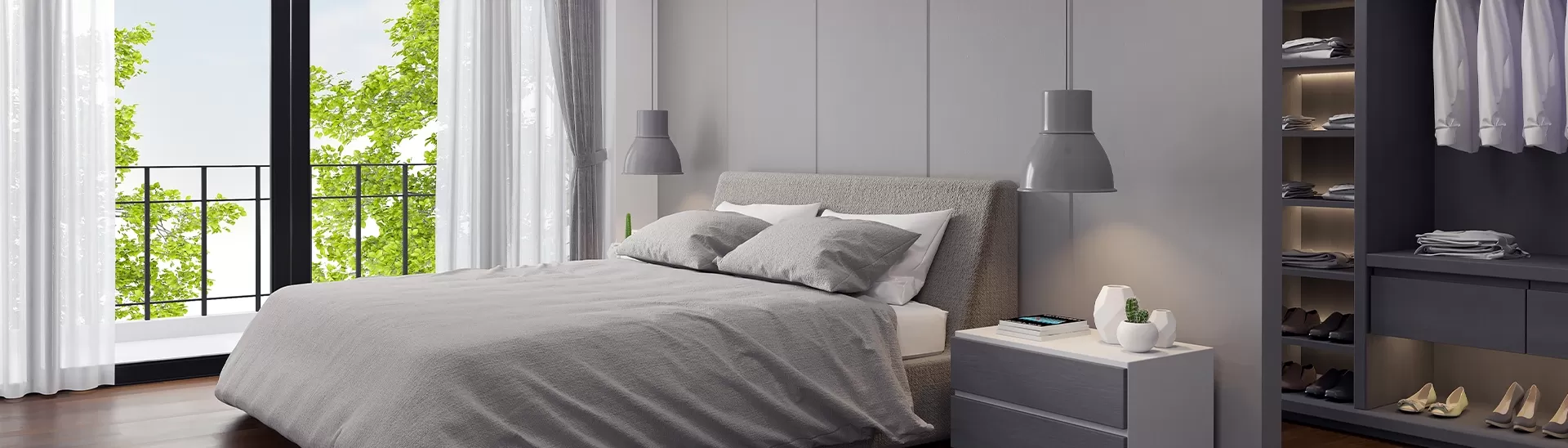
Trendy Clothes Cupboard Designs for Stylish Bedroom
Published: 23 Oct 2024 | Modified: 28 Aug 2026
Quick Summary
A well-planned clothes cupboard design can combine practical storage with a stylish bedroom aesthetic. From two-tone doors and soft colour blocking to timber reveals, mineral greens, blues, and fluted details, there are several ways to refresh a wardrobe. For small cupboards for clothes, carefully placed bold colours, vertical details, slim hardware, and lighter surrounding surfaces can make the room feel balanced and spacious. Choosing the right finish, preparing the surface properly, and coordinating the cupboard with the bedroom’s existing colours and wood textures can also improve the final look.
Create Your Dream Home With Our Painting Experts
Fill the form below to book a free site evaluation by Nerolac Nxtgen painting Services expert
TABLE OF CONTENTS
What Makes a Cupboard Design Stylish for a Modern Bedroom?
A stylish cupboard for clothing is more about proportion and detail than heavy ornament. Narrow stiles, consistent door gaps, and concealed hinges help the unit sit quietly in the room. Mirrors or reeded glass on a few panels can ease the visual weight in tight apartments. If you want the timber grain to show, consider clear systems often used on interior woodwork, for example, Wonderwood 2K PU Interior, applied in thin, even coats over well-sanded veneer.
Why is Cupboard Colour for Bedroom Interiors So Important?
Colour sets the pace of the day. The first thing you see after waking and the last thing you notice at night should not feel loud or busy. Lighter fronts make compact rooms feel wider. Slightly darker frames outline the storage without making it look like a block. When a wood texture on a wall is nearby, choose cupboard colours that share the same undertone so the space reads as one cohesive idea rather than separate parts.
Helpful cues:
- Choose two related colours for the doors and trims, then repeat one of them in the bedding.
- Test swatches under morning and evening light, not only under store lights
- Select a sheen that complements your cleaning routine and the room’s natural light.
- Keep hardware slim so colour and grain remain the focus.
What are the Latest Cupboard Painting Ideas for Bedrooms?
Paint can refresh older units without full carpentry. The ideas below are simple to execute with painter’s tape and patient surface prep.
What are the Benefits of Painting Outside of House?
Ideas to try:
- Two-tone doors: Lighter upper panels, slightly deeper lower panels for balance.
- Soft colour blocking: Divide each door into thirds and use gentle tonal shifts rather than sharp contrasts.
- Timber reveal: Paint the central panel and leave a narrow timber border clear-coated.
- Mineral greens and blues: Calming shades that complement walnut, ash, or brushed metal pulls.
- Fluted or slatted add-ons: Thin battens on one pair of doors break up a long run.
- Neighbouring feature surface: A textured wood wall behind the bed echoes the wardrobe trims.
How Can Bold Cupboard Painting Colours Transform Small Cupboards for Clothes?
A small cupboard for clothes can handle bold colour if you apply it carefully. Paint just the stiles, the centre pair of doors, or a slim border in a deeper shade like teal or terracotta, and keep the rest light so the room continues to breathe. Where wardrobe doors experience constant touch, finishing families such as Wonderwood Melmine are frequently chosen by applicators for a clean feel on high-use fronts. Keep the interior neutral to avoid a clash when the doors are open.
Small-space tactics:
- Use bold text vertically to draw the eye upward.
- Keep the skirting and ceiling crisp so the outline looks sharp.
- Choose slimmer handles that do not fight the colour.
- Balance saturated doors with a pale wood texture for wall nearby.
How to Choose the Right Cupboard Colour for Your Bedroom?
Begin with the fixed elements. Floor tone, curtain fabric, bed frame, and existing wall colour usually dictate what will work on your wardrobe.
Simple decision path:
- Decide on mood: restful, airy, or quietly premium.
- Observe daylight across the day in your room.
- Shortlist three door colours that complement the floor and headboard.
- Select one trim tone and one timber accent, such as teak or walnut.
- Paint a full test door off the hinges before committing to the full run.
Also Read: Trendy Wall Cupboard Designs for Bedroom
Which Cupboard Colour Paint Suits Luxury and Premium Styles?
Premium schemes lean on quiet depth rather than obvious contrast. Mushroom, stone, taupe, putty, and soft charcoal complement slim metal pulls and thin timber reveal. Satin is popular in such rooms because it cleans easily yet keeps a gentle glow. Where you prefer a clear finish, thin coats with fine sanding between passes keep the grain crisp and the touch smooth.
Which Cupboard Colour for the Bedroom is Best as per Vastu or Feng Shui?
Many households prefer softer shades for rest. Off-white, cream, pale beige, and muted green colours often appear in bedrooms and generally feel soothing on the eyes at night. If you enjoy deeper tones, consider using them on borders, kick plates, or handles while keeping major door panels light. Orientation and personal comfort vary, so see the colour in your own daylight before making a decision.
How to Apply Cupboard Paint for a Professional Finish?
A professional look is largely about preparation. Even an affordable paint appears premium if the base is flat, clean, and primed correctly.
What is the Step-by-Step Process of Painting a Clothes Cupboard at Home?
Here is the step-by-step process:
- Inspect the surface: Note old coatings, waxy patches, chips, and cracks.
- Remove hardware: Remove handles and hinges; label the doors to ensure clear positions.
- Clean thoroughly: Use a mild degreaser, rinse, and let it dry completely.
- Sand evenly: 180 grit to key the surface, then 240 grit for smoothness; dust off with a tack cloth.
- Fill dents: Use a compatible wood filler, allow it to cure, and sand flush.
- Prime for adhesion: Select a primer suitable for the specific material, such as timber, veneer, or laminate, as applicable.
- De-nib lightly: 320 grit so the colour coat lies flat.
- First colour coat: Apply with a thin, even coat; maintain a wet edge to prevent lap marks.
- Second coat: After full cure, a light sand and a second coat for uniformity.
- Edge protection: Add a compatible clear seal on high-touch edges if needed.
- Reassembly: Refit hardware, adjust hinges, and check for equal reveals.
Also Read: How to Choose the Perfect Wall-to-Wall Almirah Design
Which Paint Lasts Longer, Matte, Glossy, or Satin on Wooden Cupboards?
All three have a place.
- Matte looks calm and hides minor undulations, yet may mark sooner.
- Glossy wipes clean easily and reflects light, though it can show sanding flaws.
- Satin sits in the middle and is widely used on wardrobes because it balances cleaning with a quiet presence.
Longevity depends on preparation, film build, and gentle cleaning with a soft cloth rather than harsh chemicals.
Also Read: 10 Great Kitchen Cabinets Colour Palette
Conclusion: How to Combine Cupboard Design, Paint, and Wood Texture on Walls for a Stylish Bedroom?
Think of the room as a set of linked surfaces. The wooden cupboard for clothes carries the practical load, the paint brings clarity, and the wood texture for wall adds comfort. Choose two related tones for doors and trims, keep hardware slim, and place mirrors or reeded glass only where you need lightness.
Key Takeaways
- A stylish clothes cupboard design focuses on balanced proportions, clean door gaps, concealed hinges, and minimal hardware.
- Lighter cupboard colours can make compact bedrooms appear more spacious, while darker frames can add definition without overwhelming the room.
- Two-tone doors, soft colour blocking, timber reveals, and mineral green or blue shades are useful cloth cupboard design ideas for modern bedrooms.
- Small cupboards for clothes can use bold colours strategically on selected doors, borders, or vertical details while keeping surrounding surfaces light.
- A wooden cupboard design for clothes can be enhanced with a clear finish when you want to retain the natural character and grain of the timber.
- When choosing cupboard colours, consider the bedroom's flooring, curtains, bed frame, wall colour, natural lighting, and overall mood.
- Proper cleaning, sanding, filling, priming, and application of thin, even coats are essential for achieving a professional cupboard paint finish.
- Matte, glossy, and satin finishes each offer different visual and practical benefits, with satin providing a balance between easy cleaning and a subtle sheen.
Nerolac Paints, a leading paint company in India offers a wide range of wall paint colours & painting services & solutions for homes & offices.
-
Best Colour Combination For Walls To Elevate Your Home Interiors Best Colour Combination For Walls To Elevate Your Home Interiors
Intoduction:In 2025, harmonious colour schemes for individuality and…
-
What Colours Match with Blue? 14 Colour Combinations with Blue for Your Home What Colours Match with Blue? 14 Colour Combinations with Blue for Your Home
Blue is a universally popular colour for décor and design; choosing a colour…
-
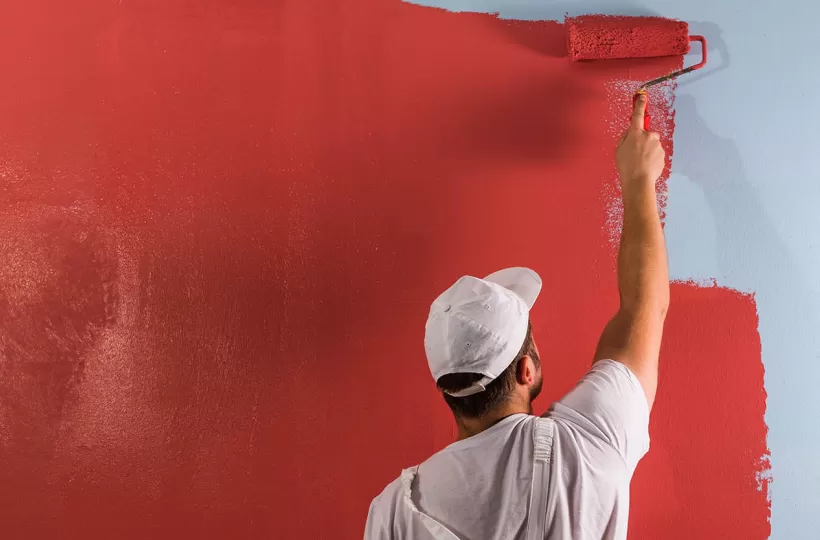
What Are The Different Types Of Paint For Home And Interior Walls? What Are The Different Types Of Paint For Home And Interior Walls?
Introduction:When it comes to home decor, nothing transforms a room as…
-
Recent Blogs
- Cloud Dancer Colour of the Year – Meaning, Combinations, Interior Ideas and Trends
- How To Make Yellow Colour: Tips for Perfect Wall Paint Shades & Home Décor Ideas
- How To Make White Colour: Tips for Perfect Wall Paint Shades & Home Décor Ideas
- How To Make Violet Colour: Tips for Perfect Wall Paint Shades & Home Décor Ideas
- How To Make Turquoise Colour: Tips for Perfect Wall Paint Shades & Home Décor Ideas
-
Get in Touch
Looking for something else? Drop your query and we will contact you.
FAQs
What are the latest clothes cupboard design ideas for modern bedrooms?
Modern clothes cupboard design ideas focus on clean lines, simple proportions, concealed hinges, slim handles, and finishes that complement the rest of the bedroom. Two-tone doors, soft colour blocking, timber reveals, mineral greens and blues, and fluted or slatted details can add visual interest without making the wardrobe look overly decorative.
Which colours are suitable for small cupboards for clothes?
Light colours can help small cupboards for clothes blend into compact bedrooms and make the room feel more spacious. If you prefer a bold look, use a deeper shade such as teal or terracotta on selected door panels, borders, or stiles while keeping the remaining surfaces lighter. This creates contrast without making the cupboard appear too bulky.
What are some stylish cloth cupboard design ideas for bedrooms?
A stylish cloth cupboard design can include two-tone doors, contrasting trims, timber borders, fluted panels, or carefully placed mirrors and reeded glass. The design should complement the bedroom rather than compete with other elements, so slim hardware and coordinated colours can help create a cohesive appearance.
What is a good wooden cupboard design for clothes?
A wooden cupboard design for clothes can retain the natural character of timber by using a clear finish over well-prepared wood or veneer. Alternatively, selected panels can be painted while narrow timber borders remain visible. Matching the wood undertone with nearby flooring, furniture, or wall textures can create a more unified bedroom design.
How can I make a small cupboard for clothes look stylish?
For a small cupboard for clothes, avoid excessive visual detailing and focus on proportion, colour, and hardware. Lighter main panels, vertical design elements, slim handles, and carefully positioned bold accents can make the cupboard look refined. Keeping the ceiling and skirting crisp can also help define the cupboard without making the room feel crowded.
How do I choose the right cupboard colour for my bedroom?
Start by considering the fixed elements of the bedroom, including the floor, curtains, bed frame, wall colour, and existing furniture. Then decide whether you want a restful, airy, or premium mood. Test shortlisted colours in the actual bedroom under morning and evening lighting before selecting the final shade.

Get in Touch
Looking for something else? Drop your query and we will contact you.
Latest Happenings in the Paint World
Get some inspiration from these trending articles


Popular Post
Popular Searches
What’s Trending in Bedrooms
Explore Trending Living Room Ideas
- Living Room Colour Combination
- Modern Two Colour Combination for Living Room
- Wall Texture for Living Room
- Vastu Colours for Living Room
- Wall Texture Design for Living Room
- Living Room Paint Ideas
- Living Room Design Ideas
- Paint Colour Ideas for Living Room
- Living Room TV Wall Designs
- Green Living Room Walls
Kitchen Ideas People Love
Explore Trending Ceiling Ideas
Study Room Ideas in Demand
Explore Wall Paint Categories
Handpicked Colour Inspirations
- Accent Wall Design
- Bedroom Design Ideas
- Exterior Wall Colour Design Ideas
- Interior Wall Colour Design Ideas
- Kitchen Design Ideas
- Living Room Interior Design
- Geometric Wall Design Ideas
- Home Colour Combination Ideas
- Home Décor Ideas
- Mural Wall Paint Design Ideas
- Office Space Design Ideas
- Puja Room Design Ideas
- Texture Design Ideas
- Festival Painting Ideas
- Paint Colour Chart
- Wall Painting Designs
- Wood Wall Décor Ideas
- Mural Wall Paint Design
- Hall Design Ideas
- Gate Colour Design
- Exterior Wall Colour Design
- Door Colour Design Ideas
-
 Get in Touch
 -
Store Locator
-
 Download App
×
Get in Touch
Looking for something else? Drop your query and we will contact you.

