

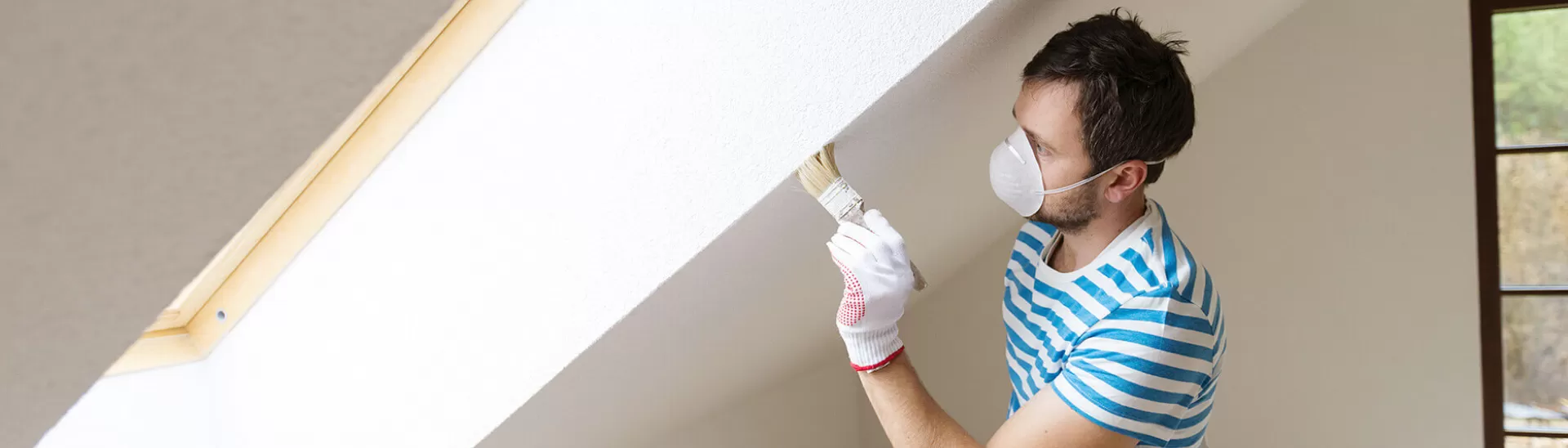
Safe House Painting Tips: How to Ensure a Safe Home Painting Experience
Published: 18 Sep 2018 | Modified: 04 Aug 2026
Quick Summary
Safe house painting starts with choosing high-quality, low VOC, and anti-bacterial wall paints that support a healthy indoor environment. Proper ventilation, lead paint inspection, protective gear, and other essential painting safety precautions help reduce exposure to harmful fumes and bacteria. These safe home painting tips can protect children, elderly family members, and pets while ensuring a cleaner, healthier, and more comfortable living space—and knowing what to check for and when it's safe to move back in makes the whole process far less stressful.

Create Your Dream Home With Our Painting Experts
Fill the form below to book a free site evaluation by Nerolac Nxtgen painting Services expert
TABLE OF CONTENTS
Key Takeaways
- Choose anti-bacterial and low VOC wall paint to support a healthier indoor environment and reduce harmful wall bacteria growth.
- Maintain proper room ventilation during and after painting to minimize exposure to paint fumes and improve indoor air quality.
- Inspect older homes for lead-based paint before sanding or repainting walls to avoid toxic exposure risks.
- Keep children, elderly family members, and pets away from freshly painted rooms until the paint dries completely.
- Follow essential painting safety precautions, including protective gear, covered surfaces, and safe storage of materials, for a safer home painting experience.
- Consider professional Nerolac Paint+ Services for expert guidance and safer interior painting solutions.
- Select washable and fungal-resistant wall paints for easier maintenance and long-term wall protection.
Nerolac Paints, a leading paint company in India offers a wide range of wall paint colours & painting services & solutions for homes & offices.
-
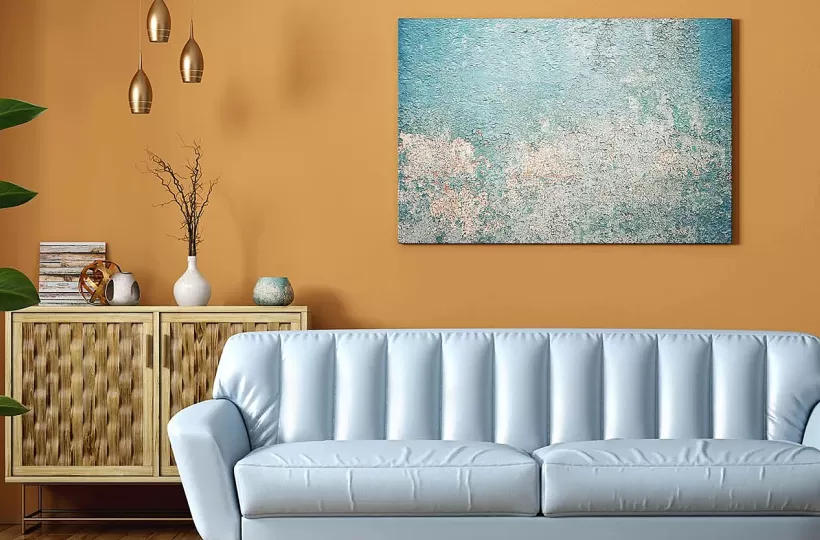
Best Colour Combination For Walls To Elevate Your Home Interiors Best Colour Combination For Walls To Elevate Your Home Interiors
Intoduction:In 2025, harmonious colour schemes for individuality and…
-
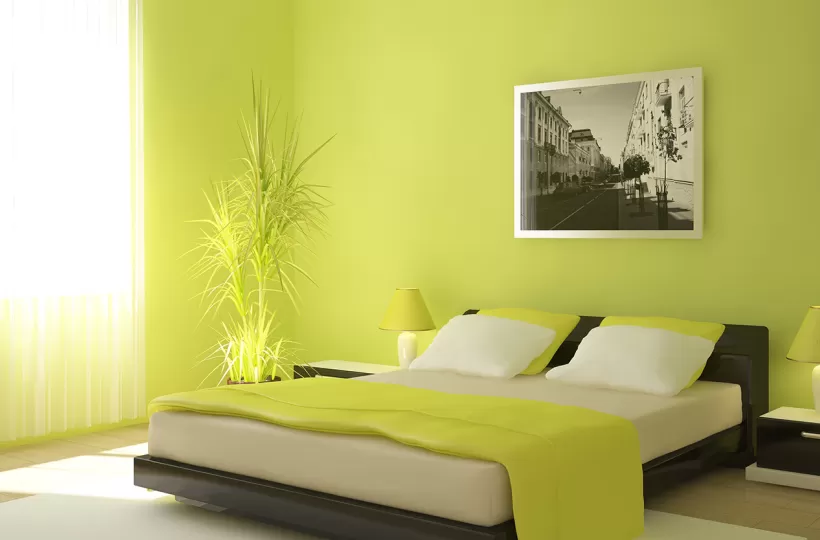
Best Green Colour Combinations for Walls – Schemes & Design Ideas Best Green Colour Combinations for Walls – Schemes & Design Ideas
Introduction:Green has long been a favourite choice in home decor…
-

What Colours Match with Blue? 14 Colour Combinations with Blue for Your Home What Colours Match with Blue? 14 Colour Combinations with Blue for Your Home
Blue is a universally popular colour for décor and design; choosing a colour…
-
Recent Blogs
- Wooden House Design: 8 Kashmiri-Inspired Ideas for Warm and Elegant Homes
- Kashmiri Home Interior Design: 5 Ideas to Bring Kashmir's Beauty Into Your Home
- 7 Beautiful Kashmiri Home Design Ideas Inspired by Noor-e-Kashmir
- Cloud Dancer Colour of the Year – Meaning, Combinations, Interior Ideas and Trends
- How To Make Yellow Colour: Tips for Perfect Wall Paint Shades & Home Décor Ideas
-
Get in Touch
Looking for something else? Drop your query and we will contact you.
FAQs
How long should I wait before entering a freshly painted room?
It's best to wait at least 24 hours before spending extended time in a freshly painted room, and longer if you've used a high-VOC paint or the room has poor ventilation. Low-VOC paints generally allow for a quicker, safer return to the space since they release fewer fumes as they cure.
Is low VOC paint really safer than regular paint?
Yes, low VOC paints release significantly fewer volatile organic compounds into the air as they dry, which reduces the risk of headaches, respiratory irritation, and prolonged fume exposure. This makes them a safer choice for bedrooms, children's rooms, and homes with pets or family members sensitive to strong odours.
How do I know if my old house has lead paint?
Homes painted several decades ago are more likely to contain lead paint, especially if the paint is chipping, peeling, or chalking. A lead test kit from a hardware store can give a quick preliminary check, while a professional lab test offers a more reliable confirmation before you begin any sanding or renovation work.
What protective gear should I wear while painting?
At minimum, wear gloves and a well-fitted mask to limit skin contact and fume or dust inhalation, along with old clothing you don't mind getting paint on. For sanding old paint or working in poorly ventilated spaces, a proper respirator mask offers better protection than a basic dust mask.
Can paint fumes affect pets and children more than adults?
Yes, children and pets are generally more sensitive to paint fumes due to their smaller body size and faster breathing rates, which means they absorb airborne chemicals more quickly. It's best to keep them away from freshly painted rooms until the space is well-ventilated and the paint has fully dried.
Is anti-bacterial paint necessary for every room?
While anti-bacterial paint is beneficial throughout the home, it's especially useful in high-touch or humid areas like kitchens, bathrooms, and children's rooms, where bacteria and fungal growth are more likely. For other rooms, it still offers added protection and easier long-term maintenance.
What is the safest way to dispose of leftover paint?
Leftover paint should never be poured down drains or into the ground, as it can contaminate water sources. Instead, seal cans tightly and check with local municipal or hazardous waste guidelines for approved paint disposal or recycling options in your area.
Should I hire professionals or paint my home myself for safety reasons?
Painting your home yourself is possible with the right precautions, but professionals bring trained handling of ventilation, lead-paint checks, and safety protocols that reduce risk, especially for larger homes or older properties. Services like Nerolac Paint+ Services combine expert application with these safety practices built into the process.
How can I make my home painting project safer for elderly family members?
Keep elderly family members away from the work area during active painting and for several hours afterward, since they may be more sensitive to fumes and dust. Choosing low-VOC, anti-bacterial paints and ensuring strong ventilation throughout the process further reduces any risk to their health.
Do washable paints offer any safety benefits besides easy cleaning?
Washable paints make it easier to remove dirt, marks, and minor stains without repainting, which also means less frequent exposure to fresh paint fumes over time. Combined with fungal-resistant properties, washable paints support a cleaner, lower-maintenance, and healthier wall surface long-term.
-

Welcome Ganesha to A Decked Up Room with These Home Decor Tips Previous Blog Welcome Ganesha to A Decked Up Room with These Home Decor Tips -

How Interior Wall Colours Affect Your Mood: Colour Psychology for Every Room Next Blog How Interior Wall Colours Affect Your Mood: Colour Psychology for Every Room
Get in Touch
Looking for something else? Drop your query and we will contact you.
Latest Happenings in the Paint World
Get some inspiration from these trending articles



Popular Post
Popular Searches
What’s Trending in Bedrooms
Explore Trending Living Room Ideas
- Living Room Colour Combination
- Modern Two Colour Combination for Living Room
- Wall Texture for Living Room
- Vastu Colours for Living Room
- Wall Texture Design for Living Room
- Living Room Paint Ideas
- Living Room Design Ideas
- Paint Colour Ideas for Living Room
- Living Room TV Wall Designs
- Green Living Room Walls
Kitchen Ideas People Love
Explore Trending Ceiling Ideas
Study Room Ideas in Demand
Explore Wall Paint Categories
Handpicked Colour Inspirations
- Accent Wall Design
- Bedroom Design Ideas
- Exterior Wall Colour Design Ideas
- Interior Wall Colour Design Ideas
- Kitchen Design Ideas
- Living Room Interior Design
- Geometric Wall Design Ideas
- Home Colour Combination Ideas
- Home Décor Ideas
- Mural Wall Paint Design Ideas
- Office Space Design Ideas
- Puja Room Design Ideas
- Texture Design Ideas
- Festival Painting Ideas
- Paint Colour Chart
- Wall Painting Designs
- Wood Wall Décor Ideas
- Mural Wall Paint Design
- Hall Design Ideas
- Gate Colour Design
- Exterior Wall Colour Design
- Door Colour Design Ideas
-
 Get in Touch
 -
Store Locator
-
 Download App
×
Get in Touch
Looking for something else? Drop your query and we will contact you.

