


Boost Your Productivity With These Energizing Colour Combinations For Study Room
Published: 30 Jun 2022 | Modified: 18 Aug 2026
Quick Summary
The right wall colour combination for a study room can create a calm, comfortable and motivating environment for learning and creative work. Popular study room wall colours include blue, white, grey, green, yellow and beige. You can combine cool shades with brighter accents or choose a modern study room colour combination based on the room’s lighting, size, furniture and personal style.

Create Your Dream Home With Our Painting Experts
Fill the form below to book a free site evaluation by Nerolac Nxtgen painting Services expert
TABLE OF CONTENTS
A study room is an important area in a home, and it’s necessary to have a study atmosphere that encourages productivity and creativity. The colours used in the room can play a role in setting the right mood for studying. To help you create an energising atmosphere for your study space, here is a list of top 10 energising colour combinations that are perfect for any study room.
With these energising shades, you can stay focused and productive while studying! So let us explore the top 10 modern study room colour combination that you can use in your study room.
What is the Best Colour Combination for Study Room?
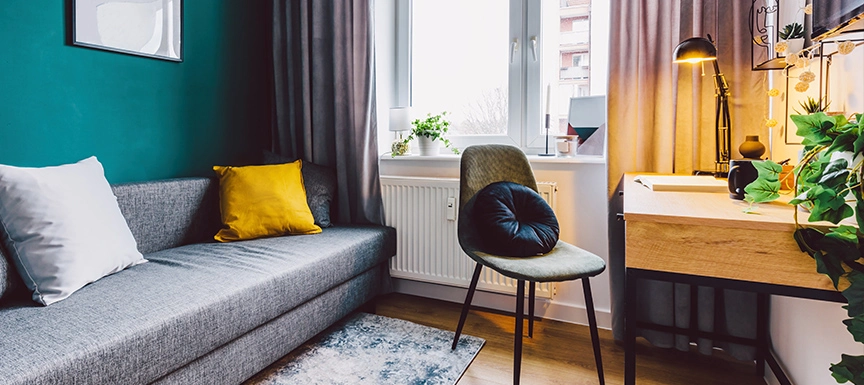
One can use different study room colour combinations to create a productive and energizing atmosphere. Here are the top 10 colour combinations for your study space:
-
Bright White and Blue Colour for Study Room
Using bright white in your study room can create an energizing, open feel that will help you focus on complex tasks. Pair this with blue to bring a sense of calmness, perfect for long study hours.
-
Soft Grey and Green Colour for Study Room
A soft grey colour is an excellent choice for the walls of the study room to provide a calming atmosphere while still maintaining high energy levels. Then pair it with green to further aid in concentration and relaxation.
-
Pale Yellow and Navy Blue Colour for Study Room
To fuel creativity and imagination, pale yellow can be used as the base colour for your study room’s walls. Then add navy blue furniture or accents to bring balance and sophistication into the space.
-
Orange and Teal Colour for Study Room
Ideal for an artistic study room, orange is a great choice to add energy while still providing a soothing colour palette. Pair it with teal to create contrast and bring out the best of both colours.
-
Beige and Maroon Colour for Study Room
For a more classic look, pair beige walls with maroon furniture or accents to create an energizing atmosphere in the study room. This combination will make any scholar feel productive and inspired!
-
Light Purple and Green Colour for Study Room
Light purple colour can be used as your base wall colour to evoke calmness without sacrificing productivity. Then add green accents to bring balance into the room without overwhelming it with too much colour.
-
Warm Brown and Gold Colour for Study Room
For an elegant and sophisticated look, use warm brown for the walls of your study room. Then add gold accents to bring in energy and a sense of luxury.
-
Bright Red and White
If you’re looking for a bolder wall colour combination that will still provide energy, try pairing bright red with white furniture or accents to create a contrast that will get your creative juices flowing!
-
Sage Green and Black Colour for Study Room
Create an energizing yet calming atmosphere in your study room with this combination. Sage green walls will provide a peaceful background, while black furniture adds sophistication and elegance to the space.
-
Soft Pink and Cream Colour for Study Room
This light combination can create a cozy and inviting atmosphere in the study room. Soft pink walls will help balance the energy levels in the space, while cream accents will keep it from feeling too overwhelming.
No matter which combination you choose, these energizing wall paint colour combinations are sure to leave you feeling productive and creative when studying in your study room! So why not try out one of these top 10 for yourself today? You won’t regret it!
Also Read: 11 Trending Best Colour Combinations For Your Living Room
1. One Colour Combination for Study Room
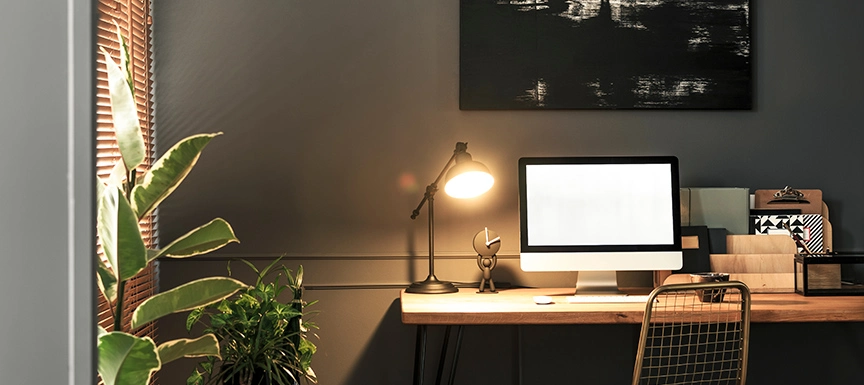
-
Blue, White, and Gray
Blue is the most popular choice for a study room as it can evoke feelings of serenity and calm, perfect for creating an optimal learning environment. To add a modern twist to your study room, you could opt for navy blue walls with white accents like trim or furniture. Furthermore, grey and silver accents can bring a subtle shimmer into the space. This combination gives a sophisticated look and has been found to help improve focus and concentration when studying due to its calming properties.
2. Two Colour Combination for Study Room
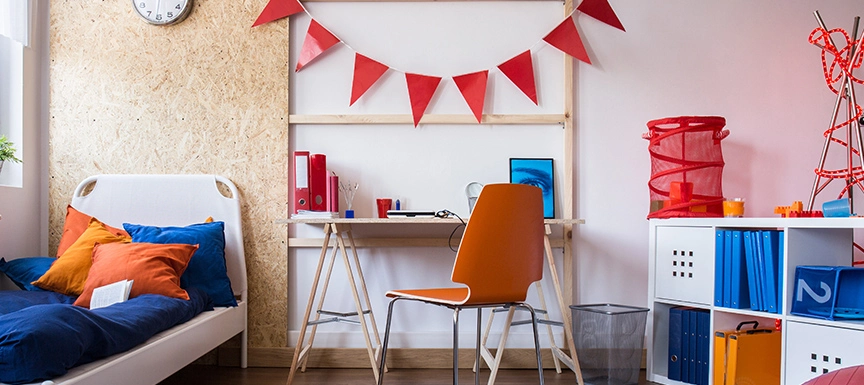
-
Light Blue and White Colour Combination for Study Room
This colour combination is a classic for study rooms, creating a calming atmosphere that encourages concentration. The light blue colour relaxes the mind, while white adds brightness to the room and gives it an airy feel. To add a bit of contrast, you can also use navy blue accents like throw pillows or carpets.
-
Grey and Yellow Colour Combination for Study Room
Another great colour combination for studying is grey and yellow – perfect for those who prefer a more modern look in their study space. The neutrals of grey provide a comforting environment, while yellow adds energy and cheerfulness, helping you stay focused on your work without feeling overwhelmed with too much stimulation. To create an inviting and stylish ambiance, you can pair these two colours with additional muted tones, such as a light pink colour or beige colour.
No matter which colour combination you choose for your study room, it’s important to remember that the space should always feel comfortable for you. You want to create a place where you can work in peace and productivity. Pay attention to the small details that make the space unique and personalised, like adding posters or artwork with uplifting messages that remind you of your goals.
The Bottom Line
When you want the best colour combination for study room, it’s important to consider the colours you want and how they will interact with one another. Cool or muted tones of blue, green, grey, and white are great choices for creating a peaceful and productive atmosphere. These colours can also be used in combination with warm or bright shades of yellow, orange, or pink to create a stimulating yet calming environment.
Ultimately, it's up to you to decide which colour scheme best suits your needs. With careful consideration of each hue and shade, you'll have no problem finding the perfect colour combination for your study room!
Key Takeaways
- Blue, white, grey and green can create a calm backdrop for a study room.
- Yellow, orange and other brighter shades can be introduced as accents to add visual energy.
- Two-colour combinations such as light blue and white or grey and yellow can create a balanced study space.
- A modern study room colour combination should complement the furniture, lighting and overall room design.
- For a balanced study room wall colour combination, use a dominant shade with one complementary or contrasting accent.
- Personal preferences and the atmosphere you want to create should guide the final study room wall colour choice.
Nerolac Paints, a leading paint company in India offers a wide range of wall paint colours & painting services & solutions for homes & offices.
-

Best Colour Combination For Walls To Elevate Your Home Interiors Best Colour Combination For Walls To Elevate Your Home Interiors
Intoduction:In 2025, harmonious colour schemes for individuality and…
-
Best Green Colour Combinations for Walls – Schemes & Design Ideas Best Green Colour Combinations for Walls – Schemes & Design Ideas
Introduction:Green has long been a favourite choice in home decor…
-
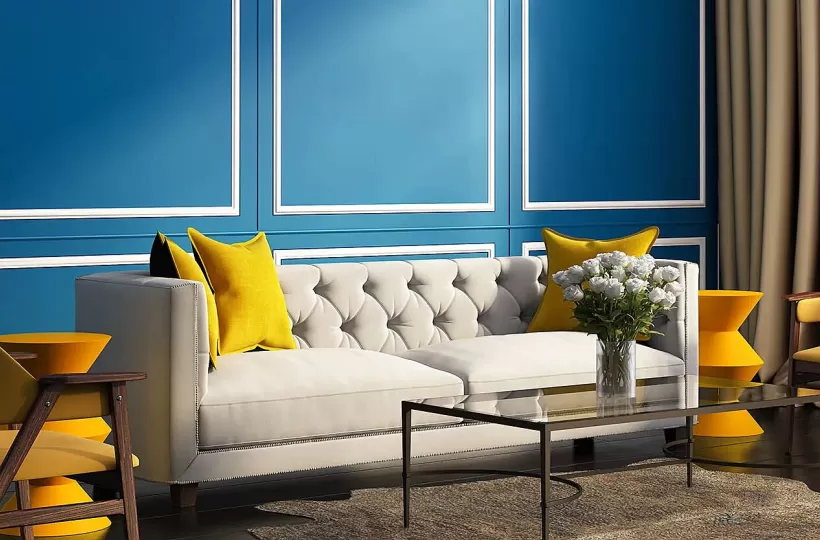
What Colours Match with Blue? 14 Colour Combinations with Blue for Your Home What Colours Match with Blue? 14 Colour Combinations with Blue for Your Home
Blue is a universally popular colour for décor and design; choosing a colour…
-
Recent Blogs
- Wooden House Design: 8 Kashmiri-Inspired Ideas for Warm and Elegant Homes
- Kashmiri Home Interior Design: 5 Ideas to Bring Kashmir's Beauty Into Your Home
- 7 Beautiful Kashmiri Home Design Ideas Inspired by Noor-e-Kashmir
- Cloud Dancer Colour of the Year – Meaning, Combinations, Interior Ideas and Trends
- How To Make Yellow Colour: Tips for Perfect Wall Paint Shades & Home Décor Ideas
-
Get in Touch
Looking for something else? Drop your query and we will contact you.
FAQs
Which study room wall colour is best for a small room?
Light shades such as white, light blue, soft grey, cream and pale green can help a small study room feel brighter and more open. These colours work particularly well when the room has limited natural light. You can introduce a deeper shade through furniture, shelving or small decorative accents rather than covering multiple walls with a dark colour. Testing the colour in the actual room can help you assess its appearance under different lighting conditions.
What is the best colour combination for a study room with wooden furniture?
Blue and white, sage green and cream, or soft grey and beige can complement wooden furniture effectively. The choice depends on the wood tone. Light wood can work well with soft or cool shades, while darker wood can be balanced with lighter walls. For a modern look, consider a neutral study room wall colour as the base and introduce a deeper blue or green through one accent wall or selected furnishings.
How do I choose a study room wall colour based on natural light?
First observe how much natural light enters the room and when it is strongest. Bright rooms can accommodate deeper shades such as navy, teal or muted green, while darker rooms generally benefit from lighter colours such as white, pale blue or soft grey. Also consider the direction of windows and artificial lighting. Testing colour samples at different times of day can help you determine how the study room wall colour will actually appear.
How many colours should be used in a study room?
A simple approach is to use one dominant wall colour and one or two complementary shades through furniture, accessories or an accent wall. Using too many strong colours can make the room visually busy. A balanced palette can combine a neutral or muted base with a more distinctive accent. For example, light blue walls with white furniture and small navy accents can create a cohesive study room wall colour combination.
Which modern study room colour combination works with a minimalist interior?
Soft grey and white, light blue and white, or sage green and warm white can work well with minimalist interiors. These combinations keep the room visually clean while adding enough colour to prevent it from feeling plain. Simple furniture, open shelving and limited decorative elements can complement the palette. If you want stronger contrast, introduce navy, charcoal or black through selected furniture pieces rather than using several bold wall colours.
Should the study room ceiling be the same colour as the walls?
A light ceiling is generally an easy way to maintain a bright and open appearance, particularly in a compact study room. It does not necessarily need to match the walls exactly. A white or very light ceiling can complement blue, green, grey, beige or other wall colours while creating visual separation. If you prefer a more coordinated design, use a lighter version of the study room wall colour on the ceiling.


Get in Touch
Looking for something else? Drop your query and we will contact you.
Latest Happenings in the Paint World
Get some inspiration from these trending articles




Popular Post
Popular Searches
What’s Trending in Bedrooms
Explore Trending Living Room Ideas
- Living Room Colour Combination
- Modern Two Colour Combination for Living Room
- Wall Texture for Living Room
- Vastu Colours for Living Room
- Wall Texture Design for Living Room
- Living Room Paint Ideas
- Living Room Design Ideas
- Paint Colour Ideas for Living Room
- Living Room TV Wall Designs
- Green Living Room Walls
Kitchen Ideas People Love
Explore Trending Ceiling Ideas
Study Room Ideas in Demand
Explore Wall Paint Categories
Handpicked Colour Inspirations
- Accent Wall Design
- Bedroom Design Ideas
- Exterior Wall Colour Design Ideas
- Interior Wall Colour Design Ideas
- Kitchen Design Ideas
- Living Room Interior Design
- Geometric Wall Design Ideas
- Home Colour Combination Ideas
- Home Décor Ideas
- Mural Wall Paint Design Ideas
- Office Space Design Ideas
- Puja Room Design Ideas
- Texture Design Ideas
- Festival Painting Ideas
- Paint Colour Chart
- Wall Painting Designs
- Wood Wall Décor Ideas
- Mural Wall Paint Design
- Hall Design Ideas
- Gate Colour Design
- Exterior Wall Colour Design
- Door Colour Design Ideas
-
 Get in Touch
 -
Store Locator
-
 Download App
×
Get in Touch
Looking for something else? Drop your query and we will contact you.

