

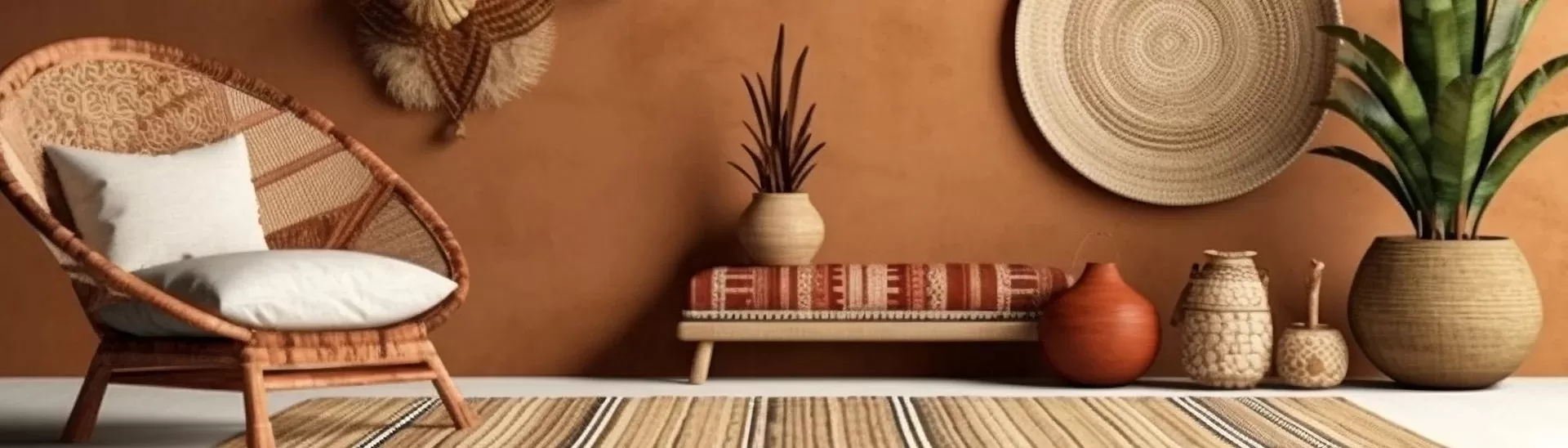
How to Make Brown Colour with Two Colours
Published: 28 May 2024 | Modified: 11 Aug 2026
Quick Summary
How to make brown colour by mixing two colours is simple when you combine complementary shades such as red and green, blue and orange, or yellow and purple. Adjusting the proportion of each colour helps create light, medium, or dark brown tones. This guide explains easy paint-mixing techniques, practical colour combinations, and useful tips for home decor, furniture painting, and creative DIY projects.
Create Your Dream Home With Our Painting Experts
Fill the form below to book a free site evaluation by Nerolac Nxtgen painting Services expert
TABLE OF CONTENTS
Cream colour, with its soft and beautiful hue, has become a staple in home design. Unlike stark white or bold colours, cream exudes warmth and sophistication, making it a popular choice for walls, furniture, and decor accents. Let's explore the world of cream colour, from understanding how to make colour cream to practical tips for incorporating it into your home decor.
Understanding the Basics: Primary Colours and How They Mix
Before we understand the concept of creating cream colour, let's take a quick refresher on the basics of colour mixing. All colours are derived from three primary colours: red, blue, and yellow. By mixing these primary colours in varying proportions, we can create an endless array of secondary and tertiary colours.
When it comes to creating cream colour, we'll primarily be working with shades of white and yellow. White serves as the base, while yellow adds warmth and depth to achieve the creamy hue.
How do You Make Cream Colour Using Paints: Step-by-Step Guide
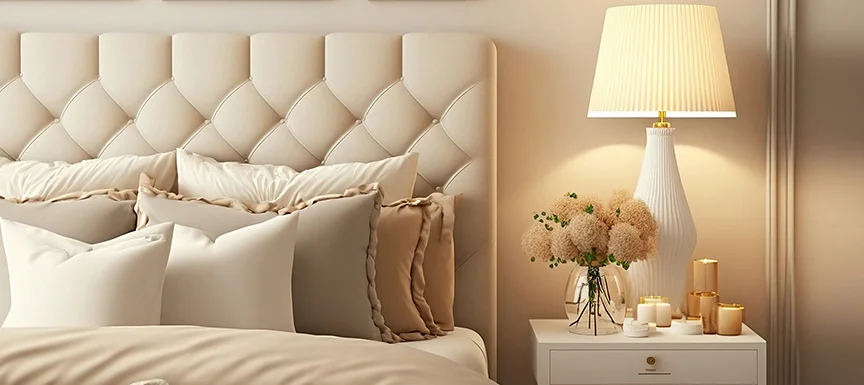
How to make cream colour by mixing two colours? Creating the perfect cream colour using paints is a straightforward process that involves choosing the right shades of white and yellow and mastering the blending technique. Let's discuss the step-by-step guide to achieving a beautiful cream hue for your home decor projects.
Choosing the Right Shades of White and Yellow
The key to creating a stunning cream colour lies in selecting the right shades of white and yellow paint. Here's how to choose the perfect hues:
1. Start with White
Begin by selecting a base white paint that will serve as the foundation for your cream colour. Consider the undertones of the white paint, as they can influence the final result. Opt for a pure white or off-white shade, depending on the warmth you want to achieve in your cream colour.
2. Add Yellow
Once you have chosen your white paint, it's time to select the right shade of yellow to add depth to your cream colour. Look for yellow paints in hues such as buttercream, soft yellow, or golden ochre, depending upon how rich you want the colour to appear.
Blending Technique for a Perfect Cream Colour
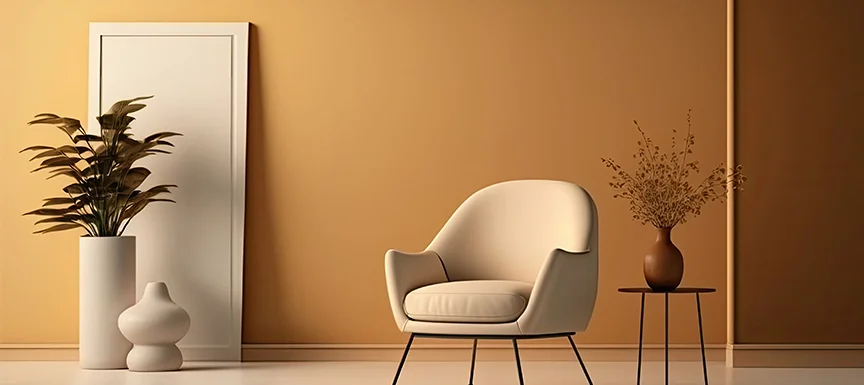
Now that you have the perfect shades of white and yellow paint, it's time to blend them to create your custom cream colour. Follow these steps for a flawless blending technique:
1. Mix in Small Batches
Do you often have this question of how to get cream colour? To create a creamy shade, you can start by blending a small amount of yellow paint into your white paint using a palette knife or a paintbrush. Begin with a modest quantity of yellow and gradually increase it until you get the cream hue. Mixing in small increments allows you to fine-tune the colour's intensity and make any necessary adjustments.
2. Blend Thoroughly
Once you have added the yellow paint to the white, blend the two colours thoroughly to ensure an even distribution of pigment. Use a palette knife or paintbrush to mix the paints, making sure there are no streaks or patches of unmixed colour. Continue blending until the yellow is fully incorporated into the white paint, resulting in a smooth and consistent cream colour.
3. Test the Colour
Before applying the cream paint to your project, it's essential to test the colour on a small surface area to ensure it matches your vision. Paint a swatch of the cream colour onto a piece of scrap material or a spare section of your project to see how it looks in different lighting conditions. Make any necessary adjustments to the colour by adding more white or yellow paint until you achieve your desired shade of cream.
4. Apply to Your Project
Once you have chosen the perfect colour for your project, it's time to start applying the cream paint. Using a high-quality paintbrush or roller, carefully and methodically apply the paint, making sure to cover every inch evenly. Work in smooth, overlapping strokes to guarantee that the entire surface is fully coated. It's important to allow the paint to dry completely based on the specific instructions provided by the manufacturer before adding more coats or any final touches.
By following these simple steps for choosing the right shades of white and yellow and mastering the blending technique, you can create a beautiful cream colour that adds warmth and elegance to any home decor project. Experiment with different proportions of white and yellow paint to customize the shade to your liking, and enjoy the transformative power of this timeless hue.
Also Read: Cream Colour Combination for Your Home
Tips and Tricks for Achieving Your Desired Shade
1. Test Swatches
Before committing to a large batch of cream paint, test out different ratios of white and yellow on a small surface area to see how the colour looks in various lighting conditions.
2. Adjust as Needed
Don't be afraid to experiment with different proportions of white and yellow to get the perfect shade of cream. Add more yellow for a warmer tone or more white for a lighter hue.
Alternative Methods for Creating Cream Colour
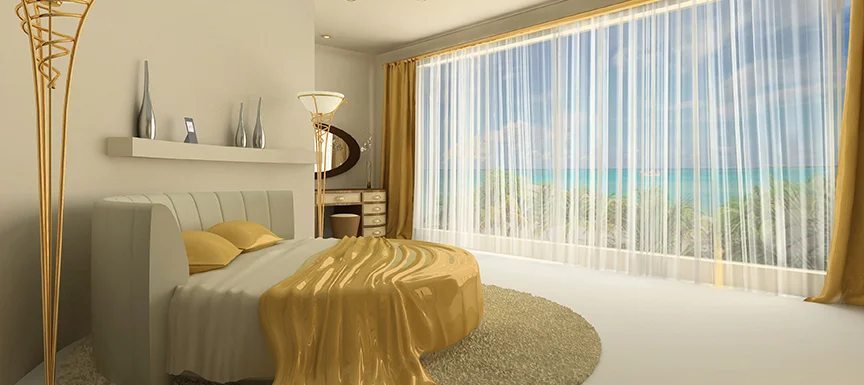
While mixing paint is the most common method for creating cream colour, there are alternative methods you can explore:
Using Fabric or Paper Dye
1. Mix Fabric Dye
If you're working with fabric or paper, you can create a custom cream colour by mixing fabric or paper dye. Start with a base white fabric or paper and gradually add small amounts of yellow dye until you get your desired shade.
2. Test on Scrap Material
Before dyeing your entire fabric or paper, test the colour on a small scrap piece to ensure it matches your vision.
Mixing Food Colouring or Natural Ingredients
1. Experiment with Food Colouring
If you find yourself in a situation where you need to create a cream colour, you can use food colouring as an alternative. Begin by mixing red, blue, and yellow food colouring in equal proportions to create a neutral brown base. Then, gradually add white food colouring until you achieve the shade of cream you wish for.
2. Explore Natural Ingredients
For an eco-friendly approach, experiment with natural ingredients like turmeric, saffron, or coffee grounds to create creamy hues. Boil the ingredients to extract their pigments, then mix them with a base white paint or fabric dye to get the preferred hue.
Conclusion
Cream colour provides a versatile and timeless palette that can effortlessly enhance any space in your home. Whether you're painting walls and furniture or adding decorative accents, the soft and inviting hue of cream adds warmth, sophistication, and a touch of elegance to your decor. By understanding the basics of colour mixing and experimenting with different techniques, you can create custom cream colours that perfectly suit your style and personality.
Cream colour provides a versatile and timeless palette that can effortlessly enhance any space in your home. Whether you're painting walls and furniture or adding decorative accents, the soft and inviting hue of cream adds warmth, sophistication, and a touch of elegance to your decor. By understanding the basics of colour mixing and experimenting with different techniques, you can create custom cream colours that perfectly suit your style and personality.
Key Takeaways
- How to make brown colour by mixing two colours works best with complementary colour pairs such as red and green, blue and orange, or yellow and purple.
- Changing the ratio of the two colours allows you to create warm, cool, light, or dark brown shades for different applications.
- Adding white paint produces lighter brown or beige tones, while black paint helps achieve richer and deeper brown shades.
- Always mix colours in small batches first to test the shade accurately before preparing a larger quantity of paint.
- Brown shades are versatile for wall accents, wooden furniture, decorative crafts, and other home decor projects.
- Testing the mixed brown colour under natural and artificial lighting helps ensure the final shade looks balanced in your space.
Nerolac Paints, a leading paint company in India offers a wide range of wall paint colours & painting services & solutions for homes & offices.
-
Best Colour Combination For Walls To Elevate Your Home Interiors Best Colour Combination For Walls To Elevate Your Home Interiors
Intoduction:In 2025, harmonious colour schemes for individuality and…
-
Best Green Colour Combinations for Walls – Schemes & Design Ideas Best Green Colour Combinations for Walls – Schemes & Design Ideas
Introduction:Green has long been a favourite choice in home decor…
-
What Colours Match with Blue? 14 Colour Combinations with Blue for Your Home What Colours Match with Blue? 14 Colour Combinations with Blue for Your Home
Blue is a universally popular colour for décor and design; choosing a colour…
-
Recent Blogs
- Wooden House Design: 8 Kashmiri-Inspired Ideas for Warm and Elegant Homes
- Kashmiri Home Interior Design: 5 Ideas to Bring Kashmir's Beauty Into Your Home
- 7 Beautiful Kashmiri Home Design Ideas Inspired by Noor-e-Kashmir
- Cloud Dancer Colour of the Year – Meaning, Combinations, Interior Ideas and Trends
- How To Make Yellow Colour: Tips for Perfect Wall Paint Shades & Home Décor Ideas
-
Get in Touch
Looking for something else? Drop your query and we will contact you.
FAQs
What two colours make brown paint most easily?
The easiest way to make brown paint with two colours is by mixing red and green. These complementary colours neutralise each other and naturally create a brown shade. The final tone depends on the amount of red and green used, so start with equal quantities and adjust gradually for warmer or cooler browns.
How can I make a dark brown colour for furniture painting?
To make dark brown, begin with a standard brown mixture and slowly add a small amount of black paint or a deeper blue shade. Mix thoroughly after each addition to avoid making the colour appear muddy. This technique works well for wooden furniture, cabinets, and rustic decor projects.
Can I make brown colour without using all three primary colours?
Yes. Brown can be made by mixing two complementary colours that are already secondary colours, such as blue and orange or yellow and purple. These combinations contain all three primary colour components indirectly, making them an effective shortcut for creating brown shades.
Which colour combination creates a warm brown shade?
Warm brown shades are created by using mixtures with stronger red, orange, or yellow undertones. Adding a little more orange or yellow to a brown mixture produces a warmer, earthier colour that works well for living rooms, wooden decor, and traditional interiors.
How do I make light brown or beige from brown paint?
To make light brown or beige, gradually add white paint to your brown mixture. Start with a small amount of white and blend thoroughly before adding more. This allows you to control the final shade and create soft neutral tones suitable for walls, furniture, and decorative accents.
Why does my brown paint look muddy or dull?
Brown paint usually looks muddy when too many colours are mixed together or when strong pigments are added in large amounts. To avoid this, use only one complementary colour pair at a time, mix in small quantities, and blend thoroughly after each adjustment to maintain a cleaner and more balanced brown tone.


Get in Touch
Looking for something else? Drop your query and we will contact you.
Latest Happenings in the Paint World
Get some inspiration from these trending articles
Popular Post
Popular Searches
What’s Trending in Bedrooms
Explore Trending Living Room Ideas
- Living Room Colour Combination
- Modern Two Colour Combination for Living Room
- Wall Texture for Living Room
- Vastu Colours for Living Room
- Wall Texture Design for Living Room
- Living Room Paint Ideas
- Living Room Design Ideas
- Paint Colour Ideas for Living Room
- Living Room TV Wall Designs
- Green Living Room Walls
Kitchen Ideas People Love
Explore Trending Ceiling Ideas
Study Room Ideas in Demand
Explore Wall Paint Categories
Handpicked Colour Inspirations
- Accent Wall Design
- Bedroom Design Ideas
- Exterior Wall Colour Design Ideas
- Interior Wall Colour Design Ideas
- Kitchen Design Ideas
- Living Room Interior Design
- Geometric Wall Design Ideas
- Home Colour Combination Ideas
- Home Décor Ideas
- Mural Wall Paint Design Ideas
- Office Space Design Ideas
- Puja Room Design Ideas
- Texture Design Ideas
- Festival Painting Ideas
- Paint Colour Chart
- Wall Painting Designs
- Wood Wall Décor Ideas
- Mural Wall Paint Design
- Hall Design Ideas
- Gate Colour Design
- Exterior Wall Colour Design
- Door Colour Design Ideas
-
 Get in Touch
 -
Store Locator
-
 Download App
×
Get in Touch
Looking for something else? Drop your query and we will contact you.

