

Disclaimer: Actual wall paint colour applied may differ from the on-screen representation above. Please confirm your colour choices prior to purchase by viewing a physical colour shade card or a painted sample.
Still confused ? Explore all our shades from our colour catalogue
Paint your life's canvas with our painting experts
Fill the form below to book a free site evaluation by Nerolac Express Painting Service expert
Trending Colour Shades
Find the Perfect Colour Shades for you walls
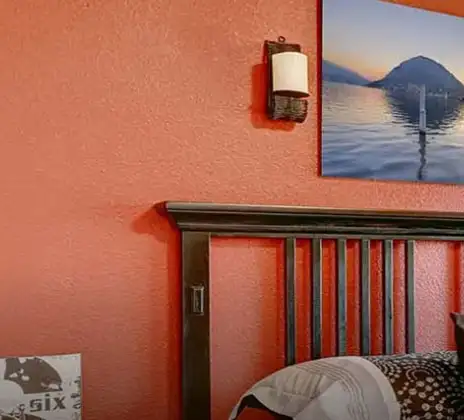


Find an Expert Painter Near You
Enjoy a holistic painting experience with Nerolac NxtGen Services
About Pomegranate Colour
Pomegranate Colour Designs, Shades & Combinations for Your Home
Pomegranate colour is a deep pink-red that carries visible richness and warmth, with a slight berry tone that can look bold without becoming harsh. On the colour wheel, it sits close to red colour and can shift toward magenta depending on how much blue colour is present in the undertone. In interiors, this family is commonly associated with confidence, warmth, and a celebratory feel, which is why it is often chosen for feature walls, dining corners, and spaces that need a strong focal point. When planned well, pomegranate walls look polished and intentional rather than overpowering.Pomegranate colour is a rich pink-red shade used in interior wall design to create bold, warm, and visually striking feature walls.
Key Characteristics of Pomegranate Colour
High depth with clear presence
Pomegranate is not a background colour in most rooms. It feels like a statement, even when it is used on one wall or in a niche, because the depth holds attention across the full surface.
Warm base with a refined berry direction
The colour usually leans warm, but it is not a pure red. That berry direction can help it feel more modern than bright red, especially when the room has clean whites and minimal patterns.
Noticeable shift under different lighting
In daylight, pomegranate often looks clearer and slightly brighter. Under warm indoor lighting, it can look richer and deeper. This is one reason sampling is important before finalising.
Pairs well with calm supporting tones
Shades in Pomegranate colour look best when they have neutral colour support. Soft off-whites, creams, and gentle grey colours reduce visual stress and allow the wall to look considered rather than loud.
Deep reds and berry tones show surface issues quickly. If the wall has patch repairs, uneven sanding, or inconsistent priming, the finished wall can look uneven after drying. This is why Pomegranate colour shades are usually most successful on well-prepared walls with careful cut lines.
Practical Uses of Pomegranate Colour
Living rooms that need a defined focal point
A pomegranate wall behind the main sofa or TV unit can anchor the room and create a clear zone. This approach is especially useful in open layouts where the living room walls need visual structure.
Bedrooms with a feature headboard wall
Used behind the bed, pomegranate adds warmth and depth without changing the entire room. Keep the remaining walls lighter so the bedroom remains comfortable for daily use.
Dining spaces and dining nooks
Pomegranate can make diningroom walls feel more intentional. It works particularly well when the lighting is warm and evenly spread across the wall.
Dressing areas and vanity corners
In dressing zones, this colour can look premium, but only when lighting is planned to avoid harsh shadows. A neat, uncluttered surface helps the finish look refined.
Creative corners and home studios
If you want a space to feel energetic without using many decorative items, a single pomegranate wall can deliver that identity. This is often easier to manage than multiple decor colours competing in the same sightline.
Exterior accents and feature walls
Pomegranate can be used in covered balconies or exterior walls to highlight sections where a bold, warm tone enhances architectural detailing.
Pomegranate Paint Choices for Your Walls
Before selecting a final shade, decide how much of the room should carry colour. If you are unsure, start with one feature wall and assess it under evening lighting before expanding. Also, check your wall condition; deeper colours require a smooth base to look even. If you are comparing different Pomegranate colour shades, evaluate them near a window and also on a shaded wall to understand how the tone changes.
Softer, clearer tones
- Peony: It suits homeowners who want a pomegranate-like effect but prefer a slightly gentler wall presence. Peony Colour works well in compact bedrooms, guest rooms, and passages where strong colour must stay controlled.
Brighter, modern tones
- Pink Dash: It is suitable for spaces where you want a cleaner and more contemporary result. Pink Dash Colour can work well as a single accent wall in a living room or dining nook, especially when the furniture finishes are neutral.
Expressive tones
- Sassy Pink: It works when you want the wall colour to look more energetic and defined. Use Sassy Pink Colour where the wall receives even light and where the surrounding décor remains simple, so the wall does not compete with patterns and prints.
Pomegranate Wall Colour Combinations for Your Home
A good pairing plan prevents the room from feeling scattered. Treat pomegranate as the lead shade and choose one supporting colour that repeats across the space through a secondary wall, a niche, or smaller decor details. This makes a Pomegranate colour combination easier to execute and easier to maintain over time. Use the table below as a room-wise guide:
|
Room/space |
Recommended colour combination |
|---|---|
|
Living room (TV wall / main wall) |
Pomegranate + Pink Ruby – 4786 |
|
Master bedroom (headboard wall) |
Pomegranate + Rose Aura – 2218 |
|
Guest bedroom/reading corner |
Pomegranate + Rose Buds – 4158 |
|
Study/home office (feature wall) |
Pomegranate + Pink Couture – 4792 |
|
Dining area (feature wall) |
Pomegranate + Pink Ruby – 4786 |
|
Entryway highlight wall |
Pomegranate + Rose Aura – 2218 |
Pomegranate + Pink Ruby Colour Combination
This pairing is suited to spaces where you want a strong focal wall that still looks coordinated. Use pomegranate on the larger surface, then introduce Pink Ruby Colour on a secondary wall or a defined panel so the room stays structured.
Pomegranate + Pink Couture Colour Combination
Pink Couture Colour is often chosen when you want a coordinated pink-family support shade that remains clean and modern. These two colour combinations suits studies, compact work zones, and corners where you want colour without adding heavy decor.
Pomegranate + Rose Buds Colour Combination
Rose Buds Colour works well as a softer supporting shade when you want a welcoming finish. This is a good option for guest rooms, where the colour should feel pleasant without feeling too intense.
Pomegranate + Rose Aura Colour Combination
Rose Aura Colour helps reduce heaviness and keeps the scheme calm enough for bedrooms and entryways. Use it to support the main pomegranate wall without turning the room into an all-over strong colour plan.
Best Pomegranate Shades for Accent Walls
Accent walls are the simplest way to use deep colours with confidence. They help you create a focal point and test the colour at scale, while keeping most surfaces brighter and easier to style. If you want Pomegranate colour contrast that still feels modern, build the contrast with light ceiling paints, clean edges, and a limited number of supporting tones.
|
Accent-wall location |
Recommended combination |
|---|---|
|
Pink Ruby |
TV wall (living room) |
|
Rose Aura |
Headboard wall (bedroom) |
|
Pink Couture |
Desk wall (study) |
|
Rose Buds |
Guest room feature wall |
Simple Tips for Using Pomegranate at Home
Pomegranate is a strong colour, so it works best when the plan is controlled. If you are uncertain, begin with one feature wall rather than painting all four walls. Place that wall behind a sofa, behind a headboard, or behind a dining console so it has a clear role in the room.
- Balance is important. Pair the bold wall with soft neutrals such as ivory, beige, cream, or a gentle grey so the room stays open. White colour ceilings and light trims also help prevent the space from feeling smaller.
- Lighting changes how this colour behaves. Cool white lighting can make pomegranate look sharper. Warm lighting usually makes it look richer and more comfortable in the evening. Plan table lamps, wall lights, or pendant lights so the feature wall is lit evenly.
- Metallic details can add refinement. Brass, gold, or copper accents often look clean against deep pink-red walls, especially in mirror frames, small side tables, or light fixtures.
When you review different Pomegranate colour shades across connected spaces, keep undertones consistent so the home feels visually connected rather than disjointed.
How Nerolac Can Help You Paint Your Walls Pomegranate?
Nerolac’s home painting service is positioned as an end-to-end solution that includes an on-site evaluation, expert colour consultation, and execution support through the full job. A structured service approach focuses on making the wall base uniform before colour coats begin, then applying paint in a consistent way so colour density stays even across the full surface. That is especially useful when you want Pomegranate to keep its richness in daylight and still look refined under warm evening lighting.
Plan, Design and Paint Your Walls with Nerolac Tools
Ready to plan your Pomegranate makeover? Use the tools below to explore shades, visualise rooms and estimate paint and budget.
Colour Visualiser
Use the Nerolac Colour Visualiser to try out different shades and textures from our texture and colourpalette on the walls of our ‘room presets.’ You can also see how each colour will look under various lighting conditions, such as natural sunlight, cool white light and warm yellow colour light, before finalising a shade.
Colour Catalogue
Use the Nerolac Colour Catalogue to browse over 1,500 Nerolac wall paint shades. Search by colour name or code, or filter by colour family to quickly discover options that match your décor. Shortlist your favourite shades and pair them with the other Nerolac tools to finalise the perfect colour scheme for your home.
Paint Calculator
Use the Nerolac Paint Calculator to estimate the area to be painted and the required paint volume for your décor project. Enter wall dimensions, room count, and preferred product to get an approximate paint quantity and cost, helping you plan your project with greater confidence.
Frequently Asked Questions For Pomegranate
Does Pomegranate suit modern interiors?
Yes, different types of Pomegranate colour shades can suit modern interiors when they are used as a controlled feature and supported by clean neutrals and simple furniture lines.
Is Pomegranate better as a feature colour or a full-room colour?
In most homes, it is easier as a feature colour. Full-room use can work in larger rooms with strong lighting and a restrained decor plan.
What finishes work best with Pomegranate paint?
Matte can soften the look and reduce glare. Soft sheen can add richness and may be easier to maintain in higher-use rooms, but it requires better wall preparation.
Does Pomegranate affect the mood of a space?
It often makes a space feel warmer and more energetic. If you want a calmer result, reduce the painted area and keep the supporting palette neutral.
Can Pomegranate be used in rooms with limited natural light?
Yes, but use it selectively. Prefer one feature wall and strengthen the lighting plan so the wall does not look overly dark in the evening.
How does Pomegranate interact with decor colours?
It pairs well with cream, beige, soft grey, warm wood finishes, and controlled metallic accents. Limit additional bright colours so the room remains cohesive.
How To Make Pomegranate colour choices easier for a full home plan?
From a colour theory standpoint, pomegranate tones sit near red and can shift toward magenta depending on the undertone. For interiors, it is usually easier to choose the main wall shade first, then build aPomegranate colour palette around it using neutrals and one supporting shade, instead of trying to manage many accent colours at once.
Create magic with our inspiring Two Colour Combinations!
-
Orange And Lilac Colour Combination
-
Red And Brown Colour Combination
-
Yellow And Blue Colour Combination
-
Yellow And Green Colour Combination
-
Yellow And Orange Colour Combination
-
Yellow And Red Colour Combinations
-
Orange And Brown Colour Combination
-
Orange And Gold Colour Combination
-
Orange And Grey Colour Combination
-
Orange And Cream Colour Combination
-
Orange And Peach Colour Combination
-
Orange and Red Colour Combination
-
Orange And Purple Colour Combination
-
Orange And Pink Colour Combination
-
Orange And White Colour Combination
-
Orange And Neutral Colour Combination
-
Orange And Beige Colour Combination
-
Orange And Violet Colour Combination
-
Orange And Blue Colour Combination
-
Orange And Green Colour Combination
Latest Happenings in the Paint World
Get some inspiration from these trending articles
Get in Touch
Looking for something else? Drop your query and we will contact you.
Popular Searches
What’s Trending in Bedrooms
Explore Trending Living Room Ideas
- Living Room Colour Combination
- Modern Two Colour Combination for Living Room
- Wall Texture for Living Room
- Vastu Colours for Living Room
- Wall Texture Design for Living Room
- Living Room Paint Ideas
- Living Room Design Ideas
- Paint Colour Ideas for Living Room
- Living Room TV Wall Designs
- Green Living Room Walls
Kitchen Ideas People Love
Explore Trending Ceiling Ideas
Study Room Ideas in Demand
Explore Wall Paint Categories
Handpicked Colour Inspirations
- Accent Wall Design
- Bedroom Design Ideas
- Exterior Wall Colour Design Ideas
- Interior Wall Colour Design Ideas
- Kitchen Design Ideas
- Living Room Interior Design
- Geometric Wall Design Ideas
- Home Colour Combination Ideas
- Home Décor Ideas
- Mural Wall Paint Design Ideas
- Office Space Design Ideas
- Puja Room Design Ideas
- Texture Design Ideas
- Festival Painting Ideas
- Paint Colour Chart
- Wall Painting Designs
- Wood Wall Décor Ideas
- Mural Wall Paint Design
- Hall Design Ideas
- Gate Colour Design
- Exterior Wall Colour Design
- Door Colour Design Ideas
-
 Get in Touch
 -
Store Locator
-
 Download App
×
Get in Touch
Looking for something else? Drop your query and we will contact you.

