

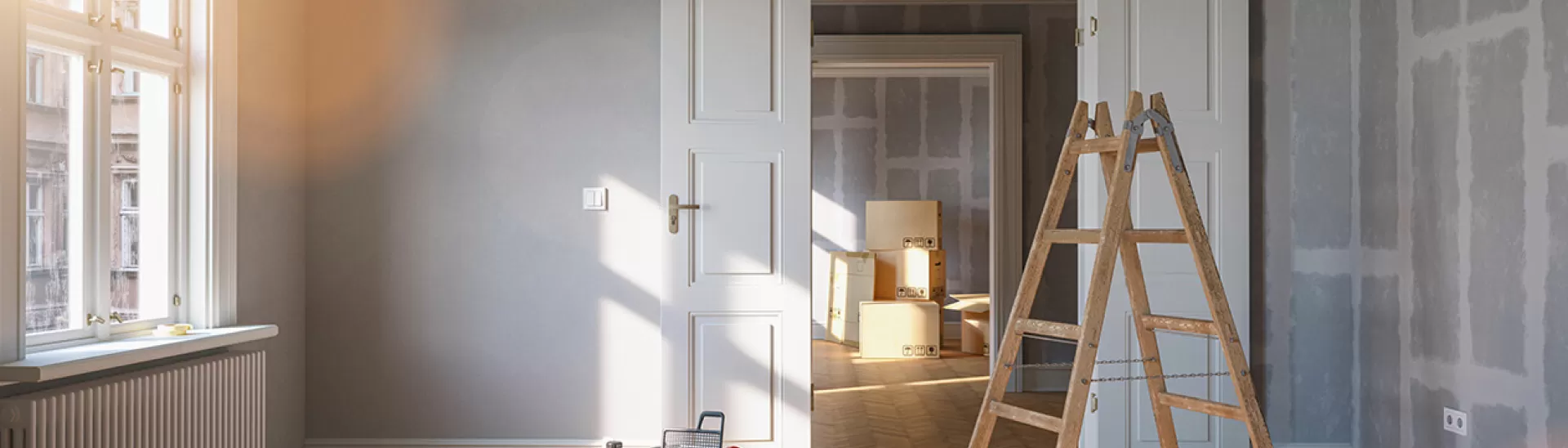
How To Paint Your House - Learn Steps to Paint Your House Like a Pro
Published: 30 Jun 2022 | Modified: 23 Sep 2026
Quick Summary
How to paint house effectively requires proper preparation, the right supplies, suitable primers and paints, and a systematic application process. For exterior walls, the process includes cleaning, repairing damage, removing old paint, priming, selecting suitable weather-protecting paint, and applying it with a brush, roller, or sprayer. Interior painting involves cleaning and protecting the space, preparing supplies, priming the walls, and applying the required coats while allowing sufficient drying time and maintaining ventilation.

Create Your Dream Home With Our Painting Experts
Fill the form below to book a free site evaluation by Nerolac Nxtgen painting Services expert
TABLE OF CONTENTS
How To Paint Your House - Learn Steps to Paint Your House Like a Pro
Painting your house on your own may seem like a daunting task, but not when you’re well prepared and know the process thoroughly. Whether it's your exteriors or interiors that need a paint refresh, painting your house like a pro requires research, patience and dedication. We are here to simplify the task for you. We cannot deny that a great coat of paint instils a sense of pride and satisfaction in all homeowners. That is why we are here to help you bring your dream house visuals to life.
We will look at two sections where we tell you how to paint your house exteriors and how to paint your house interior walls.
-
How to paint your house exterior
Painting your house exteriors takes longer than interiors and needs more thought and research because of factors such as weather, dust and pollution. For exterior house painting projects, it is also important to take into account the weather.
-
Pressure-wash/Clean walls
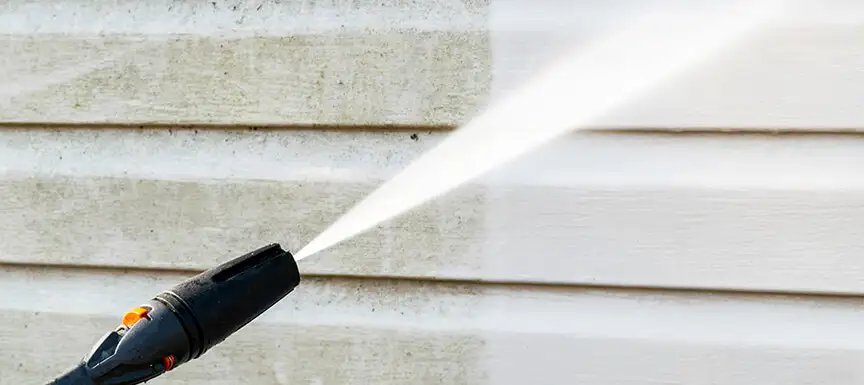
Cleaning Walls Session with Water You can either traditionally clean walls with a sponge, a water hose and detergent or use a pressure washer/power washer. If your walls are clean and don’t require too much cleaning, then we suggest a regular cleaning session with water, a hose and a sponge. Pressure washers on the other hand, can remove stubborn marks, dirt and wash your walls off all imperfections. It is important to clean your walls before applying the primer or painting your walls, because paint will not adhere to an uneven or sticky surface.
-
Repair walls if needed

DIY Repair Walls If No Severe Damages Check and inspect your walls for chipping, mildew, cracks or peeling. Seal all holes and cracks with caulk or any sealant. You can also sand walls, wooden textures, doors and window frames that need to be painted for a smooth painting surface. If there are severe damages on your walls, then we recommend a professional.
-
Remove damaged paint
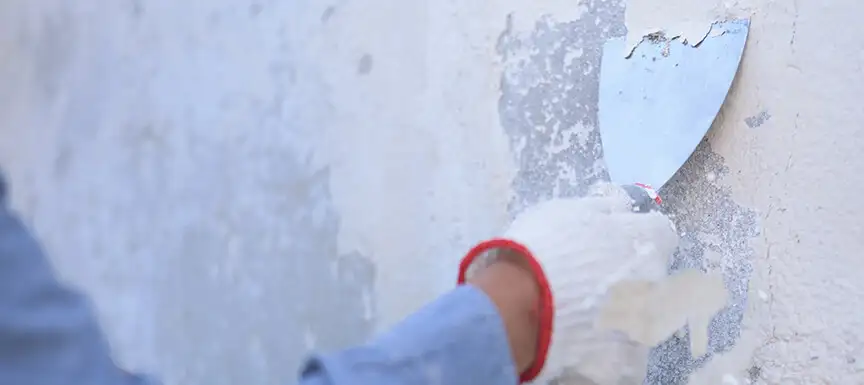
Remove Damaged Paint from the Old Wall House If there is any chipped, bubbled or residual, damaged paint on your walls, then you need to remove it as it may affect the finish of the newer paint application. Sandpaper, blades or paint scrapers work best in removing residual or damaged paint from walls. You can also smoothen rough patches with sandpaper to improve damaged texture or surfaces on these walls. Mildew and rust will also have to be removed and taken care of. Repair sidings, roofs and other trims that may have been damaged overtime.
-
Prime the surface and choose your paints
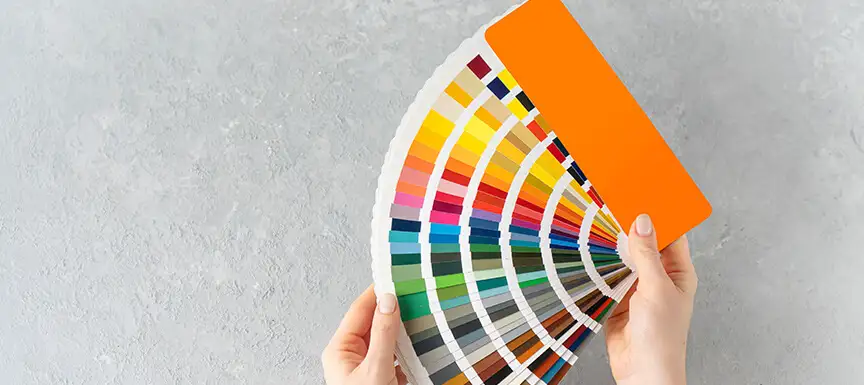
Prime the Surface and Choose your Painting House Once the cleaning, repairing and preparing is done, it is time for painting. There are many types of primers used like sealers and bonding primers. Use a primer that suits your needs and is highly durable and long-lasting. For wood and windows, latex primers are used. Primers are required to create a smooth surface for the new paint to adhere. If you’re changing your colour from light to dark or dark to light, multiple coats of primer are recommended. Based on the type of primer used, you will have to wait for the suggested amount of time for it to dry.
It is important to choose your paints, finishes and primers together. For exterior surfaces, it is important to choose weather-protecting, dust-resistant paints that give you the desired aesthetic too. Make sure your primer and finish compliment your choice of paint. While choosing colours, choose colours that are trendy and reflect your personality and your home’s aesthetic. Also choose colours that increase your curb appeal.
-
Paint the house
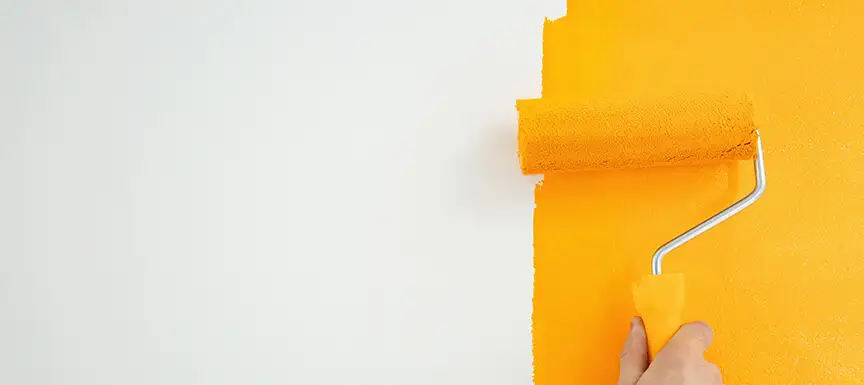
Steps to Painting House Using a Paint Brush You can use a paint brush, paint roller or a paint sprayer. Usually for exterior surfaces, paint sprayers and rollers are recommended together. You can use either one of the techniques as per your comfort. Let us show you the benefits of using the three and techniques with which you can paint.
-
Using the brush: Perfect for beginners as it gives you more control, brushes are effective for precision. Brushes also help you cut in effectively while covering edges and corners. How to paint your house with a brush? Dip the brush in the paint bucket but not fully so that no paint spills. Use a horizontal motion to apply strokes on the wall. Ensure you continue this in a linear manner and fill in uncovered and uneven patches.
-
Using the roller: Rollers are perfect for exterior spaces as it covers larger areas. Dip the roller in the tray until it's fully covered in paint and paint the wall in W or M patterns. Make sure the roller marks are not visible.
You can use rollers with a sprayer too.
-
Using the sprayer: Much like a spray can or a graffiti can, load the paint into the sprayer and spray the wall evenly. You can use the sprayer at a 1 foot distance.
-
-
-
How to paint your house interior walls
How to paint your house? We have the answer.
Also read: How To Paint A Room - Learn Steps to Paint a Room Like a Pro
-
Clean walls and prep the house
Before any paint job, cleaning walls with detergent and a sponge is a must. Interior walls can have dust, grease and dirt that needs to be cleaned before a primer is applied. After cleaning the walls, it is important to mask the floor and cover furniture and appliances with drop cloths.
-
Choose your supplies and paints
Your supplies will include drop cloths, sandpaper, brushes, rollers, trays, gallons and other material. Your paints will include premium, durable paints and finishes with a primer.
-
Prime the walls
Begin with priming your walls. Use a roller for larger areas and coverage and brushes for cutting in and precision. Ensure your primer dries enough before applying a coat of paint.
-
Paint the walls
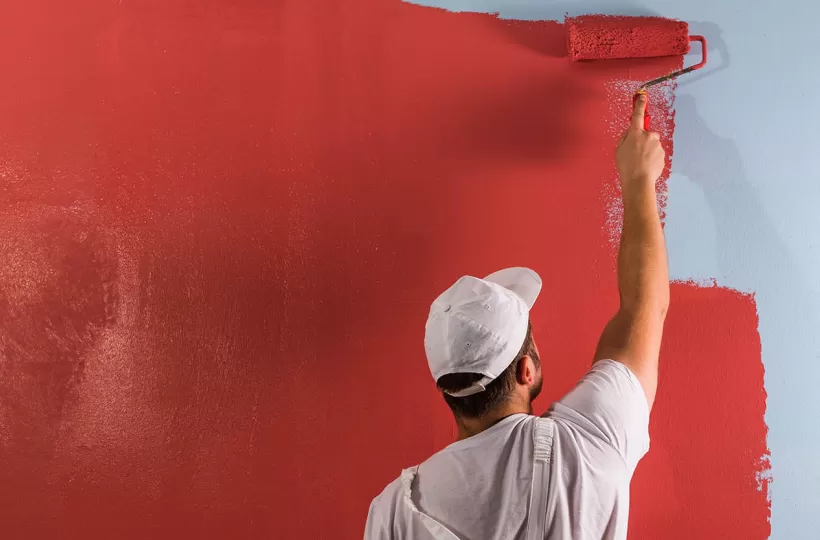
Using the brush, tackle difficult areas such as corners and edges since it provides precision. Use the roller and an extension pole for the ceiling and high areas. Let the first coat dry and then inspect the walls to see if other coats are needed. Ventilation is a must during paint projects.
-
Also read: How To Paint a Living Room - Steps to Paint Your Living Room
Now that we’ve shown you how to paint your house effectively, we hope you can kickstart your painting project with ease. However, if you feel that you want your paint project handled by professionals for a perfect outcome, you can avail our professional services here. Our trained experts will give you a holistic painting experience and take care of all your painting needs.
Key Takeaways
- How to paint house successfully starts with cleaning, repairing, and preparing the surfaces before applying primer or paint.
- Exterior walls may require pressure washing, removal of damaged paint, repairs, suitable primer, and weather-protecting paint.
- For interior walls, protect furniture and floors, clean the surfaces, gather the right supplies, and apply primer before painting.
- Brushes provide greater control for edges and corners, while rollers can cover larger areas efficiently and sprayers can provide even application.
- Allow primer and paint coats to dry properly before applying additional coats or inspecting the finish.
- Colour, finish, primer, and paint should be selected according to the surface, desired appearance, and specific requirements of the painting project.
Nerolac Paints, a leading paint company in India offers a wide range of wall paint colours & painting services & solutions for homes & offices.
-
Best Colour Combination For Walls To Elevate Your Home Interiors Best Colour Combination For Walls To Elevate Your Home Interiors
Intoduction:In 2025, harmonious colour schemes for individuality and…
-

What Colours Match with Blue? 14 Colour Combinations with Blue for Your Home What Colours Match with Blue? 14 Colour Combinations with Blue for Your Home
Blue is a universally popular colour for décor and design; choosing a colour…
-
What Are The Different Types Of Paint For Home And Interior Walls? What Are The Different Types Of Paint For Home And Interior Walls?
Introduction:When it comes to home decor, nothing transforms a room as…
-
Recent Blogs
- Cloud Dancer Colour of the Year – Meaning, Combinations, Interior Ideas and Trends
- How To Make Yellow Colour: Tips for Perfect Wall Paint Shades & Home Décor Ideas
- How To Make White Colour: Tips for Perfect Wall Paint Shades & Home Décor Ideas
- How To Make Violet Colour: Tips for Perfect Wall Paint Shades & Home Décor Ideas
- How To Make Turquoise Colour: Tips for Perfect Wall Paint Shades & Home Décor Ideas
-
Get in Touch
Looking for something else? Drop your query and we will contact you.
FAQs
How to paint house walls properly?
To understand how to paint your house, begin by preparing the walls thoroughly. Clean the surface, repair cracks or holes, remove damaged or peeling paint, and apply a suitable primer before the final paint. Once the surface is ready, use a brush, roller, or sprayer depending on the area and application requirements.
What are the steps to paint a house exterior?
Exterior painting starts with cleaning the walls and inspecting them for cracks, mildew, peeling paint, or other damage. The next steps are repairing the surface, removing damaged paint, applying primer, selecting suitable exterior paint, and then painting with a brush, roller, or sprayer. Weather conditions should also be considered when planning an exterior painting project.
How to paint your house interior walls?
When learning how to paint your house interiors, first clean the walls and protect furniture, appliances, and flooring with suitable coverings. Prepare your supplies, prime the walls, and then apply paint using brushes for edges and corners and rollers for larger areas. Allow each coat to dry before deciding whether another coat is required.
Should I prime my walls before painting the house?
Yes, the article recommends priming the walls after cleaning and repairing the surface. Primer creates a smoother surface for the new paint to adhere to and can be particularly useful when changing from a light colour to a dark colour or vice versa. The primer should be allowed to dry according to the recommended drying time before painting.
What tools can I use to paint house walls?
The main application methods discussed are brushes, rollers, and paint sprayers. Brushes provide greater control for edges, corners, and precision work, while rollers are useful for covering larger areas. Sprayers can provide an even application and can also be used alongside rollers for exterior surfaces.
How can I prepare my house before painting?
Preparation includes cleaning the walls, checking for cracks, holes, mildew, peeling or damaged paint, and repairing surfaces where necessary. For interiors, floors, furniture, and appliances should also be protected. Proper preparation helps create a smoother surface and supports better paint adhesion and finish.


Get in Touch
Looking for something else? Drop your query and we will contact you.
Latest Happenings in the Paint World
Get some inspiration from these trending articles



Popular Post
Popular Searches
What’s Trending in Bedrooms
Explore Trending Living Room Ideas
- Living Room Colour Combination
- Modern Two Colour Combination for Living Room
- Wall Texture for Living Room
- Vastu Colours for Living Room
- Wall Texture Design for Living Room
- Living Room Paint Ideas
- Living Room Design Ideas
- Paint Colour Ideas for Living Room
- Living Room TV Wall Designs
- Green Living Room Walls
Kitchen Ideas People Love
Explore Trending Ceiling Ideas
Study Room Ideas in Demand
Explore Wall Paint Categories
Handpicked Colour Inspirations
- Accent Wall Design
- Bedroom Design Ideas
- Exterior Wall Colour Design Ideas
- Interior Wall Colour Design Ideas
- Kitchen Design Ideas
- Living Room Interior Design
- Geometric Wall Design Ideas
- Home Colour Combination Ideas
- Home Décor Ideas
- Mural Wall Paint Design Ideas
- Office Space Design Ideas
- Puja Room Design Ideas
- Texture Design Ideas
- Festival Painting Ideas
- Paint Colour Chart
- Wall Painting Designs
- Wood Wall Décor Ideas
- Mural Wall Paint Design
- Hall Design Ideas
- Gate Colour Design
- Exterior Wall Colour Design
- Door Colour Design Ideas
-
 Get in Touch
 -
Store Locator
-
 Download App
×
Get in Touch
Looking for something else? Drop your query and we will contact you.

