

How to Make Gold Colour: Tips for Perfect Wall Paint Shades & Home Decor Ideas
Published: 10 Jun 2026 | Modified: 10 Jun 2026
Quick Summary
- Gold isn’t a primary colour. You usually get it by starting with yellow colour and mixing in a bit of brown, or by blending yellow with small touches of red and blue to create a warm, slightly muted tone.
- If you want a richer gold, mix yellow with a hint of red to form orange, then add a tiny bit of black to deepen the colour.
- For lighter, softer gold shades, combine yellow with white and just a touch of brown colour or black until it looks right.
- Gold works beautifully in interiors, whether you’re using it on accent walls, décor pieces, or artwork, because it adds warmth without feeling too heavy.
Create Your Dream Home With Our Painting Experts
Fill the form below to book a free site evaluation by Nerolac Nxtgen painting Services expert
TABLE OF CONTENTS
Key Takeaways
- Gold is created by building on yellow with small amounts of red, brown, or blue.
- To lighten gold, add white gradually
- Warm or muted gold tones depend on how you adjust the mix
- Ready-made shades like Royale Gold, Rapture Gold, and Pot Of Gold colour give a consistent finish
Nerolac Paints, a leading paint company in India offers a wide range of wall paint colours & painting services & solutions for homes & offices.
-
Best Colour Combination For Walls To Elevate Your Home Interiors Best Colour Combination For Walls To Elevate Your Home Interiors
Intoduction:In 2025, harmonious colour schemes for individuality and…
-
Best Green Colour Combinations for Walls – Schemes & Design Ideas Best Green Colour Combinations for Walls – Schemes & Design Ideas
Introduction:Green has long been a favourite choice in home decor…
-
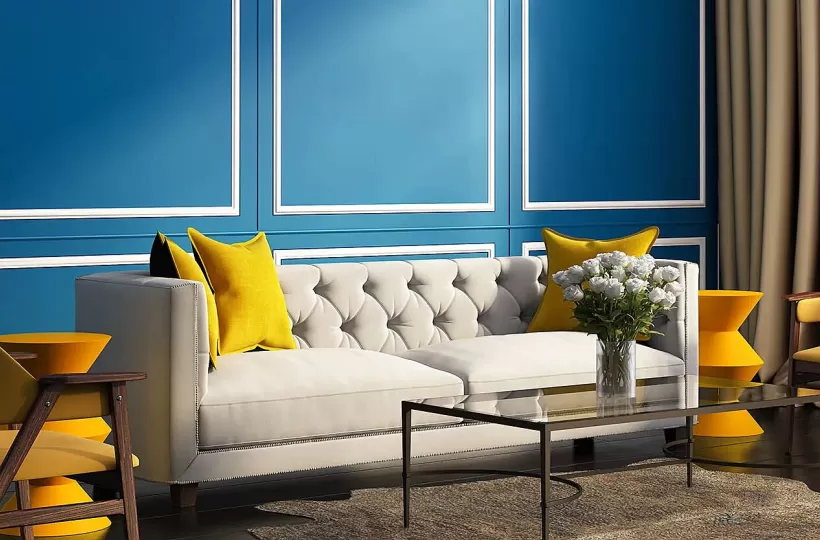
What Colours Match with Blue? 14 Colour Combinations with Blue for Your Home What Colours Match with Blue? 14 Colour Combinations with Blue for Your Home
Blue is a universally popular colour for décor and design; choosing a colour…
-
Recent Blogs
- Wooden House Design: 8 Kashmiri-Inspired Ideas for Warm and Elegant Homes
- Kashmiri Home Interior Design: 5 Ideas to Bring Kashmir's Beauty Into Your Home
- 7 Beautiful Kashmiri Home Design Ideas Inspired by Noor-e-Kashmir
- Cloud Dancer Colour of the Year – Meaning, Combinations, Interior Ideas and Trends
- How To Make Yellow Colour: Tips for Perfect Wall Paint Shades & Home Décor Ideas
-
Get in Touch
Looking for something else? Drop your query and we will contact you.
FAQs
How do you make gold colour at home?
You can start with yellow and slowly add a bit of red and brown to bring in that warm tone. It usually takes a few small adjustments to get it looking right.
Can you make gold colour without using brown?
You can try mixing yellow with a touch of red to get an orange base, then deepen it slightly. It won’t look exactly like gold, but it gets close enough for most uses.
How do you make a light gold colour?
Just add white to your base mix, little by little. You’ll see the colour soften almost immediately as you go.
Why does gold look different on walls?
It often comes down to lighting and the paint finish. The same shade can look brighter in daylight and deeper under warm indoor lights.
Is ready-made gold paint a better option?
If you want a consistent result, it usually is. Mixing on your own can work, but getting the exact same shade again isn’t always easy.
-

How to Make Cream Colour: Tips for Perfect Wall Paint Shades & Home Décor Ideas Previous Blog How to Make Cream Colour: Tips for Perfect Wall Paint Shades & Home Décor Ideas -

How to Make Green Colour: Tips for Perfect Wall Paint Shades & Home Décor Ideas Next Blog How to Make Green Colour: Tips for Perfect Wall Paint Shades & Home Décor Ideas
Get in Touch
Looking for something else? Drop your query and we will contact you.
Latest Happenings in the Paint World
Get some inspiration from these trending articles



Popular Post
Popular Searches
What’s Trending in Bedrooms
Explore Trending Living Room Ideas
- Living Room Colour Combination
- Modern Two Colour Combination for Living Room
- Wall Texture for Living Room
- Vastu Colours for Living Room
- Wall Texture Design for Living Room
- Living Room Paint Ideas
- Living Room Design Ideas
- Paint Colour Ideas for Living Room
- Living Room TV Wall Designs
- Green Living Room Walls
Kitchen Ideas People Love
Explore Trending Ceiling Ideas
Study Room Ideas in Demand
Explore Wall Paint Categories
Handpicked Colour Inspirations
- Accent Wall Design
- Bedroom Design Ideas
- Exterior Wall Colour Design Ideas
- Interior Wall Colour Design Ideas
- Kitchen Design Ideas
- Living Room Interior Design
- Geometric Wall Design Ideas
- Home Colour Combination Ideas
- Home Décor Ideas
- Mural Wall Paint Design Ideas
- Office Space Design Ideas
- Puja Room Design Ideas
- Texture Design Ideas
- Festival Painting Ideas
- Paint Colour Chart
- Wall Painting Designs
- Wood Wall Décor Ideas
- Mural Wall Paint Design
- Hall Design Ideas
- Gate Colour Design
- Exterior Wall Colour Design
- Door Colour Design Ideas
-
 Get in Touch
 -
Store Locator
-
 Download App
×
Get in Touch
Looking for something else? Drop your query and we will contact you.

