

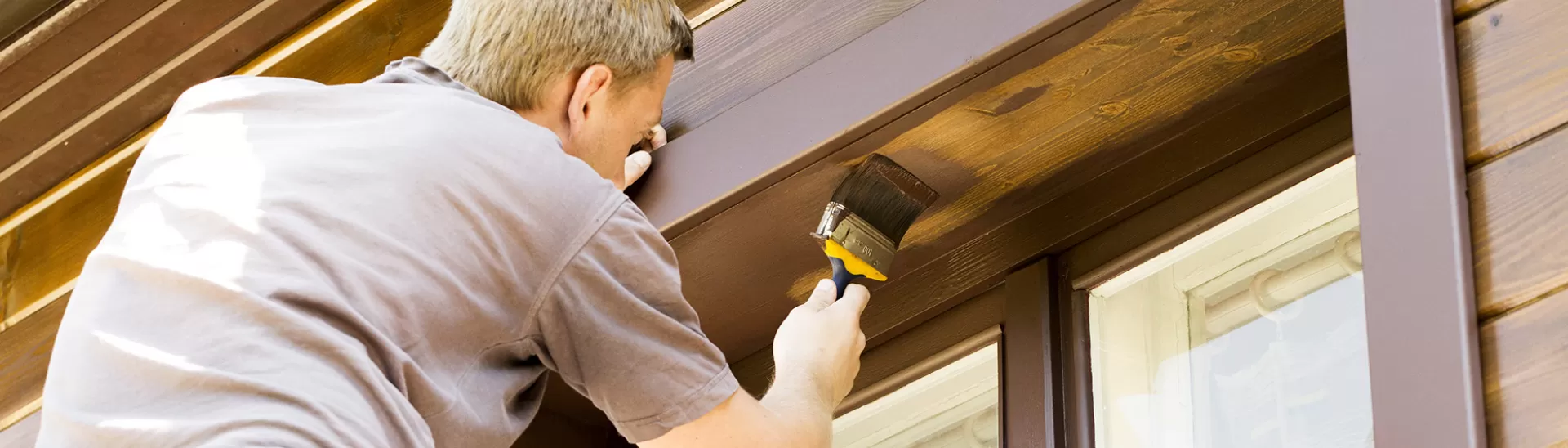
How to Waterproof Your Walls With Waterproof Exterior Paint
Published: 21 Feb 2022 | Modified: 17 Aug 2026
Quick Summary
Learning how to waterproof your walls starts with inspecting exterior surfaces for cracks, damage and possible water-entry points. Repair visible defects, address gaps around vulnerable areas and choose suitable waterproof exterior paint or other wall waterproofing treatment based on the condition of the surface. Proper preparation, application and regular inspection can help protect exterior walls from rain, humidity and moisture-related damage.

Create Your Dream Home With Our Painting Experts
Fill the form below to book a free site evaluation by Nerolac Nxtgen painting Services expert
TABLE OF CONTENTS
Key Takeaways
- Inspect exterior walls for cracks, damaged areas and potential sources of water penetration before painting.
- Waterproof exterior paint can provide an additional protective layer against weather exposure when used appropriately.
- Prepare and repair the wall surface before applying exterior paint for better adhesion and performance.
- Pay attention to window seals, joints and other gaps where water can potentially enter the wall.
- Persistent dampness or leakage may require investigation beyond simply applying waterproofing wall paint.
- Regular inspection and maintenance can help identify moisture-related problems before they become more serious.
Nerolac Paints, a leading paint company in India offers a wide range of wall paint colours & painting services & solutions for homes & offices.
-
Best Colour Combination For Walls To Elevate Your Home Interiors Best Colour Combination For Walls To Elevate Your Home Interiors
Intoduction:In 2025, harmonious colour schemes for individuality and…
-
Best Green Colour Combinations for Walls – Schemes & Design Ideas Best Green Colour Combinations for Walls – Schemes & Design Ideas
Introduction:Green has long been a favourite choice in home decor…
-

What Colours Match with Blue? 14 Colour Combinations with Blue for Your Home What Colours Match with Blue? 14 Colour Combinations with Blue for Your Home
Blue is a universally popular colour for décor and design; choosing a colour…
-
Recent Blogs
- Wooden House Design: 8 Kashmiri-Inspired Ideas for Warm and Elegant Homes
- Kashmiri Home Interior Design: 5 Ideas to Bring Kashmir's Beauty Into Your Home
- 7 Beautiful Kashmiri Home Design Ideas Inspired by Noor-e-Kashmir
- Cloud Dancer Colour of the Year – Meaning, Combinations, Interior Ideas and Trends
- How To Make Yellow Colour: Tips for Perfect Wall Paint Shades & Home Décor Ideas
-
Get in Touch
Looking for something else? Drop your query and we will contact you.
FAQs
Can waterproof exterior paint stop water from entering walls?
Waterproof exterior paint can help protect an exterior wall surface from rain and moisture exposure, but it should not automatically be considered a complete solution for every type of water penetration. The source of dampness should first be identified. Cracks, damaged joints, leaking pipes, roof issues or drainage problems may require separate repairs or waterproofing treatment. The appropriate coating should also be selected according to the wall surface and manufacturer's recommendations.
How do I know if my exterior wall needs waterproofing?
Look for recurring damp patches, peeling or blistering paint, cracks, water stains, mould growth, or deterioration that appears after rain. Pay particular attention to areas around windows, doors, roof edges and wall joints. If moisture continues to appear after surface repairs or painting, investigate the underlying source instead of repeatedly applying paint. Persistent or extensive dampness may require assessment by a qualified waterproofing or building professional.
Is waterproofing wall paint suitable for every exterior wall?
Not necessarily. The suitability of waterproofing wall paint depends on factors such as the wall's existing coating, surface condition, material, exposure to rain and moisture, and the specific product's intended application. Before painting, remove loose or damaged material and prepare the surface according to the product instructions. If the wall has active leakage or significant structural damage, address the underlying problem before relying on a protective paint coating.
What should I do before applying waterproof exterior paint?
Start by inspecting and cleaning the exterior surface. Repair suitable cracks and damaged areas, remove loose or peeling paint, and ensure the surface is appropriately prepared and dry according to the coating manufacturer's instructions. Check areas around windows, doors and joints for gaps that may allow water entry. Applying the correct primer or undercoat where specified can also help create a suitable base for the exterior coating.
How often should exterior walls be checked for waterproofing problems?
Exterior walls should be inspected periodically, particularly before and after periods of heavy rainfall. Look for new cracks, peeling paint, damp patches, staining, damaged sealants and areas where water appears to collect. The exact maintenance or repainting interval depends on the coating, surface condition, local climate and exposure. Instead of following one fixed schedule, address visible deterioration promptly and follow the paint manufacturer's maintenance recommendations.
Can wall waterproofing paint fix dampness caused by plumbing leaks?
Paint alone should not be used to conceal dampness caused by a plumbing leak. The source of the moisture needs to be identified and repaired first. Once the affected area has been appropriately repaired and is suitable for recoating, the wall can be prepared and finished with a coating designed for the surface and intended conditions. This approach prevents the paint from simply masking an ongoing moisture problem.


Get in Touch
Looking for something else? Drop your query and we will contact you.
Latest Happenings in the Paint World
Get some inspiration from these trending articles





Popular Post
Popular Searches
What’s Trending in Bedrooms
Explore Trending Living Room Ideas
- Living Room Colour Combination
- Modern Two Colour Combination for Living Room
- Wall Texture for Living Room
- Vastu Colours for Living Room
- Wall Texture Design for Living Room
- Living Room Paint Ideas
- Living Room Design Ideas
- Paint Colour Ideas for Living Room
- Living Room TV Wall Designs
- Green Living Room Walls
Kitchen Ideas People Love
Explore Trending Ceiling Ideas
Study Room Ideas in Demand
Explore Wall Paint Categories
Handpicked Colour Inspirations
- Accent Wall Design
- Bedroom Design Ideas
- Exterior Wall Colour Design Ideas
- Interior Wall Colour Design Ideas
- Kitchen Design Ideas
- Living Room Interior Design
- Geometric Wall Design Ideas
- Home Colour Combination Ideas
- Home Décor Ideas
- Mural Wall Paint Design Ideas
- Office Space Design Ideas
- Puja Room Design Ideas
- Texture Design Ideas
- Festival Painting Ideas
- Paint Colour Chart
- Wall Painting Designs
- Wood Wall Décor Ideas
- Mural Wall Paint Design
- Hall Design Ideas
- Gate Colour Design
- Exterior Wall Colour Design
- Door Colour Design Ideas
-
 Get in Touch
 -
Store Locator
-
 Download App
×
Get in Touch
Looking for something else? Drop your query and we will contact you.

