


Discover the Perfect Mandir Design for Your Wall Pooja Room
Published: 13 Aug 2024 | Modified: 30 Oct 2026
Quick Summary
A good mandir design in wall uses limited space elegantly, combining a niche or wall-mounted unit, soft lighting and calming colours for daily prayers. Popular pooja room designs in wall include carved wooden frames, jaali panels, marble backdrops and painted motifs like lotus, OM or mandala patterns. Choose serene mandir wall paint design colours such as white, cream, pale yellow or light gold, and follow Vastu by placing it in the north-east.
Create Your Dream Home With Our Painting Experts
Fill the form below to book a free site evaluation by Nerolac Nxtgen painting Services expert
TABLE OF CONTENTS
In Indian homes, having a dedicated pooja room or temple is considered auspicious and an integral part of the house design. However, only some have the luxury of space for a separate pooja room. This is where innovative mandir designs in walls and pooja rooms built into walls come into the picture.
Even in small houses and flats, you may create a holy area for prayer and devotion with wall-mounted mandirs and pooja niches. You can create beautiful pooja areas on any wall in your living room, bedroom, or any other place without having to add more floor space if you put some thought and imagination into it. Read on to learn more about pooja room designs.
Factors to Consider Before Choosing a Design
When deciding on a mandir or pooja room design for your wall, keep the following factors in mind:
1. Space Available
Thoroughly measure the wall area you intend to utilise for constructing the pooja mandir, including full height, width, and depth. Precisely map out available dimensions to plan the appropriate size and layout of the mandir.
Vertically oriented units extending upwards can optimally maximise limited space for narrow walls. Consider integrating customised storage nooks and open shelves, based on exact measurements, to hold pooja accessories. Small platforms can be built in below if the floor area allows it.
2. Personal Preferences and Beliefs
The specific Hindu gods and deities you pray to, the types of rituals and pooja procedures regularly performed, personal aesthetic tastes, vastu considerations, and family customs should all contribute to guiding overall mandir design.
Match architectural styles such as ornate traditional, sleek modern, airy minimalist, harmoniously blended fusion, or unconventionally creative options to what personally resonates with your faith and preferences.
3. Budget for Mandir Design In Wall
Ingenious wall-mounted mandirs provide tremendous flexibility across budgets. A simple painted recess with a bare ledge can transform small wall sections for those with compact spaces and lower budgets. Intricately hand-carved designer sets featuring fully customised cabinetry, specialised storage, concealed lighting and exquisite finishes provide luxurious upgrades for those willing to invest more generously.
Also, consider uniquely DIY options like thematic photo-collage walls or recycled material installations if on a tight budget.
Also Read: Trending Mandir Design Ideas For Your Home Pooja Room
4. Maintenance Needs
When finalising construction materials and surface finishes, carefully evaluate the ease of accessibility and upkeep. Non-porous surfaces such as durable vitrified tiles, polished granite, marbled composites, treated wood, or scratch-resistant glass are easy to swipe and clean of accumulated dust, stubborn oil stains, and grime build-up.
However, untreated wood, elaborately embellished paints or delicate wallpaper require more careful maintenance. Plan open access to all mandir areas for thorough periodic cleaning rituals.
Types of Wall Mandir Designs

Here are some popular types of pooja room designs for walls:
1. Traditional Wall Mandir Designs
These intricately detailed designs draw inspiration from age-old Indian temple architecture. They feature regal entrance torans, finely carved jaali screens, sturdy stone pillars, and other ornate embellishments.
Auspicious materials like seasoned teak wood, Italian marble slabs inlaid with semi-precious stones, and brass decorative accents recreate a classical sacred aesthetic.
2. Modern Wall Mandir Designs
Contemporary minimalist designs incorporate easy-to-maintain modular storage units with adjustable shelves, concealed overhead lighting, enamelled steel open cabinets for displaying murtis, and sleek finishes like high-gloss auto paints, designer laminates sourced from across the globe and clear or tinted acrylic sheets.
Clean lines, neutral tones, and integrated lighting characterise these fuss-free functional spaces.
Also Read: Temple Wall Painting Design For Your Home
3. Fusion Wall Mandir Designs
As the name suggests, these harmoniously combined designs blend traditional craftsmanship with contemporary practicality for a unique contemporary look. Marvel at the juxtaposition of intricately carved teak wood jaalis showcasing LED backlighting on the sleek frontage of lacquered glass-fronted cabinets.
Or behold a magnificent brass toran crowning a multi-level mandir ensemble featuring modular cabinets and hidden storage.
Pooja Room Design Ideas for Different Spaces in Your Home

The following are some dedicated ideas for pooja rooms in different spaces in your home:
- Corner Mandir: Conveniently located out of the way, corners and niches are great spots. Illuminate with accent lighting.
- Over Countertops/Shelves: Install a basic mandir unit right above existing storage to maximise wall space.
- Feature Wall: With interior wall paints, turn an accent wall into a textured, decorated backdrop for pooja essentials.
- Bedroom: Place near the entrance for a peaceful prayer space before sleeping and after waking.
- Balcony: Bring the outside in with a nature-inspired set-up. Perfect for unhindered views of sunrise or sunset.
Unleash your ingenuity to craft a bespoke shrine, recess or ornamented divider, exalting your beliefs and convictions even in cramped residences—Accessorise with mirrors, lamp holders, and storage cabinets to complete your interior mandir decoration.
With a splash of colour, ambient lighting, and your choice of wall paints and décor elements, you can transform simple walls into stunning, sanctified spaces for daily worship.
Conclusion
Nerolac Impressions Kashmir, with its wide range of textures and finishes, is the ideal choice for creating an accent wall for your pooja room. For a traditional look, you can opt for the Kashmir Design Paint Finish, with its hints of silver glimmer reminiscent of intricate jaali work. Or choose the rich, royal Ambrosia finish for a modern textured look. Similarly, the rustic Rajasthani Hawa Mahal texture paint evokes ornate original architecture from the state.
With myriad options for imaginatively textured designer paint finishes, Nerolac Impressions can bring your creative wall mandir concepts to life in vivid colour and texture. Let your personalised pooja space dreams manifest on your accent wall canvas. Bring your wall mandir design dreams to life with Nerolac Impressions!
Key Takeaways
- Place the wall mandir in the north-east corner for Vastu-friendly positioning.
- Soft shades like cream, white and pale yellow create a calm prayer space.
- Painted lotus, OM or mandala motifs add a sacred focal point to the wall.
- Backlit jaali or CNC panels give small wall mandirs a divine glow.
- Use washable, stain-resistant paint as diyas and incense can mark walls.
- Mount the idol shelf at chest height or above for comfortable daily worship.
Nerolac Paints, a leading paint company in India offers a wide range of wall paint colours & painting services & solutions for homes & offices.
-
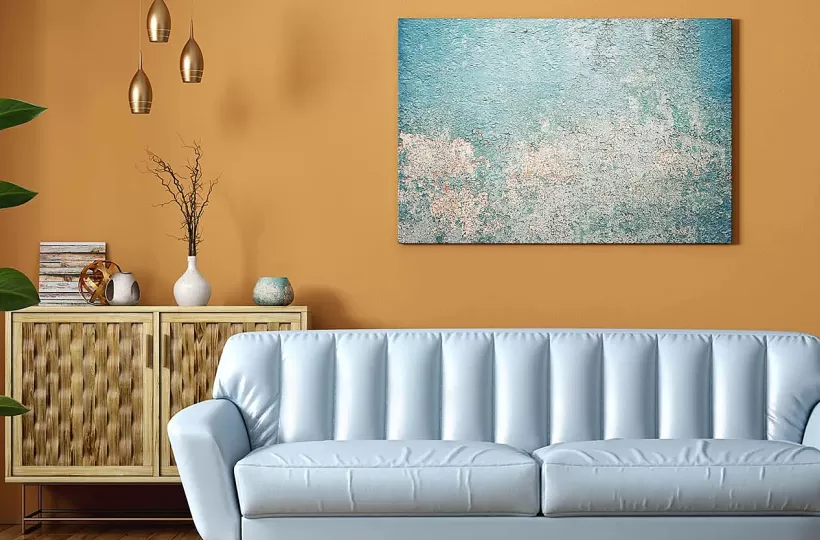
Best Colour Combination For Walls To Elevate Your Home Interiors Best Colour Combination For Walls To Elevate Your Home Interiors
Intoduction:In 2025, harmonious colour schemes for individuality and…
-
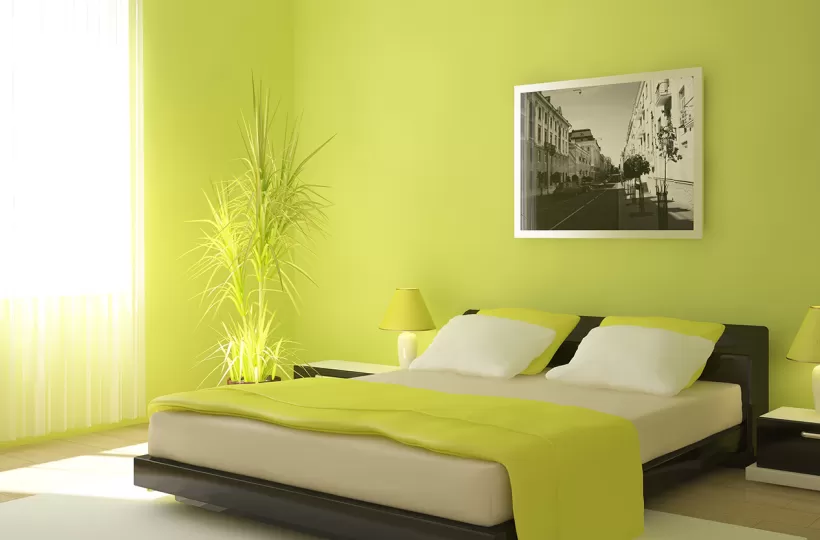
Best Green Colour Combinations for Walls – Schemes & Design Ideas Best Green Colour Combinations for Walls – Schemes & Design Ideas
Introduction:Green has long been a favourite choice in home decor…
-
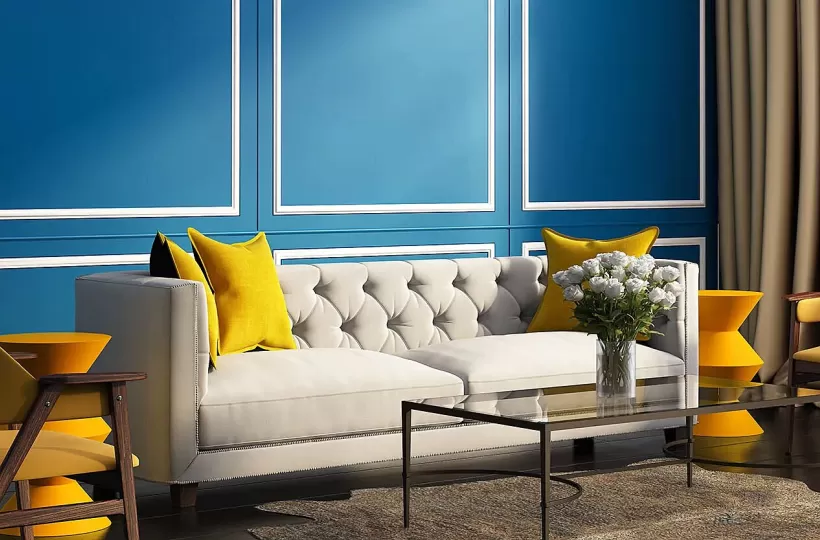
What Colours Match with Blue? 14 Colour Combinations with Blue for Your Home What Colours Match with Blue? 14 Colour Combinations with Blue for Your Home
Blue is a universally popular colour for décor and design; choosing a colour…
-
Recent Blogs
- Wooden House Design: 8 Kashmiri-Inspired Ideas for Warm and Elegant Homes
- Kashmiri Home Interior Design: 5 Ideas to Bring Kashmir's Beauty Into Your Home
- 7 Beautiful Kashmiri Home Design Ideas Inspired by Noor-e-Kashmir
- Cloud Dancer Colour of the Year – Meaning, Combinations, Interior Ideas and Trends
- How To Make Yellow Colour: Tips for Perfect Wall Paint Shades & Home Décor Ideas
-
Get in Touch
Looking for something else? Drop your query and we will contact you.
FAQs
Which mandir design in wall is best for Indian homes?
For compact apartments, a recessed niche with a wooden or marble shelf, backlit jaali panel and closed storage below works beautifully. Larger homes can have a full-wall mandir with carved frames and bells. Choose materials that are easy to clean around diyas and flowers. Keep the design uncluttered so the idols remain the focus, and add soft warm lighting above.
How do I apply a mandir wall paint design?
Start with a smooth, primed wall in a soft base colour like ivory or pale peach. Mark the design outline with pencil or a stencil, such as an arch, lotus or mandala. Fill motifs with metallic gold, saffron or deep red using fine brushes. Seal with a clear protective coat near the diya area. A professional artist can add freehand detailing for a richer finish.
What are simple wall painting designs for a pooja room?
Simple ideas include a painted arch or temple-shaped outline around the idol shelf, a gold OM symbol, or a large lotus behind the deities. Mandala stencils in metallic gold on a cream wall look elegant without much effort. Subtle bells, diya or kalash motifs along a border work well. Keep colours limited to two or three for a calming, spiritual look.
Which colours are best for a pooja room design in wall?
White, cream and light yellow are the most popular, as they represent purity and brighten small spaces. Pale gold, light orange and soft saffron add warmth and a festive glow. Light blue or green bring calm and suit north-east corners. Avoid dark greys, black and very deep reds, which can make compact prayer areas feel heavy and dim.
What are trending Indian pooja room designs this year?
Backlit CNC-cut panels with sacred motifs, fluted wooden backdrops and floating shelves are very popular. Many homes combine white or cream walls with brass accents and hanging bells. Glass or wooden sliding doors that close the mandir when not in use suit open-plan homes. Textured or Venetian finish backdrops in soft gold give a premium look with minimal maintenance.
What mistakes should I avoid in a wall mandir design?
Avoid placing the mandir on a wall shared with a bathroom or directly under a staircase, as per common Vastu guidance. Do not overcrowd the space with too many idols and decor items. Skipping heat-resistant surfaces near diyas can cause soot marks and damage. Choosing glossy paint that shows smoke stains, or poor lighting that leaves idols in shadow, are also common mistakes.


Get in Touch
Looking for something else? Drop your query and we will contact you.
Latest Happenings in the Paint World
Get some inspiration from these trending articles


Popular Post
Popular Searches
What’s Trending in Bedrooms
Explore Trending Living Room Ideas
- Living Room Colour Combination
- Modern Two Colour Combination for Living Room
- Wall Texture for Living Room
- Vastu Colours for Living Room
- Wall Texture Design for Living Room
- Living Room Paint Ideas
- Living Room Design Ideas
- Paint Colour Ideas for Living Room
- Living Room TV Wall Designs
- Green Living Room Walls
Kitchen Ideas People Love
Explore Trending Ceiling Ideas
Study Room Ideas in Demand
Explore Wall Paint Categories
Handpicked Colour Inspirations
- Accent Wall Design
- Bedroom Design Ideas
- Exterior Wall Colour Design Ideas
- Interior Wall Colour Design Ideas
- Kitchen Design Ideas
- Living Room Interior Design
- Geometric Wall Design Ideas
- Home Colour Combination Ideas
- Home Décor Ideas
- Mural Wall Paint Design Ideas
- Office Space Design Ideas
- Puja Room Design Ideas
- Texture Design Ideas
- Festival Painting Ideas
- Paint Colour Chart
- Wall Painting Designs
- Wood Wall Décor Ideas
- Mural Wall Paint Design
- Hall Design Ideas
- Gate Colour Design
- Exterior Wall Colour Design
- Door Colour Design Ideas
-
 Get in Touch
-
Store Locator
-
 Download App
×
Get in Touch
Looking for something else? Drop your query and we will contact you.

