

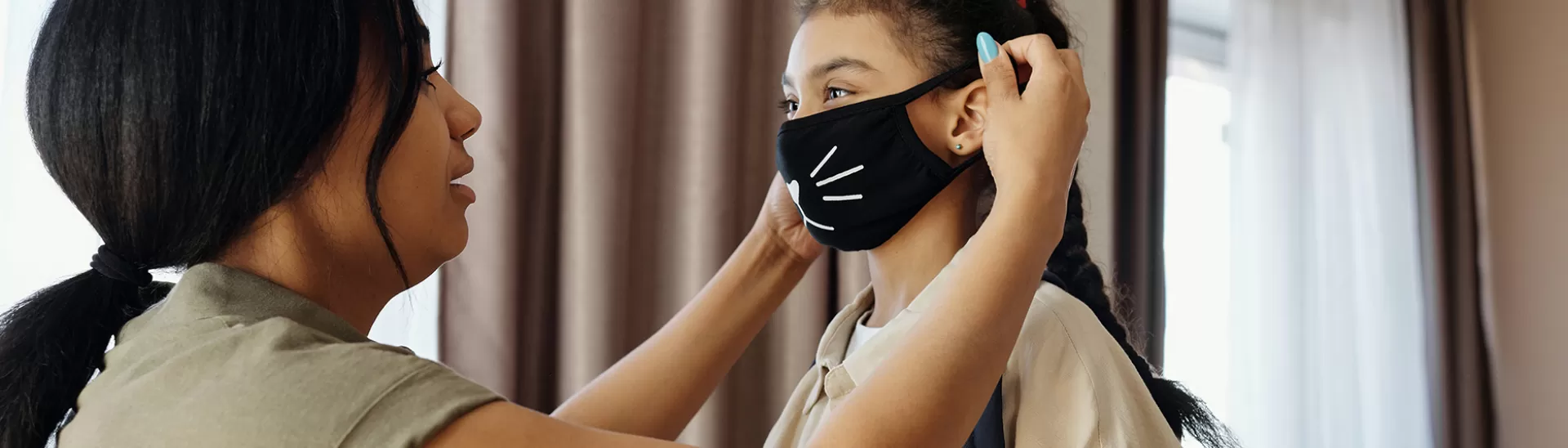
How to Protect Your Family from Viruses and Bacteria at Home?
Published: 03 Dec 2020 | Modified: 28 Oct 2026
Quick Summary
To protect your family from viruses and bacteria at home, combine regular hygiene with cleaner surfaces. Wash hands often, disinfect frequently touched surfaces like door handles, switches and tables, keep rooms well ventilated and clean walls regularly. Antiviral and antibacterial paint such as Nerolac Excel Virus Guard adds a protective layer by reducing microbes on wall surfaces, while surface disinfectants help sanitise other areas of the home.
Create Your Dream Home With Our Painting Experts
Fill the form below to book a free site evaluation by Nerolac Nxtgen painting Services expert
TABLE OF CONTENTS
Today, everybody's talking about the coronavirus pandemic and how to protect ourselves from it. It is the most prominent health crisis of the current time, but it isn’t the only one. Many other diseases including viral fever and common cold/flu, etc. spread due to viruses and bacteria. It is more important than ever to learn about such viruses and bacteria, how they cause infections, and how you can prevent yourself and your family from them. So let’s begin.
Understanding the Risks of Viruses and Bacteria
We already know that viruses and bacteria are harmful microbes that are present in a variety of environments, and if they enter your body, they can start multiplying and cause illness. They are transmitted by people, animals, or other environmental sources, depending on specific pathogens. And although both viruses and bacteria infect you in similar ways, they are quite different from one another.
How Viruses Spread and Cause Infections?
Viruses are submicroscopic, and they are not even considered cells by biologists. They are essentially RNA or DNA strands covered in envelopes, but this is just an oversimplification. The most common diseases caused by viruses are chickenpox, common cold, influenza and rabies. On the bright side, most viruses can only survive on surfaces for a few hours or days before they disintegrate, which is why you need to disinfect the surfaces around the house often.
How Bacteria Survive on Household Surfaces?
On the other hand, bacteria are relatively tame. They are mostly harmless, except a few ones that can cause illnesses like ear infection, strep throat, urinary tract infection, whooping cough, etc. Unlike viruses, bacteria can survive longer on surfaces and can even multiply. When you disinfect the surfaces around your home or wash your hands, you are eliminating all the bacteria as well.
Why Viruses and Bacteria Can Be Harmful?
Usually, viruses and bacteria spread through a chain of infections. To protect yourself and your family, you need to break this chain, and here’s how you can do that.
Disinfect Household Surfaces Regularly
Viruses and bacteria can stay on surfaces for hours and days. When you touch those surfaces, these microbes get on your skin, enter your body, and infect you. This is one of the most common ways for such microbes to infect you.
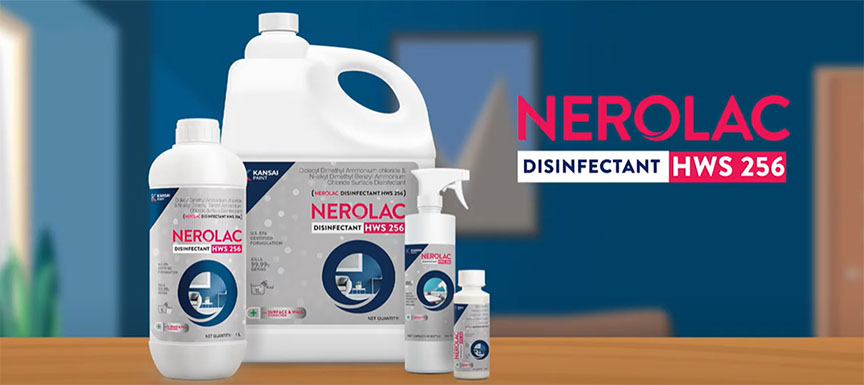
So protect yourself by using high-quality disinfectants that won’t destroy the surfaces while killing viruses and bacteria. You can use our Nerolac Surface Disinfectant HWS 256 to disinfect all the surfaces in your house, office, and car. It is EPA certified and provides all surface protection for up to six to eight hours.
Create Self-Sanitising Wall Surfaces with Antiviral Paint
Sure, you can regularly clean all your surfaces using disinfectants, but doing the same for your walls can be tedious. This makes your walls one of the most ignored areas in your home where viruses and bacteria can live as if they own the place. Paint up your house walls with our Nerolac Excel Virus Guard India’s First Anti-viral paint. What's so special about this paint? Apart from giving a rich European finish in your homes, it reduces bacteria, viruses & germs by 99.9%.
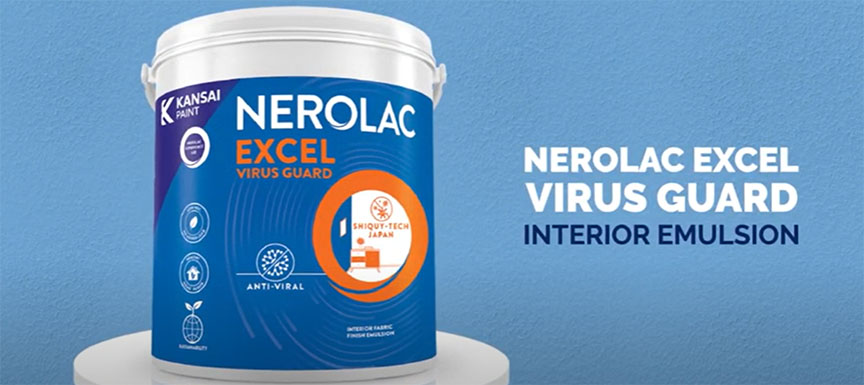
So no more cleaning and disinfecting your home walls, Nerolac Excel Virus Guard paint will continue creating safe wall surfaces for everyone in your home. It's now time to live in a smart home with smart elements, like self-sanitising Nerolac Excel Virus Guard antiviral paint. Opt for a paint that looks premium, absorbs any foul smells in your home, and controls indoor humidity. That’s the kind of protection you need to provide to your family when you know that the most-touched surfaces in your house, like home walls, are home to several viruses and bacteria. Talk to your nearest Nerolac paint dealer to take a step towards a safer space.
Key Takeaways
- Viruses and bacteria spread through contact, droplets and contaminated surfaces.
- Viruses usually survive for hours to days on surfaces, while some bacteria last longer.
- Regular disinfection of high-touch surfaces breaks the chain of infection at home.
- Anti bacterial paint for home walls helps reduce microbes on painted surfaces.
- Nerolac Excel Virus Guard is designed to reduce viruses and bacteria by up to 99.9% on walls.
- Hygienic wall paint works best alongside cleaning and handwashing, not instead of them.
Nerolac Paints, a leading paint company in India offers a wide range of wall paint colours & painting services & solutions for homes & offices.
-
Best Colour Combination For Walls To Elevate Your Home Interiors Best Colour Combination For Walls To Elevate Your Home Interiors
Intoduction:In 2025, harmonious colour schemes for individuality and…
-
Best Green Colour Combinations for Walls – Schemes & Design Ideas Best Green Colour Combinations for Walls – Schemes & Design Ideas
Introduction:Green has long been a favourite choice in home decor…
-
What Colours Match with Blue? 14 Colour Combinations with Blue for Your Home What Colours Match with Blue? 14 Colour Combinations with Blue for Your Home
Blue is a universally popular colour for décor and design; choosing a colour…
-
Recent Blogs
- Wooden House Design: 8 Kashmiri-Inspired Ideas for Warm and Elegant Homes
- Kashmiri Home Interior Design: 5 Ideas to Bring Kashmir's Beauty Into Your Home
- 7 Beautiful Kashmiri Home Design Ideas Inspired by Noor-e-Kashmir
- Cloud Dancer Colour of the Year – Meaning, Combinations, Interior Ideas and Trends
- How To Make Yellow Colour: Tips for Perfect Wall Paint Shades & Home Décor Ideas
-
Get in Touch
Looking for something else? Drop your query and we will contact you.
FAQs
Which surfaces at home need disinfection most often?
High-touch surfaces carry the most germs: door handles, light switches, taps, remote controls, mobile phones, dining tables, kitchen counters and toilet flush handles. Clean them daily with soap and water or a suitable disinfectant, especially when someone at home is unwell. Clean first to remove dirt, then disinfect. Follow the product's contact time for best results.
Where is antibacterial paint most useful in a home?
Antibacterial paint is most useful where walls are touched often or hygiene matters most: kids rooms, kitchens, bathrooms, dining areas, elderly family members' rooms and entrances. It helps reduce microbes on painted surfaces between cleanings, which is especially useful in homes with young children, elderly family members or anyone recovering from illness. It is also useful in home clinics or offices where visitors come and go.
How does ventilation help reduce germs at home?
Fresh air dilutes airborne virus particles and moisture, which lowers the risk of infection spreading indoors. Open windows for cross-ventilation daily, use exhaust fans in kitchens and bathrooms, and avoid keeping rooms sealed for long periods. In the monsoon, dehumidifiers or fans help prevent dampness, which encourages mould and bacteria. Air purifiers can support ventilation but are not a replacement for fresh air.
Can I clean walls painted with antiviral paint normally?
Yes. Wipe them gently with a soft damp cloth and mild soap once the paint has fully cured. Avoid harsh chemicals, bleach or abrasive scrubbers, which can damage the paint film. Cleaning doesn't remove the paint's protective properties when done gently. Focus on high-touch areas such as switches and door frames, and follow the manufacturer's care instructions for the specific product.
Should I repaint my entire home with hygienic wall paint?
Not necessarily. Many homeowners prioritise high-risk or high-touch rooms such as kids rooms, bedrooms of elderly members, kitchens and bathrooms. You can switch the rest of the home to hygienic paint during the next scheduled repaint. Choosing hygienic paint for these rooms first gives the most benefit for the cost. Combine it with good ventilation, dry walls and regular cleaning so the protection is supported by healthy habits.
What daily habits keep a home free from germs?
Wash hands with soap for at least 20 seconds, especially before eating and after coming home. Leave footwear at the entrance, clean kitchen surfaces after cooking, change towels and bed linen regularly, dry damp areas quickly and keep rooms ventilated. Clean phones, keys and remote controls regularly, and avoid sharing towels when someone is unwell.


Get in Touch
Looking for something else? Drop your query and we will contact you.
Latest Happenings in the Paint World
Get some inspiration from these trending articles



Popular Post
Popular Searches
What’s Trending in Bedrooms
Explore Trending Living Room Ideas
- Living Room Colour Combination
- Modern Two Colour Combination for Living Room
- Wall Texture for Living Room
- Vastu Colours for Living Room
- Wall Texture Design for Living Room
- Living Room Paint Ideas
- Living Room Design Ideas
- Paint Colour Ideas for Living Room
- Living Room TV Wall Designs
- Green Living Room Walls
Kitchen Ideas People Love
Explore Trending Ceiling Ideas
Study Room Ideas in Demand
Explore Wall Paint Categories
Handpicked Colour Inspirations
- Accent Wall Design
- Bedroom Design Ideas
- Exterior Wall Colour Design Ideas
- Interior Wall Colour Design Ideas
- Kitchen Design Ideas
- Living Room Interior Design
- Geometric Wall Design Ideas
- Home Colour Combination Ideas
- Home Décor Ideas
- Mural Wall Paint Design Ideas
- Office Space Design Ideas
- Puja Room Design Ideas
- Texture Design Ideas
- Festival Painting Ideas
- Paint Colour Chart
- Wall Painting Designs
- Wood Wall Décor Ideas
- Mural Wall Paint Design
- Hall Design Ideas
- Gate Colour Design
- Exterior Wall Colour Design
- Door Colour Design Ideas
-
 Get in Touch
-
Store Locator
-
 Download App
×
Get in Touch
Looking for something else? Drop your query and we will contact you.

