

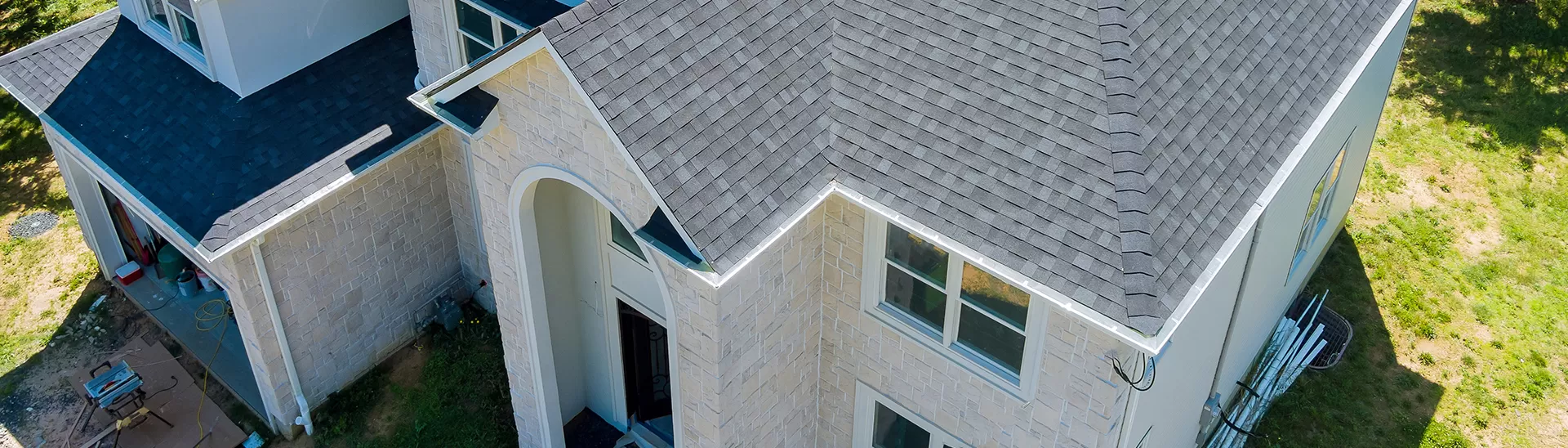
5 Steps Guide To Completely Waterproof Your Home
Published: 15 Jan 2022 | Modified: 31 Jul 2026
Quick Summary
Learning how to waterproof your home helps protect your property from water seepage, dampness, cracks, and long-term structural damage. Waterproof your house by planning waterproofing during construction, protecting roofs and terraces, repairing damaged walls, treating damp surfaces before repainting, and inspecting your home regularly to prevent future moisture problems.

Create Your Dream Home With Our Painting Experts
Fill the form below to book a free site evaluation by Nerolac Nxtgen painting Services expert
TABLE OF CONTENTS
Water see page/retention and damping is a popular and the most common problem that most people face nowadays. Poor quality waterproofing lack’s proper structure and is the crucial reason behind waterproofing solutions failing.
While the immediate result of this can be the puffiness of the walls, damping, and the paint getting peeled, all these can cause severe damage to the property if care is not taken timely.
Therefore, it is immensely important that the home waterproofing that is done is of superior quality, and you shouldn't try and save money on this.
In this article, we shall discuss with you five steps to completely waterproof your home.
Complete Guide To Waterproofing Your House
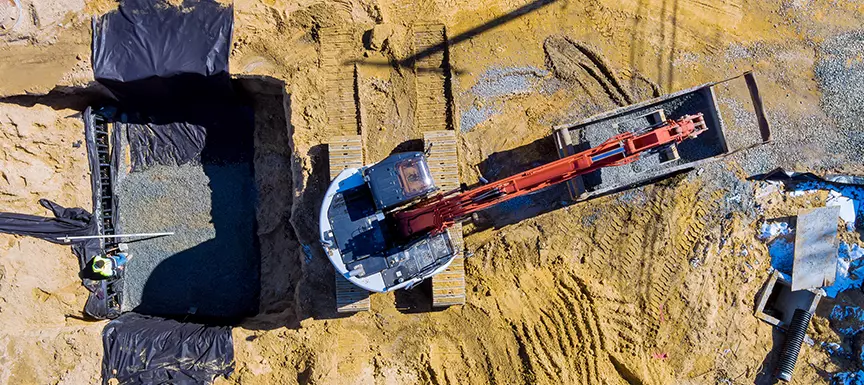
Undoubtedly, decor and furniture are essential parts of a home. But so is house waterproofing. Waterproofing your home is equally important in enhancing your home's overall look and vibe. Let's look at the 5 steps that can follow to waterproof your home completely.
-
Waterproofing During Construction
Waterproofing, when done at the right time during construction, can prove highly beneficial. This initial step is to use a high-quality liquid compound with sand and cement. These can be applied to all basements, pillars, roof slabs, brickworks, etc. When mixed in the right amount, it makes a strong, cohesive bond that prevents segregation.
-
Waterproofing the terrace
Your terrace or roof needs complete attention since even a minor crack can worsen and cause water seepage, which can cause dampness. Leakage in the roof area happens in those houses which lack waterproofing at the time of construction. To waterproof your terrace, you must first be fully prepared to clean through the cracks and the leftover area.
-
Old and Damaged need Waterproofing
When weather conditions worsen, it's best to repair the house walls as soon as possible. You can even leave it the way it is, but this will lead to damaging the property entirely and can be fatal to the property. Old and damaged plastering can lead to water seeping in and the build-up of moisture and dampness. A suitable additive or bonding agent and the most appropriate waterproofing technique are equally important.
-
Before Repairing, Waterproofing Walls
Treating moisture built up and dampness on the house walls before you get it repainted is crucial. If you can get a professional to get the job done, nothing like it. They know the best ways to cure walls, making them ideal for painting. Also, determining the extent of dampness, whether moderate, mild, or severe, depends on the moisture meter. In mild dampness, the surface is supposed to be adequately cleaned with water and a wire brush. With less moisture build-up, only two coats of waterproofing are sufficient, and high-quality undercoating is made of emulsion and silicon. This helps the surface be resistant to salt, alkali, and water.
-
Check Walls for any Cracks or Faults
Finally is that you must regularly keep a check on any cracks or faults in the walls of your house. Waterproofing is the best and, indeed, a great solution that helps eliminate any causes of structural damage, such as dampness. These cracks can be hazardous to the pipelines. They can burst and cause havoc. Therefore, waterproofing can be a great preventive measure to ensure the safety and protection of your home.
What are the Products Used for Waterproofing your Home?
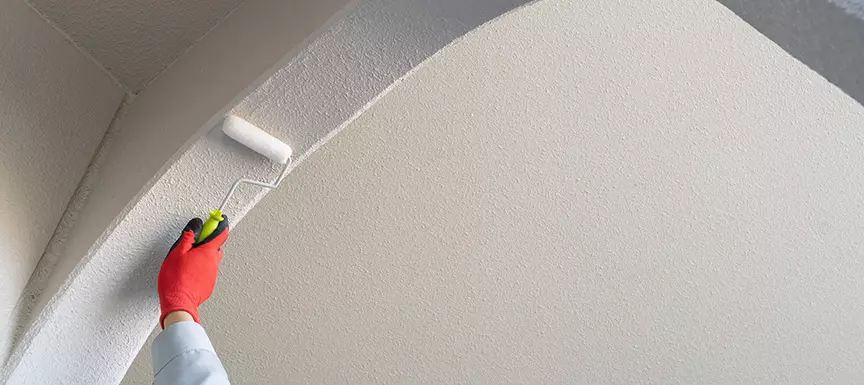
Multiple waterproofing solutions can be used to make a structure water-resistant or waterproof. It helps reduce the humidity inside the home and minimize any damages that can happen due to exposure to water. It is also an effective method for improving the life or longevity of the structure. Various waterproofing products are used in the home, such as
-
Polyurethane
This is used in roof waterproofing and all other exposed areas. It is one of the most expensive methods in the market.
-
Grout and Epoxy
This compound is used in the existing structures already in use and has developed faults. This chemical is injected into the walls by drilling holes to insert the material. A sealant is made, which creates a water-resistant barrier.
-
Vinyl Ester Resin
These compounds are used for concrete surfaces, which prevent corrosion and acid damage. The resin forms a waterproof membrane that helps guard against water damage and moisture.
-
Polyurea
This is the most flexible and resilient coating and is known for being abrasion and water-resistant. Also, it is very strong with antibacterial properties.
Things to Consider Before Waterproofing your Home
There are a few things to consider before waterproofing your home, such as
-
Inspection
You must inspect the entire home for any leaks, damages, cracks, or faults. These need immediate attention and should not be ignored at any cost.
-
Check for Gadgets and Wirings
You must inspect your home for any loose or faulty wiring. You should closely examine any water leakages or naked wires. As these can be fatal, getting them repaired should be of utmost priority. Using plastic covers to shield electrical appliances is a great way to begin.
-
Safeguarding the Outdoors
To prevent rainwater from entering your home space, it is vital that you use the best waterproofing products and ensure that the house waterproofing is done well. Monsoons are great, but not with the outdoor furniture or other equipment getting wet. So, keep them safe.
Conclusion
Waterproofing a house is a great way to prevent unwanted moisture from oozing into your home wall paint. Moreover, using waterproofing solutions such as those mentioned above helps in preventing seepage, which may eventually damage the structural strength. Also, water seepage can even damage the furniture and cause wood to decay. With waterproofing, all this can be taken care of hassle-free.
Additionally, it is advised that the house be waterproofed at the initial time of construction so that the foundation gets strong. A strong foundation lays the foundation for a robust structure, increasing its value and worth in the market.
Key Takeaways
- How to waterproof your home begins with proper waterproofing during the construction stage to create a durable foundation.
- Waterproof your home by protecting terraces, roofs, walls, and other moisture-prone areas before water seepage develops.
- Repair damaged plaster, cracks, and damp surfaces before applying waterproofing treatments or repainting.
- Waterproof your house with suitable waterproofing products selected according to the affected surface and moisture level.
- Regular inspections help identify cracks, leaks, and moisture early, reducing future repair costs.
- A waterproof home improves structural durability, reduces dampness, and helps extend the life of walls, paint, and furniture.
Nerolac Paints, a leading paint company in India offers a wide range of wall paint colours & painting services & solutions for homes & offices.
-
Best Colour Combination For Walls To Elevate Your Home Interiors Best Colour Combination For Walls To Elevate Your Home Interiors
Intoduction:In 2025, harmonious colour schemes for individuality and…
-
Best Green Colour Combinations for Walls – Schemes & Design Ideas Best Green Colour Combinations for Walls – Schemes & Design Ideas
Introduction:Green has long been a favourite choice in home decor…
-

What Colours Match with Blue? 14 Colour Combinations with Blue for Your Home What Colours Match with Blue? 14 Colour Combinations with Blue for Your Home
Blue is a universally popular colour for décor and design; choosing a colour…
-
Recent Blogs
- Wooden House Design: 8 Kashmiri-Inspired Ideas for Warm and Elegant Homes
- Kashmiri Home Interior Design: 5 Ideas to Bring Kashmir's Beauty Into Your Home
- 7 Beautiful Kashmiri Home Design Ideas Inspired by Noor-e-Kashmir
- Cloud Dancer Colour of the Year – Meaning, Combinations, Interior Ideas and Trends
- How To Make Yellow Colour: Tips for Perfect Wall Paint Shades & Home Décor Ideas
-
Get in Touch
Looking for something else? Drop your query and we will contact you.
FAQs
How can I waterproof my home effectively?
To waterproof your home effectively, start during construction, waterproof terraces and roofs, repair damaged walls, treat damp surfaces before repainting, and inspect the property regularly for cracks and water seepage.
Why should I waterproof my house?
Waterproofing helps prevent dampness, water seepage, paint peeling, mould growth, structural deterioration, and costly repairs while improving the lifespan of your home.
What are the best areas to waterproof in a home?
The most important areas include roofs, terraces, basements, foundations, exterior walls, bathrooms, balconies, and any location exposed to frequent moisture or rainfall.
What products are commonly used to waterproof a home?
Common waterproofing products include polyurethane coatings, grout and epoxy systems, vinyl ester resins, and polyurea coatings, each designed for different waterproofing requirements.
When is the best time to waterproof your home?
The ideal time is during construction, but existing homes should be waterproofed before major signs of dampness, cracks, seepage, or repainting projects occur.
How often should I inspect my home for waterproofing issues?
Inspect your home at least once a year and before or after the monsoon season to identify cracks, leaks, damaged plaster, moisture build-up, or drainage problems before they become severe.


Get in Touch
Looking for something else? Drop your query and we will contact you.
Latest Happenings in the Paint World
Get some inspiration from these trending articles




Popular Post
Popular Searches
What’s Trending in Bedrooms
Explore Trending Living Room Ideas
- Living Room Colour Combination
- Modern Two Colour Combination for Living Room
- Wall Texture for Living Room
- Vastu Colours for Living Room
- Wall Texture Design for Living Room
- Living Room Paint Ideas
- Living Room Design Ideas
- Paint Colour Ideas for Living Room
- Living Room TV Wall Designs
- Green Living Room Walls
Kitchen Ideas People Love
Explore Trending Ceiling Ideas
Study Room Ideas in Demand
Explore Wall Paint Categories
Handpicked Colour Inspirations
- Accent Wall Design
- Bedroom Design Ideas
- Exterior Wall Colour Design Ideas
- Interior Wall Colour Design Ideas
- Kitchen Design Ideas
- Living Room Interior Design
- Geometric Wall Design Ideas
- Home Colour Combination Ideas
- Home Décor Ideas
- Mural Wall Paint Design Ideas
- Office Space Design Ideas
- Puja Room Design Ideas
- Texture Design Ideas
- Festival Painting Ideas
- Paint Colour Chart
- Wall Painting Designs
- Wood Wall Décor Ideas
- Mural Wall Paint Design
- Hall Design Ideas
- Gate Colour Design
- Exterior Wall Colour Design
- Door Colour Design Ideas
-
 Get in Touch
 -
Store Locator
-
 Download App
×
Get in Touch
Looking for something else? Drop your query and we will contact you.

