

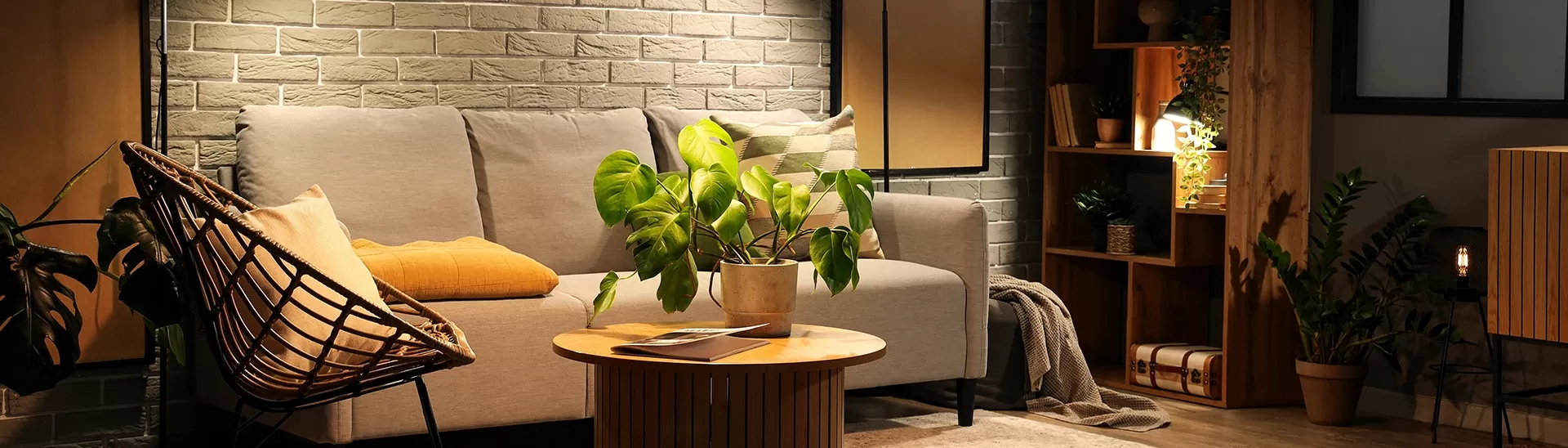
House Interior Design & Interior Architecture: Creating Spaces That Inspire
Published: 07 Aug 2025 | Modified: 25 Aug 2026
Quick Summary
House interior design works best when style, comfort and functionality are planned together. Interior architecture connects the structure of a home with practical design choices such as open layouts, built-in storage, flexible spaces and layered lighting. From studio flats and independent homes to duplexes and heritage properties, thoughtful planning can help create interiors that feel organised, comfortable and suited to everyday life.
Create Your Dream Home With Our Painting Experts
Fill the form below to book a free site evaluation by Nerolac Nxtgen painting Services expert
TABLE OF CONTENTS
A home is not just bricks, concrete or tiles. A place you stand in when your day starts and ends. The location of family meals together, and of solitude, after a long day. The objects in your home all have memories. Whether you live in a small apartment or a free-standing home, ultimately, the feeling of your home will depend on design and planning.
In this blog, you will explore the interior and exterior of the house.
Understanding Between Architecture and Interior Design
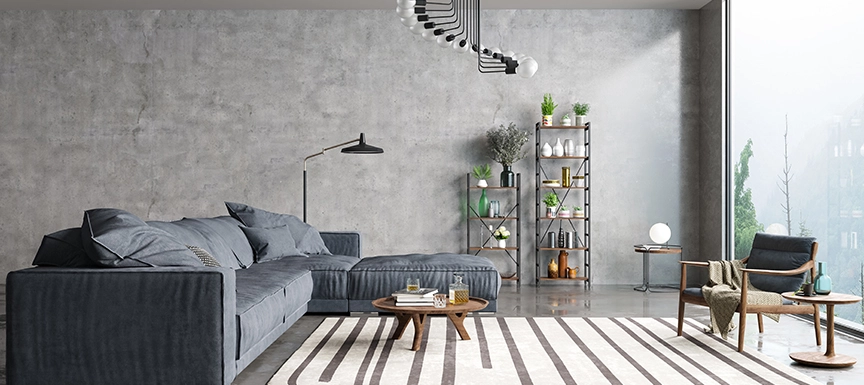
Architecture forms the base of your home. It determines where walls are positioned, how rooms are arranged, where natural light enters, and how your overall layout functions. Interior design comes in after that. Even small choices, such as opting for a calm and elegant wall finish like Nerolac Impression Kashmir Matt, can influence the mood of the space without overwhelming it.
The bridge between the two is interior architecture. It ensures that your structure supports your lifestyle. For example, having built-in storage below windows or creating shelves inside a wall niche are choices where structure and style work together. This is what design interior architecture means: creating a space that fits your life, not the other way around.
Top House Interior Design Trends: Blending Style and Structure
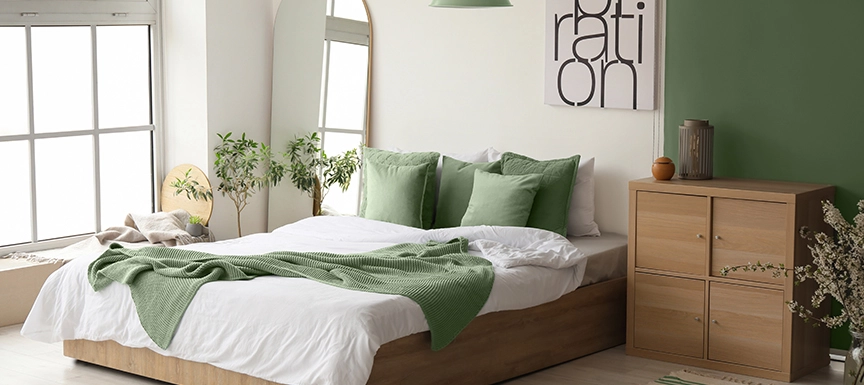
Homeowners today are seeking interiors that do more than just look aesthetically pleasing. They want spaces that support real life. Subtle, practical touches, such as selecting a crisp paint shade like Beauty Smooth WOW White, are becoming part of this shift, contributing to a clean and airy feel. Let's look at some ideas becoming popular across Indian homes:
- Open layouts: Removing extra walls between kitchens and living rooms allows natural light and air to flow freely. It also creates a more expansive feel.
- Natural wall finishes: Things like bamboo, terracotta, and woven cane look great, but they also suit our climate and warm up the room.
- Concealed storage: Whether it's drawers concealed in a bed or storage built into a step, intelligent design ensures you're not living in clutter, even in small homes.
- Detailed ceilings: Instead of bare white ceilings, wooden panels, painted sections, or various designs of false ceilings with clever lighting are taking over.
- Flexible-use rooms: These rooms are now designed to serve multiple purposes. A study during the day can turn into a guest room at night. These ideas reflect how architecture & interior design work together to solve everyday challenges.
Exploring Interior Architecture for Different Home Types
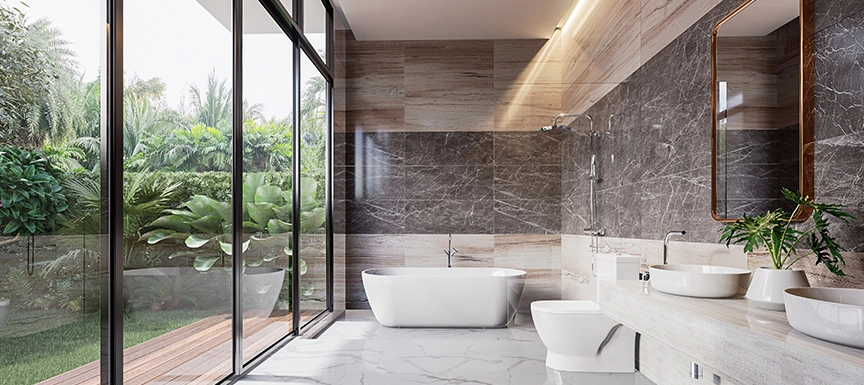
Different types of homes need different approaches. Let's look at how interior architecture adapts to each:
- Studio flats: With limited space, zoning becomes key. Using changes in flooring, colours, or ceiling height helps identify different spaces without the need for building walls.
- Independent Homes: Detached homes provide a bigger canvas for architectural characteristics such as verandahs, skylights and internal courtyards, which add to comfort and ventilation.
- Duplex homes: In a duplex, the stairs can become a wonderful feature. It is possible to use lighting, decorative railing, or wall art to make a statement about a staircase.
- Heritage homes: Heritage homes now have carved pillars or arched doors, accentuated rather than hidden. Simple, neutral interiors help these elements stand out.
Interior Design Architecture That Defines Modern Spaces
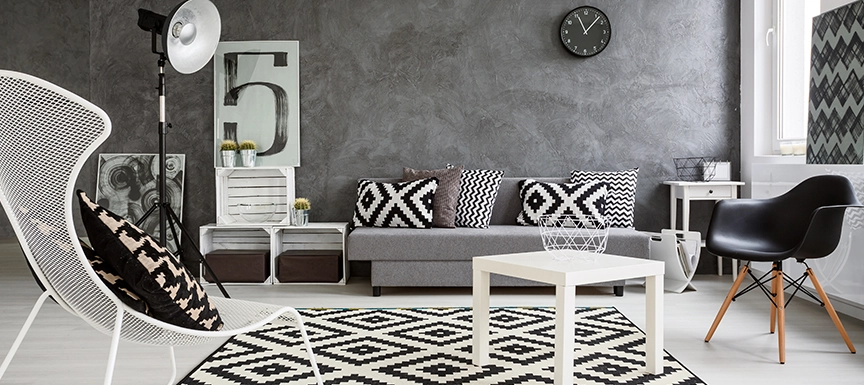
With so much happening in our homes today—work, school, relaxation, and entertainment—modern spaces need to be versatile and calm. This is where interior design architecture becomes practical.
- Open spaces: Open areas provide opportunities for movement rather than enclosed rooms. You can distinguish areas with modular shelving or flooring materials.
- Built-in storage: Wall storage, folding desks, wall-hung shelves, or cabinets can help your home stay organised with less visible clutter.
- Layered light: Homes are using combinations of lighting instead of just a boxy central tube light, and you have so many options now; wall lighting, floor lighting, and recessed lighting that fit our time and mood.
- Neutral palettes: The use of neutral colours like cream, soft grey, and light beige creates a calm and safe foundation and also makes your space feel larger in confined urban areas where the sun is limited.
Expert Tips for Perfecting Your House Interior Design and Architecture
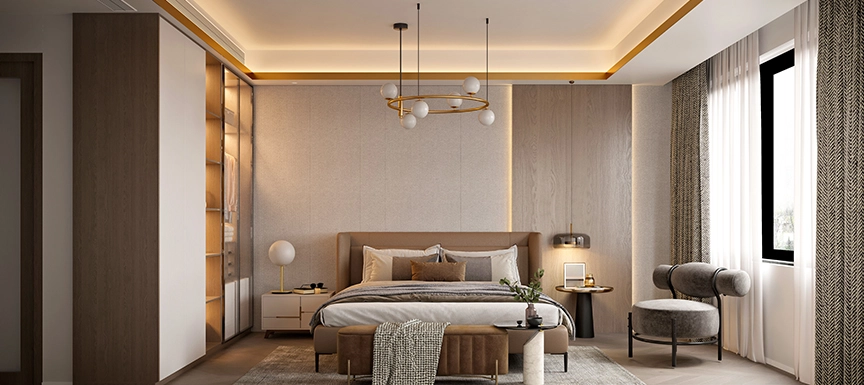
Designing your space shouldn't feel daunting when there are so many usable tips that will help you integrate interior architecture and design together seamlessly:
- Think about usage first: Before choosing colours or tiles, consider what each room is intended for. That shapes every decision after.
- Let the light in: Select window coverings that allow sunlight to pass through while maintaining your privacy.
- Utilise unusual spaces: Corners and nooks can be transformed into shelves, reading zones, or even small prayer areas.
- Add thoughtful contrast: Use white for door frames or mouldings when the walls are darker. Paint the inner part of an arch a different colour to highlight it. Try matte walls with glossy storage units in the same colour for a quiet contrast.
- Look up: Ceilings deserve attention, too. Try a light colour that differs slightly from the walls, or expose wooden beams for added depth.
- Repeat elements: Use the same wood, fabric, or tone across multiple rooms to achieve consistency without it becoming boring.
Real-Life Examples of Architecture and Interior Design Excellence
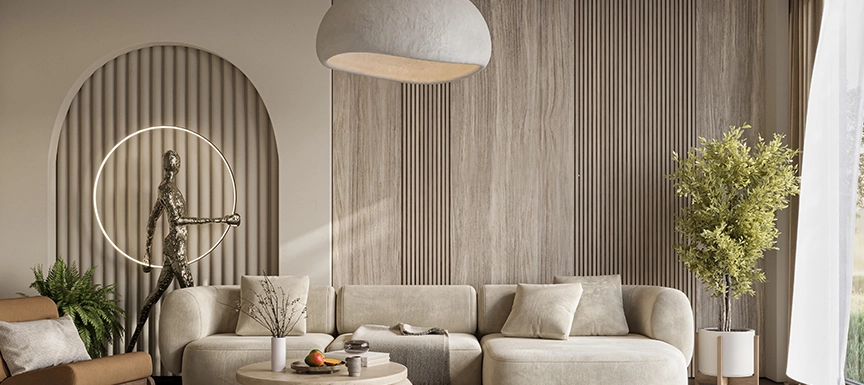
Some Indian homes show how thoughtful design makes a difference:
- Mumbai apartment: A young couple turned one wall into a built-in work-and-dining unit. Cabinets below store kitchenware, while the surface doubles as a study desk.
- Delhi bungalow: The original archways were retained and painted in soft peach, while the rest of the walls stayed cream. Warm lighting and brass handles added a timeless charm to the space.
- Bengaluru duplex: Instead of covering up the structural cement walls, the owners opted for a raw look. Olive green beams on the ceiling and long, white curtains added softness and structure to the space.
Final Thoughts: House Interior Design with Interior Architecture
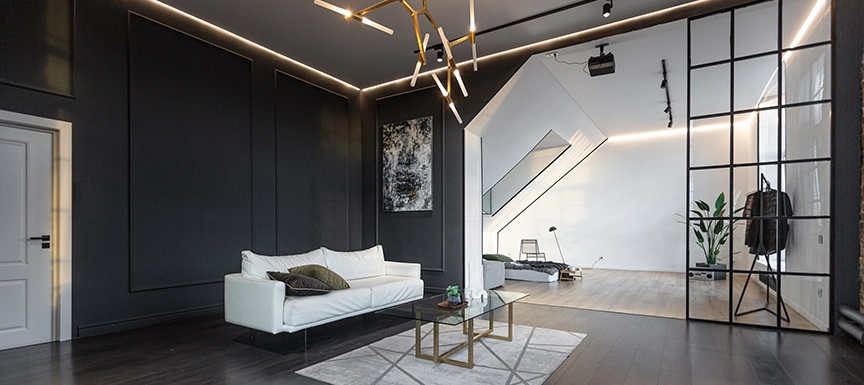
Every house has its history, and these histories become relevant when they suit your life. A cohesive space does not have to comply with all trends, just what works for you.
When house interior design and interior architecture are viewed as a single discipline, houses can be more than decoration; they can work for the people who inhabit them. Whether it is an apartment in Pune or a family home in Lucknow, the end objective is the same: balance, comfort and clarity.
Key Takeaways
- Architecture determines the structure and layout, while interior design shapes how the space looks and feels.
- Interior architecture brings structure and style together to make a home more functional.
- Open layouts can improve movement, natural light and the sense of space.
- Built-in and concealed storage can reduce clutter, especially in compact homes.
- Layered lighting using wall, floor and recessed lights can make spaces more versatile.
- Neutral shades such as cream, soft grey and light beige can create a calm and spacious feel.
- Different home types require different interior architecture approaches based on their size and structure.
- Planning each room around its intended use helps create a practical and cohesive home interior.
Nerolac Paints, a leading paint company in India offers a wide range of wall paint colours & painting services & solutions for homes & offices.
-
Best Colour Combination For Walls To Elevate Your Home Interiors Best Colour Combination For Walls To Elevate Your Home Interiors
Intoduction:In 2025, harmonious colour schemes for individuality and…
-
Best Green Colour Combinations for Walls – Schemes & Design Ideas Best Green Colour Combinations for Walls – Schemes & Design Ideas
Introduction:Green has long been a favourite choice in home decor…
-
What Colours Match with Blue? 14 Colour Combinations with Blue for Your Home What Colours Match with Blue? 14 Colour Combinations with Blue for Your Home
Blue is a universally popular colour for décor and design; choosing a colour…
-
Recent Blogs
- Wooden House Design: 8 Kashmiri-Inspired Ideas for Warm and Elegant Homes
- Kashmiri Home Interior Design: 5 Ideas to Bring Kashmir's Beauty Into Your Home
- 7 Beautiful Kashmiri Home Design Ideas Inspired by Noor-e-Kashmir
- Cloud Dancer Colour of the Year – Meaning, Combinations, Interior Ideas and Trends
- How To Make Yellow Colour: Tips for Perfect Wall Paint Shades & Home Décor Ideas
-
Get in Touch
Looking for something else? Drop your query and we will contact you.
FAQs
What is house interior design?
House interior design involves planning the colours, finishes, furniture, lighting, storage and décor of a home to create a space that is comfortable, functional and visually appealing.
What is the difference between interior architecture and interior design?
Architecture establishes the structure and layout of a home, while interior design focuses more on the look, feel and functionality of the interior. Interior architecture connects these two aspects.
How can interior architecture improve a home?
It can make better use of available space through features such as built-in storage, wall niches, flexible layouts and integrated design elements.
What interior design ideas work well for small homes?
Open layouts, concealed storage, wall-mounted shelves, flexible-use spaces and light neutral colours can help small homes feel more organised and spacious.
How can lighting improve house interior design?
Using a combination of recessed, wall and floor lighting can create different layers of illumination and make a room more comfortable for activities such as working, relaxing and entertaining.
How do I create a cohesive interior design across my home?
Repeat selected materials, colours, wood tones or fabrics across different rooms. This creates a visual connection while still allowing each space to have its own character.
-

Top 15 Home Staircase Design Ideas: Modern Stairs Design Inside the House Previous Blog Top 15 Home Staircase Design Ideas: Modern Stairs Design Inside the House -

Restaurant Interior Design Ideas: Simple, Stylish & Low-Budget Décor Tips Next Blog Restaurant Interior Design Ideas: Simple, Stylish & Low-Budget Décor Tips
Get in Touch
Looking for something else? Drop your query and we will contact you.
Latest Happenings in the Paint World
Get some inspiration from these trending articles



Popular Post
Popular Searches
What’s Trending in Bedrooms
Explore Trending Living Room Ideas
- Living Room Colour Combination
- Modern Two Colour Combination for Living Room
- Wall Texture for Living Room
- Vastu Colours for Living Room
- Wall Texture Design for Living Room
- Living Room Paint Ideas
- Living Room Design Ideas
- Paint Colour Ideas for Living Room
- Living Room TV Wall Designs
- Green Living Room Walls
Kitchen Ideas People Love
Explore Trending Ceiling Ideas
Study Room Ideas in Demand
Explore Wall Paint Categories
Handpicked Colour Inspirations
- Accent Wall Design
- Bedroom Design Ideas
- Exterior Wall Colour Design Ideas
- Interior Wall Colour Design Ideas
- Kitchen Design Ideas
- Living Room Interior Design
- Geometric Wall Design Ideas
- Home Colour Combination Ideas
- Home Décor Ideas
- Mural Wall Paint Design Ideas
- Office Space Design Ideas
- Puja Room Design Ideas
- Texture Design Ideas
- Festival Painting Ideas
- Paint Colour Chart
- Wall Painting Designs
- Wood Wall Décor Ideas
- Mural Wall Paint Design
- Hall Design Ideas
- Gate Colour Design
- Exterior Wall Colour Design
- Door Colour Design Ideas
-
 Get in Touch
 -
Store Locator
-
 Download App
×
Get in Touch
Looking for something else? Drop your query and we will contact you.

