


Home Hygiene Tips: Protecting Your Family from Viruses and Bacteria
Published: 30 Oct 2020 | Modified: 28 Oct 2026
Quick Summary
Good home hygiene reduces the risk of viruses and bacteria causing colds, flu and other infections. Clean and disinfect frequently touched surfaces, including walls in high-contact areas, keep rooms dry and ventilated, and follow regular handwashing. Hygienic paint for walls such as Nerolac Excel Virus Guard, made with Japanese Shiquy technology, helps reduce microbes on painted surfaces, adding an extra layer of protection for children and elderly family members.

Create Your Dream Home With Our Painting Experts
Fill the form below to book a free site evaluation by Nerolac Nxtgen painting Services expert
TABLE OF CONTENTS
Key Takeaways
- Invisible viruses at home can cause colds, coughs, fever and flu, especially in children and the elderly.
- Seasonal changes often bring more viral infections, so hygiene matters more at these times.
- Clean high-touch surfaces, including walls near switches and doors, regularly.
- Hygiene paint such as Nerolac Excel Virus Guard helps reduce viruses and bacteria on walls.
- Keep homes dry and ventilated, as damp spots encourage germs and mould.
- Home hygiene works best as a combination of habits, cleaning and protective surfaces.
Nerolac Paints, a leading paint company in India offers a wide range of wall paint colours & painting services & solutions for homes & offices.
-
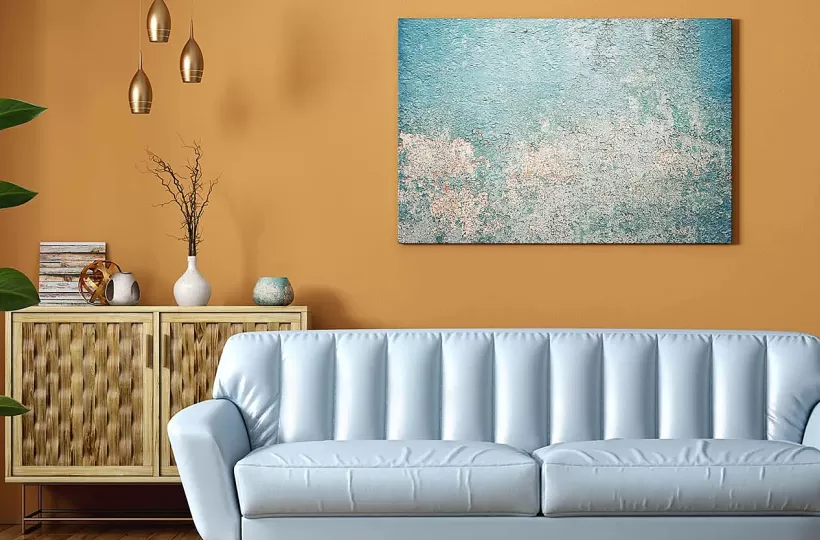
Best Colour Combination For Walls To Elevate Your Home Interiors Best Colour Combination For Walls To Elevate Your Home Interiors
Intoduction:In 2025, harmonious colour schemes for individuality and…
-
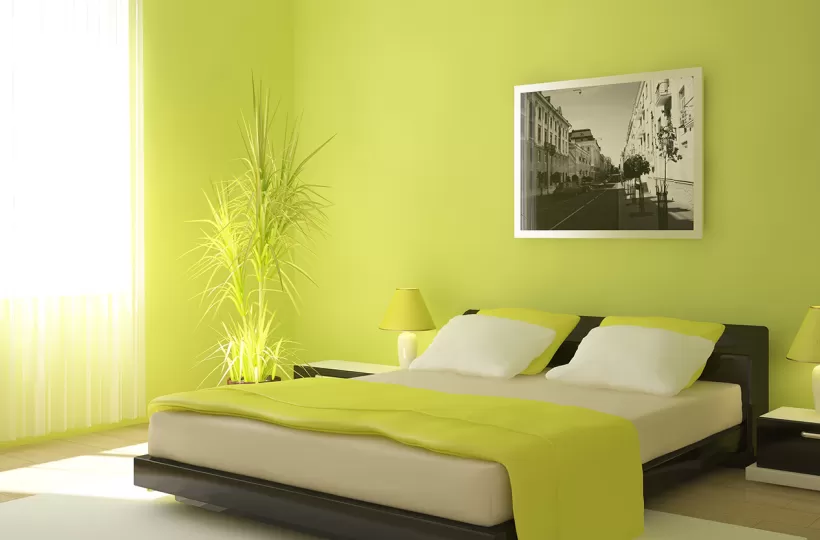
Best Green Colour Combinations for Walls – Schemes & Design Ideas Best Green Colour Combinations for Walls – Schemes & Design Ideas
Introduction:Green has long been a favourite choice in home decor…
-
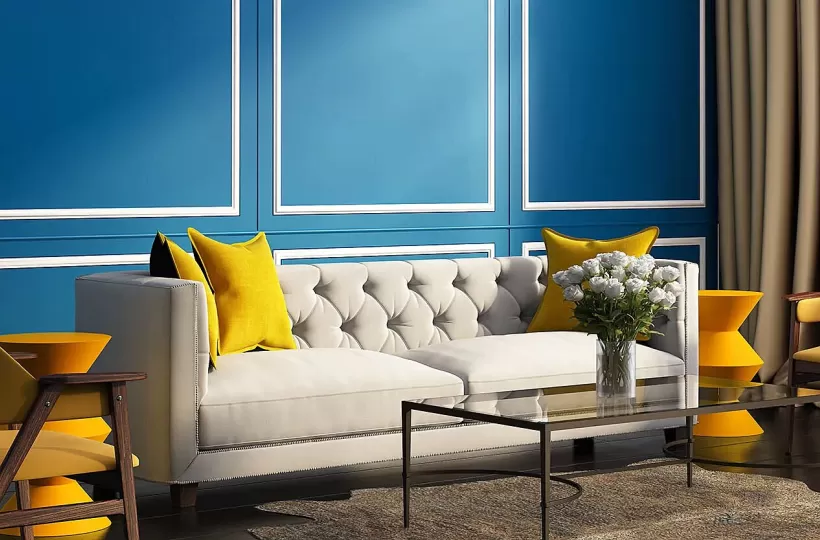
What Colours Match with Blue? 14 Colour Combinations with Blue for Your Home What Colours Match with Blue? 14 Colour Combinations with Blue for Your Home
Blue is a universally popular colour for décor and design; choosing a colour…
-
Recent Blogs
- Wooden House Design: 8 Kashmiri-Inspired Ideas for Warm and Elegant Homes
- Kashmiri Home Interior Design: 5 Ideas to Bring Kashmir's Beauty Into Your Home
- 7 Beautiful Kashmiri Home Design Ideas Inspired by Noor-e-Kashmir
- Cloud Dancer Colour of the Year – Meaning, Combinations, Interior Ideas and Trends
- How To Make Yellow Colour: Tips for Perfect Wall Paint Shades & Home Décor Ideas
-
Get in Touch
Looking for something else? Drop your query and we will contact you.
FAQs
How often should I clean walls at home for hygiene?
Wipe high-contact wall areas such as around switches, door frames and dining areas once a week, and clean kitchen walls near the stove more often due to grease. Do a gentle full-wall dusting every month or two. Use a soft cloth with mild soap and water. Washable or hygienic paint makes routine wall cleaning easier and helps keep the paint looking fresh despite regular wiping.
Does dampness on walls affect home hygiene?
Yes. Damp walls encourage mould, fungus and musty odours, which can trigger allergies and respiratory problems. Fix the source of moisture, then clean and repaint with suitable anti-fungal or waterproofing products. Improve ventilation with exhaust fans and open windows, and check terraces, bathrooms and plumbing for leaks. Painting over damp walls without treating the cause usually leads to peeling and recurring mould, so address moisture first.
What cleaning products are safe to use on painted walls?
For most interior emulsions, a soft cloth with water and mild liquid soap is safe. Avoid bleach, ammonia, strong solvents and abrasive powders, which can dull or damage paint. Test any new cleaner on a hidden spot first. For grease in kitchens, a slightly stronger mild detergent solution works, wiped gently and rinsed with a damp cloth. Always wring out the cloth well so the wall doesn't get soaked, and dry the area afterwards.
How can I keep a child's room hygienic?
Wash bedding, soft toys and curtains regularly, clean toys and study tables with mild soap, and keep the room ventilated. Washable or hygienic wall paint makes it easier to remove fingerprints and stains without scrubbing hard. Keep the room dry and sunlit where possible, and store toys in closed bins to reduce dust. Teach children to wash hands after playing outdoors and before meals, and clean high-touch surfaces like door handles regularly.
Why are elderly family members more vulnerable to household germs?
As people age, immunity generally weakens, so infections like flu can become more serious. Keep their rooms clean, well ventilated and dry, sanitise items they touch often, and ensure they get recommended vaccinations. Chronic conditions such as diabetes or heart disease can also increase risk. Simple steps like regular handwashing, avoiding contact with sick visitors and good nutrition help protect them, along with hygienic, easy-to-clean surroundings.
Is hygienic wall paint different from washable paint?
Washable paint is designed so stains can be wiped off without damaging the finish. Hygienic or antiviral paint contains technology designed to reduce microbes on the wall surface. Some products combine both properties. For the best results, check the product label to understand exactly what the paint is designed to do. In homes with children or elderly members, a paint that is both washable and hygienic offers practical benefits for daily cleaning and cleanliness.


Get in Touch
Looking for something else? Drop your query and we will contact you.
Latest Happenings in the Paint World
Get some inspiration from these trending articles


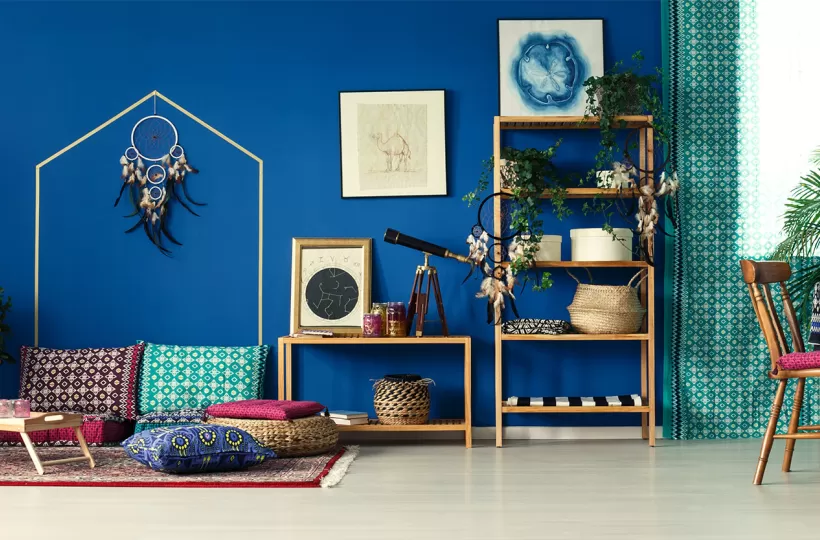

Popular Post
Popular Searches
What’s Trending in Bedrooms
Explore Trending Living Room Ideas
- Living Room Colour Combination
- Modern Two Colour Combination for Living Room
- Wall Texture for Living Room
- Vastu Colours for Living Room
- Wall Texture Design for Living Room
- Living Room Paint Ideas
- Living Room Design Ideas
- Paint Colour Ideas for Living Room
- Living Room TV Wall Designs
- Green Living Room Walls
Kitchen Ideas People Love
Explore Trending Ceiling Ideas
Study Room Ideas in Demand
Explore Wall Paint Categories
Handpicked Colour Inspirations
- Accent Wall Design
- Bedroom Design Ideas
- Exterior Wall Colour Design Ideas
- Interior Wall Colour Design Ideas
- Kitchen Design Ideas
- Living Room Interior Design
- Geometric Wall Design Ideas
- Home Colour Combination Ideas
- Home Décor Ideas
- Mural Wall Paint Design Ideas
- Office Space Design Ideas
- Puja Room Design Ideas
- Texture Design Ideas
- Festival Painting Ideas
- Paint Colour Chart
- Wall Painting Designs
- Wood Wall Décor Ideas
- Mural Wall Paint Design
- Hall Design Ideas
- Gate Colour Design
- Exterior Wall Colour Design
- Door Colour Design Ideas
-
 Get in Touch
-
Store Locator
-
 Download App
×
Get in Touch
Looking for something else? Drop your query and we will contact you.

