


3 Practical Ways to Reduce the Risk of Virus Infections at Home and Outside
Published: 30 Oct 2020 | Modified: 29 Oct 2026
Quick Summary
To reduce the risk of virus infection at home and outside, wash hands regularly with soap, avoid touching your face, keep a healthy distance from people who are unwell and disinfect frequently touched surfaces. Keep rooms well ventilated and follow good respiratory hygiene. At home, cleaner surfaces help too: antiviral paint for home walls, such as Nerolac Excel Virus Guard, is designed to reduce microbes on painted surfaces.
Create Your Dream Home With Our Painting Experts
Fill the form below to book a free site evaluation by Nerolac Nxtgen painting Services expert
TABLE OF CONTENTS
Key Takeaways
- Wash hands regularly with soap for at least 20 seconds.
- Avoid touching your face with unwashed hands.
- Disinfect high-touch surfaces at home regularly.
- Keep rooms well ventilated to reduce airborne germs.
- Follow respiratory hygiene by covering coughs and sneezes.
- Antiviral paint for home walls adds an extra layer of surface hygiene.
Nerolac Paints, a leading paint company in India offers a wide range of wall paint colours & painting services & solutions for homes & offices.
-
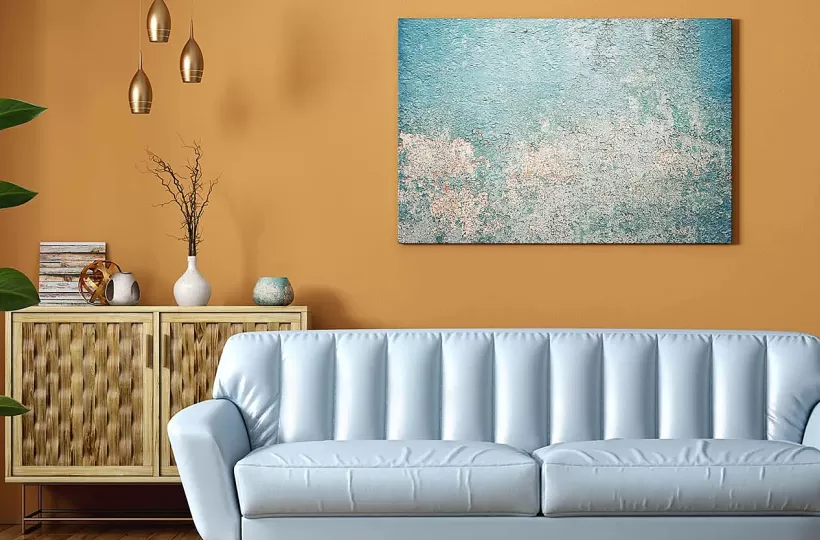
Best Colour Combination For Walls To Elevate Your Home Interiors Best Colour Combination For Walls To Elevate Your Home Interiors
Intoduction:In 2025, harmonious colour schemes for individuality and…
-
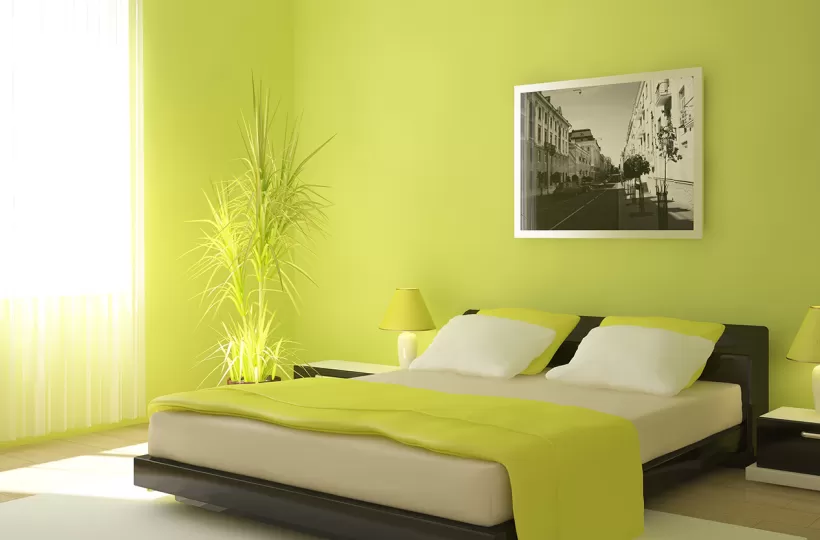
Best Green Colour Combinations for Walls – Schemes & Design Ideas Best Green Colour Combinations for Walls – Schemes & Design Ideas
Introduction:Green has long been a favourite choice in home decor…
-
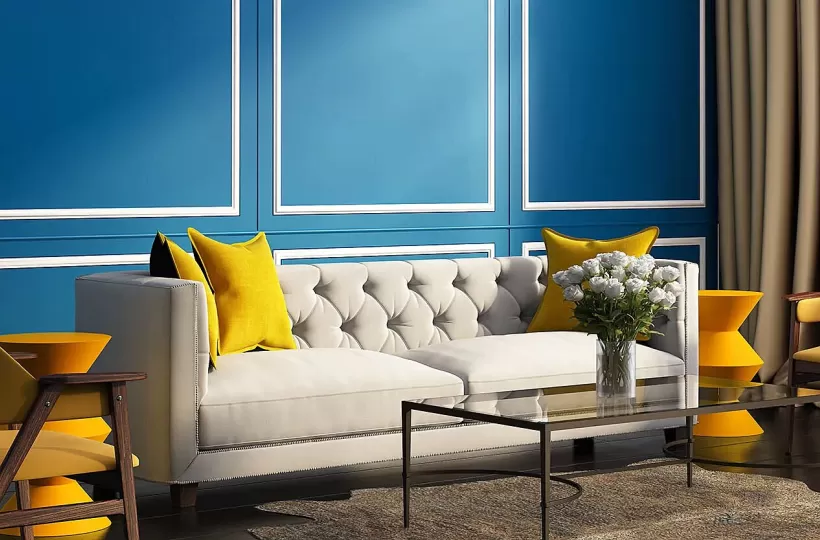
What Colours Match with Blue? 14 Colour Combinations with Blue for Your Home What Colours Match with Blue? 14 Colour Combinations with Blue for Your Home
Blue is a universally popular colour for décor and design; choosing a colour…
-
Recent Blogs
- Wooden House Design: 8 Kashmiri-Inspired Ideas for Warm and Elegant Homes
- Kashmiri Home Interior Design: 5 Ideas to Bring Kashmir's Beauty Into Your Home
- 7 Beautiful Kashmiri Home Design Ideas Inspired by Noor-e-Kashmir
- Cloud Dancer Colour of the Year – Meaning, Combinations, Interior Ideas and Trends
- How To Make Yellow Colour: Tips for Perfect Wall Paint Shades & Home Décor Ideas
-
Get in Touch
Looking for something else? Drop your query and we will contact you.
FAQs
What are simple virus prevention tips when going outside?
Carry a sanitizer, avoid touching your face, maintain distance in crowded places when illness is spreading, and wash hands after returning home. Wear a mask when advised by health authorities or when you feel unwell. Keep sanitizer handy in your bag and use it after touching public surfaces like railings or lift buttons. Change clothes after long trips.
How can I prevent infections from spreading within my family?
If someone is unwell, give them a separate room if possible, ventilate it, avoid sharing towels and utensils, and clean shared surfaces often. Encourage handwashing and follow medical advice. Wash hands after caring for the sick person, and disinfect door handles, switches and bathroom surfaces more often during illness. Wash their linen separately in warm water.
Does a healthy lifestyle help reduce infection risk?
Good sleep, balanced nutrition, regular exercise and staying up to date with recommended vaccinations support the immune system. They do not replace hygiene measures but work alongside them. Staying active and managing stress also help the body stay resilient. Combine a healthy lifestyle with good hygiene habits for the best protection against infections. Drinking enough water also supports overall health.
How often should I disinfect surfaces at home?
Clean high-touch surfaces like door handles, switches and phones daily, and more often if someone is unwell. Use soap and water to remove dirt before applying a suitable disinfectant. Follow the disinfectant's contact time for it to work effectively. Kitchen counters, bathroom taps and toilet flush handles also need regular attention. Use separate cloths for each area.
Where should antiviral paint be used at home?
Rooms where family members spend long hours or that are touched often, such as bedrooms, kids rooms, living rooms and home offices, benefit most. It complements, rather than replaces, regular cleaning. Keep up regular cleaning and handwashing too. Walls near switches, door frames and dining areas also see frequent contact and are good places to consider.
Can ventilation reduce the risk of virus infection indoors?
Yes. Fresh air dilutes airborne particles and reduces the concentration of viruses indoors. Open windows for cross-ventilation and use exhaust fans where possible. Avoid crowded, closed rooms when illness is spreading in the community. Air purifiers can support ventilation but are not a substitute for fresh air. Ventilate during cooler hours in summer for comfort.


Get in Touch
Looking for something else? Drop your query and we will contact you.
Latest Happenings in the Paint World
Get some inspiration from these trending articles



Popular Post
Popular Searches
What’s Trending in Bedrooms
Explore Trending Living Room Ideas
- Living Room Colour Combination
- Modern Two Colour Combination for Living Room
- Wall Texture for Living Room
- Vastu Colours for Living Room
- Wall Texture Design for Living Room
- Living Room Paint Ideas
- Living Room Design Ideas
- Paint Colour Ideas for Living Room
- Living Room TV Wall Designs
- Green Living Room Walls
Kitchen Ideas People Love
Explore Trending Ceiling Ideas
Study Room Ideas in Demand
Explore Wall Paint Categories
Handpicked Colour Inspirations
- Accent Wall Design
- Bedroom Design Ideas
- Exterior Wall Colour Design Ideas
- Interior Wall Colour Design Ideas
- Kitchen Design Ideas
- Living Room Interior Design
- Geometric Wall Design Ideas
- Home Colour Combination Ideas
- Home Décor Ideas
- Mural Wall Paint Design Ideas
- Office Space Design Ideas
- Puja Room Design Ideas
- Texture Design Ideas
- Festival Painting Ideas
- Paint Colour Chart
- Wall Painting Designs
- Wood Wall Décor Ideas
- Mural Wall Paint Design
- Hall Design Ideas
- Gate Colour Design
- Exterior Wall Colour Design
- Door Colour Design Ideas
-
 Get in Touch
-
Store Locator
-
 Download App
×
Get in Touch
Looking for something else? Drop your query and we will contact you.

