

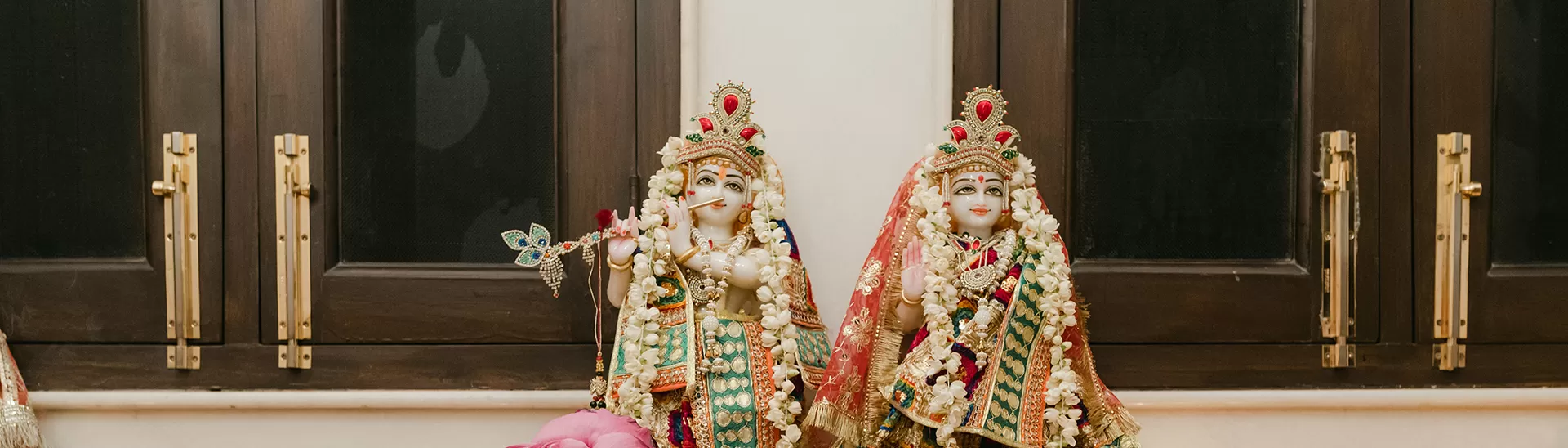
Discover The Best Wall Colour For Your Pooja Room As Per Vastu Shastra
Published: 30 Jun 2022 | Modified: 11 Nov 2026
Quick Summary
The best pooja room colour as per Vastu includes white, cream, light yellow, pale orange and light green, as these shades represent purity, positivity and spiritual energy. When choosing mandir colour as per Vastu, soft and light tones are preferred over dark colours like black, deep red or dark grey. Pooja room wall colour Vastu guidelines also recommend a north-east location, good lighting and clutter-free design for a peaceful prayer space.
Create Your Dream Home With Our Painting Experts
Fill the form below to book a free site evaluation by Nerolac Nxtgen painting Services expert
TABLE OF CONTENTS
Key Takeaways
- White, cream and light yellow are the most recommended Vastu pooja room colours.
- Avoid dark colours like black and deep grey in the pooja room.
- The north-east corner is considered the ideal pooja room location in Vastu.
- Soft light green and pale blue also create calm, balanced prayer spaces.
- Use gold or saffron accents sparingly for a festive, auspicious touch.
- Choose washable paint finishes to handle diya smoke and incense residue.
Nerolac Paints, a leading paint company in India offers a wide range of wall paint colours & painting services & solutions for homes & offices.
-
Best Colour Combination For Walls To Elevate Your Home Interiors Best Colour Combination For Walls To Elevate Your Home Interiors
Intoduction:In 2025, harmonious colour schemes for individuality and…
-
Best Green Colour Combinations for Walls – Schemes & Design Ideas Best Green Colour Combinations for Walls – Schemes & Design Ideas
Introduction:Green has long been a favourite choice in home decor…
-
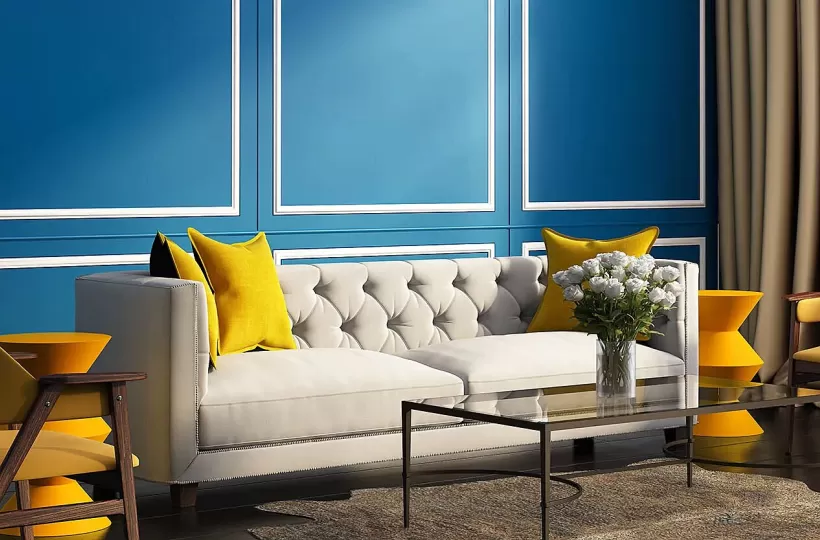
What Colours Match with Blue? 14 Colour Combinations with Blue for Your Home What Colours Match with Blue? 14 Colour Combinations with Blue for Your Home
Blue is a universally popular colour for décor and design; choosing a colour…
-
Recent Blogs
- Wooden House Design: 8 Kashmiri-Inspired Ideas for Warm and Elegant Homes
- Kashmiri Home Interior Design: 5 Ideas to Bring Kashmir's Beauty Into Your Home
- 7 Beautiful Kashmiri Home Design Ideas Inspired by Noor-e-Kashmir
- Cloud Dancer Colour of the Year – Meaning, Combinations, Interior Ideas and Trends
- How To Make Yellow Colour: Tips for Perfect Wall Paint Shades & Home Décor Ideas
-
Get in Touch
Looking for something else? Drop your query and we will contact you.
FAQs
Which puja room colour is good as per Vastu?
According to common Vastu guidance, white symbolises purity and peace, while light yellow represents knowledge and positivity. Cream, pale orange and light green are also considered auspicious. These shades brighten the space and create a calm atmosphere for prayer. Many homes use one of these as the base and add gold or saffron accents around the idol area.
What are the Vastu rules for pooja room colour?
Vastu recommends light, soothing colours that promote positivity and reflect light. Avoid dark or dull shades such as black, dark brown and deep grey. Keep the ceiling white or very light. Use accent colours like gold or saffron in small amounts. The colour should complement the north-east placement and natural light, and the space should remain clean and uncluttered.
What are the dos and don'ts for mandir colour as per Vastu?
Do choose white, cream, yellow, light orange or light green for walls. Do keep lighting warm and bright, and use natural materials like wood or marble. Don't use black, dark red or deep grey on walls or backdrops. Don't place the mandir under a staircase or next to a bathroom wall. Keep the area free of clutter and unused items.
How do I choose pooja room colour as per Vastu step by step?
First, confirm the pooja room's direction, ideally north-east. Second, assess natural light and room size, choosing lighter shades for smaller spaces. Third, pick a base colour from Vastu-friendly options like white, cream or light yellow. Fourth, decide on subtle accents such as gold motifs. Finally, test swatches near diya lighting and choose a washable finish.
Which colour for a pooja room in a small apartment is best?
In small apartments, white or cream works best as it maximises light and makes compact mandirs feel open. Light yellow adds warmth without closing in the space. Use backlit panels or warm LED strips to enhance brightness. Pair with light wood or marble surfaces. Avoid heavy patterns or dark backdrops, which can make wall-mounted mandirs look cramped.
How does wall colour as per Vastu affect the home?
Vastu associates colours with elements and directions, believing they influence mood and energy in different rooms. Light colours in north-east areas are thought to promote calm and clarity. Warm tones in living areas encourage interaction, while soft blues and greens in bedrooms support rest. Many families follow these guidelines to create harmony alongside personal taste.


Get in Touch
Looking for something else? Drop your query and we will contact you.
Latest Happenings in the Paint World
Get some inspiration from these trending articles


Popular Post
Popular Searches
What’s Trending in Bedrooms
Explore Trending Living Room Ideas
- Living Room Colour Combination
- Modern Two Colour Combination for Living Room
- Wall Texture for Living Room
- Vastu Colours for Living Room
- Wall Texture Design for Living Room
- Living Room Paint Ideas
- Living Room Design Ideas
- Paint Colour Ideas for Living Room
- Living Room TV Wall Designs
- Green Living Room Walls
Kitchen Ideas People Love
Explore Trending Ceiling Ideas
Study Room Ideas in Demand
Explore Wall Paint Categories
Handpicked Colour Inspirations
- Accent Wall Design
- Bedroom Design Ideas
- Exterior Wall Colour Design Ideas
- Interior Wall Colour Design Ideas
- Kitchen Design Ideas
- Living Room Interior Design
- Geometric Wall Design Ideas
- Home Colour Combination Ideas
- Home Décor Ideas
- Mural Wall Paint Design Ideas
- Office Space Design Ideas
- Puja Room Design Ideas
- Texture Design Ideas
- Festival Painting Ideas
- Paint Colour Chart
- Wall Painting Designs
- Wood Wall Décor Ideas
- Mural Wall Paint Design
- Hall Design Ideas
- Gate Colour Design
- Exterior Wall Colour Design
- Door Colour Design Ideas
-
 Get in Touch
-
Store Locator
-
 Download App
×
Get in Touch
Looking for something else? Drop your query and we will contact you.

