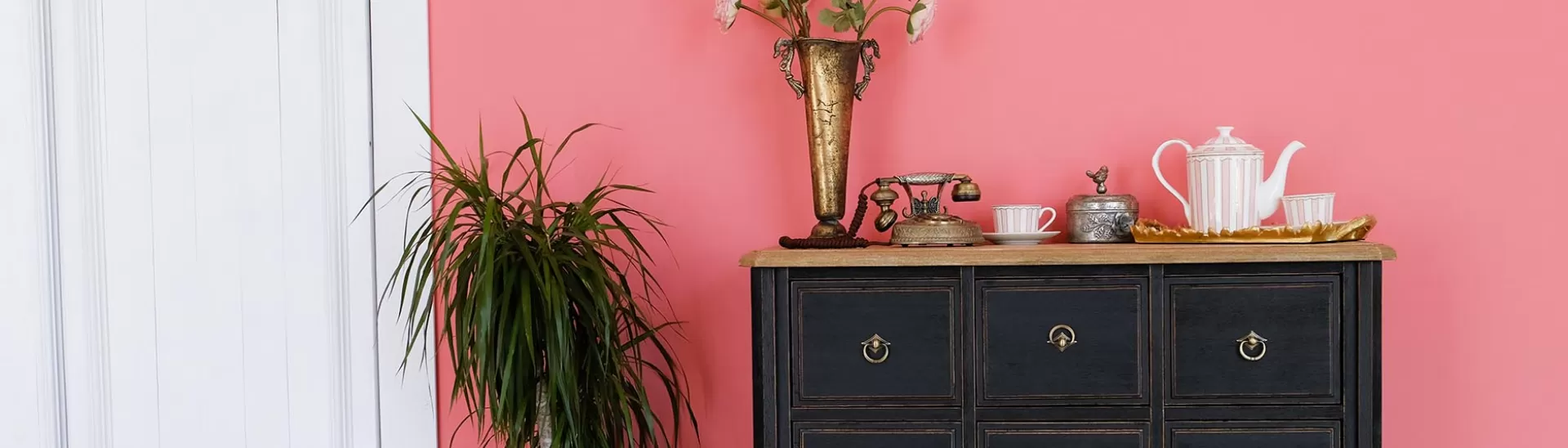
Pink has a way of easing into a space and making it feel more comfortable. It doesn’t feel too strong, but you notice the difference as soon as it’s there. In homes, pink often appears on walls, in small décor touches, or in artwork where you want a softer, more relaxed mood. The shade you choose makes all the difference. It can feel light and airy or warm and cosy. Knowing how to make pink colour helps you get that balance right instead of relying on guesswork.
You’ll notice pink works easily across bedrooms, living areas, and even creative corners. It can feel fresh in one space and slightly elegant in another, just by shifting the tone. It’s the kind of colour that suits slow, easy moments and spaces you actually want to spend time in. If you’ve ever found yourself unsure about which pink to choose, this guide will help you narrow it down with clarity.
Pink Colour Composition
Pink isn’t a primary colour. It’s created by adjusting red, which makes it surprisingly flexible. The amount of white you add and the kind of red you begin with completely change the result. From barely-there blush tones to bold, vibrant pinks, everything comes from that one base interaction. Once you understand this, mixing pink stops feeling like guesswork. It starts to look more controlled.
What Colours Make Pink?
● Pink is created by combining red and white.
● When you add white to red, it reduces the intensity of the colour and produces the softer tone we call ‘pink’.
● The exact shade you get depends entirely on your base red. Warmer reds push pink toward peachy and coral tones.
● Cooler reds shift it toward brighter, slightly bluish pinks. This is why two people can both be mixing “pink” and still end up with completely different results.
How to Make Pink Colour?
Mixing pink is simpler than most people expect. Here's a step-by-step method:
● Choose your base colour - Red is the starting point for all pink shades.
● Start with a small amount of red on a mixing palette or tray.
● Add white gradually and begin blending.
● Blend thoroughly until no streaks of either colour remain.
● Assess the tone - If it looks too strong, add more white. If too pale, deepen it with red.
● Adjust gradually - Always add new colour in small amounts. Try not to add it in excessive amounts.
The type of pink you produce depends on the specific red and the amount of white colour used. A bright red mixed with more white gives a softer, lighter pink. Deeper reds with less white create stronger, more vivid shades. So, how do you make pink colour? Start with red, and adjust it with white in the correct ratios.
What Two Colours Make Pink Colour?
Three variations consistently produce pink when mixed in the right proportion:
|
Colour Combination
|
Pink Tone Produced
|
|
Red + White
|
Classic soft pink
|
|
Warm Red + White
|
Peachy, warm pink
|
|
Cool Red + White
|
Bright, cool-toned pink
|
These two colour combinations follow the same principle. White softens red by reducing its intensity, creating the lighter tone we recognise as pink.
Also Read: 4 Shades of Pink that will Give a Dynamic look to Your Home
How to Make Pink Colour by Mixing Two Colours
The ratio matters: a 1:1 mix gives you a balanced starting point, but shifting the ratio changes everything. More white than red pushes the pink toward softer, pastel tones. More red than white takes it toward a stronger, more saturated pink.
For soft pink tones, increase the white in your mix. For bolder pinks that feel more vibrant and expressive, lean on red. This simple principle helps you create multiple pink shades without confusion.
|
Ratio
|
Dominant Colour
|
Result
|
|
50:50
|
Equal parts
|
Medium, balanced pink
|
|
60:40
|
White
|
Light, soft pastel pink
|
|
70:30
|
Red
|
Strong, vibrant pink
|
How to Make Light Pink Colour
Once you have your base pink, creating a lighter shade is easy. Add white in small amounts and blend after each addition. The resulting light pink colour feels soft and airy - perfect for bedrooms, nurseries, or spaces that get limited natural light. A pale pink on the walls adds warmth without making the room feel heavy, which works especially well in smaller spaces.
How to Make Dark Pink Colour
For depth and intensity, add a small amount of red to your pink mix, or use a deeper tone like crimson or a hint of purple colour. Dark pink colour has a wide range. Some popular shades to experiment with:
● Wonder Pink - Bold with balanced undertones
● Sherry - Warm and slightly muted
● Vineyard Valley - Deep and refined
● Pink Punch - Bright and energetic
Always add darker pigment slowly. A small addition can shift the shade quickly, and it’s difficult to lighten the mix once it becomes too intense.
How to Adjust Pink Colour Tone
This is where pink really opens up as a colour. The same base pink can feel completely different depending on what you add to it:
● Warm pink - Add yellow colour or orange for a soft, warm and inviting touch. Works well in bedrooms and living spaces.
● Cool pink - Add blue colour to reduce warmth and create a cleaner, more modern tone.
● Muted pink - Add a small amount of grey colour to soften the brightness. Muted pinks feel more refined and are easier to pair with other colours.
These three directions give you a clear way to adjust pink, especially when you're trying to match existing décor or furniture.
Also Read: Pink Two Colour Combination for Bedroom & Hall Walls
Popular Pink Shades in Nerolac Paints Colour Catalogue
Nerolac offers different types of pink colour shades to suit various aesthetics. Here are eight pink shades that work beautifully across interiors:
Pink Spritzer
Pink Spritzer colour is soft and airy, this shade feels light without being dull. Perfect for calm, open spaces.
Wonderland
Wonderland colour is a gentle, dreamy pink that adds quiet character to walls without overpowering the room.
Mademoiselle
Mademoiselle colour is elegant and slightly warm, this shade works well in spaces that need a refined touch.
Wonder Pink
Wonder Pink colour is a stronger pink with personality. Ideal for feature walls.
Tafetta Rose
Tafetta Rose colour is subtle and sophisticated, it leans toward neutral pink tones.
Swiss Rose
Swiss Rose colour is slightly deeper pink that feels grounded yet soft.
Sweetheart
Sweetheart colour is Warm and comforting, perfect for bedrooms.
Sweet William
Sweet William colour is a lively pink that adds a cheerful energy without being too loud.
Ready-Made Pink Colour Options
Mixing custom shades is satisfying, but it comes with variables: batch inconsistency and time spent testing. Ready-made paints remove all of that.
Here's why they're worth considering:
● Consistency: You won’t get a slightly different pink in your second batch, the way you might with a hand-mixed blend.
● Time-saving: No test mixing, no ratio adjustments, no second-guessing. You pick the shade and apply it.
● Better finish: Ready-made paints are professionally formulated for surface adhesion, coverage, and durability. The finish is smoother and more even than most hand-mixed alternatives.
Instead of mixing from scratch, explore Nerolac's ready-made pink options directly:
● Wonder Pink
● Sweetheart
● Pink Spritzer
● Swiss Rose
These are pre-formulated to behave consistently across different surfaces and lighting conditions. You can also use Nerolac's Colour Visualiser tool to preview how any of these shades will look on your specific walls before a single drop of paint is applied.
Why Pink Colour Looks Different on Walls
You might choose a pink shade in the store, only to see it look completely different once it’s on your wall. This happens because of three factors:
● Lighting - Pink reacts strongly to light sources. Natural daylight softens it and brings out its brightness, while warm indoor lighting can make it appear deeper or slightly warmer.
● Surface texture - A textured wall doesn’t reflect light evenly. Raised areas catch more light and appear lighter, while recessed areas look slightly darker.
● Paint finish - Matte paint absorbs light, which makes pink appear softer and more muted than it actually is.
Always do a patch test on your actual wall and observe it at different times of the day before finalising the colour.
Common Mistakes to Avoid When Mixing Pink Colour
● Adding too much red - It can make pink look overly strong instead of soft and balanced.
● Using incorrect ratios - Uneven mixing of red and white creates shades that feel either too pale or too intense.
● Not testing before applying - Mixing directly into a large batch without testing a small sample first is a costly error that’s hard to fix.
Mixing Pink Colour for Wall Paint vs Wall Art
Wall paint and canvas work are two very different applications. When you're mixing for walls, you're dealing with larger quantities, and consistency across batches matters more than achieving a perfect experimental shade.
Start with a reliable red, control the amount of white, and maintain the same ratio throughout. Canvas or artwork allows more flexibility. Slight variations in tone can actually enhance the final result, giving pink a softer, more expressive and hand-mixed quality.
Also Read: Pink Colour Shades - 6 Techniques for Beautifully Decorating
Where to Use Pink Colour
Pink works across different spaces when chosen carefully. Here’s a quick guide to selecting the right shade:
|
Room
|
Best Pink Shade
|
Placement
|
|
Living Room
|
Wonderland, Tafetta Rose
|
Accent or full wall
|
|
Bedroom
|
Sweetheart, Pink Spritzer
|
All walls or feature wall
|
|
Kitchen
|
Swiss Rose, Mademoiselle
|
Cabinets or backsplash
|
|
Balcony
|
Wonder Pink, Vineyard Valley
|
Accent areas
|
Pink Wall Colour Combinations for Your Home
● Pink and Peach - This combination feels soft and harmonious. Peach colour adds warmth to pink, creating a gentle and inviting look. Works well in bedrooms and relaxed living spaces.
● Pink and Red - A bold pairing that brings energy into the room. Deeper red accents against a softer pink base create contrast without overwhelming the space.
● Pink and Neutral - Shades like beige colour, cream colour, or soft grey balance pink beautifully and make it easier to work across different interior walls. Ideal for living rooms and open spaces.
● Pink and Orange - This vibrant mix adds warmth and personality. Use orange colour accents with lighter pink walls to keep the space lively yet balanced.
How Nerolac Paint Can Help Your Walls with Pink Colour
Getting a pink shade right on walls takes more than just choosing a colour. Nerolac's professional painting service manages the variables that most DIY approaches miss. Before work begins, Nerolac's experts evaluate wall dimensions, the direction and intensity of natural light, and how the room is used on a daily basis - then recommend a shade that works with the space, not against it.
For softer and lighter pink shades, surface preparation is just as important. Nerolac's painting professionals ensure the base is properly primed and levelled before colour is applied. This helps avoid patchiness, uneven tones, and visible roller marks that can affect how pink appears on the wall.
Visualise Your Perfect Pink Shade with Nerolac Tools
Before you commit to a shade, it helps to see it, compare it, and know how much of it you'll need. Nerolac makes all three steps simple with a set of tools designed specifically for that process.
Colour Visualiser
Not sure how dark pink will look in your living room? Nerolac's Colour Visualiser lets you digitally apply any shade to a space to see it in context. It takes the guesswork out of colour decisions entirely.
Colour Catalogue
You can also browse the full range of pink colour shades organised by tone and finish. The Colour Catalogue makes it easy to compare shades side by side before shortlisting.
Paint Budget Calculator
Once the shade is locked in, the next question is always how much paint to actually buy. Nerolac's Paint Budget Calculator works that out for you and gives you a realistic figure. It's a small step that saves you from both the frustration of running short mid-wall and the waste of buying three extra litres you'll never use.











 Get in Touch
 Download App
