

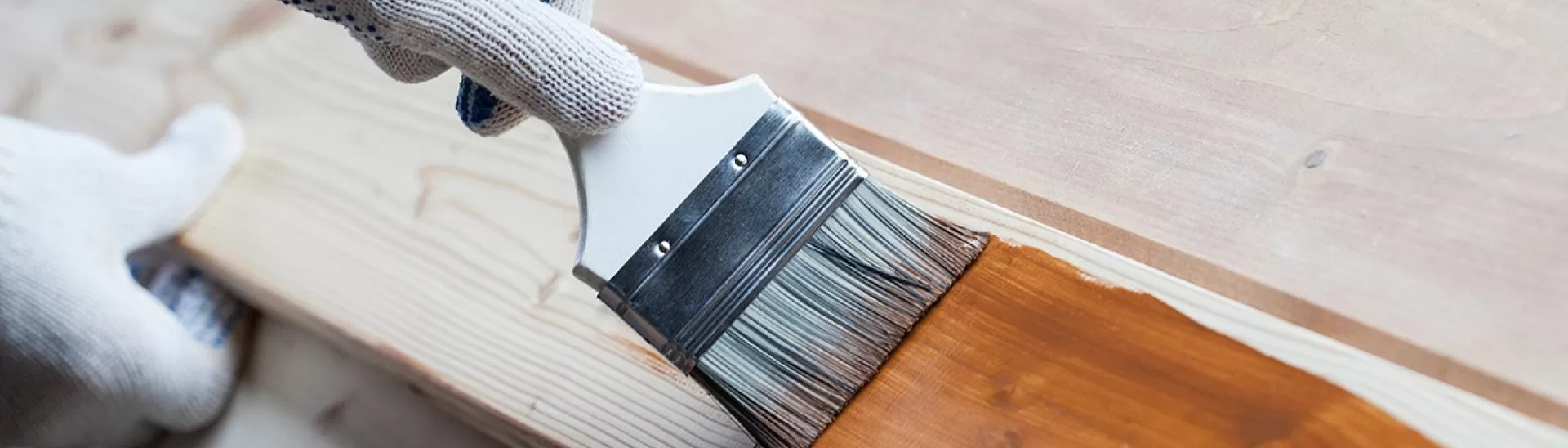
How to Paint Wooden Furniture at Home Like a Pro
Published: 07 Apr 2022 | Modified: 30 Oct 2026
Quick Summary
The best way to paint wood furniture at home is to clean, sand, prime and then apply thin, even coats of paint. Knowing how to paint wooden furniture properly ensures a smooth, durable finish that resists chipping. For old pieces, remove loose finish and fill dents first. Enamel paint is ideal for tables, chairs and cabinets, while following clear steps to paint wooden furniture helps even beginners achieve professional results.

Create Your Dream Home With Our Painting Experts
Fill the form below to book a free site evaluation by Nerolac Nxtgen painting Services expert
TABLE OF CONTENTS
How to Paint Wood? How to Paint Wood Furniture at Home with Images
Painting on wood has become a crucial requirement for many people these days. Many individuals rush to get the job done or look for shortcuts that will only provide poor outcomes.
With the presence of paint-ready areas such as primed casing and trim or drywall, the practice of applying interior wall paint or exterior wall paint on wood is transforming into a lost art.
It is not that difficult to become an expert in applying interior or exterior paint on wood, but it takes a bit of practice. You will learn how to paint wood like a pro with no hassle in just few hours.
Painting on Wood: How to Do It?
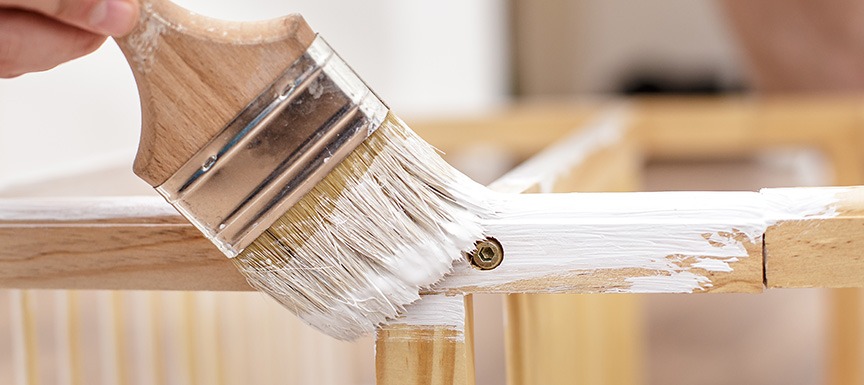
If you are wondering how to paint wooden furniture or surfaces, there are several steps, which you have to follow. These steps are:
-
Prepare the Wood for Painting:
Preparing the wooden furniture is a part that is overlooked. Preparing your wooden surface or object for applying wall paint is a crucial part of wood paint. The home paint will not fill in the holes, cracks, dents or any other type of imperfections available on the wood. It will also not hide these imperfections when the paint dries up and make it appear more apparent. That is why you should prepare the wood by covering up all these imperfections. -
Remove Old Paint from the wood:
If the wooden furniture carries any old wall colour paint on its surface, make sure to get rid of it. You can use a scraper to eliminate the house paint from the surface of the wood. -
Use Wood Putty to Fill All the Deep Gouges and Dings:
Take a putty knife and fill up all the places that require attention. It will be much better to use more filling so that all areas are filled properly. Wait for the filling to harden and dry before going to the next step. -
Sanding the Wooden Surface with Sandpaper:
Once the filler or putty has dried and hardened up, you can sand down those areas with sandpaper and sand the other wooden surface areas. It will provide you with an even feel. Make sure to use 80 grits to 100 grits sandpaper to sand the wood. -
Eliminate the Wood Residue or Dust:
Once the sanding work is completed, you can use a tack cloth and a vacuum to remove all the wood residue or dust. Finishing the cleaning work with a wet cloth and waiting for the wood to dry. -
Prime up the Wooden Surface or Furniture:
The next step for how to paint a wood surface process is to prime the wooden furniture or flooring. Mix up the primer properly, and then apply it on the wood with a roller or brush. After it dries, if the primer appears to be transparent, apply another coat. -
Sanding the Primer:
After the primer has dried completely, you can use sandpaper to sand it down before coating it with paint. You can use 220-grit sandpaper and apply light pressure to stop the primer from being extorted. -
Paint the Wooden Surface with a Roller or Brush:
Now, it is time to paint. Therefore, you can use a paintbrush if you're painting wooden furniture. Otherwise, if you're wall painting on a wooden surface, such as flat and large areas, you can use a foam roller to get the job done.
Ending Note
Painting the wood is pretty easy, and all you need is a bit of practice. Make sure to paint the wooden surface or furniture properly to get your desired outcome. For best results when painting wood, hire a professional painter. Professional painters have years of experience and hence they will provide you expert advice and professional painting services for a great and long-lasting paint finish on wooden furniture.
Key Takeaways
- Sanding and cleaning are the most important steps before painting wood furniture.
- Always apply a wood primer to seal pores and improve paint adhesion.
- Thin, even coats give a smoother finish than one thick coat of paint.
- Enamel paint offers a hard, washable finish ideal for frequently used furniture.
- Fill cracks and dents with wood filler before painting old wooden furniture.
- Allow full drying time between coats to prevent sticky or peeling surfaces.
Nerolac Paints, a leading paint company in India offers a wide range of wall paint colours & painting services & solutions for homes & offices.
-
Best Colour Combination For Walls To Elevate Your Home Interiors Best Colour Combination For Walls To Elevate Your Home Interiors
Intoduction:In 2025, harmonious colour schemes for individuality and…
-
Best Green Colour Combinations for Walls – Schemes & Design Ideas Best Green Colour Combinations for Walls – Schemes & Design Ideas
Introduction:Green has long been a favourite choice in home decor…
-

What Colours Match with Blue? 14 Colour Combinations with Blue for Your Home What Colours Match with Blue? 14 Colour Combinations with Blue for Your Home
Blue is a universally popular colour for décor and design; choosing a colour…
-
Recent Blogs
- Wooden House Design: 8 Kashmiri-Inspired Ideas for Warm and Elegant Homes
- Kashmiri Home Interior Design: 5 Ideas to Bring Kashmir's Beauty Into Your Home
- 7 Beautiful Kashmiri Home Design Ideas Inspired by Noor-e-Kashmir
- Cloud Dancer Colour of the Year – Meaning, Combinations, Interior Ideas and Trends
- How To Make Yellow Colour: Tips for Perfect Wall Paint Shades & Home Décor Ideas
-
Get in Touch
Looking for something else? Drop your query and we will contact you.
FAQs
What are the steps to paint wooden furniture at home?
Remove handles and hardware, then clean the piece with a mild detergent to remove grease. Sand the surface with medium-grit sandpaper, followed by fine grit, and wipe off dust. Fill any cracks with wood filler and sand again. Apply a wood primer and let it dry. Finish with two thin coats of paint, lightly sanding between coats for smoothness.
How do I paint old wooden furniture?
Check whether the old finish is sound; if it is peeling or flaking, strip or sand it back to bare wood. Repair loose joints and fill dents with wood filler. Degrease thoroughly, as years of handling leave oils on the surface. Prime with a stain-blocking wood primer to stop old stains bleeding through. Then apply two coats of enamel or furniture paint.
How do I paint wooden furniture with enamel paint?
After sanding and priming, stir the enamel paint well and thin it slightly if recommended by the manufacturer. Use a good-quality synthetic brush or foam roller for flat areas. Apply thin coats in the direction of the wood grain to avoid brush marks. Allow each coat to dry fully, sand lightly with fine sandpaper, and wipe clean before the next coat.
How is polishing wooden furniture different from painting it?
Polishing enhances the natural wood grain using clear finishes like melamine, PU or French polish, while painting covers the grain with an opaque colour. Polish suits high-quality teak or sheesham where the grain is attractive. Paint is ideal for plywood, MDF or older furniture with blemishes. Both require careful sanding, but polish needs more layers to build depth and shine.
How do I maintain painted wooden furniture?
Wipe painted furniture with a soft, damp cloth and avoid soaking it with water. Use coasters and mats to prevent heat and moisture marks. Keep furniture away from direct sunlight and damp walls, especially in monsoon, to prevent fading and swelling. Touch up small chips promptly with matching paint. Apply a clear protective coat on high-use surfaces like tabletops.
What mistakes should I avoid when painting wood furniture?
Avoid skipping sanding or primer, as paint will not bond and will chip quickly. Painting in humid conditions slows drying and causes tackiness. Applying thick coats leads to drips, wrinkles and long drying times. Not removing dust before each coat creates a rough texture. Rushing to use the furniture before the paint cures fully can cause sticking and marks.


Get in Touch
Looking for something else? Drop your query and we will contact you.
Latest Happenings in the Paint World
Get some inspiration from these trending articles



Popular Post
Popular Searches
What’s Trending in Bedrooms
Explore Trending Living Room Ideas
- Living Room Colour Combination
- Modern Two Colour Combination for Living Room
- Wall Texture for Living Room
- Vastu Colours for Living Room
- Wall Texture Design for Living Room
- Living Room Paint Ideas
- Living Room Design Ideas
- Paint Colour Ideas for Living Room
- Living Room TV Wall Designs
- Green Living Room Walls
Kitchen Ideas People Love
Explore Trending Ceiling Ideas
Study Room Ideas in Demand
Explore Wall Paint Categories
Handpicked Colour Inspirations
- Accent Wall Design
- Bedroom Design Ideas
- Exterior Wall Colour Design Ideas
- Interior Wall Colour Design Ideas
- Kitchen Design Ideas
- Living Room Interior Design
- Geometric Wall Design Ideas
- Home Colour Combination Ideas
- Home Décor Ideas
- Mural Wall Paint Design Ideas
- Office Space Design Ideas
- Puja Room Design Ideas
- Texture Design Ideas
- Festival Painting Ideas
- Paint Colour Chart
- Wall Painting Designs
- Wood Wall Décor Ideas
- Mural Wall Paint Design
- Hall Design Ideas
- Gate Colour Design
- Exterior Wall Colour Design
- Door Colour Design Ideas
-
 Get in Touch
-
Store Locator
-
 Download App
×
Get in Touch
Looking for something else? Drop your query and we will contact you.

