


Types of Waterproofing: Methods, Solutions & Procedures
Published: 27 Jan 2023 | Modified: 13 Nov 2026
Quick Summary
The main types of waterproofing include cementitious coatings, liquid-applied membranes, bituminous coatings, polyurethane systems and crystalline treatments, each suited to different surfaces. Choosing among waterproofing methods for buildings depends on the area, such as roofs, terraces, bathrooms, basements or exterior walls. Which waterproofing is best varies with exposure, movement and budget, so combining proper surface preparation with the right waterproofing methods and solutions ensures long-lasting protection against monsoon leaks.
Create Your Dream Home With Our Painting Experts
Fill the form below to book a free site evaluation by Nerolac Nxtgen painting Services expert
TABLE OF CONTENTS
Waterproofing your home is an important task that can help you protect it from water damage. Several waterproofing methods and solutions are available to homeowners, including waterproofing products, waterproofing coating, and other alternative options. In this article, we will discuss the different types of waterproofing techniques and products used to keep your home dry and free from water damage.
We'll also provide information on how each method works and its advantages. By understanding these various waterproofing solutions, you can decide which technique will be best for protecting your home. So, let's get started.
What are the Different Types of Waterproofing Solutions for Home?
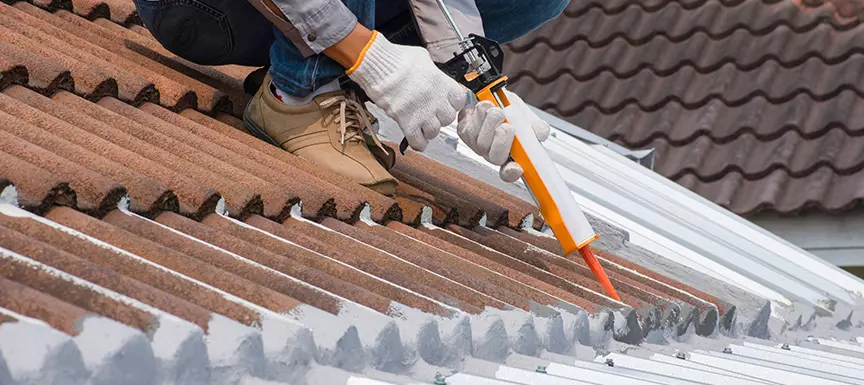
Several types of waterproofing solutions are available for homeowners, each offering various levels of protection against moisture damage.
-
Liquid Waterproofing Membrane
This type of waterproofing solution is applied in liquid form and coats the surface it is applied to, creating a protective seal that prevents water from penetrating the structure. It is used for things like flat roofs, bathrooms and other wet areas.
-
Polyurethane Waterproofing
Polyurethane waterproofing is a popular, effective solution for protecting the interior of a home from water damage. It is applied in liquid form as a coating that prevents water from seeping through walls, floors and ceilings and can even be used to create an impermeable barrier against damp conditions in basements and crawl spaces. This type of waterproofing is relatively inexpensive compared to other solutions, but it requires professional installation to be effective.
-
Cementitious Waterproofing
Cementitious waterproofing is a common type of waterproofing solution that involves applying a cement-based coating to surfaces to prevent water penetration. This type of waterproofing can be used on foundations, concrete slabs, terraces, balconies and other similar areas. It is typically applied as a layer on top of the existing surface and forms a barrier against moisture. Cementitious waterproofing home are also relatively inexpensive and easy to apply, making it an attractive option for many homeowners.
-
Bituminous Waterproofing
Bituminous waterproofing is a prevalent type of waterproofing home is made from layers of bitumen material. Bitumen is a highly resilient, sticky, tar-like substance that can be applied to almost any surface to form a watertight seal. The overlapping layers of bituminous material are usually composed of several different types of fabrics and membranes, such as polyester reinforced felt, asphaltic membrane sheets or roof boards.
Advantages Of Waterproofing Your Home

-
Increased Home Value
By waterproofing the exterior wall paint of your home, you can increase its overall value by preventing potential damage due to water intrusion – this means more monetary gains when selling or refinancing.
-
Improved Longevity
When you waterproof the exterior surfaces of your house, you are improving its longevity, ensuring that it stays in good condition for many years. This also means that you will not have to repair or replace any surfaces due to wear and tear from water damage.
-
Reduced Maintenance Costs
Waterproofing protects the exterior of your home from water infiltration, which can lead to costly repairs and maintenance over time. By waterproofing, you can reduce these costs significantly as there is no need for frequent repairs.
-
Improved Comfort Levels
Having a waterproofed home ensures that rainwater won't enter into your house, keeping it warm and dry during wet weather. It also reduces the chances of mold or mildew growth inside the house as these thrive in damp environments.
-
Increased Safety
Waterproofing prevents potential slip-and-fall accidents caused by water seepage. Waterproofing also prevents flooding, which can cause electrical hazards or fire risks due to contact with exposed wires and faulty wiring.
-
Improved Aesthetics
Waterproofing the exterior of your home can improve its overall look, making it more attractive to potential buyers and visitors. It also protects the house from unsightly stains and discoloration caused by water infiltration.
-
Reduced Energy Costs
Waterproofing your home can reduce heating and cooling costs as the moisture levels inside your home will remain balanced. This leads to an overall reduction in energy usage and bills.
Also read: How to Waterproof your Walls With Waterproof Exterior Paint
Best Waterproofing Products and Their Uses

Waterproofing products are designed to protect surfaces and items from water damage. They can be used on various materials, including wood, concrete, metal, and fabrics. These products can help extend the life of items exposed to harsh weather conditions or moisture. Some common waterproofing products include:
Also read: How to Make Waterproof Wood - Tips to Waterproof Wood
-
Liquid Rubber Coatings
Liquid rubber coatings create a flexible waterproof seal over surfaces such as roofs, decks and foundations. The coating will not crack or fade over time, which ensures long-term protection from the elements.
-
Sheet Membrane Systems
Sheet membrane systems are composed of two layers of material held together by an adhesive backing. This type of system provides superior protection as it is highly tear-resistant and can be applied over large areas.
-
Sealants
Sealants are used to fill in gaps and cracks, creating a watertight barrier between two surfaces. They come in different formulas for various applications, such as wood sealers and concrete sealers.
-
Coatings
Coatings are designed to provide an extra layer of protection against moisture damage. These products typically contain wax or silicone, which help create a waterproof barrier around the treated object or surface.
Whether you need to protect your roof from rainwater or make sure your deck is ready for pool season, there’s a waterproofing product that can help. With the right product and proper application, you can ensure that your surfaces will remain protected for years.
The Bottom Line
When it comes to waterproofing, many different products are available to suit all needs. Whether you need a temporary fix or something more permanent, there is sure to be an ideal solution. By investing in quality waterproofing products, you can protect the integrity of your home and keep it looking good for years to come.
Ultimately, choosing the right product depends on your budget and specific needs so take some time to weigh out the options before making your decision. You can find the perfect waterproofing product for your project with careful research!
Key Takeaways
- Cementitious waterproofing is easy to apply and suits bathrooms, tanks and internal wet areas.
- Liquid membranes form seamless, flexible layers ideal for roofs and terraces.
- Bituminous coatings work well for foundations and below-ground surfaces with good adhesion.
- Polyurethane systems offer high flexibility for areas exposed to sun and temperature changes.
- Crystalline waterproofing penetrates concrete pores to block water from within.
- Surface preparation and crack repair are essential for any waterproofing method to work.
Nerolac Paints, a leading paint company in India offers a wide range of wall paint colours & painting services & solutions for homes & offices.
-
Best Colour Combination For Walls To Elevate Your Home Interiors Best Colour Combination For Walls To Elevate Your Home Interiors
Intoduction:In 2025, harmonious colour schemes for individuality and…
-
Best Green Colour Combinations for Walls – Schemes & Design Ideas Best Green Colour Combinations for Walls – Schemes & Design Ideas
Introduction:Green has long been a favourite choice in home decor…
-
What Colours Match with Blue? 14 Colour Combinations with Blue for Your Home What Colours Match with Blue? 14 Colour Combinations with Blue for Your Home
Blue is a universally popular colour for décor and design; choosing a colour…
-
Recent Blogs
- Wooden House Design: 8 Kashmiri-Inspired Ideas for Warm and Elegant Homes
- Kashmiri Home Interior Design: 5 Ideas to Bring Kashmir's Beauty Into Your Home
- 7 Beautiful Kashmiri Home Design Ideas Inspired by Noor-e-Kashmir
- Cloud Dancer Colour of the Year – Meaning, Combinations, Interior Ideas and Trends
- How To Make Yellow Colour: Tips for Perfect Wall Paint Shades & Home Décor Ideas
-
Get in Touch
Looking for something else? Drop your query and we will contact you.
FAQs
What are the different types of waterproofing?
Common types include cementitious waterproofing, liquid-applied membranes, bituminous coatings or membranes, polyurethane liquid membranes and crystalline treatments. Cementitious systems are rigid and ideal for wet areas, while liquid and polyurethane membranes are flexible and suit exposed roofs. Bituminous products are used below ground. Crystalline treatments react inside concrete to seal pores. Each method has specific strengths depending on the surface and conditions.
Which waterproofing method is best for terraces and roofs?
Roofs and terraces face direct sun, heavy rain and temperature swings, so flexible systems work best. Liquid-applied acrylic or polyurethane membranes create seamless layers that stretch with minor movement. Elastomeric roof coatings also reflect heat, keeping rooms below cooler. Always repair cracks, ensure proper slope for drainage and apply the recommended number of coats. Nerolac waterproofing solutions include options designed for such exposed surfaces.
Which waterproofing methods for buildings suit bathrooms and kitchens?
Bathrooms and kitchens need waterproofing under tiles, especially around floor traps, corners and shower zones. Cementitious or polymer-modified coatings applied before tiling are widely used. Treat wall-floor junctions with extra coats or reinforcing tape. After tiling, use good-quality grout and sealants around fittings. Testing the area with standing water before tiling helps detect weak spots early.
How do I choose which waterproofing is best for my home?
Identify the problem area first, whether it is roof leaks, dampness on walls, seepage in basements or bathroom leakage. Consider exposure to sun and rain, whether the surface moves or cracks, and whether it will be covered with tiles or left exposed. A professional inspection helps determine the source of water. Choose a system compatible with the surface and its expected conditions.
How long do waterproofing methods and solutions last?
Durability depends on the method, application quality and exposure. Well-applied membranes and coatings can protect for several years, but exposed roof systems generally need inspection and maintenance more often than covered ones. Regularly check for cracks, blocked drains and peeling after each monsoon. Timely touch-ups extend life considerably, while poor surface preparation can cause failures within the first season.
What mistakes should be avoided during waterproofing?
Common mistakes include applying waterproofing on wet or dusty surfaces, ignoring existing cracks and skipping primers. Using the wrong system, such as a rigid coating on a moving roof, leads to failure. Applying fewer coats than recommended or leaving gaps at corners and pipe joints creates weak points. Also avoid starting work just before heavy rain, as coatings need time to cure.


Get in Touch
Looking for something else? Drop your query and we will contact you.
Latest Happenings in the Paint World
Get some inspiration from these trending articles



Popular Post
Popular Searches
What’s Trending in Bedrooms
Explore Trending Living Room Ideas
- Living Room Colour Combination
- Modern Two Colour Combination for Living Room
- Wall Texture for Living Room
- Vastu Colours for Living Room
- Wall Texture Design for Living Room
- Living Room Paint Ideas
- Living Room Design Ideas
- Paint Colour Ideas for Living Room
- Living Room TV Wall Designs
- Green Living Room Walls
Kitchen Ideas People Love
Explore Trending Ceiling Ideas
Study Room Ideas in Demand
Explore Wall Paint Categories
Handpicked Colour Inspirations
- Accent Wall Design
- Bedroom Design Ideas
- Exterior Wall Colour Design Ideas
- Interior Wall Colour Design Ideas
- Kitchen Design Ideas
- Living Room Interior Design
- Geometric Wall Design Ideas
- Home Colour Combination Ideas
- Home Décor Ideas
- Mural Wall Paint Design Ideas
- Office Space Design Ideas
- Puja Room Design Ideas
- Texture Design Ideas
- Festival Painting Ideas
- Paint Colour Chart
- Wall Painting Designs
- Wood Wall Décor Ideas
- Mural Wall Paint Design
- Hall Design Ideas
- Gate Colour Design
- Exterior Wall Colour Design
- Door Colour Design Ideas
-
 Get in Touch
-
Store Locator
-
 Download App
×
Get in Touch
Looking for something else? Drop your query and we will contact you.

