

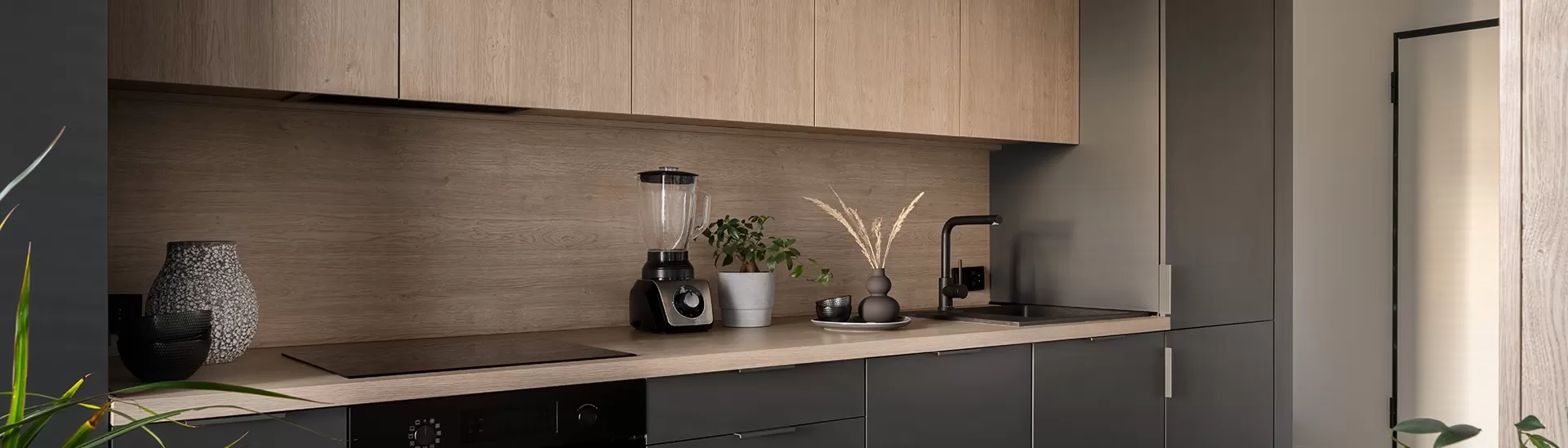
Simple Kitchen Design Ideas with Paint: Low-Cost, Stylish Kitchen Interiors
Published: 23 Oct 2024 | Modified: 19 Aug 2026
Quick Summary
Simple kitchen designs can look stylish and functional without a major renovation. Paint can brighten small spaces, define different areas, refresh cabinets, and create a cohesive look at a relatively low cost. From light neutrals and subtle accents to durable finishes for cabinets and washable paints for work zones, the right colour and finish can make a simple kitchen interior feel more spacious, organised, and easy to maintain.
Create Your Dream Home With Our Painting Experts
Fill the form below to book a free site evaluation by Nerolac Nxtgen painting Services expert
TABLE OF CONTENTS
Key Takeaways
- Light and neutral paint shades can make small kitchens feel brighter and more spacious.
- Use a simple base-and-accent colour scheme to add character without making the kitchen look cluttered.
- Painting existing cabinets can refresh the kitchen without the cost of replacing them.
- Washable finishes are useful for walls around areas exposed to splashes, grease, and frequent cleaning.
- One-wall, L-shaped, galley, parallel, and U-shaped layouts can all benefit from thoughtful paint choices.
- Testing colour swatches in different lighting conditions helps you choose a suitable shade before painting.
Nerolac Paints, a leading paint company in India offers a wide range of wall paint colours & painting services & solutions for homes & offices.
-
Best Colour Combination For Walls To Elevate Your Home Interiors Best Colour Combination For Walls To Elevate Your Home Interiors
Intoduction:In 2025, harmonious colour schemes for individuality and…
-
Best Green Colour Combinations for Walls – Schemes & Design Ideas Best Green Colour Combinations for Walls – Schemes & Design Ideas
Introduction:Green has long been a favourite choice in home decor…
-
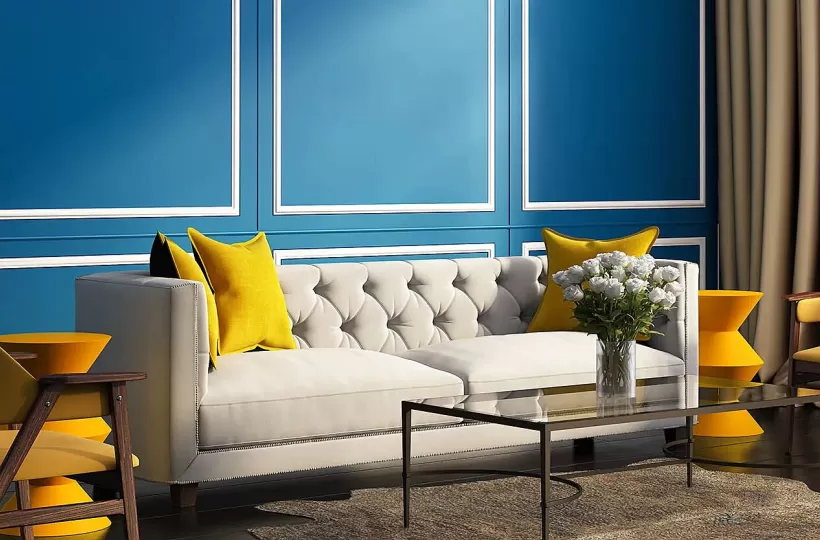
What Colours Match with Blue? 14 Colour Combinations with Blue for Your Home What Colours Match with Blue? 14 Colour Combinations with Blue for Your Home
Blue is a universally popular colour for décor and design; choosing a colour…
-
Recent Blogs
- Wooden House Design: 8 Kashmiri-Inspired Ideas for Warm and Elegant Homes
- Kashmiri Home Interior Design: 5 Ideas to Bring Kashmir's Beauty Into Your Home
- 7 Beautiful Kashmiri Home Design Ideas Inspired by Noor-e-Kashmir
- Cloud Dancer Colour of the Year – Meaning, Combinations, Interior Ideas and Trends
- How To Make Yellow Colour: Tips for Perfect Wall Paint Shades & Home Décor Ideas
-
Get in Touch
Looking for something else? Drop your query and we will contact you.
FAQs
What are some simple kitchen design ideas for a small space?
Use light wall colours, keep the palette consistent, and avoid too many contrasting finishes. Floating shelves, organised storage, and a carefully chosen accent wall can also make a small kitchen feel more open.
How can I create a low-cost simple kitchen design?
Painting existing walls and cabinets is one of the easiest ways to refresh a kitchen without replacing major elements. Choose a coordinated colour palette, update worn finishes, and focus your spending on areas that need better durability.
Which colours work well for a small simple kitchen design?
Warm white, ivory, pale grey, buttery cream, mint and powder blue can help a compact kitchen feel brighter and more spacious. You can add a deeper accent shade to one wall, niche or shelf area for contrast.
How can paint improve a simple modular kitchen design?
Paint can highlight the clean lines of a modular kitchen and make storage areas easier to distinguish. A slightly deeper colour behind open shelves or within a niche can create a focal point, while related shades on walls and cabinets maintain a seamless appearance.
What paint finish is suitable for a kitchen?
Choose a washable finish for walls near the sink and cooking areas because these surfaces may require frequent cleaning. For cabinet shutters, a durable satin or semi-gloss enamel can provide a smooth finish that is easier to maintain.
How can I make my simple kitchen interior look more modern?
Start with a limited colour palette, use clean and consistent finishes, and add one or two carefully planned accents. Refreshing cabinet colours, using a light wall shade, and coordinating handles, lighting and accessories can give the kitchen a more modern appearance without extensive renovation.


Get in Touch
Looking for something else? Drop your query and we will contact you.
Latest Happenings in the Paint World
Get some inspiration from these trending articles
Popular Post
Popular Searches
What’s Trending in Bedrooms
Explore Trending Living Room Ideas
- Living Room Colour Combination
- Modern Two Colour Combination for Living Room
- Wall Texture for Living Room
- Vastu Colours for Living Room
- Wall Texture Design for Living Room
- Living Room Paint Ideas
- Living Room Design Ideas
- Paint Colour Ideas for Living Room
- Living Room TV Wall Designs
- Green Living Room Walls
Kitchen Ideas People Love
Explore Trending Ceiling Ideas
Study Room Ideas in Demand
Explore Wall Paint Categories
Handpicked Colour Inspirations
- Accent Wall Design
- Bedroom Design Ideas
- Exterior Wall Colour Design Ideas
- Interior Wall Colour Design Ideas
- Kitchen Design Ideas
- Living Room Interior Design
- Geometric Wall Design Ideas
- Home Colour Combination Ideas
- Home Décor Ideas
- Mural Wall Paint Design Ideas
- Office Space Design Ideas
- Puja Room Design Ideas
- Texture Design Ideas
- Festival Painting Ideas
- Paint Colour Chart
- Wall Painting Designs
- Wood Wall Décor Ideas
- Mural Wall Paint Design
- Hall Design Ideas
- Gate Colour Design
- Exterior Wall Colour Design
- Door Colour Design Ideas
-
 Get in Touch
 -
Store Locator
-
 Download App
×
Get in Touch
Looking for something else? Drop your query and we will contact you.

