

Powder Blue Colour
Powder Blue
Colour code - 2366
Powder Blue colour appears as a pale shade of cyan-blue and always leaves a very divine impression on everyone. Even an atheist will fall in love with the godliness of this hue.
This paint crafts a hypnotic trance in everyone's mind when painted on the exterior surface of your dream home.
Powder Blue colour, is a perfect melange of eliteness with humility when infused subtly with dark smokey blue, yellow ochre, tan, and white.
Disclaimer: Actual wall paint colour applied may differ from the on-screen representation above. Please confirm your colour choices prior to purchase by viewing a physical colour shade card or a painted sample.
Still confused ? Explore all our shades from our colour catalogue
Paint your life's canvas with our painting experts
Fill the form below to book a free site evaluation by Nerolac Express Painting Service expert
Trending Colour Shades
Find the Perfect Colour Shades for you walls
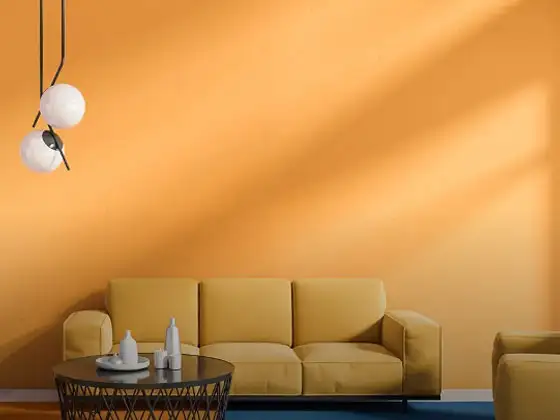
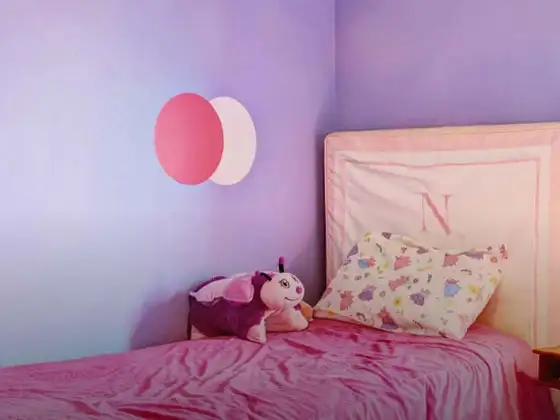
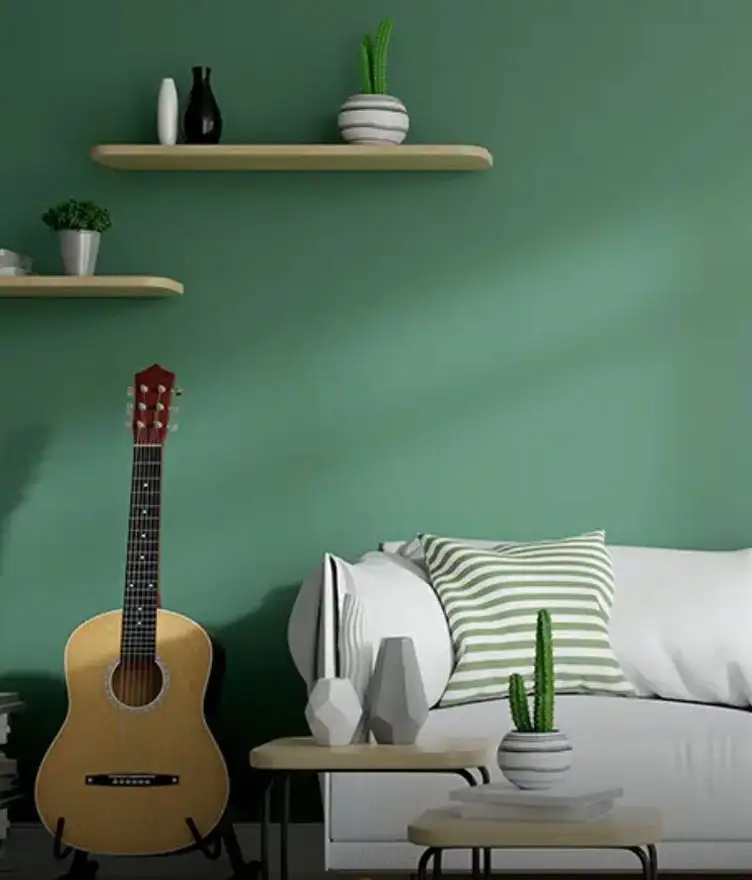
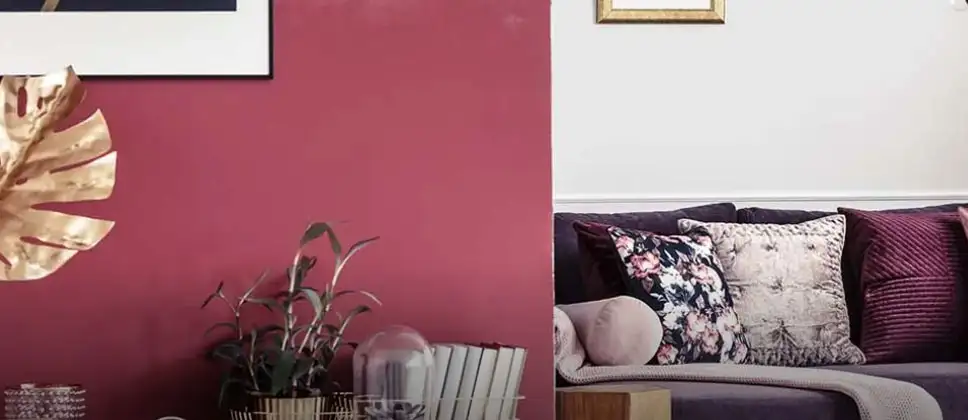
Products in this shade
Browse through our wide range of paints to find the one that accentuates your home's beauty
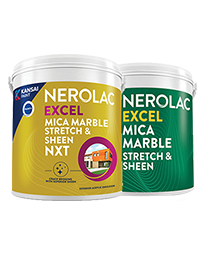
Neroalc Excel Mica Marble Strech Sheen & Mica Marble Stretch Sheen NXT
Nerolac Excel Mica marble stretch sheen Nxt & Mica Marble Strech Sheen is an extremely durable water...
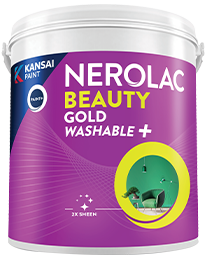
Beauty Gold Washable Plus
Nerolac Beauty Gold Washable Plus is an interior emulsion paint has a rich sheen finish, with highes...
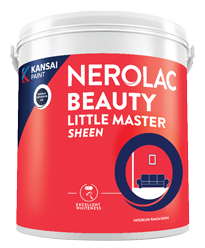
Beauty Little Master Sheen
Nerolac Beauty Little Master Sheen is an Economy Interior Wall Emulsion with very good sheen, smooth...
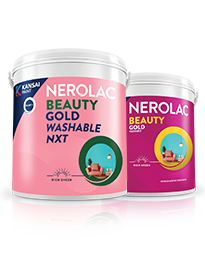
Beauty Gold washable and Beauty Gold Washable NXT
Nerolac Beauty Gold Washable paint has a soft sheen finish, with excellent stain-cleanability at an a...
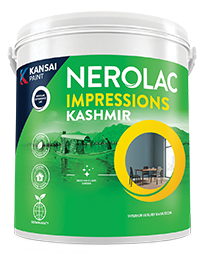
Impressions Kashmir
Nerolac Impressions Kashmir Luxury Emulsion is a superior quality 100% acrylic emulsion based interi...


Find an Expert Painter Near You
Enjoy a holistic painting experience with Nerolac NxtGen Services
About Powder Blue Colour
Powder Blue Colour Designs, Shades & Combinations for Your Home
Powder blue colour is a soft, muted blue that carries a subtle grey note, which is why it often looks calm and refined on walls. It comes in the blue section of the colour wheel and typically feels cooler than many other pastel tones because the base is clear blue rather than green leaning. This shade is usually associated with peace, steadiness, and a clean sense of order, so it suits homes that reflect a comfortable, uncluttered mood. In interior designs, powder blue tends to look best when ceilings are kept bright, and the room lighting is warm. It ensures that the colour imparts a serene feel inside a space and stays consistent from morning to evening. Powder blue colour is widely used in modern homes to create calm, airy interior walls with a soft and balanced visual appeal.Key Characteristics of Powder Blue Colour
Soft And Muted By Design
Powder blue is not a sharp, high-saturation blue. It is intentionally dusty and low intensity, which makes it suitable across larger wall surfaces. This is why powder blue colour shades are often preferred for bedrooms and living room walls rather than only for small accents.A Gentle Grey Influence
The grey tint helps the colour look mature and modern, especially in apartments with neutral flooring. It also reduces the risk of the wall looking “too bright” in strong daylight. When you compare different powder blue colour shades, this grey colours influence is usually the detail that separates a refined wall from a playful pastel.Stability Across Styles
Powder blue can blend comfortably in modern, transitional, and classic interiors because it does not depend on a single decor style to look correct. That flexibility is one reason people keep returning to powder blue shades of colour for long-term homes, not only for short-term refresh projects.Sensitive To Light And Temperature
Warm yellow bulbs can make powder blue look slightly duller and more grey, while neutral-white lighting can keep it clearer and more “blue.” This is not a flaw, but it does mean sampling on the actual wall is important. Different powder blue colour shades can shift noticeably between rooms, even in the same home. Muted colours reveal uneven texture and patchy base preparation more than people expect. If the wall has repairs, rough sanding, or inconsistent priming, powder blue may dry with visible variation. This is why shades in powder blue colour look most polished on well-levelled walls with consistent application.Practical Uses of Powder Blue Colour
Branding And Professional Spaces
Muted blues are often chosen in professional environments because they feel calm. Powder blue can support waiting areas, consultation rooms, and reception spaces where you want visitors to feel settled.Residential Interiors
Powder blue fits bedrooms, living rooms, and reading corners where you want a relaxed atmosphere. It supports an everyday, balanced look without forcing dramatic contrast.Home Offices And Study Zones
This colour suits focused spaces because it feels quiet and structured. In work zones, it is best used on the wall behind the desk or behind storage, with minimal patterns in the background.Children’s Rooms
Powder blue can work in kids’ rooms when you want a light colour that still feels organised. Choose a finish that is practical for cleaning and keep the rest of the room simple.Bathrooms And Vanity Areas
In bathrooms, powder blue can look clean and fresh when combined with light tiles and bright lighting. If the bathroom has limited natural light, choose a lighter variant and ensure the lighting is even.Powder Blue Paint Choices for Your Walls
Selecting powder blue is easier when you start with the room’s lighting and the amount of wall area you plan to paint. A shade that looks perfect in a bright room can appear more grey in a darker corner, so it is wise to test a sample patch in two locations before finalising. When you shortlist types of powder blue colour shades, also consider the finish, because matte and soft sheen can change how the same tone is perceived. Decide whether you want the room to feel airy, balanced, or slightly deeper and more defined. That decision narrows the selection quickly and keeps the final result consistent.Airy Tones
Use these colours with simple curtains and controlled decor so the wall remains calm rather than decorative.- Californian Sky: It is a good choice when you want the room to feel open and bright. Californian Sky colour suits compact bedrooms and smaller living rooms, especially when ceilings and trims stay clean white.
Mid-Depth Tones
These colours suit living rooms, study zones, and passages that connect multiple rooms, because they can hold their identity under mixed lighting without becoming too dominant.- Reservoir Blue: Reservoir Blue colour works for daily-use rooms where you want a bit more presence than a very pale tint.
Light-Greyed Tones
These are practical options for open-plan homes where colour continuity matters.- Floating Clouds: It is suitable when you want powder blue to look more neutral and modern. Floating Clouds colour option works well with grey flooring, minimal furniture lines, and limited patterns.
Powder Blue Wall Colour Combinations for Your Home
Powder blue becomes easier to style when it is paired with one supporting shade and repeated in a consistent way across connected areas. A planned powder blue colour combination or two colour combinations also reduces confusion at the furnishing stage, because the wall colours already define the room’s tone.| Room/space | Recommended colour combination |
|---|---|
| Living room (main wall or TV wall) | Powder Blue + Blazing Blue – 4578 |
| Master bedroom (headboard wall) | Powder Blue + Silence – 2426 |
| Guest bedroom | Powder Blue + Teardrop – 2446 |
| Study/home office | Powder Blue + Rumbling Skies – 4906 |
| Dining area (feature wall) | Powder Blue + Blazing Blue – 4578 |
| Entryway/foyer | Powder Blue + Silence – 2426 |
Powder Blue + Blazing Blue Colour Combination
This pairing is useful when you want a stronger, clearer blue element in the room. Use powder blue on larger surfaces, then introduce Blazing Blue colour on one feature wall or a defined section such as a niche. The result feels crisp and modern when furniture remains neutral colours, and the lighting is even.Powder Blue + Teardrop Colour Combination
Teardrop colour supports a softer, more gentle scheme that suits bedrooms and guest rooms. It is a practical choice for homes that want a calm look without strong contrast. Maintain light ceilings so the room stays open.Powder Blue + Rumbling Skies Colour Combination
Rumbling Skies colour works well for studies and work zones when you want a slightly deeper companion tone. Use it to create a focused backdrop behind a desk or storage. This pairing benefits from tidy shelves and limited wall decor.Powder Blue + Silence Colour Combination
Silence colour is suitable when you want the overall room to remain quiet and refined. It works particularly well in bedrooms and entryways where you want clean walls and a composed first impression. Keep lighting warm but not overly yellow to preserve clarity.Best Powder Blue Shades for Accent Walls
Accent walls help you introduce powder blue without changing every surface. They also work well in compact apartments, because one controlled wall can bring colour while the rest of the room stays bright. If you want powder blue colour contrast that still feels calm, focus on placement and proportion rather than multiple competing colours.| Shade | Best Room/Placement |
|---|---|
| Blazing Blue | TV wall (living room) |
| Silence | Headboard wall (bedroom) |
| Rumbling Skies | Desk wall (study) |
| Teardrop | Guest-room feature wall |
Simple Tips for Using Powder Blue at Home
Powder blue generally looks best when you decide its “role” early. If it is the main room colour, keep the supporting palette simple. If it is an accent, choose one wall that receives predictable lighting so the tone does not look different across the same surface. Also, plan the finish and lighting together. A shade that looks clean in the daytime can appear flat at night if the lighting is uneven or too warm. Practical Steps That Help:- Test two sample patches - one near a window and one on a wall with less daylight, then check both in daytime and under your night lighting.
- Keep ceilings and trims bright to maintain height and freshness, especially in smaller rooms.
- Limit heavy patterns on curtains, rugs, and cushions so the wall colour remains steady and uncluttered.
- Use even lighting to avoid shadows that can make muted blues appear patchy.
- Allow full drying time between coats; rushed coats can show texture differences after drying.
How to Make Powder Blue Colour? (Basic Colour Theory)
If you are asking how to make powder blue colour in basic colour theory, it typically starts with blue and then moves towards a lighter tint by adding white, with very small adjustments to soften intensity. How do you make powder blue colour look more muted rather than bright? In principle, you reduce saturation slightly, so the shade becomes dustier, then confirm it under the lighting conditions where the room is used. For walls, though, a ready shade selection is more reliable than manual mixing because you need repeatability for touch-ups and consistent coverage.How Nerolac Can Help You Paint Your Walls Powder Blue?
Powder blue may look simple, but a smooth finish depends on preparation, priming, and consistent application. Nerolac’s NXTGen Painting Services is positioned as an end-to-end home painting solution that includes site evaluation, expert colour consultation, and structured start-to-end guidance. This kind of process support matters when you want clean-cut lines, uniform coverage, and a finish that stays consistent under both daylight and warm indoor lighting. If you want fewer trials, finalise your shade after a wall sample, confirm the finish you will use across all coats, and keep the same shade code recorded for future touch-ups. Nerolac’s professional home painting service can help you execute that plan with better control, especially in rooms where lighting shifts across the day.Plan, Design and Paint Your Walls With Nerolac Tools
Ready to plan your Powder Blue makeover? Use the tools below to explore shades, visualise rooms and estimate paint and budget.Colour Visualiser
Use the Nerolac Colour Visualiser to try out different shades and textures from our colour and texture palette on the walls of our ‘room presets.’ You can also see how each colour will look under various lighting conditions, such as natural sunlight, cool white light and warm yellow light, before finalising a shade.Colour Catalogue
Use the Nerolac Colour Catalogue to browse over 1,500 Nerolac wall paint shades. Search by colour name or code, or filter by colour family to quickly discover options that match your décor. Shortlist your favourite shades and pair them with the other Nerolac tools to finalise the perfect colour scheme for your home.Paint Calculator
Use the Nerolac Paint Calculator to estimate the area to be painted and the required paint volume for your décor project. Enter wall dimensions, room count, and preferred product to get an approximate paint quantity and cost, helping you plan your project with greater confidence.Frequently Asked Questions For Powder Blue
Can I check how the shades will look on the walls?
Before going ahead with a fresh coat of paint, it is necessary to see how the shades look on the walls. To make things easier, first, go to our Colour Catalogue and browse through the colours you like the most. Pick your choice of shade, click on the home icon to visualize how it will look on the walls.
From where can I buy the paint after selecting the shade?
After you have selected the shade, you can pick a store near you with the help of Store Locator and purchase interior, exterior shades, enamel paint and many more products of your choice.
What’s next after selecting paint colours for my home?
NXTGEN painting service – our brand-new service gives you an exemplary painting service by our highly experienced and reliable painters. All you need to do - drop your details, and an expert will get in touch with you. Et Voila! Your space is redefined within 5 days.
I am not sure of my selection of shade, can I watch a preview of it from my home?
Different light settings accentuate and enhance the colour on the walls. To visualize the shade before finalizing, download our Colour My Space app on Apple or Google Play Store. Here you can watch presets for different rooms, select the right texture and then simply call a painter near your location. Also, our very own Product Comparison Tool renders you with a visual, answering every speck of your concerns.
What is the hex code of Powder Blue colour? Which colour family does Powder Blue belongs to?
Powder Blue is one of the shades of blue colour and its hex code is #cfdbe5.
Does Powder Blue suit modern interiors?
Yes. It suits modern interiors when you pair it with clean whites, simple furniture lines, and controlled decor. A grey-leaning powder blue is often the easiest fit for contemporary apartments.
Is Powder Blue better as a feature colour or a full-room colour?
Feature walls are safer in small rooms. Full room powder blue suits larger spaces when the ceiling paint bright, and the lighting is even, so the colour stays consistent.
What finishes work best with Powder Blue paint?
Matte can look soft and reduce glare in bedrooms. Soft sheen can be practical in living rooms and passages where you may want easier maintenance, depending on the product used.
Does Powder Blue affect the mood of a space?
Powder blue is generally perceived as calming. It can make a room feel organised and quiet, which is why it suits bedrooms and balanced living spaces.
Can Powder Blue be used in rooms with limited natural light?
Yes, but choose a lighter variant. In low-light rooms, avoid very greyed powder blues unless the lighting is strong and even.
How does Powder Blue interact with decor colours?
It pairs well with whites, warm woods, and limited black accents. If you add stronger colours, keep them small so the wall remains a stable background.
Create magic with our inspiring Two Colour Combinations!
-
Orange And Lilac Colour Combination
-
Red And Brown Colour Combination
-
Yellow And Blue Colour Combination
-
Yellow And Green Colour Combination
-
Yellow And Orange Colour Combination
-
Yellow And Red Colour Combinations
-
Orange And Brown Colour Combination
-
Orange And Gold Colour Combination
-
Orange And Grey Colour Combination
-
Orange And Cream Colour Combination
-
Orange And Peach Colour Combination
-
Orange and Red Colour Combination
-
Orange And Purple Colour Combination
-
Orange And Pink Colour Combination
-
Orange And White Colour Combination
-
Orange And Neutral Colour Combination
-
Orange And Beige Colour Combination
-
Orange And Violet Colour Combination
-
Orange And Blue Colour Combination
-
Orange And Green Colour Combination
Latest Happenings in the Paint World
Get some inspiration from these trending articles


Get in Touch
Looking for something else? Drop your query and we will contact you.
Popular Searches
What’s Trending in Bedrooms
Explore Trending Living Room Ideas
- Living Room Colour Combination
- Modern Two Colour Combination for Living Room
- Wall Texture for Living Room
- Vastu Colours for Living Room
- Wall Texture Design for Living Room
- Living Room Paint Ideas
- Living Room Design Ideas
- Paint Colour Ideas for Living Room
- Living Room TV Wall Designs
- Green Living Room Walls
Kitchen Ideas People Love
Explore Trending Ceiling Ideas
Study Room Ideas in Demand
Explore Wall Paint Categories
Handpicked Colour Inspirations
- Accent Wall Design
- Bedroom Design Ideas
- Exterior Wall Colour Design Ideas
- Interior Wall Colour Design Ideas
- Kitchen Design Ideas
- Living Room Interior Design
- Geometric Wall Design Ideas
- Home Colour Combination Ideas
- Home Décor Ideas
- Mural Wall Paint Design Ideas
- Office Space Design Ideas
- Puja Room Design Ideas
- Texture Design Ideas
- Festival Painting Ideas
- Paint Colour Chart
- Wall Painting Designs
- Wood Wall Décor Ideas
- Mural Wall Paint Design
- Hall Design Ideas
- Gate Colour Design
- Exterior Wall Colour Design
- Door Colour Design Ideas
-
 Get in Touch
 -
Store Locator
-
 Download App
×
Get in Touch
Looking for something else? Drop your query and we will contact you.

