

White Sand Colour
White Sand
Colour code - W-104
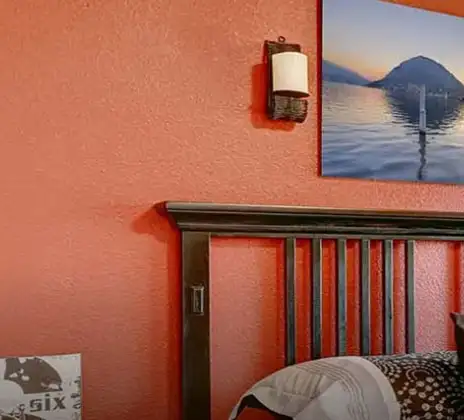
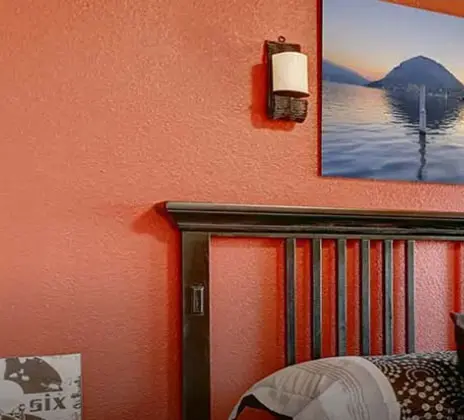
Have you ever been to beaches like Cabo or Tulum? It is blue waters, white sand and joy bottled up in a place that loves celebration. White Sand colour brings a space alive with exuberance and revelry. It is simple and evolves to your whims. Anyone that experiences this colour immediately feels comfortable.
White Sand blends well with painted decor in blue or green. Or pair it with shades of green and brown for best results.
Disclaimer: Actual wall paint colour applied may differ from the on-screen representation above. Please confirm your colour choices prior to purchase by viewing a physical colour shade card or a painted sample.
Still confused ? Explore all our shades from our colour catalogue
Paint your life's canvas with our painting experts
Fill the form below to book a free site evaluation by Nerolac Express Painting Service expert
Trending Colour Shades
Find the Perfect Colour Shades for you walls
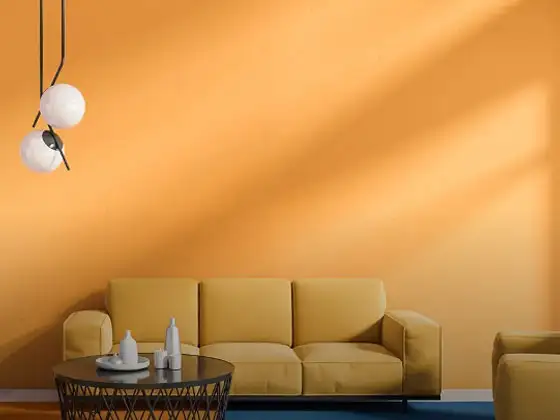
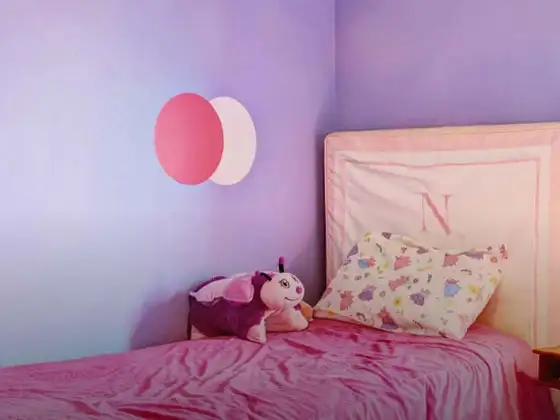
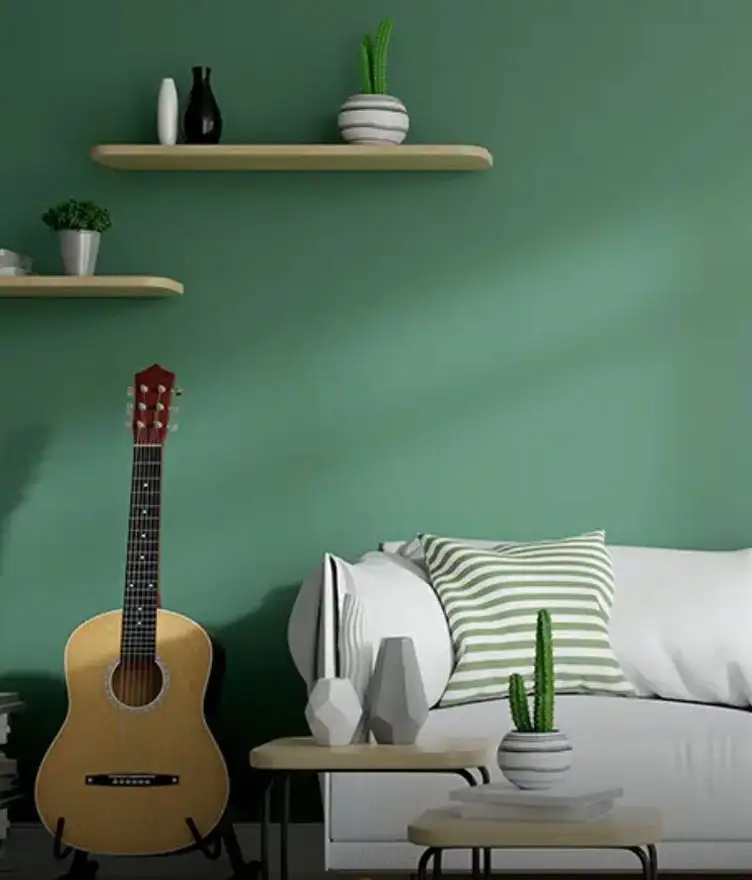
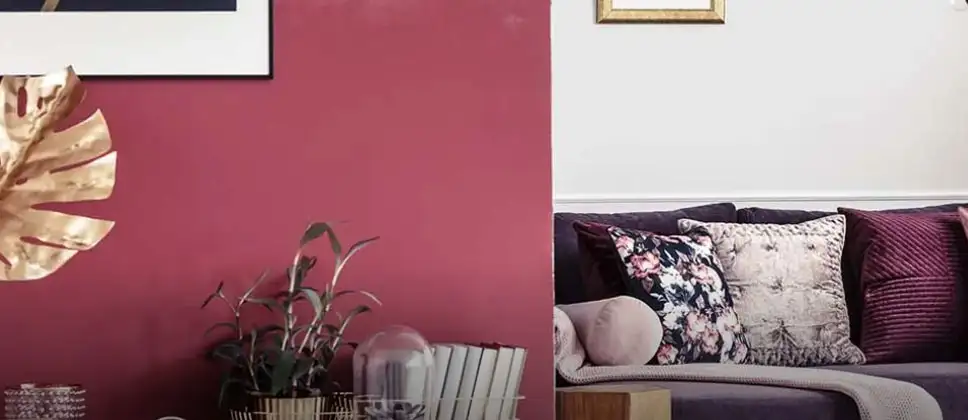
Products in this shade
Browse through our wide range of paints to find the one that accentuates your home's beauty
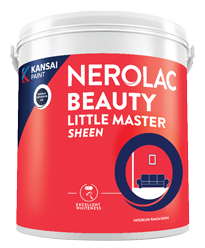
Beauty Little Master Sheen
Nerolac Beauty Little Master Sheen is an Economy Interior Wall Emulsion with very good sheen, smooth...
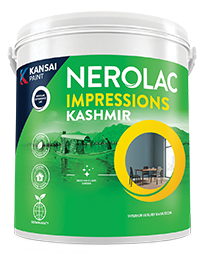
Impressions Kashmir
Nerolac Impressions Kashmir Luxury Emulsion is a superior quality 100% acrylic emulsion based interi...

Beauty Gold washable and Beauty Gold Washable NXT
Nerolac Beauty Gold Washable paint has a soft sheen finish, with excellent stain-cleanability at an a...

Neroalc Excel Mica Marble Strech Sheen & Mica Marble Stretch Sheen NXT
Nerolac Excel Mica marble stretch sheen Nxt & Mica Marble Strech Sheen is an extremely durable water...

Beauty Gold Washable Plus
Nerolac Beauty Gold Washable Plus is an interior emulsion paint has a rich sheen finish, with highes...


Find an Expert Painter Near You
Enjoy a holistic painting experience with Nerolac NxtGen Services
About White Sand Colour
White Sand Colour Designs, Shades & Combinations for Your Home
White sand colour is a soft, warm off-white that appears at the lightest end of the neutral spectrum. It is closer to white than to beige colour, but with a warm undertone that prevents it from looking stark. On the colour wheel, it falls within the neutral-warm zone. It is commonly associated with openness and an uncluttered sense of style. In home interiors, it helps rooms feel larger and more settled without the coldness of pure white colour. It is also one of the more forgiving shades to use because it pairs naturally with most other colours.White sand colour is a warm off-white shade used in interiors to create bright, spacious, and visually balanced spaces.
Key Characteristics of White Sand Colour
Soft warmth that feels natural, not clinical
White sand does not have the sharpness of cool white. Its slight warmth makes rooms feel more welcoming, especially in spaces that lack strong daylight.
High versatility across different design styles
Because white sand colour shades appear close to neutral, they can work in modern and transitional interior walls without clashing. They do not demand a specific decor direction.
Low visual dominance that supports other elements
White sand allows furniture, artwork, and textiles to stand out more easily. It acts as a background that holds the room together without competing for attention.
Understated undertone variation within the same family
Within the family, some options lean slightly creamier and some lean slightly lighter or cooler. different white sand colour shadesmay look almost identical on a small card but can differ noticeably on a full wall under specific lighting.
Practical Uses of White Sand Colour
Living rooms as a full-room bases
White sand is a reliable choice for living room walls where you want a bright, open background. It keeps the space feeling balanced even when furniture and textiles are varied in tone.
Bedrooms for a restful finish
In bedrooms, white sand creates a settled backdrop that supports rest. It pairs especially well with natural textures like linen, cotton, and light wood without any extra planning effort.
Kitchens and dining areas
White sand suits kitchens because it looks clean while still having enough warmth to avoid looking cold. It works alongside stone counters and cabinetry in most colour families.
Children's rooms as a lasting background
Because children's rooms change often with age, white sand provides a stable base. It stays relevant through many decor changes.
Corridors and multi-room continuity
White sand works well as a connecting shade across rooms. In open layouts, using the same white sand across multiple spaces creates a seamless look.
Exterior walls and facades
White sand can be used on exterior surfaces where a clean, warm neutral enhances architectural lines without appearing stark.
White Sand Paint Choices for Your Walls
Before you commit to a shade, review it in the actual room at different times of day. White sand shades of colourcan look more cream-toned in the evening and more neutral in direct daylight, so sampling across lighting conditions helps. Also note that the finish you choose (matte, eggshell, or soft sheen) will influence the final look as much as the shade itself.
Clean, cooler tones
- Precious Gem: It suits rooms where you want white sand with a crisper, cleaner character. Precious gem colour works especially well in kitchens, study zones, and modern living rooms where you prefer a sharper neutral base.
Subtle tones
- Windchill: It is a steady choice when you need a shade that stays consistent across room types. Windchill colour suits bedrooms, living rooms, and corridors when you want a white sand tone that neither feels too warm nor too cool.
Warmer, creamier tones
- Ivy White: It is a softer option that brings more warmth into a room. Ivy white colour is suitable for bedrooms and family rooms where comfort is the priority, and you want the walls to feel settled and easy to live with.
White Sand Wall Colour Combinations for Your Home
White sand pairs well with almost any colour, but a planned white sand colour combination still makes a difference. Without intention, the room can look unfinished rather than simple. If you want white sand colour contrast, create it through one confident companion shade used on a feature wall, in upholstery, or in large textiles.
|
Room/space |
Recommended colour combination |
|---|---|
|
Living room (main walls) |
White Sand + Baby Bloom – W-190 |
|
Bedroom (full room or feature wall) |
White Sand + Tinge of Orchid – W-177 |
|
Kids' room/nursery |
White Sand + Baby Bloom – W-190 |
|
Corridor/entryway |
White Sand + Silent White – W-171 |
|
Dining nook |
White Sand + Khadi White – W-129 |
|
Study/home office |
White Sand + Silent White – W-171 |
White Sand + Baby Bloom Colour Combination
Baby Bloom Colour provides a gentle tint that suits rooms where you want the walls to feel quietly styled without adding strong colour. It works particularly well in living rooms and nurseries where the décor already has soft tones.
White Sand + Khadi White Colour Combination
Khadi White Colour is a warm companion that keeps the overall colour palette cohesive. It suits connected rooms and dining room walls where you want a consistent, clean look without any sharp contrast between walls.
White Sand + Silent White Colour Combination
Silent White Colour supports a tidy, considered finish that is useful in corridors and studies. These two colour combinations stays neutral but has enough tonal difference to make the space feel layered rather than flat.
White Sand + Tinge of Orchid Colour Combination
Tinge of Orchid Colour introduces a very soft warmth that sits quietly within the white sand family. It works well in bedrooms and private spaces where you want just enough variation to make the room feel finished.
Best White Sand Shades for Accent Walls
White sand is not the most common accentwall colour, but it can be used effectively in spaces that already use a bolder feature and need a calmer surface. Different white sand colour shades can also be layered within the same room by using a warmer tone on one wall and a slightly cooler tone on others, which creates depth without introducing a new colour.
|
Colour |
Location |
|---|---|
|
Baby Bloom |
Living room (companion to a darker wall) |
|
Tinge of Orchid |
Bedroom (opposite the feature wall) |
|
Silent White |
Corridor (main wall) |
|
Silent White |
Study (desk backdrop) |
Simple Tips for Using White Sand at Home
White sand is easy to use, but small decisions around it can make a significant difference. The shade you choose should be based on the room's existing tones: floor material, ceiling height, and the amount of natural light it receives.
How to make white sand colour decisions easier is to view the sample alongside your flooring first. Because white sand can lean warm or neutral depending on undertone, the floor tile or wood tone is usually the quickest way to identify which direction suits the room.
Practical tips for using white sand at home:
- Match undertone to your flooring: if floors are cool-toned (grey stone, white tile), choose a slightly neutral colour white sand; if floors are warm (honey wood, beige tile), choose a creamier direction.
- Use white sand to unify a room that has many furniture pieces; it acts as a consistent backdrop that stops the room from looking busy.
- Consider using shades in white sand colour for tonal layering: a slightly warmer tone on one wall and a cooler version on others can add subtle depth without introducing new colours.
If you are building a larger design plan, types of white sand colour shades can be sorted into three practical groups: crisp neutral-whites, balanced warm-whites, and creamier versions. Deciding which group suits your home first makes the final shade selection simpler.
How Nerolac Can Help You Paint Your Walls White Sand?
Even though white sand is a lighter shade, even and consistent application still matters. Uneven wall preparation, inconsistent priming, or rushed coats can result in visible patchiness, especially in areas with strong direct light where surface variation shows clearly.
Nerolac's professional home painting service helps by evaluating the wall condition, room size, and light levels before any work begins. This allows the right shade option to be selected for the space, so the finish looks clean and consistent rather than patchy or uneven.
The execution process focuses on building a uniform surface through proper levelling and priming, followed by controlled application so colour density stays even across the wall. With end-to-end management from surface preparation through final finish checks, the result is a polished, long-lasting white sand wall that looks clean under both daylight and warm artificial lighting.
Plan, Design and Paint Your Walls with Nerolac Tools
Ready to plan your white sand makeover? Use the tools below to explore shades, visualise rooms and estimate paint and budget.
Colour Visualiser
Use the Nerolac Colour Visualiser to try out different shades and textures from our colour and texture palette on the walls of our ‘room presets.’ You can also see how each colour will look under various lighting conditions, such as natural sunlight, cool white light and warm yellow colour light, before finalising a shade.
Colour Catalogue
Use the Nerolac Colour Catalogue to browse over 1,500 Nerolac wall paint shades. Search by colour name or code, or filter by colour family to quickly discover options that match your décor. Shortlist your favourite shades and pair them with the other Nerolac tools to finalise the perfect colour scheme for your home.
Paint Calculator
Use the Nerolac Paint Calculator to estimate the area to be painted and the required paint volume for your décor project. Enter wall dimensions, room count, and preferred product to get an approximate paint quantity and cost, helping you plan your project with greater confidence.
Frequently Asked Questions For White Sand
How to get White Sand colour?
For mixing purposes, white sand is typically created from a white base with a very small amount of yellow ochre or raw sienna to add warmth.
Will White Sand make my room vibrant?
Not in the way bold colours do. White sand is better suited to rooms where you want a calm, open, and settled look.
Can I use White Sand colour in a small room?
It is often a strong choice for small rooms because it reflects light well and keeps the space feeling open. White sand colour palette options in the lighter range are especially useful in compact bedrooms and corridors.
Is White Sand a light shade?
Yes, white sand sits at the lighter end of the neutral range. It is warmer than pure white but lighter than cream or beige.
Can White Sand be used with limited natural light?
Yes. Because it has a warm undertone, it can prevent a dim room from feeling grey or cold. Choose a slightly warmer option and add layered lighting for the best result.
How does White Sand interact with dark colours?
It can work well with dark colours when used thoughtfully. Pairing white sand with one deeper companion (a charcoal, a deep navy, or a rich green) on a feature wall or in furniture can create a clean, modern contrast without the room feeling heavy.
Create magic with our inspiring Two Colour Combinations!
-
Orange And Lilac Colour Combination
-
Red And Brown Colour Combination
-
Yellow And Blue Colour Combination
-
Yellow And Green Colour Combination
-
Yellow And Orange Colour Combination
-
Yellow And Red Colour Combinations
-
Orange And Brown Colour Combination
-
Orange And Gold Colour Combination
-
Orange And Grey Colour Combination
-
Orange And Cream Colour Combination
-
Orange And Peach Colour Combination
-
Orange and Red Colour Combination
-
Orange And Purple Colour Combination
-
Orange And Pink Colour Combination
-
Orange And White Colour Combination
-
Orange And Neutral Colour Combination
-
Orange And Beige Colour Combination
-
Orange And Violet Colour Combination
-
Orange And Blue Colour Combination
-
Orange And Green Colour Combination
Latest Happenings in the Paint World
Get some inspiration from these trending articles



Get in Touch
Looking for something else? Drop your query and we will contact you.
Popular Searches
What’s Trending in Bedrooms
Explore Trending Living Room Ideas
- Living Room Colour Combination
- Modern Two Colour Combination for Living Room
- Wall Texture for Living Room
- Vastu Colours for Living Room
- Wall Texture Design for Living Room
- Living Room Paint Ideas
- Living Room Design Ideas
- Paint Colour Ideas for Living Room
- Living Room TV Wall Designs
- Green Living Room Walls
Kitchen Ideas People Love
Explore Trending Ceiling Ideas
Study Room Ideas in Demand
Explore Wall Paint Categories
Handpicked Colour Inspirations
- Accent Wall Design
- Bedroom Design Ideas
- Exterior Wall Colour Design Ideas
- Interior Wall Colour Design Ideas
- Kitchen Design Ideas
- Living Room Interior Design
- Geometric Wall Design Ideas
- Home Colour Combination Ideas
- Home Décor Ideas
- Mural Wall Paint Design Ideas
- Office Space Design Ideas
- Puja Room Design Ideas
- Texture Design Ideas
- Festival Painting Ideas
- Paint Colour Chart
- Wall Painting Designs
- Wood Wall Décor Ideas
- Mural Wall Paint Design
- Hall Design Ideas
- Gate Colour Design
- Exterior Wall Colour Design
- Door Colour Design Ideas
-
 Get in Touch
 -
Store Locator
-
 Download App
×
Get in Touch
Looking for something else? Drop your query and we will contact you.

