Understanding Interior Design: What It Is and Why It Matters

Understanding Interior Design: What It Is and Why It Matters

Published: 23 Oct 2024 | Modified: 22 Sep 2026

Quick Summary

What is interior design can be understood as the art and science of planning and enhancing interior spaces to create environments that are functional, safe and aesthetically pleasing. The definition of interior design covers elements such as space planning, colour, lighting, furniture, materials and accessories. Understanding the importance of interior design can help create spaces that support comfort, productivity, relaxation and personal expression. Different types of interior designs, including traditional, modern, contemporary, minimalist and industrial styles, can be adapted to suit different preferences, lifestyles and spaces.

Create Your Dream Home With Our Painting Experts

Fill the form below to book a free site evaluation by Nerolac Nxtgen painting Services expert

I have read and agree to the  terms & conditions and the  consent.

*5 Day Painting available in selected cities only, subject to site evaluation.

TABLE OF CONTENTS

Understanding fundamental principles of interior design can help create beautiful and functional homes. This overview covers the definition, importance, history, elements, and styles of interior design and how to incorporate them in your space.

Introduction to Interior Design

Interior Design is the art and science of enhancing the interior of a building to achieve a healthier and more aesthetically pleasing environment for the people using the space. An interior designer makes spaces functional, safe, and beautiful by determining space planning, selecting materials and finishes, and integrating lighting, furniture, and accessories. Interior design impacts our daily lives by shaping the physical spaces where we live, work, and relax.

Definition of Interior Design

Interior Design involves planning and designing the interior spaces of buildings to create an aesthetic, functional, and safe environment for the occupants. It requires knowledge of spatial planning, building systems, materials, textiles, accessibility, building codes, and psychology. Interior designers work closely with architects and clients to determine space layouts, select finishes and furnishings, and oversee projects from concept through completion. Their role directly impacts people's well-being.

Importance of Interior Design in our Daily Lives

The following are the importance of interior design in our daily lives:

  • Interior design significantly impacts our daily lives and well-being.
  • It promotes relaxation at home, increases employee satisfaction at work, and encourages learning at school.
  • The interior design expresses personal or brand identity.
  • Thoughtful interior design provides beauty, improves functionality, and creates tailored environments for users' needs.

Evolution of Interior Design

Interior design in India has developed over centuries and is shaped by both local traditions and outside influences. Today, Indian interior designers blend ancient and modern aesthetics to create unique, culturally resonant spaces.

Historical Background

India has a rich history of interior design, with ornate decorations found in ancient temples, palaces, and homes. Vastu Shastra, the ancient Indian architecture science, provided layout and design principles. Mughal style featured intricate patterns, carvings, and lush fabrics. European influences like Neoclassical and Victorian styles gained popularity during British colonial rule. After independence, Indian interior design blended traditional and modern aesthetics. Iconic designers like Charles Correa and Raj Rewal pioneered modern Indian architecture and interiors.

Influences and Trends

Contemporary Indian interior design draws from both indigenous and global influences. Traditional materials like wood, stone, and textiles are used in modern ways. Handicrafts and artisanal goods add local flair. Nature-inspired motifs connect to India's climate. Bold colours and patterns reference traditional style. Nerolac Zinc Yellow Primer, for example, can serve as a durable, aesthetic choice for surfaces while adding a hint of boldness. Contemporary trends like minimalism and industrial chic are given an Indian twist.

Economic growth has created a demand for luxurious interiors, and globalisation brings international aesthetics. However, cultural values and regional diversity remain strong forces shaping the uniqueness of Indian interior design. Successful spaces balance modernity with local heritage.

Elements of Interior Design

Thoughtful interior design combines various components to create functional and appealing spaces. Elements like colour, lighting, and furnishings all work together to shape an interior's look, feel, and usability.

1. Colour Theory and Psychology

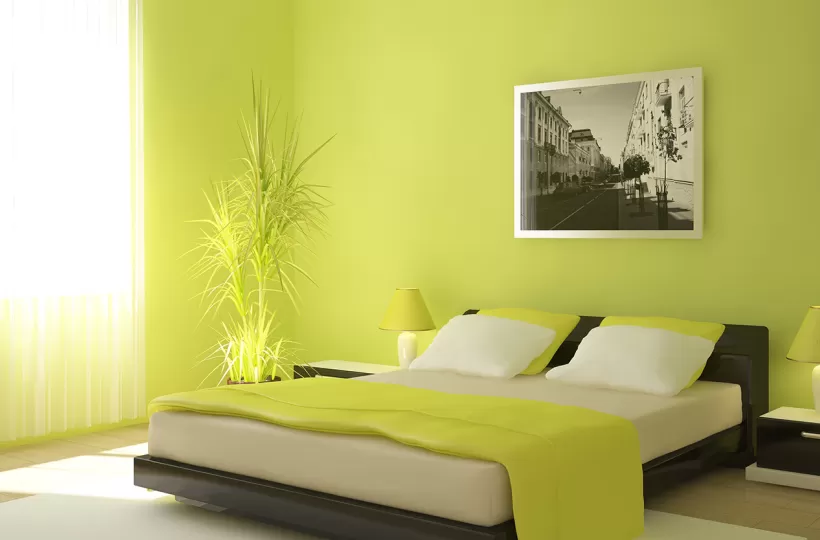
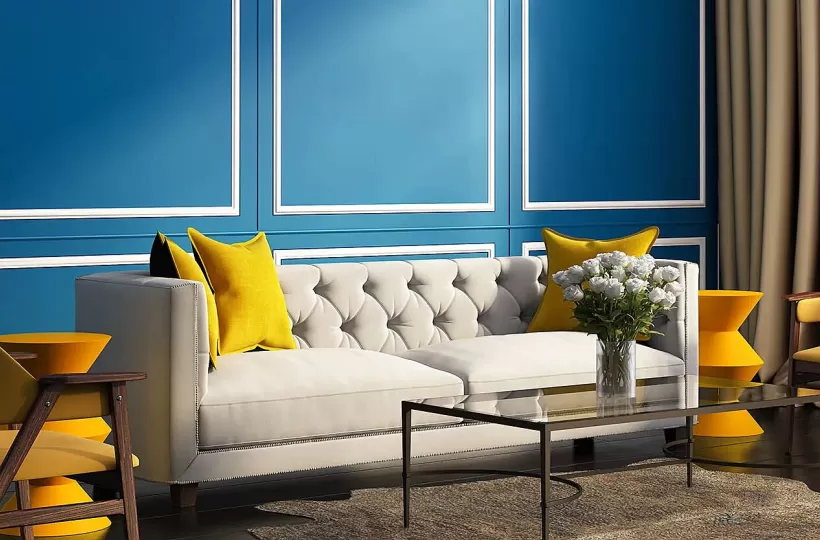
Colours strongly influence mood and emotions. Interior designers carefully select hues to create desired atmospheres. Warm tones like red and yellow energise, while cool blues and greens are calming. Neutrals like brown, tan, and grey promote concentration and relaxation. Colour combinations establish balance and visual interest. Using Nerolac Synthetic Hi-Gloss Enamel, for instance, adds a refined finish and long-lasting vibrancy, enhancing the mood of any room.

2. Space Planning

Effective space planning optimises function and circulation. Designers consider ergonomics, furniture layouts, and user needs. Open concepts promote free flow, while defined rooms provide privacy.

3. Lighting

Both natural and artificial lighting impacts aesthetics and utility. Windows, skylights, and lighting fixtures illuminate spaces appropriately for different uses.

4. Furniture and Accessories

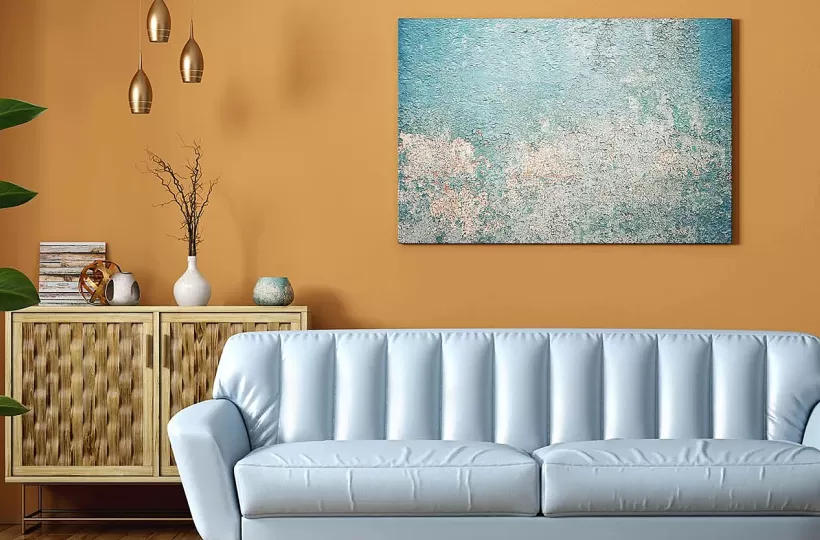
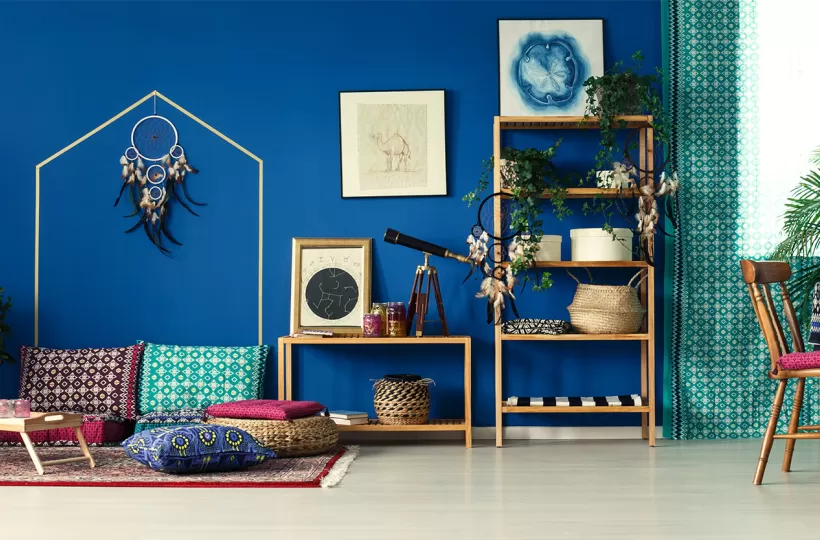
Furnishings must be functional, comfortable, and coordinated with the overall design. Styles, materials, and scale need to suit the space. Accessories like art, plants, rugs, and decorative objects add personality.

Also Read: Interior Painting Ideas That Expert Swear

Responsibilities of an Interior Designer

Interior designers handle a wide range of duties throughout the design process. Their work requires creativity, strong project management, and communication skills.

Creating Functional Spaces

Interior designers focus on optimising function and quality of life for end users. They analyse client needs and map out space plans suited for the intended purpose, whether residential, commercial, or hospitality. Their designs enhance workflow and circulation while providing safety, accessibility, and visual appeal. Interior designers ensure spaces promote health, productivity, and comfort.

Selecting Materials, Finishes, and Fabrics

Interior designers choose materials, finishes, and fabrics that are attractive, durable, eco-friendly, and appropriate for the space. They research options and specify items like flooring, countertops, paints, wall coverings, and upholstery based on client preferences, budgets, and project requirements. Their selections unify the aesthetic while meeting practical needs.

Project Management and Coordination with Clients

Interior designers manage all project phases, from initial concepts to installation. They coordinate with architects, contractors, and clients while adhering to budgets and timelines. Designers present concepts, incorporate feedback, secure permits, review product samples, and oversee construction. Clear communication and organisation are crucial.

Also Read: Guest Room Interior Design Ideas

Different Types of Interior Design Styles

Interior designers draw from various aesthetics to create spaces tailored to clients' tastes and lifestyles. Stylistic approaches range from ornate and lavish to minimalist and modern.

Traditional

Traditional style includes designs that reuse historical forms and classical decorative details. This includes European styles like French, English, and Italian classics and Asian styles like Chinese and Indian. Motifs include ornate woodwork, antiques, rich colours, and lavish fabrics. Traditional rooms feel elegant, formal, and timeless.

Modern/Contemporary

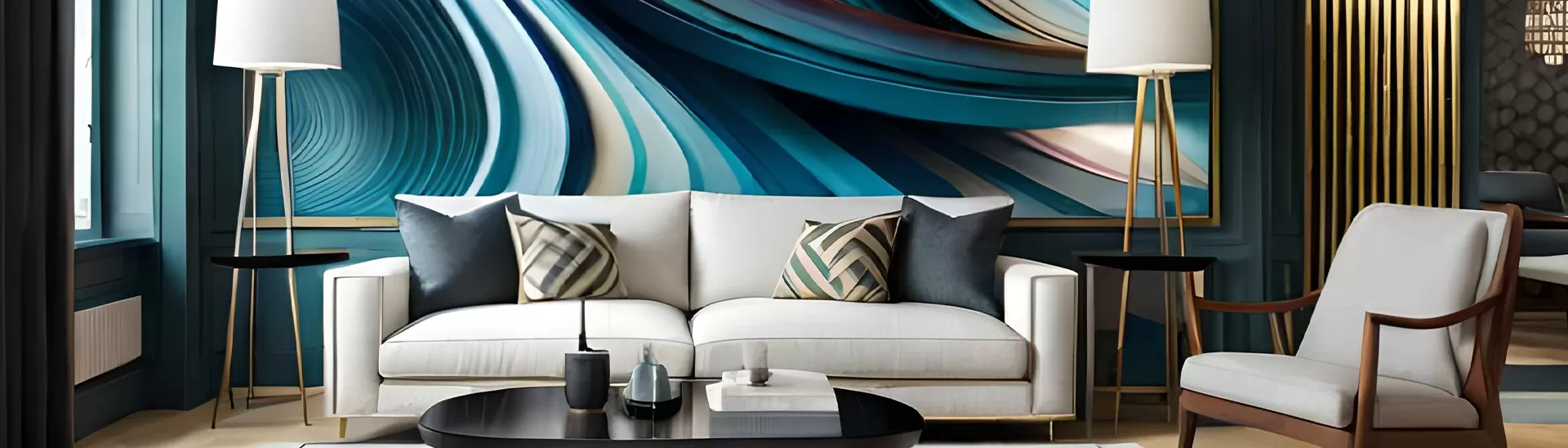
Modern and contemporary styles are minimalist and focus on clean lines, open spaces, and a sleek, uncluttered look. Neutral colours, large windows, lucite, chrome, and glass are commonly used. Contemporary can include unexpected shapes and asymmetric forms for visual interest.

Minimalist

Minimalist interiors are pared-down with a limited colour palette and few accessories. Visual clutter and ornate detailing are avoided to make the architecture and shapes stand out. There is an emphasis on negative space, natural light, and seamless flow.

Industrial

The industrial style incorporates raw, utilitarian materials like exposed brick, concrete, metal, and wood. Piping, ductwork, and structural elements are left revealed for an unfinished warehouse aesthetic. Vintage items like factory carts and leather add character.

Also Read: Trendy Interior House Paint Ideas

How to Incorporate Interior Design in Your Home

There are many ways to apply interior design principles without hiring a professional designer. Start by analysing how you use each space and identifying your style preferences. Consider activities, traffic flow, lighting needs, and aesthetic goals. Select a cohesive colour palette and collect inspiration images. Incorporate your style into critical elements like lighting fixtures, furniture, window treatments, and artwork. Arrange furnishings in a logical layout tailored to your functions.

Add personal touches like plants, pillows, and accessories to enhance visual interest. Take time planning renovations and avoid trendy gimmicks. Focus on quality, durability, and timeless style. Be bold with your colour and design choices, but maintain harmony. Finally, edit clutter and regularly refresh your rooms to keep your home looking curated. Thoughtful details make all the difference in creating an interior you love.

Conclusion

Interior design is an intricate profession that blends aesthetics, functionality, and craftsmanship to create environments tailored to human needs. Understanding the elements and responsibilities involved allows homeowners to make informed design decisions for their personal spaces. With some basic knowledge, anyone can begin incorporating interior design principles into their home.

Thoughtfully applying concepts like space planning, lighting, colour theory, and cohesive styling can transform living spaces into beautiful, functional reflections of personal taste and lifestyle. Interior design impacts our daily lives profoundly, and even simple principles can make a big difference in the comfort and enjoyment of our homes.

Key Takeaways

  • What is interior design refers to the planning and enhancement of interior spaces to create functional, safe and aesthetically pleasing environments.
  • The definition of interior design involves space planning, materials, finishes, lighting, furniture, accessories and consideration of occupant needs.
  • The importance of interior design extends beyond aesthetics by supporting comfort, functionality, productivity, relaxation and personal or brand identity.
  • Key elements of interior design include colour, lighting, space planning, furniture and accessories, which work together to shape the look and usability of a space.
  • Different types of interior designs include traditional, modern or contemporary, minimalist and industrial styles, each with distinct characteristics.
  • Interior design can be incorporated into a home by considering how each space is used, selecting a cohesive colour palette, planning furniture layouts and adding personal touches.

Nerolac Paints, a leading paint company in India offers a wide range of wall paint colours & painting services & solutions for homes & offices.

Get in Touch

Looking for something else? Drop your query and we will contact you.

I have read and agree to the  terms & conditions and the  consent.

*5 Day Painting available in selected cities only, subject to site evaluation.

FAQs

What is interior design?

+

Interior design is the art and science of enhancing the interior of a building to create a healthier, functional, safe and aesthetically pleasing environment. It involves planning spaces, selecting materials and finishes, and coordinating elements such as lighting, furniture and accessories according to the needs of the people using the space.

What is the definition of interior design?

+

The definition of interior design involves planning and designing interior spaces to create an environment that balances aesthetics, functionality and safety. It requires consideration of factors such as spatial planning, building systems, materials, textiles, accessibility and the needs of occupants. Interior designers may work with architects and clients to develop layouts, select finishes and furnishings, and oversee projects.

Why is interior design important?

+

The importance of interior design goes beyond making a space look attractive. Thoughtful design can improve functionality, comfort, circulation and the overall experience of occupants. According to the source, well-designed environments can promote relaxation at home, support employee satisfaction at work and encourage learning in educational settings, while also expressing personal or brand identity.

What are the main elements of interior design?

+

The main elements discussed in the source include colour, space planning, lighting, furniture and accessories. Colour can influence the mood and atmosphere of a room, while space planning helps optimise movement and functionality. Lighting affects both aesthetics and usability, and furniture and accessories provide comfort, function, coordination and opportunities for personal expression.

What are the different types of interior designs?

+

The source covers several types of interior designs, including traditional, modern or contemporary, minimalist and industrial. Traditional interiors use classical details, rich colours and decorative elements, while modern and contemporary styles focus on clean lines and uncluttered spaces. Minimalist interiors emphasise simplicity and negative space, whereas industrial designs use materials such as exposed brick, concrete, metal and wood.

How can I incorporate interior design principles into my home?

+

Start by considering how each room is used, the activities that take place there, traffic flow, lighting requirements and your preferred style. Select a cohesive colour palette and plan furniture around the function of each space. You can then add elements such as lighting fixtures, artwork, plants, pillows and accessories while maintaining a balance between aesthetics, functionality, quality and personal style.

Get in Touch

Looking for something else? Drop your query and we will contact you.

×

Get in Touch

Looking for something else? Drop your query and we will contact you.