


Protect Your Ceiling With The Right Waterproofing Method
Published: 15 Jan 2022 | Modified: 12 Nov 2026
Quick Summary
Ceiling waterproofing protects your home from leaks, damp patches and peeling paint caused by terrace seepage, plumbing issues or bathroom moisture. The right ceiling waterproofing solution depends on the source, with terrace coatings, membranes, crack fillers and waterproof ceiling paint commonly used. For bathrooms, moisture-resistant waterproof paint for bathroom ceilings prevents fungus. Treating the source and choosing the right waterproof ceiling material ensures long-lasting protection in Indian monsoons.

Create Your Dream Home With Our Painting Experts
Fill the form below to book a free site evaluation by Nerolac Nxtgen painting Services expert
TABLE OF CONTENTS
This guide explains ceiling waterproofing in plain language, shows when to use paint, membranes, or panels, and highlights trusted options from Nerolac with clear reasons. The focus is on Indian homes, terraces, and bathrooms where monsoon moisture and seepage are common. Image prompts and internal links are included for easy website use.
What is Ceiling Waterproofing?
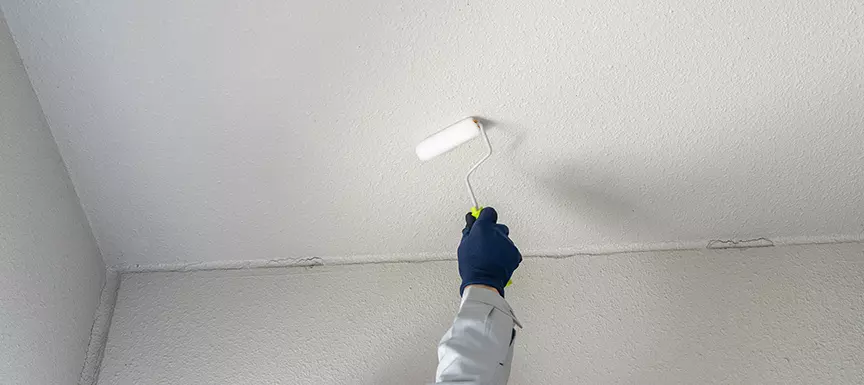
Ceiling waterproofing means creating a continuous barrier that stops water and moisture from entering the ceiling surface and the layers above it. In Indian homes, moisture often travels from a bathroom above, a terrace slab, a balcony ledge, or a hairline crack. A complete system usually includes: source repair, a primer or pre-treatment to resist salts, a levelling layer like putty, and an appropriate topcoat or membrane.
Why Ceiling Waterproofing is Essential for Every Home?
Here are the reasons why ceiling waterproofing is important for every house:
-
Protects structure: Water can carry salts that push paint off and weaken plaster over time.
-
Prevents health concerns: Damp areas harbour mould and mildew that trigger allergies.
-
Saves money later: Early action avoids ceiling plaster replacement and repaint cycles.
-
Improves comfort: A dry ceiling helps maintain indoor air quality during long monsoon spells.
What are the Benefits of Using Waterproof False Ceiling and Ceiling Sheets?
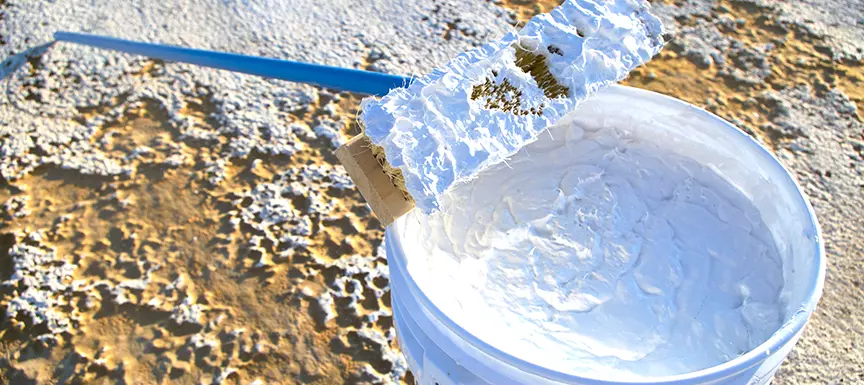
Below are the advantages of using waterproofing false ceiling and sheets:
-
Moisture management: A waterproof false ceiling or waterproof ceiling sheets create a second skin in wet rooms, keeping steam and occasional drips away from the structural slab.
-
Ease of service: The cavity allows access to pipes, vents, and electrical points.
-
Finish choice: Panels come in wipe-clean textures that resist stains, useful in kitchens and bathrooms.
-
Thermal and acoustic comfort: The layer can also soften noise and heat from the slab.
Use panels to manage humidity and drips; pair them with proper ceiling waterproofing solutions above to solve seepage.
Best 10+ Ceiling Waterproofing Solutions and Ideas
Below are the most used methods in Indian homes, when to choose them, and where Nerolac products fit.
Cementitious Waterproofing for Internal Wet Areas
A cement-based slurry bonds with concrete and plaster to block pores. It suits bathrooms, kitchens, and internal walls where pressure is not extreme.
When to use: Damp patches, efflorescence, and re-painting of interiors.
Consider: A ready-to-use interior damp solution before putty, Nerolac Perma Damp Lock to resist salt transport and improve paint adhesion in damp-prone areas.
Follow with: Nerolac Perma Waterproof Premium Putty for a smooth base and better efflorescence resistance.
Acrylic Waterproofing for Roofs and Terraces
Acrylic systems form flexible, breathable films that handle thermal movement and resist rain. Useful on terraces over living rooms and on exterior surfaces that influence ceilings below.
Option to explore: Nerolac Excel Top Guard, an acrylic exterior system known for flexibility, waterproofing, and crack-bridging, suitable for terraces and walls.
Result for ceilings: Less water sitting on the slab means fewer drips and stains inside.
Liquid Waterproofing Membrane for Flexible Coverage
These are brush- or roller-applied membranes that cure into continuous sheets. They can bridge small cracks and deal with irregular shapes around parapets and drains.
Where it helps: Flat roofs, balconies, chajjas, and tricky junctions above your ceilings.
PU-hybrid option: Nerolac Perma NoDamp+ is a fibre-reinforced elastomeric coating with high elongation and crack-bridging, designed for robust waterproofing on exteriors.
Bituminous Coating Waterproofing for Concrete Foundations
A bitumen-based coating offers good moisture protection for below-grade areas and some roofs. It is more common in foundations and utility spaces.
Tip: In living spaces, many homeowners now prefer acrylic or PU systems due to flexibility, reflectivity, and paintability. Compare the life cycle and maintenance before choosing.
Polyurethane Liquid Membrane for Flat Roofs
PU membranes provide strong adhesion and high elasticity. They are suitable for areas that expand and contract due to sun heat.
Comparable approach: PU-hybrid elastomeric coatings (as in NoDamp+) combine flexibility with crack-bridging, useful where micro-movement causes recurring seepage.
Bituminous Membrane Waterproofing for Low-Slope Ceilings
Torch-applied or self-adhesive bitumen rolls create a thick barrier. They work on low-slope roofs when installed by trained crews.
Useful when: You need a defined thickness and layered system above a ceiling.
Mind the details: Overlaps, terminations, and drains must be perfect; pair with a protective screed where required.
Also Read: What are the Best Waterproofing Materials?
Waterproof Ceiling Sheets for Durable Barrier Protection
Waterproof ceiling sheets (PVC or engineered panels) resist steam and splashes. They are practical in bathrooms and kitchens where cleaning is frequent.
Good for: Quick upgrades with minimal mess.
Remember: They manage room-side moisture but do not stop seepage from the slab. Use them alongside a proper terrace/bath waterproofing system above.
Waterproof Bathroom Ceiling Panels for High-Moisture Areas
Steam from hot showers condenses on the ceiling. Waterproof bathroom ceiling panels reduce staining and are easy to wipe.
Best with: An exhaust fan and an openable window for ventilation.
Pair with: Damp-resistant interior systems behind the panel for long service life.
Waterproof False Ceiling: Modern and Functional Solution
A waterproof false ceiling helps hide services and light fixtures while handling daily humidity. In kitchens and baths, choose materials rated for wet areas and seal joints properly.
Combine with: A membrane on the wet side (terrace or bathroom floor above) plus an interior damp treatment to stop patches.
Combination of Ceiling Waterproof Paint and Membrane for Maximum Protection
Many older homes benefit from a membrane above and waterproof ceiling paint inside.
Exterior/topside: Use flexible acrylic or PU-hybrid systems on the terrace to keep water out (e.g., Excel Top Guard, Perma NoDamp/NoDamp+ depending on surface).
Interior/below: On damp-stained ceilings, start with Perma Damp Lock as a pre-putty treatment, then apply putty and compatible interior coatings like Perma Damp Protect Interior. This sequence resists salt and damp marks.
How to Choose the Right Ceiling Waterproofing Solution for Your Home
Here are the steps to select the perfect ceiling waterproofing solution for your space:
Find the source first: Terrace ponding, faulty bathroom waterproofing, AC drain leaks, or balcony edges—fix the cause before painting.
Match solution to location: Terraces/low-slope roofs: Flexible exterior coatings or membranes. Acrylic/PU systems handle movement well.
Bathrooms/kitchens: Cementitious layers within the wet area plus damp-resistant interior treatments.
Check surface condition: Powdery plaster or salts need a penetrative damp-lock step before putty. Perma Damp Lock is formulated for this stage.
Consider finish and maintenance: Waterproof paint for ceiling gives a familiar painted look; waterproof ceiling sheets or panels give wipe-clean convenience.
Budget and access: Membranes may need skilled applicators. Interior treatments are simpler during repainting.
Climate and sun exposure: In very hot zones, reflective waterproof coats like Perma No Heat can reduce surface temperatures on slabs, easing stress on the system below.
How to Apply Waterproof Ceiling Paint and Coatings Effectively
Always read the product data sheet and follow coverage, dilution, and curing time.
Suggested Interior Sequence for Damp-Affected Ceilings:
Clean and prepare: Remove loose material, scrape efflorescence, wash, and let the surface reach SSD (saturated surface dry).
Pre-treat damp: Apply Nerolac Perma Damp Lock as directed. Allow 6–8 hours between coats where specified.
Putty for smoothness: Apply Nerolac Perma Waterproof Premium Putty; let it dry; sand lightly for a smooth base.
Prime/undercoat if required: Use the system-compatible interior undercoat, such as Perma Damp Protect Interior, where specified.
Topcoat: Finish with the recommended interior painting system.
Suggested Terrace/Roof Sequence to Protect Ceilings Below:
Repair cracks and joints: Open, clean, and fill cracks; detail parapet and drain junctions.
Coating choice: An acrylic exterior waterproof system like Excel Top Guard for flexibility and crack-bridging, or a PU-hybrid elastomeric coating like Perma NoDamp+ for high elongation and strong waterproofing.
Curing and protection: Respect dry times and avoid ponding until full cure.
Also Read: What Is Nerolac NXTGen Waterproofing Services?
How to Maintain Ceiling Waterproofing for Years of Protection
Inspect before monsoon: Clear terrace drains; remove debris that causes ponding.
Control indoor humidity: Use exhausts in kitchens and bathrooms to reduce condensation.
Look for early signs: Bubble-like blisters, faint yellow rings, or musty odour—treat quickly.
Follow repaint cycles: Recoat waterproof ceiling paint as recommended; spot-treat salts with a damp-lock product if patches return.
Keep records: Note products used, dates, and coverage; it helps with future maintenance decisions.
Also Read: Types of Waterproofing Methods & Solutions
Conclusion: Protect Your Home with Reliable Ceiling Waterproofing Solutions
A dry ceiling starts on the outside with a sound terrace or balcony system and finishes on the inside with the right prep and paint. For many Indian homes, a balanced approach works best: flexible exterior coatings for the slab, and a damp-blocking interior sequence before the final finish. When you want time-tested options, explore:
Perma Damp Lock for pre-putty damp and salt control on interiors.
Perma Waterproof Premium Putty for a smooth, durable base.
Excel Top Guard or Perma NoDamp/NoDamp+ for exterior waterproofing on terraces and walls that influence ceilings below.
Key Takeaways
- Identify whether leaks come from terrace, plumbing or upper bathrooms first.
- Terrace waterproofing is the most effective way to stop ceiling leaks.
- Use anti-fungal waterproof paint on bathroom and kitchen ceilings.
- Repair cracks and joints before applying any ceiling waterproofing coat.
- Ensure good ventilation in bathrooms to reduce ceiling condensation.
- Complete ceiling waterproofing before the monsoon for best results.
Nerolac Paints, a leading paint company in India offers a wide range of wall paint colours & painting services & solutions for homes & offices.
-

Best Colour Combination For Walls To Elevate Your Home Interiors Best Colour Combination For Walls To Elevate Your Home Interiors
Intoduction:In 2025, harmonious colour schemes for individuality and…
-
Best Green Colour Combinations for Walls – Schemes & Design Ideas Best Green Colour Combinations for Walls – Schemes & Design Ideas
Introduction:Green has long been a favourite choice in home decor…
-

What Colours Match with Blue? 14 Colour Combinations with Blue for Your Home What Colours Match with Blue? 14 Colour Combinations with Blue for Your Home
Blue is a universally popular colour for décor and design; choosing a colour…
-
Recent Blogs
- Wooden House Design: 8 Kashmiri-Inspired Ideas for Warm and Elegant Homes
- Kashmiri Home Interior Design: 5 Ideas to Bring Kashmir's Beauty Into Your Home
- 7 Beautiful Kashmiri Home Design Ideas Inspired by Noor-e-Kashmir
- Cloud Dancer Colour of the Year – Meaning, Combinations, Interior Ideas and Trends
- How To Make Yellow Colour: Tips for Perfect Wall Paint Shades & Home Décor Ideas
-
Get in Touch
Looking for something else? Drop your query and we will contact you.
FAQs
Which is the best method for ceiling waterproofing?
The best method depends on the leak source. For top-floor ceilings, waterproof the terrace with elastomeric coatings or membranes, as fixing from above stops water entry. For intermediate floors, repair the plumbing or waterproof the bathroom floor above. Inside, use damp-proof primers and waterproof ceiling paint as secondary protection. Nerolac waterproofing solutions can be selected based on the area.
What is the ceiling waterproofing process step by step?
First, trace the leak source through inspection. Second, fix plumbing or terrace issues. Third, scrape damaged paint and plaster from the ceiling. Fourth, let the area dry completely. Fifth, fill cracks with waterproof fillers. Sixth, apply waterproof coatings on the terrace or source area. Finally, prime the ceiling with a damp-resistant primer and repaint.
How long does waterproof ceiling paint last?
Waterproof ceiling paint lasts longer when applied on a dry, properly prepared surface with the leak source fixed. It acts as a moisture barrier but cannot stop active leaks by itself. In bathrooms, good ventilation extends its life. Regular inspection and touch-ups keep performance consistent. Terrace-side waterproofing combined with ceiling paint provides the most durable protection.
What is the best waterproof paint for a bathroom ceiling?
Choose a moisture-resistant, anti-fungal paint designed for high-humidity areas. A satin or semi-gloss finish resists condensation and is easy to clean. Use a damp-proof primer underneath for better adhesion. Ensure the ceiling is dry and free of fungus before painting. Pair the paint with an exhaust fan to reduce steam buildup and prevent peeling.
What factors affect the cost of ceiling waterproofing in India?
The cost varies with the leak source, affected area and treatment type. Terrace membranes or elastomeric coatings cost more than simple ceiling paint. Plumbing repairs, removal of damaged plaster and repainting add expense. Access to terraces and the number of cracks also matter. A professional inspection helps provide a detailed estimate before work begins.
What waterproof ceiling materials are commonly used?
Common materials include elastomeric acrylic coatings, bituminous membranes, polyurethane coatings and cementitious waterproofing compounds for terraces and slabs. Crack fillers and sealants repair joints and gaps. Inside, damp-proof primers and moisture-resistant paints protect ceiling surfaces. Moisture-resistant gypsum boards are used for false ceilings in bathrooms and kitchens, where steam and humidity are highest.


Get in Touch
Looking for something else? Drop your query and we will contact you.
Latest Happenings in the Paint World
Get some inspiration from these trending articles





Popular Post
Popular Searches
What’s Trending in Bedrooms
Explore Trending Living Room Ideas
- Living Room Colour Combination
- Modern Two Colour Combination for Living Room
- Wall Texture for Living Room
- Vastu Colours for Living Room
- Wall Texture Design for Living Room
- Living Room Paint Ideas
- Living Room Design Ideas
- Paint Colour Ideas for Living Room
- Living Room TV Wall Designs
- Green Living Room Walls
Kitchen Ideas People Love
Explore Trending Ceiling Ideas
Study Room Ideas in Demand
Explore Wall Paint Categories
Handpicked Colour Inspirations
- Accent Wall Design
- Bedroom Design Ideas
- Exterior Wall Colour Design Ideas
- Interior Wall Colour Design Ideas
- Kitchen Design Ideas
- Living Room Interior Design
- Geometric Wall Design Ideas
- Home Colour Combination Ideas
- Home Décor Ideas
- Mural Wall Paint Design Ideas
- Office Space Design Ideas
- Puja Room Design Ideas
- Texture Design Ideas
- Festival Painting Ideas
- Paint Colour Chart
- Wall Painting Designs
- Wood Wall Décor Ideas
- Mural Wall Paint Design
- Hall Design Ideas
- Gate Colour Design
- Exterior Wall Colour Design
- Door Colour Design Ideas
-
 Get in Touch
-
Store Locator
-
 Download App
×
Get in Touch
Looking for something else? Drop your query and we will contact you.

