

What Is the Mehndi Ceremony? Meaning, Colours & Bridal Mehendi Guide
Published: 10 Jan 2025 | Modified: 13 Feb 2026
Quick Summary
The Mehndi ceremony is often the first day when both families truly relax into the celebration. Elders bless the bride, cousins keep the mood light, and friends make sure she laughs while she sits still for the artist. It is also a comfortable meet-and-mingle before the main ceremonies.
From a style point of view, this is when the wedding’s mood becomes visible. A warm palette, soft lighting, and a comfortable seat help the bride look calm, which directly improves photographs. Most importantly, the function gives henna time to deepen, so your Mehendi colour looks richer at the wedding.
Create Your Dream Home With Our Painting Experts
Fill the form below to book a free site evaluation by Nerolac Nxtgen painting Services expert
TABLE OF CONTENTS
The Mehndi ceremony is a joyful pause in the middle of wedding planning. Families sit together, apply henna, and watch it turn into memories on the bride’s and guests’ hands. In India, this celebration is often called the Mehendi function, and it usually comes with music, playful games, and décor that feels warm and inviting. Beyond the fun, it is also a blessing ritual for love, prosperity, and a smooth start to married life.
This guide covers the meaning of the function, the traditional flow of the Mehendi rasam, and the choices that matter most for photos – design, stain depth, and colour planning. If you are organising your own wedding Mehendi, use the sections below to match designs and décor to your taste while keeping the day easy for everyone.
How Is The Traditional Mehendi Rasam Performed?
The Mehendi rasam usually starts with a small blessing. The bride is seated on a cushion or low platform, and an elder applies the first dot or simple motif. After that, the artist begins detailed work while family members apply lighter designs on their own hands.
Many homes keep a thali nearby with sweets, a diya, and a little rice or turmeric. Music runs in the background, and the bride’s hands are supported with pillows so she can stay steady. Plan the function 24–48 hours before the wedding so the stain has time to deepen, especially for an early-morning muhurat.
What Are The Different Types Of Bridal And Groom Mehndi?
Bridal Mehandi is detailed and balanced, often covering palms, forearms, feet, and ankles. Motifs may include florals, paisleys, jaali patterns, and personal touches such as initials or a wedding date. For Mehndi for dulhan, fine lines and clean spacing matter because they stay sharp after the paste is removed.
Groom Mehndi is usually minimal and quick: a bold emblem on the palm, initials, or a short band on the wrist. If you want comfort and a modern look, simple bridal mehendi uses one strong centre motif with neat finger detailing and more skin visible, which also photographs beautifully in daylight.
Also Read: Top 10 Beautiful Wedding Home Décor Ideas
What Mehendi Colours Are Used And What Do They Symbolise?
Henna stain moves through warm shades as it oxidises. Right after scraping, it looks orange; after several hours, it settles into a brown-red tone. The final Mehendi colour depends on henna freshness, skin warmth, and aftercare, but it stays in the earthy family.
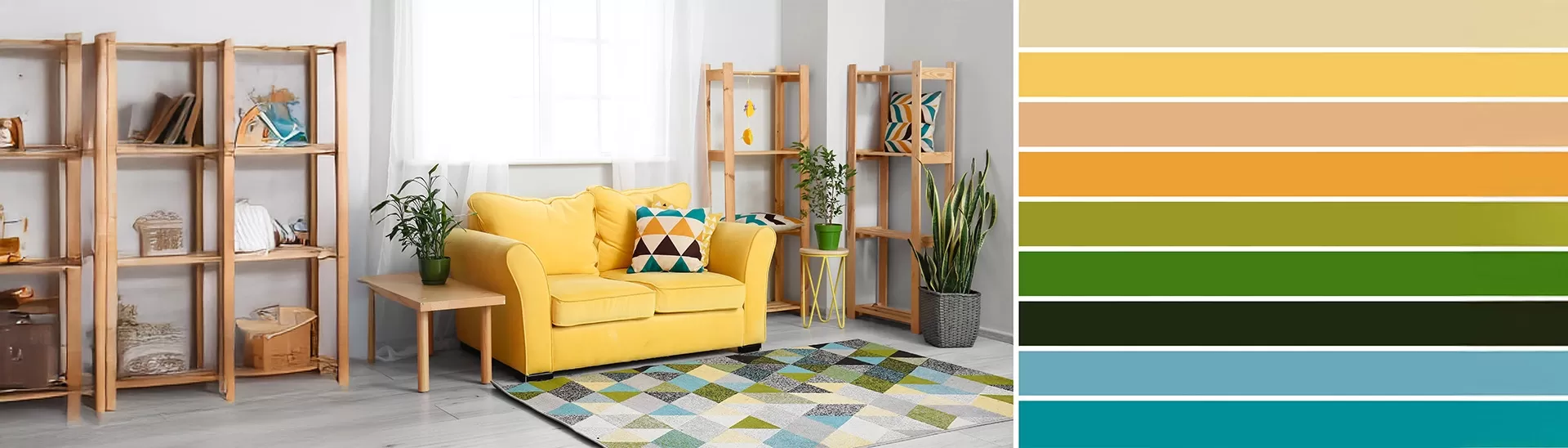
Symbolically, these tones are linked to stability, family bonds, and long-lasting love. That is why mehndi décor often leans warm too – marigold yellow, leafy green, coral, terracotta, and soft ivory complement henna without stealing attention. When the surroundings stay balanced, the stain reads clearly in close-ups of hands, bangles, and rings.
What Is The Significance Of Red Colour Mehndi In Weddings?
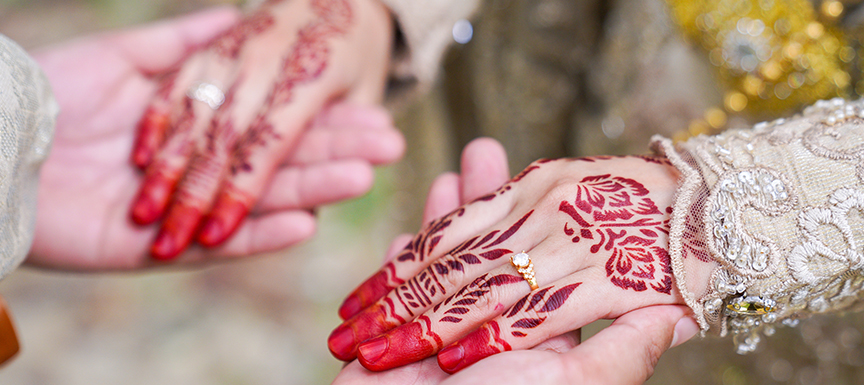
In many regions, red colour Mehndi is considered the most bridal-looking stain because it echoes the reds used in wedding attire and traditional textiles. A red-brown stain looks festive and pairs beautifully with gold jewellery and warm lighting.
If your outfit is bright, keep the décor slightly softer so the camera captures both the outfit and the design. Ivory drapes, marigold flowers, and one accent like coral cushions help the henna details stay visible while the frame still feels celebratory.
Why Is Dark Mehndi Colour Considered Auspicious?
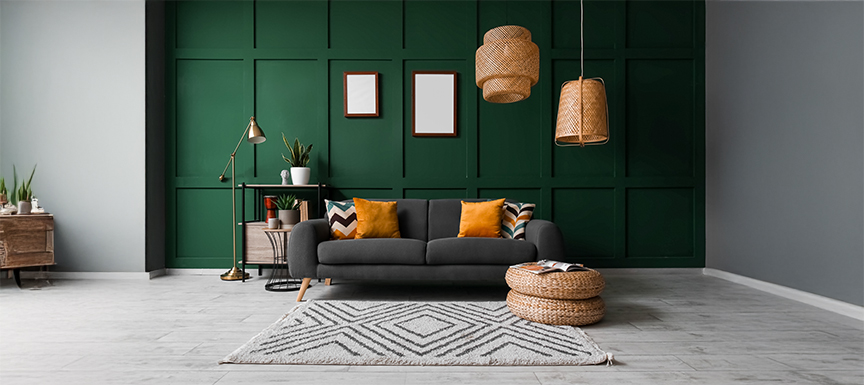
A dark Mehndi colour is traditionally linked to strong blessings and the warmth of the couple’s bond. Stories vary by family, but the idea stays the same: deeper colour is a happy sign. On the practical side, a darker stain usually means the paste stayed on longer, and the henna was fresh.
A deep stain also improves visibility in photographs. Fine lines and tiny motifs look clearer when contrast is high, so the design is readable even in wider shots.
What Tips Ensure Long-Lasting, Rich Mehendi Colour?
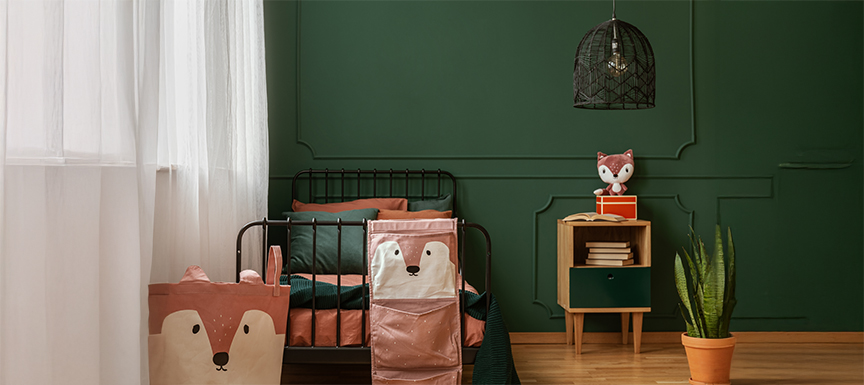
A richer Mehendi colour comes from fresh paste, time, and gentle care:
-
Start with clean, dry hands; avoid heavy lotion right before application.
-
Let the paste dry fully, then keep it on for a few hours if possible.
-
Keep hands warm; cold air can slow colour development.
-
Scrape off gently; do not wash immediately.
-
Avoid water for 8–10 hours; use mild soap for two days.
For hosts, plan the space for easy clean-up. If you are setting up at home, a washable interior finish helps with accidental smears on walls. Many families choose options like Nerolac Impressions Eco Clean or Nerolac Beauty Gold for neat, guest-friendly spaces.
Which Nerolac Colour Palettes Pair Well With Bridal Mehandi Photography? (Use Warm Colour)
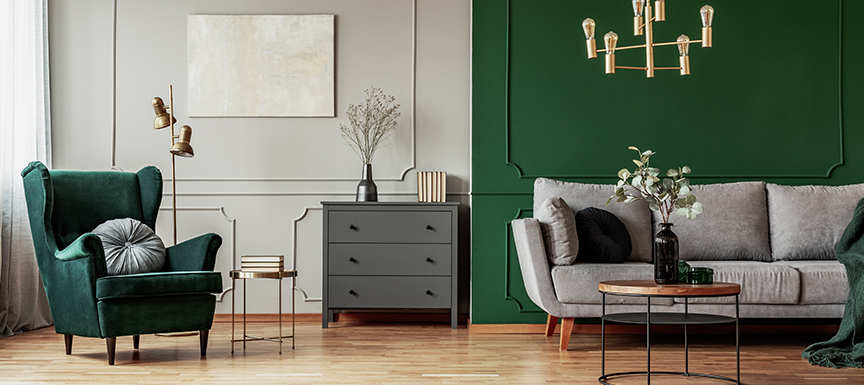
Warm shades flatter Indian skin tones and make henna look deeper on camera. Build a palette with one warm base, one festive highlight, and one neutral. From the Nerolac shade range, combinations that work well include:
-
Warm ivory walls + marigold accents + leafy green florals
-
Soft beige base + coral cushions + mustard elements
-
Cream backdrop + terracotta props + muted pink flowers
If you are repainting for the function, choose an even wall finish so the background looks clean in photos. Products such as Nerolac Excel Total can help you achieve a smooth, photo-ready interior base for décor.
What Backdrop Colours Highlight Mehendi Designs Best?
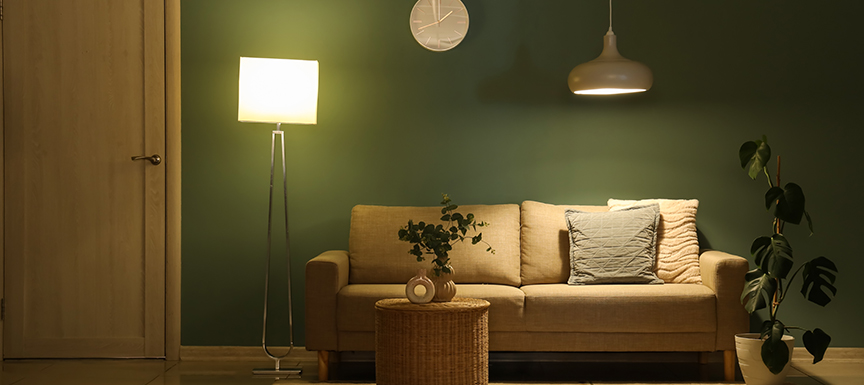
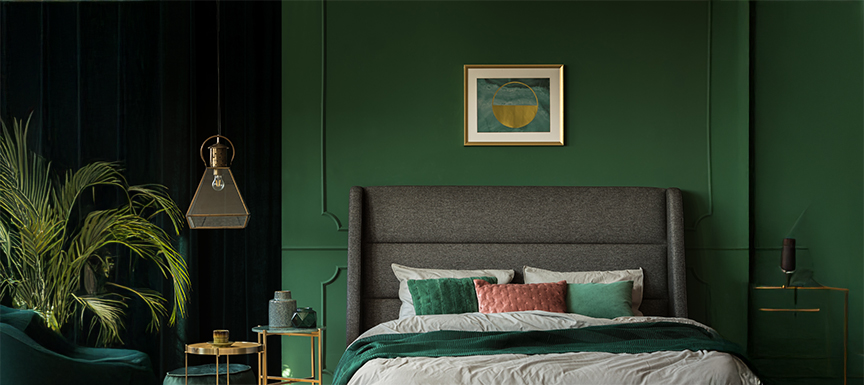
Backdrops should create contrast with henna and match the wedding mood. The safest picks are greens, yellows, coral, ivory, terracotta, and mustard. Green lifts orange-brown stain, ivory keeps the frame light, and terracotta adds a premium warmth.
Avoid dull browns behind hands, because the design blends in. If your venue wall is plain, a warm ivory or soft cream repaint can improve photos and reduce the need for heavy draping.
Also Read: Wedding Home Decoration Ideas
What Colour Combinations Create Vibrant Mehndi Setups?
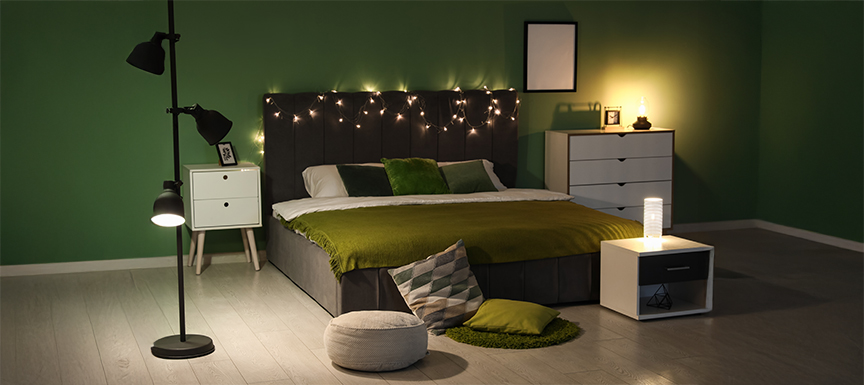
Vibrant décor looks best when it is controlled. Pick one hero colour, one support colour, and one neutral, then repeat them across flowers, fabrics, and seating.
Popular combinations for the Mehendi ceremony include:
-
Yellow + green + ivory for a classic, bright setup
-
Coral + mustard + cream for a modern, warm look
-
Terracotta + olive + beige for an earthy feel
-
Pink + marigold + soft white for a cheerful day function
When colours repeat in small details, the space looks planned and photographs better.
How To Use Floral, Fabric, And Colour Blocks For Mehndi Décor?
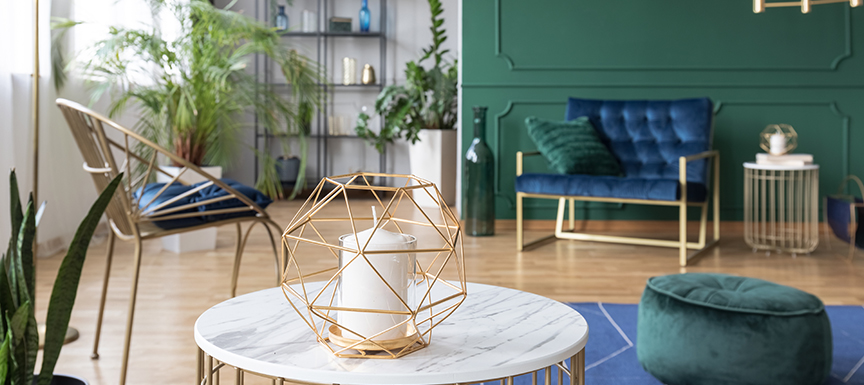
Start with comfort. The bride will sit for hours, so add a footrest, arm cushions, and a small table for water and tissues. Then build décor in layers:
-
Florals: marigold strings, mogra, and mixed greens for volume.
-
Fabric: one main drape behind the bride, plus side panels to frame photos.
-
Colour blocks: solid cushions in two shades, not many.
Use warm fairy lights for the evening, and avoid harsh white spotlights. Indoors, matte walls reduce glare on jewellery and help skin tones look natural, so the henna remains the hero.
Conclusion
Treat the Mehendi ceremony as both a ritual and a party. Pick your design style – full bridal Mehandi or simple bridal mehendi – and plan the space so the bride can sit comfortably while the stain deepens. Keep the schedule breathable: allow time for photos before the paste dries fully, and avoid packing too many games in the middle of the application.
Key Takeaways
A successful Mehendi ceremony is simple: schedule it early enough for colour to develop, choose designs that suit comfort and style, and build a warm palette that highlights hands in photos. Patient aftercare, clean backdrops, and warm lighting make the difference. Choose one theme and repeat it across every corner.
Nerolac Paints, a leading paint company in India offers a wide range of wall paint colours & painting services & solutions for homes & offices.
-
Best Colour Combination For Walls To Elevate Your Home Interiors Best Colour Combination For Walls To Elevate Your Home Interiors
Intoduction:In 2025, harmonious colour schemes for individuality and…
-

What Colours Match with Blue? 14 Colour Combinations with Blue for Your Home What Colours Match with Blue? 14 Colour Combinations with Blue for Your Home
Blue is a universally popular colour for décor and design; choosing a colour…
-
What Are The Different Types Of Paint For Home And Interior Walls? What Are The Different Types Of Paint For Home And Interior Walls?
Introduction:When it comes to home decor, nothing transforms a room as…
-
Recent Blogs
- Cloud Dancer Colour of the Year – Meaning, Combinations, Interior Ideas and Trends
- How To Make Yellow Colour: Tips for Perfect Wall Paint Shades & Home Décor Ideas
- How To Make White Colour: Tips for Perfect Wall Paint Shades & Home Décor Ideas
- How To Make Violet Colour: Tips for Perfect Wall Paint Shades & Home Décor Ideas
- How To Make Turquoise Colour: Tips for Perfect Wall Paint Shades & Home Décor Ideas
-
Get in Touch
Looking for something else? Drop your query and we will contact you.
FAQs
Which mehendi colour lasts the longest on hands?
The longest-lasting Mehendi colour is usually a deep brown-red that has had enough time to develop. Keep the paste on longer, keep your hands warm, and avoid water for the first 8–10 hours after scraping. Palms fade faster than wrists because they are washed more often.
Why does bridal mehendi turn darker than normal mehndi?
Bridal Mehendi often turns darker because it is applied thicker, kept on longer, and followed with stricter aftercare. Brides also avoid water and chores right after the function, which allows oxidation to happen fully. Fresh henna makes the colour more reliable.
How can I make red colour mehndi appear richer for photos?
To make red colour Mehndi look richer, use warm lighting instead of cool white bulbs. Choose ivory or soft beige backdrops, and avoid very blue-toned fabrics near the hands. Once the stain sets, a light oil can add glow without hiding detail.
What mehndi designs are best for brides who prefer simplicity?
If you like a clean look, simple bridal mehendi works well: one statement mandala, neat finger work, and a light jaali on the back of the hand. It dries faster, feels comfortable, and still looks bridal with jewellery.
Which colours complement mehndi outfits for wedding photography?
For wedding Mehendi outfits, marigold yellow, coral, leaf green, ivory, and mustard photograph well with henna tones. If your outfit is very bright, use more ivory in the backdrop. If your outfit is pastel, add one warm accent like terracotta.
What backdrop shades work best for showcasing mehndi designs?
Warm neutrals and festive brights work best: ivory, soft cream, mustard, coral, leafy green, and terracotta. Avoid backgrounds that are too close to henna tones, such as dull browns. A warm ivory wall plus green florals is a safe choice.
Which Nerolac paint colours enhance mehndi function décor?
For Mahendi function décor, choose Nerolac shades in warm ivory, marigold yellow, soft coral, muted terracotta, and gentle mustard. These shades feel festive and still keep the bride and her hands as the focus. Use a neutral wall as the base, then add colour through fabrics and flowers.
How long before the wedding should the mehendi rasam be done?
Most families do the Mehendi rasam 1-2 days before the wedding, so the stain peaks at the main ceremony. If the wedding is early morning, doing mehndi two days prior often helps. Plan buffers for photos and rest so the bride can keep the paste on longer.
What is the difference between bridal mehandi and groom mehndi?
Bridal Mehandi is detailed and covers more area, often with story motifs and hidden initials. Groom Mehndi is simpler and quicker, usually one motif or initials with a short wrist pattern, so it stays comfortable and neat.
What items are essential for setting up a mehndi ceremony at home or venue?
For a smooth Mehendi ceremony, keep comfortable seating, extra cushions, a footrest, tissues, water, wet wipes, a waste bin, and a clean sheet under the bride’s hands. Add a simple backdrop, warm lights, and enough space for the artist to work.


Get in Touch
Looking for something else? Drop your query and we will contact you.
Latest Happenings in the Paint World
Get some inspiration from these trending articles



Popular Post
Popular Searches
What’s Trending in Bedrooms
Explore Trending Living Room Ideas
- Living Room Colour Combination
- Modern Two Colour Combination for Living Room
- Wall Texture for Living Room
- Vastu Colours for Living Room
- Wall Texture Design for Living Room
- Living Room Paint Ideas
- Living Room Design Ideas
- Paint Colour Ideas for Living Room
- Living Room TV Wall Designs
- Green Living Room Walls
Kitchen Ideas People Love
Explore Trending Ceiling Ideas
Study Room Ideas in Demand
Explore Wall Paint Categories
Handpicked Colour Inspirations
- Accent Wall Design
- Bedroom Design Ideas
- Exterior Wall Colour Design Ideas
- Interior Wall Colour Design Ideas
- Kitchen Design Ideas
- Living Room Interior Design
- Geometric Wall Design Ideas
- Home Colour Combination Ideas
- Home Décor Ideas
- Mural Wall Paint Design Ideas
- Office Space Design Ideas
- Puja Room Design Ideas
- Texture Design Ideas
- Festival Painting Ideas
- Paint Colour Chart
- Wall Painting Designs
- Wood Wall Décor Ideas
- Mural Wall Paint Design
- Hall Design Ideas
- Gate Colour Design
- Exterior Wall Colour Design
- Door Colour Design Ideas
-
 Get in Touch
 -
Store Locator
-
 Download App
×
Get in Touch
Looking for something else? Drop your query and we will contact you.

