


How to Paint a Wooden Door & Wooden Table Like a Pro?
Published: 06 Apr 2022 | Modified: 30 Oct 2026
Quick Summary
Knowing how to paint a wooden door or table at home helps you refresh furniture and save on replacements. To paint a wooden door, remove hardware, clean and sand the surface, apply wood primer and then two thin coats of enamel or wood paint. The same steps apply when you paint a wooden table or other wooden furniture, with careful drying time between coats for a smooth, professional finish.

Create Your Dream Home With Our Painting Experts
Fill the form below to book a free site evaluation by Nerolac Nxtgen painting Services expert
TABLE OF CONTENTS
How to Paint Wooden Doors & Tables?
It is essential to paint surfaces that endure heavy traffic regularly, especially wooden furniture built for outdoor usage. Painting the wooden doors and tables enhances durability and also intensifies its appearance. Besides, the paint applied to the wooden furnishings can last longer, thereby providing the surface with a glossy and durable finish.
If you still don’t know the reasons for and how to paint wooden doors and tables, we will guide you. Through this article, you will learn the importance and ways of painting wooden doors and tables. Further, you will also learn the benefits of doing the same. Keep reading to have a clear insight on the same.
The Need for Painting Wooden Doors and Tables: What Protection Can You Get?
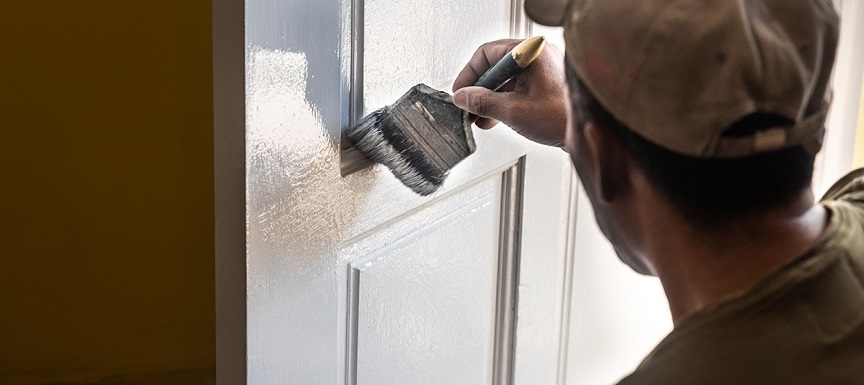
There are plenty of attributes in your home, made out of wood. It would be best if you remembered that the woodworks of your house require special attention even though they are sturdy. Besides, it can enhance the look of your home without incurring huge expenses.
Once you know how to paint a wooden table and other furnishings, you can provide complete protection to your belongings. Some of the protections that you will get through painting wooden doors and tables are:
- It will keep all the pests away, thereby pest-proofing your home.
- It will help add an extra protective layer to waterproof your wooden furnishings.
- It will help in blocking the UV rays from passing through the surface.
- It will provide better durability.
- It will enhance the look of your home sweet home.
Steps to Paint Wooden Doors and Tables
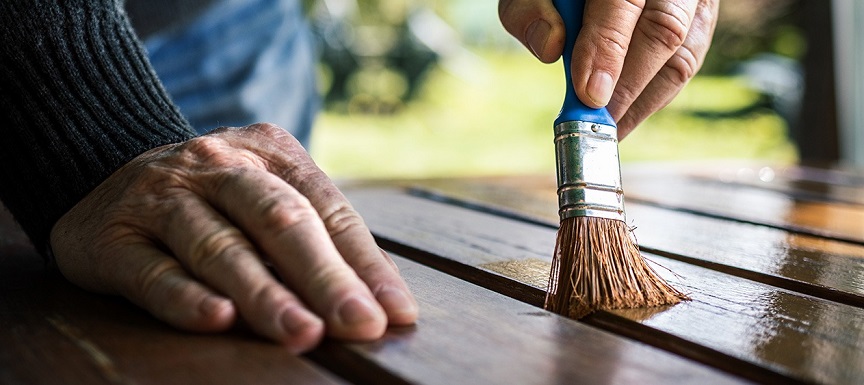
Painting wooden doors and tables provide greater endurance and durability. If you are not familiar with how to paint a wooden door and other furnishings, read through. We have made a step-by-step guide for painting your wooden doors, tables, and other furnishings.
Step 1:
Firstly you need to prepare the wooden surfaces for painting. So it would be best if you started with sanding first.
Step 2:
After sanding the areas, you need to apply a coat of primer. This will help your wooden furnishings to adhere to the paint.
Step 3:
You must use the right kind of brush for painting. So you need to choose a premium quality brush for acquiring the desired finish.
Step 4:
Once the primer is dried up, you need to sand the surface again. And then, you can remove any lingering dust from the surface.
Step 5:
Apply the desired paint on the surface of the practical wooden furnishings and leave them to dry.
Step 6:
You can sand with sandpaper again and apply the second coat on the wooden surfaces.
Remember that the more layers of paint you apply to the wooden furnishings, the more extensive you can use them.
Benefits of Painting Wooden Doors and Tables
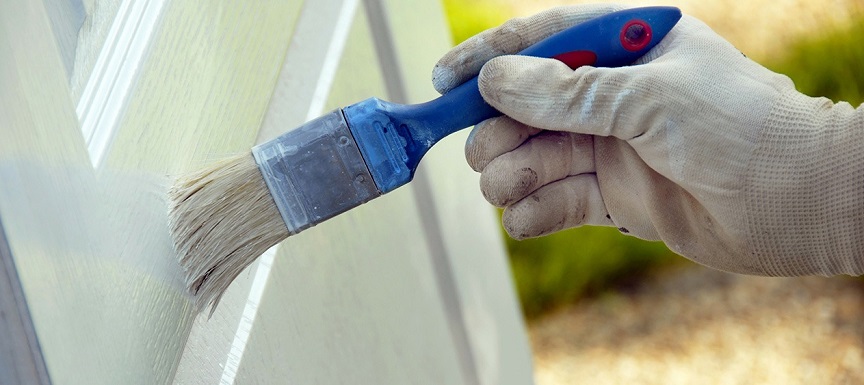
Painting wooden doors and tables can provide you with loads of benefits. Some of the benefits are:
- It gives complete protection to the wood.
- Panting provides a smoother texture and is thus easier to clean and maintain.
- It also controls the moisture content and prevents any wood deformation.
- The fresh paint will enhance the appearance of the wooden furnishings.
- It makes the doors, windows, and wooden furniture look as good as new.
Types of Wooden Paints Available
Enamel paint is considered one of the best paints for wood. It has excellent durability and can adhere to any wooden surface for quite a long time. A wide range of enamel paints is available in the market. They come in both oil-base and water-base, and you must choose what suits you best.
Collated here are some of the wooden paints from Nerolac. Check them out.
-
Italian Pigmented PU White Glossy
The pigmented white glossy paint will provide a fascinating look to your in-house and exterior furniture. You can click here to know more about the colour.
-
Wonderwood 2K PU Interior
This polyurethane wood coating finish is formulated specially to protect the interior wooden furniture. So this will work wonders for painting your wooden furniture. To get more info, click here.
-
Wonderwood 2K PU Exterior
This wood coating finish is formulated for weather resistance, non-yellowing properties, and lightfastness across all seasons. Click here for more details.
-
Wonderwood Melamine Crystal Clear
The acid crystalized wood finish paint is crystal clear and helps preserve the richness of wooden materials. You can click here to know more.
-
Wonderwood Melamine
The acid-catalysed wood finish paint provides a durable and tough coating. You can apply it on veneer, wood, and medium-density fiberboard. For more info, click here.
-
Wonderwood Clear Lacquer
This wood lacquer paint is free from NC and offers a unique finish to the applied surfaces. The water transparent film can be used on wooden surfaces, either through spraying or brushing. For more details, click here.
-
Wonderwood 1K PU
This paint is based on urethane modified resin that offers a natural look. The brushable wood finish paint protects the wood from water, stains, and termite. Click here to know more about it.
To Conclude
By now, you will know how to paint a wood table. However, if you are not confident yet to paint wood like a pro, get in touch with professional painting services from Nerolac and avail painting services of trained and expert painters today.
Key Takeaways
- Remove hardware and lay doors flat for easier, drip-free painting.
- Sand surfaces to remove old gloss and create better adhesion.
- Apply a wood primer before paint for an even, durable finish.
- Brush or roll in thin coats along the grain for smooth results.
- Lightly sand between coats to remove dust and brush marks.
- Allow full curing time before using tables or closing doors.
Nerolac Paints, a leading paint company in India offers a wide range of wall paint colours & painting services & solutions for homes & offices.
-
Best Colour Combination For Walls To Elevate Your Home Interiors Best Colour Combination For Walls To Elevate Your Home Interiors
Intoduction:In 2025, harmonious colour schemes for individuality and…
-
Best Green Colour Combinations for Walls – Schemes & Design Ideas Best Green Colour Combinations for Walls – Schemes & Design Ideas
Introduction:Green has long been a favourite choice in home decor…
-
What Colours Match with Blue? 14 Colour Combinations with Blue for Your Home What Colours Match with Blue? 14 Colour Combinations with Blue for Your Home
Blue is a universally popular colour for décor and design; choosing a colour…
-
Recent Blogs
- Wooden House Design: 8 Kashmiri-Inspired Ideas for Warm and Elegant Homes
- Kashmiri Home Interior Design: 5 Ideas to Bring Kashmir's Beauty Into Your Home
- 7 Beautiful Kashmiri Home Design Ideas Inspired by Noor-e-Kashmir
- Cloud Dancer Colour of the Year – Meaning, Combinations, Interior Ideas and Trends
- How To Make Yellow Colour: Tips for Perfect Wall Paint Shades & Home Décor Ideas
-
Get in Touch
Looking for something else? Drop your query and we will contact you.
FAQs
What is the easiest way to paint a wooden door?
Remove the door from its hinges if possible and lay it flat on supports. Take off handles and locks. Clean, fill dents and sand the surface. Apply wood primer, let it dry, then paint panels first, followed by rails and stiles, using a brush or small roller. Apply a second coat after the first dries completely.
What are the steps to paint a wooden table?
Clean the table thoroughly to remove grease and dust. Sand the surface to remove old finish and smooth roughness. Wipe off dust and apply wood primer. Paint with enamel or wood paint in thin coats, following the grain. Lightly sand between coats and finish with a protective clear coat if needed for heavy use.
How do I paint wooden furniture at home?
Choose a well-ventilated area and cover the floor. Remove drawers and hardware. Clean, sand and fill any cracks. Apply primer, then paint in thin coats using a quality brush or roller. Let each coat dry fully. For a natural look, use wood stain and a clear finish instead of solid paint.
Which paint is best for wooden doors and tables?
Enamel paint is commonly used for wooden doors and tables because it forms a hard, washable surface. For a natural look, polyurethane or melamine wood finishes highlight the grain. Water-based options have lower odour for indoor projects. Nerolac enamel and wood coatings are suitable choices when applied with proper preparation and primer.
How long should paint dry on a wooden door before closing it?
Surface drying may happen within hours, but full curing takes longer. Avoid closing the door tightly until the paint is fully dry to prevent sticking and marks. Humid weather slows drying, so allow extra time in the monsoon. Keep the room ventilated and follow the drying time mentioned on the paint label.
What mistakes should I avoid when painting wooden doors and tables?
Avoid painting over dust, grease or glossy finishes without sanding. Don't skip primer on bare wood. Thick coats cause drips and slow drying. Painting in humid or very hot conditions affects finish quality. Also avoid using tables or closing doors too soon, as the paint can get scratched or stick.


Get in Touch
Looking for something else? Drop your query and we will contact you.
Latest Happenings in the Paint World
Get some inspiration from these trending articles




Popular Post
Popular Searches
What’s Trending in Bedrooms
Explore Trending Living Room Ideas
- Living Room Colour Combination
- Modern Two Colour Combination for Living Room
- Wall Texture for Living Room
- Vastu Colours for Living Room
- Wall Texture Design for Living Room
- Living Room Paint Ideas
- Living Room Design Ideas
- Paint Colour Ideas for Living Room
- Living Room TV Wall Designs
- Green Living Room Walls
Kitchen Ideas People Love
Explore Trending Ceiling Ideas
Study Room Ideas in Demand
Explore Wall Paint Categories
Handpicked Colour Inspirations
- Accent Wall Design
- Bedroom Design Ideas
- Exterior Wall Colour Design Ideas
- Interior Wall Colour Design Ideas
- Kitchen Design Ideas
- Living Room Interior Design
- Geometric Wall Design Ideas
- Home Colour Combination Ideas
- Home Décor Ideas
- Mural Wall Paint Design Ideas
- Office Space Design Ideas
- Puja Room Design Ideas
- Texture Design Ideas
- Festival Painting Ideas
- Paint Colour Chart
- Wall Painting Designs
- Wood Wall Décor Ideas
- Mural Wall Paint Design
- Hall Design Ideas
- Gate Colour Design
- Exterior Wall Colour Design
- Door Colour Design Ideas
-
 Get in Touch
-
Store Locator
-
 Download App
×
Get in Touch
Looking for something else? Drop your query and we will contact you.

