


How to Waterproof Wood - Tips to Waterproofing Wood
Published: 07 Apr 2022 | Modified: 28 Aug 2026
Quick Summary
Waterproofing wood helps protect wooden furniture, flooring, and other surfaces from moisture-related damage such as warping, cracking, splitting, stains, mould, and mildew. Common wood waterproofing options include stains and sealers, while clear or tinted and oil- or water-based finishes offer different aesthetic and performance benefits. To waterproof wood, clean and sand the surface, select a suitable waterproof wood finish, apply multiple coats with proper drying and sanding between coats, and allow the surface to cure thoroughly.

Create Your Dream Home With Our Painting Experts
Fill the form below to book a free site evaluation by Nerolac Nxtgen painting Services expert
TABLE OF CONTENTS
Waterproofing Wood - Learn Steps to Make Wood Waterproof
Easy Steps for Wood Waterproofing
Making everything waterproof is a fundamental requirement for construction and other materials, especially wood. Even though wood is a sturdy material, it can deteriorate very quickly when exposed to water. This issue can be excruciatingly troublesome, so it is recommended to waterproof wood.
We've got you covered if you are struggling to find the answer to making wood waterproof. Through this article, you will learn the easy steps to waterproof wood. Further, you will also learn about the benefits of waterproofing wood. Let's get started.
The Need for Waterproofing Wood: What Protection Can You Get?
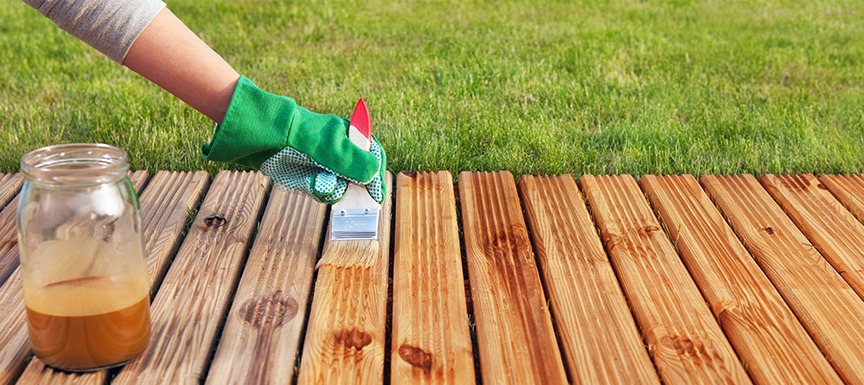
Most of your home's wooden furniture and equipment is made out of treated wood. But if there is any untreated wood, there are high chances of accumulating water. And as a result, the wood will expand and contract when the water dries up. This continuous cycle will crack and warp, thereby damaging the wood.
So quickly, waterproofing wood will provide your belongings with complete protection. Some of the protections that you will get through waterproofing are:
- Reduced scuffs and scratches from enormously heavy traffic.
- Minimised warping, cracking, and splitting of wood.
- Decreased discolouration, stains, prone to breakage, wear and tear, etc.
- Preventing organic growth like mould and mildew.
Types of Waterproofing Available
Waterproofing wood floors is crucial, just like waterproofing all other wooden materials. Waterproofing wood can sometimes be a hectic task. Nevertheless, it will provide you with significant benefits in the long run. Now that you know the importance of waterproofing wood, it is time for you to learn about the available types. They are:
-
Stains
The staining method has been prevailing for quite a long time for wood waterproofing. Stains tend to remain deeply seated within the wood to protect it. A protective layer of paint is added to the wood, enhancing the natural beauty and covering it completely.
You can always add a lustrous sheen to your wooden furnishings with a wide range of products from Nerolac. Click here to take a look at the range of wood coatings.
-
Sealers
Sealers are usually transparent paints applied over the wood furnishings to make them waterproof. It helps provide a protective layer over the wood and showcases its natural beauty. The sealer protects the wood and prevents moisture from seeping in.
Nerolac hosts a unique sanding sealer for wooden furnishings. You can click here to know more about this product.
Now that you have some ideas about waterproof paint for wood let's conduct a comparative study on the colours.
-
Clear vs Tinted
Clear waterproofers provide a protective layer to the wood and allow the wood's natural grain to be visible. In a way, it prevents the grains from fading away.
On the other hand, tinted waterproofers enhance the look of the wooden furnishings. Besides, it also offers better UV protection and sometimes allows the grains to show through.
-
Oil vs Water
Waterproofers come with two kinds of base - oil and water. You must know that oil based waterproofers have more excellent durability and penetrate deeply through the wood.
On the other hand, water based waterproofers are easier to clean. They can also be applied in damp conditions with perfection.
Steps to Waterproof Wood
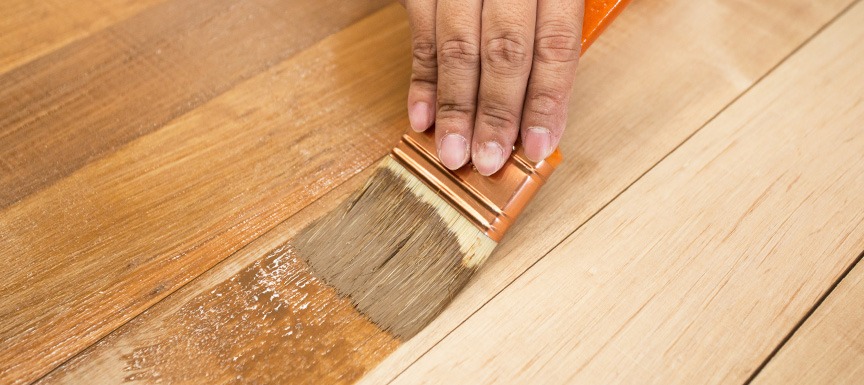
Waterproofing wood is quite an easy procedure, but you must do it carefully. This will help you prevent water from damaging any of your wooden furnishings. You can reapply your desired waterproofers after every five years for thorough maintenance.
If you wonder how to paint wood to make it waterproof, we will guide you through it. Go through the easy step-by-step guide of applying waterproofers.
Step 1
First, you need to thoroughly clean the wooden surface and remove all the dirt and grime.
Step 2
Second, you need to sand and smooth the wooden surface to adhere to the waterproofer easily.
Step 3
Third, choose the waterproofer you wish to apply to your wooden furnishings.
Step 4
Fourth, you can either use a painting brush or a spray machine to apply a coat of waterproofer. You can leave it to dry for some time.
Step 5
Fifth, after the first coat dries, you need to sand down the surface again.
Step 6
Sixth, finishing off with the sanding, you can reapply the next coat of waterproofer.
Step 7
Lastly, it would be best to leave it to cure and dry for a few days under the sun or natural air.
Benefits of Waterproofing Wood
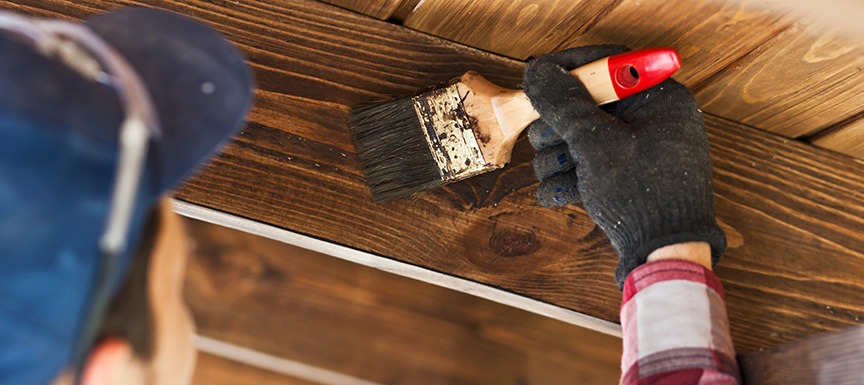
Waterproofing wood provides lots of benefits. If you know how to waterproof wood, you must waterproof your wooden furnishings at once. Some of the benefits of waterproofing are:
- Enhanced durability.
- Easy cleaning procedure.
- It intensifies the beauty and provides a stylish aesthetic.
- It prevents moulds and mildew from growing.
- It makes the place safer for kids and pets.
Durable Wood Varieties for Outdoor Use
Wooden furniture is usually made out of durable wood. But there might be cases where the table is not made with treated wood. So when it comes in contact with water, there are high probabilities of getting damaged. It is always advised to use the most durable lumber outdoors. Some of them are:
- Cedar
- Acacia
- Eucalyptus
- Cypress
- Teak
- Redwood
- Robinia, etc.
To Conclude
When choosing the perfect waterproofers for your wood, it is ideal to choose the best. Hiring trained & expert painters and using the best professional painting services like Nerolac will help you to do your work instantly.
Key Takeaways
- Waterproofing wood helps reduce moisture-related problems such as warping, cracking, splitting, discolouration, mould, and mildew.
- Stains and sealers are commonly used for wood waterproofing, with sealers helping create a protective layer while retaining the natural appearance of wood.
- Clear waterproof finishes preserve the visibility of natural wood grain, while tinted finishes can enhance colour and provide additional UV protection.
- Oil-based waterproofers generally offer deeper penetration and durability, while water-based options are easier to clean and can be applied in damp conditions.
- When learning how to waterproof wood, proper surface preparation, sanding, coating, drying, and curing are essential steps.
- Waterproof wood flooring and other wooden surfaces should be maintained and recoated periodically to preserve their protection and appearance.
Nerolac Paints, a leading paint company in India offers a wide range of wall paint colours & painting services & solutions for homes & offices.
-
Best Colour Combination For Walls To Elevate Your Home Interiors Best Colour Combination For Walls To Elevate Your Home Interiors
Intoduction:In 2025, harmonious colour schemes for individuality and…
-
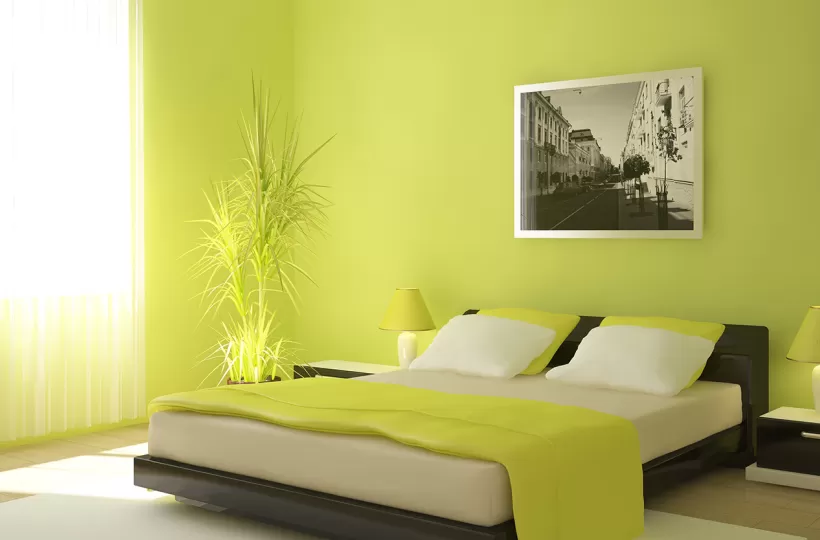
Best Green Colour Combinations for Walls – Schemes & Design Ideas Best Green Colour Combinations for Walls – Schemes & Design Ideas
Introduction:Green has long been a favourite choice in home decor…
-

What Colours Match with Blue? 14 Colour Combinations with Blue for Your Home What Colours Match with Blue? 14 Colour Combinations with Blue for Your Home
Blue is a universally popular colour for décor and design; choosing a colour…
-
Recent Blogs
- Wooden House Design: 8 Kashmiri-Inspired Ideas for Warm and Elegant Homes
- Kashmiri Home Interior Design: 5 Ideas to Bring Kashmir's Beauty Into Your Home
- 7 Beautiful Kashmiri Home Design Ideas Inspired by Noor-e-Kashmir
- Cloud Dancer Colour of the Year – Meaning, Combinations, Interior Ideas and Trends
- How To Make Yellow Colour: Tips for Perfect Wall Paint Shades & Home Décor Ideas
-
Get in Touch
Looking for something else? Drop your query and we will contact you.
FAQs
How to waterproof wood effectively?
To waterproof wood, start by cleaning the surface thoroughly to remove dirt and grime. Sand it to create a smooth surface, choose a suitable waterproof wood finish such as a stain or sealer, and apply an even coat using a brush or spray machine. Allow it to dry, sand the surface again, and apply another coat before leaving the wood to cure properly.
Why is waterproofing wood important?
Waterproofing wood helps protect wooden surfaces from moisture and water damage. Without adequate protection, repeated exposure to water can cause wood to expand and contract, eventually resulting in warping, cracking, splitting, stains, mould, and mildew. A suitable waterproof finish can improve the durability and appearance of wooden furnishings.
What is the best waterproof wood finish?
The appropriate waterproof wood finish depends on the type of wood, its location, and the desired appearance. Stains can enhance the wood's appearance while providing protection, whereas transparent sealers create a protective layer while allowing the natural grain to remain visible. The choice should also consider whether an oil-based or water-based finish is more suitable.
Can wood flooring be waterproofed?
Yes, wood flooring can be protected with suitable waterproofing products and finishes. Waterproofing wood flooring helps reduce the effects of moisture exposure and can minimise problems such as warping, cracking, stains, and deterioration. Proper surface preparation and application are important for achieving effective and long-lasting protection.
What is the difference between clear and tinted waterproofers for wood?
Clear waterproofers provide a protective layer while allowing the natural grain and appearance of the wood to remain visible. Tinted waterproofers add colour or enhance the existing tone of the wood while providing protection. The choice depends on whether you want to preserve the natural look or create a more defined colour effect.
Are oil-based or water-based waterproofers better for wood?
Oil-based waterproofers generally offer deeper penetration and strong durability. Water-based waterproofers are comparatively easier to clean and can be applied in damp conditions. The suitable option depends on the type of wood, application area, environmental conditions, and the finish you want to achieve.
How often should waterproofing wood be reapplied?
The source recommends reapplying the selected waterproofer after every five years for thorough maintenance. However, the actual maintenance interval can depend on the type of finish, level of exposure, and condition of the wooden surface. Regularly inspecting the wood can help identify when additional protection is needed.
Does waterproofing protect wood from mould and mildew?
Waterproofing can help reduce moisture accumulation, which in turn helps prevent conditions that encourage mould and mildew growth. Since excessive moisture can contribute to organic growth, maintaining a suitable waterproof wood finish is an important part of protecting wooden furnishings and surfaces.


Get in Touch
Looking for something else? Drop your query and we will contact you.
Latest Happenings in the Paint World
Get some inspiration from these trending articles




Popular Post
Popular Searches
What’s Trending in Bedrooms
Explore Trending Living Room Ideas
- Living Room Colour Combination
- Modern Two Colour Combination for Living Room
- Wall Texture for Living Room
- Vastu Colours for Living Room
- Wall Texture Design for Living Room
- Living Room Paint Ideas
- Living Room Design Ideas
- Paint Colour Ideas for Living Room
- Living Room TV Wall Designs
- Green Living Room Walls
Kitchen Ideas People Love
Explore Trending Ceiling Ideas
Study Room Ideas in Demand
Explore Wall Paint Categories
Handpicked Colour Inspirations
- Accent Wall Design
- Bedroom Design Ideas
- Exterior Wall Colour Design Ideas
- Interior Wall Colour Design Ideas
- Kitchen Design Ideas
- Living Room Interior Design
- Geometric Wall Design Ideas
- Home Colour Combination Ideas
- Home Décor Ideas
- Mural Wall Paint Design Ideas
- Office Space Design Ideas
- Puja Room Design Ideas
- Texture Design Ideas
- Festival Painting Ideas
- Paint Colour Chart
- Wall Painting Designs
- Wood Wall Décor Ideas
- Mural Wall Paint Design
- Hall Design Ideas
- Gate Colour Design
- Exterior Wall Colour Design
- Door Colour Design Ideas
-
 Get in Touch
 -
Store Locator
-
 Download App
×
Get in Touch
Looking for something else? Drop your query and we will contact you.

