


How to Use Acrylic Paint for Walls?
Published: 04 Apr 2022 | Modified: 29 Oct 2026
Quick Summary
Acrylic colors for wall painting are water-based, quick-drying and vibrant, making them ideal for murals, stencils and decorative wall art. To start painting with acrylic colour, clean and prime the wall, sketch your design and apply thin layers with brushes or rollers. Good acrylic colors offer strong coverage and fade resistance, and a clear protective coat helps your acrylic wall painting stay fresh for years.

Create Your Dream Home With Our Painting Experts
Fill the form below to book a free site evaluation by Nerolac Nxtgen painting Services expert
TABLE OF CONTENTS
What is the best way to use Acrylic Paint for walls?
Painting has always been a fun-filled activity. You can apply acrylic paint for walls with limitless potential. The walls are your canvas, and you can intricately show off your artistic skills by repainting your walls with acrylic colours. Whether it is your home or your workspace, filling the walls with colours will provide you with comfort.
If you are planning to apply wall paint for your office or residence, then this article is for you. We will be thoroughly discussing how you will use acrylic paint for walls. Please continue reading to learn more about it.
Why should I choose Acrylic Paint for my walls?
Even though there are various painting options, acrylic paints are in trend. Do you know why? It is because of the flexibility and durability of the colour. Even though it is water-based, it can endure for a longer time than you can ever expect.
This colour even has the potency to dry up extremely fast. So it would help if you were quick while applying acrylic paint for walls. You can even use it on the exterior walls. It resists the sun, so there will be no chance of your colours fading away.
Also Read: What Is Acrylic Paint? Uses & Benefits
Apply Acrylic Paint on Your Walls - A Step-by-Step Guide
Choosing acrylic colour for home paint can work wonders. Since it has a quick-drying ability and resists water and heat, the colour remains vibrant and beautiful as new. The acrylic paint texture is very smooth and soft and has great durability.
It has the capability of withstanding any major climatic changes and can withstand heat. The quality of the colour is such that it can expand and contract according to the changes in the climate. Let us now look at the steps of applying acrylic paint for walls. Let us begin.
-
Step 1: How do I prepare my walls before painting with Acrylic Colour?
Before applying wall colour paint, you must remember that you need to keep your walls ready. You need to check out whether your workspace is ready, and you can start showing off your painting skills. The first thing you need to do before home painting is to clean them. If you are painting your walls for the first time, you are not required to clean anything other than dust remnants.

Apply Acrylic Paint on Your Walls - A Step-by-Step Guide On the other hand, if you are repainting your walls, you need to clean up thoroughly. Make sure you use sanding paper to sand away all the paints you previously painted. It is quite impossible to remove it entirely; however, you must remove it as much as possible.
Also Read: What is acrylic putty? Uses, Benefits & Pricing Guide
-
Step 2: Do I need to apply a primer before using Acrylic Paint?

How to Use Acrylic Paint for Walls? Step 2 After thoroughly sanding and cleaning up your walls, you can use a wet cloth to remove the dust. There might be many dust particles sticking to the walls, so it is better to clean them up before applying fresh paint.
Also Read: What is Enamel Paint? Uses & Benefits
-
Step 3: How many coats of Acrylic Paint should I apply?
After cleaning up with a wet cloth, leave your wall dry for some time. Once it has completely dried up, you can now apply primer to the walls. The primer works as an adhesive and will provide the acrylic paint for walls with greater endurance. Please leave it to dry.
Also Read: What Is Synthetic Enamel Paint? Uses & Benefits
-
Step 4: Can I use Acrylic Paint on exterior walls?
Once the primer on the walls has dried up, your walls are ready for being redecorated with fresh paints. You can apply two to three coats of acrylic house paint on your exterior walls, as per your choice.
After painting your walls, you can now leave them to dry. It can take from 10 minutes up to 3 days to dry, depending on the thickness of the colour coat you have applied.
Also Read: How to Applying Enamel Paint? Tips and Colour Options
Conclusion: Is Acrylic Paint the right choice for my home or office?
You can apply acrylic paint for walls both indoors and outdoors. While applying interior wall paint, you can either use distemper, acrylic paint or regular acrylic paint. However, you must remember that you are not required to apply any primer for distemper paint. By using acrylic paint colours, you can make your house look beautiful and vibrant.
Key Takeaways
- Acrylic colours are water-based and fast drying, ideal for wall art.
- Prime the wall first so acrylic paint grips evenly and looks brighter.
- Sketch designs lightly and build colour in thin, even layers.
- Use quality brushes and sponges for different textures and details.
- Seal finished murals with a clear protective varnish for durability.
- Remove acrylic stains from clothes while the paint is still wet.
Nerolac Paints, a leading paint company in India offers a wide range of wall paint colours & painting services & solutions for homes & offices.
-
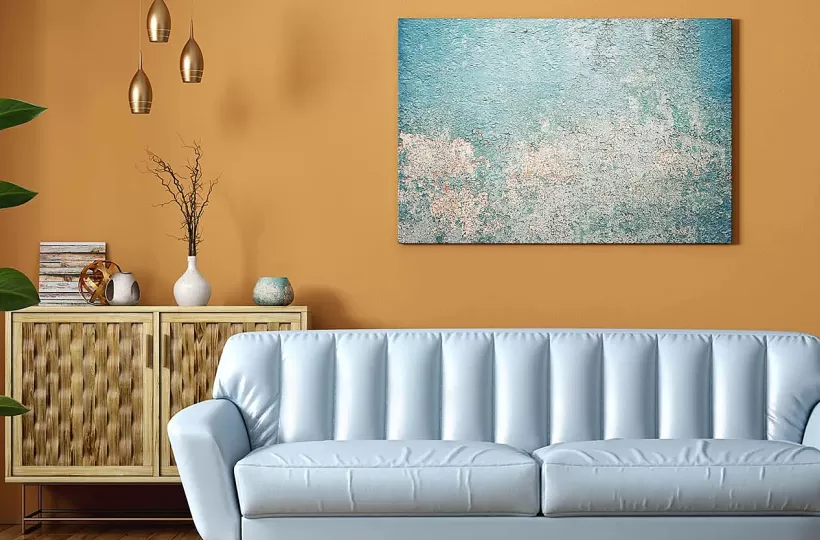
Best Colour Combination For Walls To Elevate Your Home Interiors Best Colour Combination For Walls To Elevate Your Home Interiors
Intoduction:In 2025, harmonious colour schemes for individuality and…
-
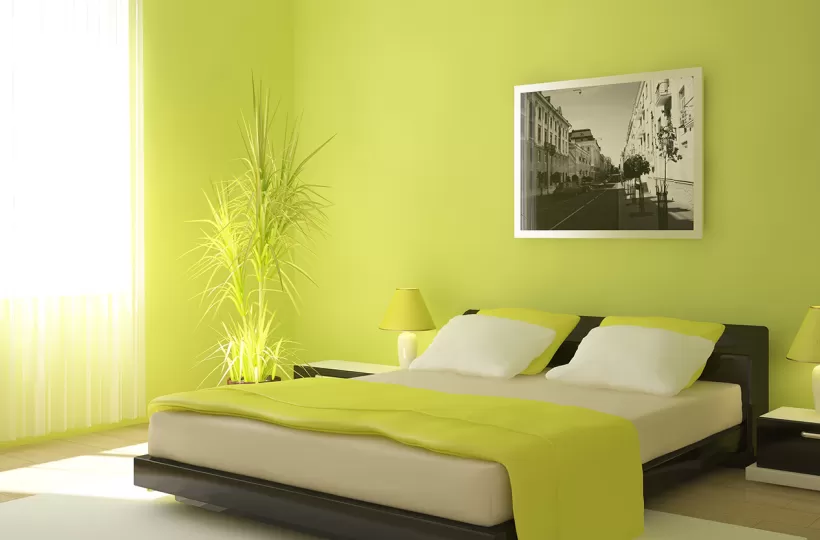
Best Green Colour Combinations for Walls – Schemes & Design Ideas Best Green Colour Combinations for Walls – Schemes & Design Ideas
Introduction:Green has long been a favourite choice in home decor…
-

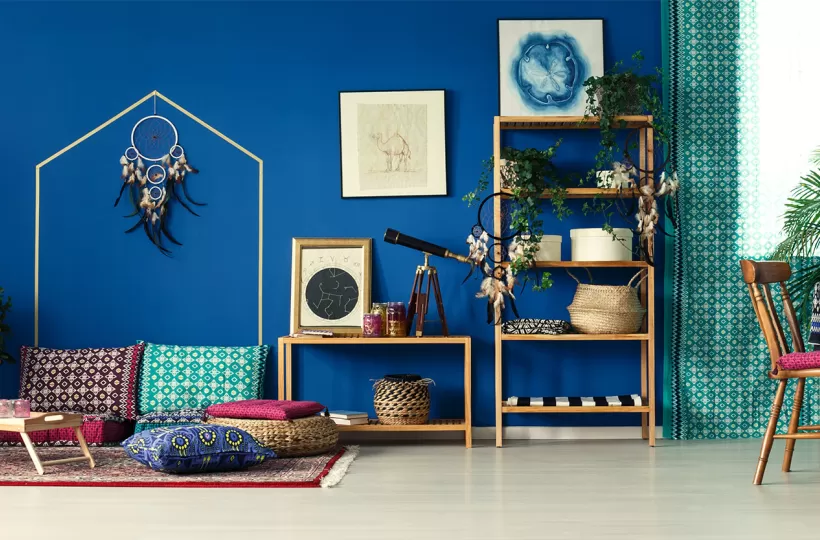
What Colours Match with Blue? 14 Colour Combinations with Blue for Your Home What Colours Match with Blue? 14 Colour Combinations with Blue for Your Home
Blue is a universally popular colour for décor and design; choosing a colour…
-
Recent Blogs
- Wooden House Design: 8 Kashmiri-Inspired Ideas for Warm and Elegant Homes
- Kashmiri Home Interior Design: 5 Ideas to Bring Kashmir's Beauty Into Your Home
- 7 Beautiful Kashmiri Home Design Ideas Inspired by Noor-e-Kashmir
- Cloud Dancer Colour of the Year – Meaning, Combinations, Interior Ideas and Trends
- How To Make Yellow Colour: Tips for Perfect Wall Paint Shades & Home Décor Ideas
-
Get in Touch
Looking for something else? Drop your query and we will contact you.
FAQs
How do I use acrylic paint for walls?
Clean the wall, fill cracks and apply a suitable primer or base emulsion. Sketch your design with a light pencil or chalk. Apply acrylic colours in thin layers, starting with large background areas and finishing with details. Let each layer dry before adding the next. Once complete, seal with a clear coat to protect the artwork from dust and moisture.
Which acrylic colours are good for wall painting?
Choose artist-grade or wall-grade acrylics with good pigment strength, smooth flow and fade resistance. Heavy-body acrylics suit textured effects, while fluid acrylics are better for smooth, detailed work. Buy primary colours plus white and black so you can mix custom shades. For large backgrounds, a matching interior emulsion is more economical and blends well with acrylic details.
How do I get acrylic paint off clothes?
Act quickly while the paint is wet. Scrape off excess paint, then rinse the fabric under cold water from the back of the stain. Rub gently with liquid detergent or soap and keep rinsing. For dried stains, soak the area in a mix of warm water and detergent, then gently scrub; rubbing alcohol can help loosen hardened paint on durable fabrics.
What are some easy acrylic wall painting ideas?
Try botanical murals with leaves and branches, abstract brush strokes, mandala designs, sunset gradients or simple silhouettes of mountains and birds. Kids' rooms suit clouds, rainbows and animals. Stencils make repeat patterns easy for beginners. Choose a design that matches room colours so the art feels part of the décor rather than an afterthought.
Can acrylic paint be used on exterior walls?
Some acrylic formulations are designed for outdoor use, but regular craft acrylics may fade or peel in sun and rain. For exterior murals, use exterior-grade acrylic paints on a well-primed surface and finish with a UV-resistant clear coat. Avoid painting during the monsoon, and check the wall for dampness before starting to ensure long-lasting results.
What mistakes should I avoid when painting with acrylic colours?
Avoid painting on dusty or damp walls, which causes peeling. Don't apply thick layers in one go, as they may crack. Acrylics dry quickly, so blend colours fast or use a slow-drying medium. Don't leave brushes out to dry with paint; rinse them regularly. Also skip the sealing step at your own risk, since unsealed murals stain easily.


Get in Touch
Looking for something else? Drop your query and we will contact you.
Latest Happenings in the Paint World
Get some inspiration from these trending articles




Popular Post
Popular Searches
What’s Trending in Bedrooms
Explore Trending Living Room Ideas
- Living Room Colour Combination
- Modern Two Colour Combination for Living Room
- Wall Texture for Living Room
- Vastu Colours for Living Room
- Wall Texture Design for Living Room
- Living Room Paint Ideas
- Living Room Design Ideas
- Paint Colour Ideas for Living Room
- Living Room TV Wall Designs
- Green Living Room Walls
Kitchen Ideas People Love
Explore Trending Ceiling Ideas
Study Room Ideas in Demand
Explore Wall Paint Categories
Handpicked Colour Inspirations
- Accent Wall Design
- Bedroom Design Ideas
- Exterior Wall Colour Design Ideas
- Interior Wall Colour Design Ideas
- Kitchen Design Ideas
- Living Room Interior Design
- Geometric Wall Design Ideas
- Home Colour Combination Ideas
- Home Décor Ideas
- Mural Wall Paint Design Ideas
- Office Space Design Ideas
- Puja Room Design Ideas
- Texture Design Ideas
- Festival Painting Ideas
- Paint Colour Chart
- Wall Painting Designs
- Wood Wall Décor Ideas
- Mural Wall Paint Design
- Hall Design Ideas
- Gate Colour Design
- Exterior Wall Colour Design
- Door Colour Design Ideas
-
 Get in Touch
-
Store Locator
-
 Download App
×
Get in Touch
Looking for something else? Drop your query and we will contact you.

