

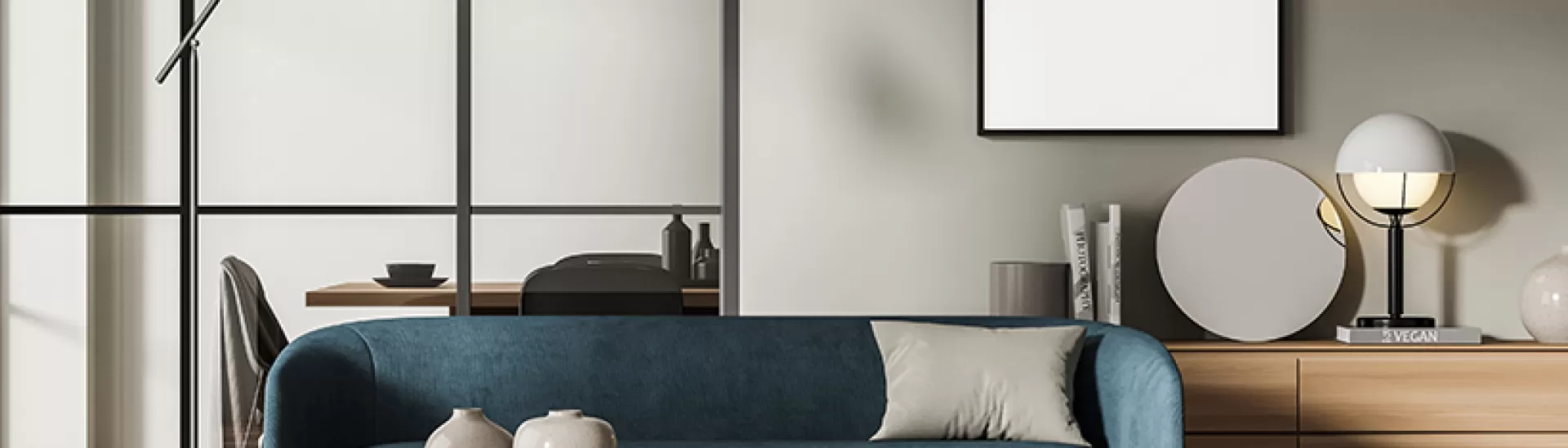
Trending Accent Wall Ideas to Transform Your Home
Published: 09 Jun 2022 | Modified: 17 Aug 2026
Quick Summary
Accent wall ideas can transform a room by creating a strong focal point through colour, texture, wallpaper, mirrors, wood, artwork, lighting or greenery. The best accent wall design should complement the room’s existing colours, furniture, lighting and proportions. For a balanced look, use one feature wall as the main visual focus while keeping surrounding walls and décor relatively coordinated.
Create Your Dream Home With Our Painting Experts
Fill the form below to book a free site evaluation by Nerolac Nxtgen painting Services expert
TABLE OF CONTENTS
Have you ever wanted to spruce up your living space but didn't know how? Accent walls are an easy, affordable way to transform any room in your home. With the right accent wall designs, colours, and textures, you can make a dramatic statement that will last for years to come. In this article, we will explore some of the hottest accent wall ideas on the market today and give advice on how to choose the perfect design for your home. So, let's get started!
What is an Accent Wall or Featured Wall?
An accent wall, also known as a featured wall, is a wall in a room that stands out from the other walls due to its colour, texture, or pattern. It can be used to draw attention to an area of the room and add visual interest to the overall design scheme. Accent walls are incredibly versatile — they can be bold, eye-catching, subtle, and subdued, depending on your design aesthetic.
Whether you're looking for a statement piece or just a slight hint of colour, accent walls are an easy way to transform any room.
Also Read:Looking for Trendy Interior House Paint Ideas?
Modern Accent Wall Design Ideas For Your Home
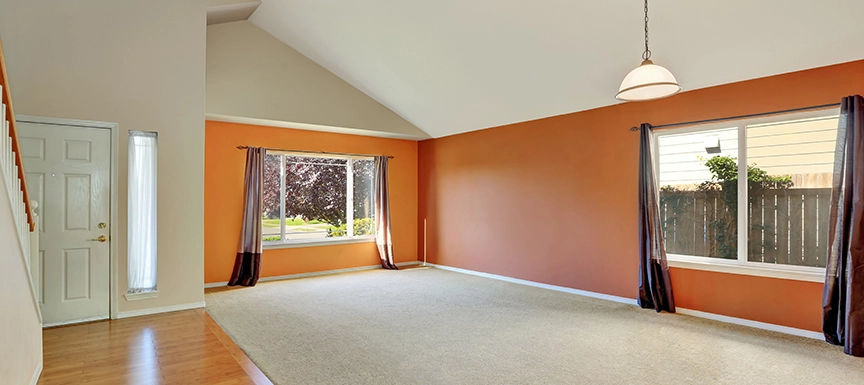
Various feature wall design ideas can completely transform any room in your home. Mentioned below are these accent wall designs:
-
Use Bright Colours
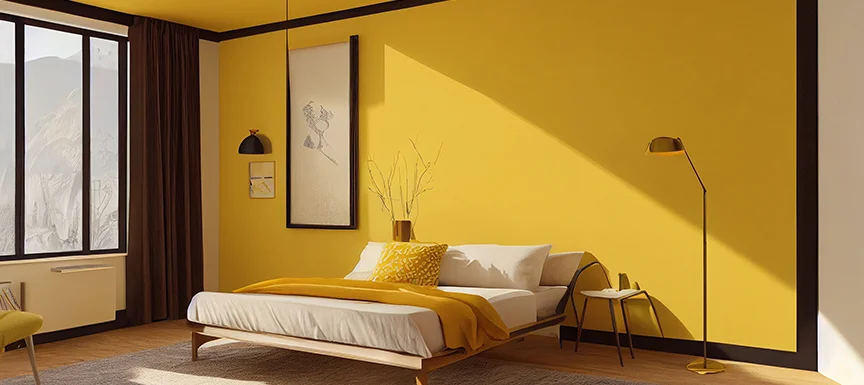
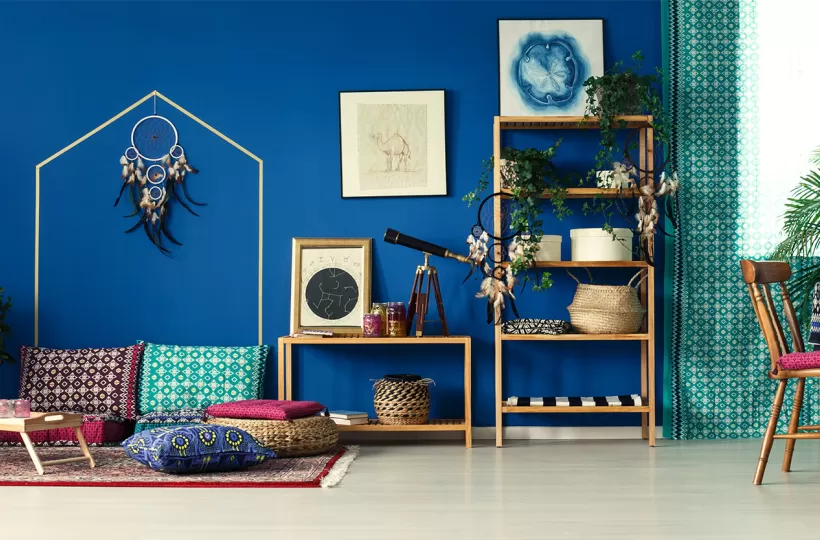
Use Bright Colours One of the most popular ideas for creating an accent wall is to pick a bright colour and paint it on it. You can use bold, vibrant home colours like red, green, blue, or yellow. This will add a splash of vibrancy in the room that will be hard to miss. It works best if you choose one wall as it helps create a focal point in the room while also making sure that all eyes are drawn towards it.
-
Add Texture
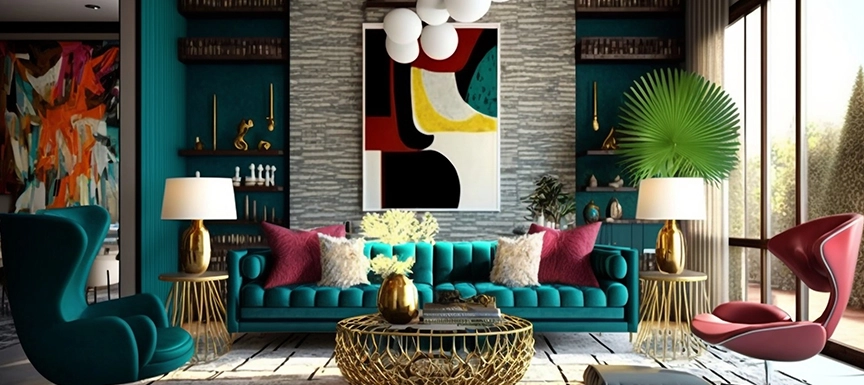
Add Texture Adding texture to an accent wall can transform a plain space into a visually interesting one. You can create texture using different materials like wood, stone, or fabric. Alternatively, you could add texture by introducing unique textures with wallpaper, paint techniques such as sponge painting, and other creative ways. The possibilities are endless for adding texture to your modern accent wall design!
Whether you’re looking for a subtle change or something bolder, consider incorporating exciting textures into your accent wall designs to make them stand out from the rest of the room.
-
Apply Wallpaper
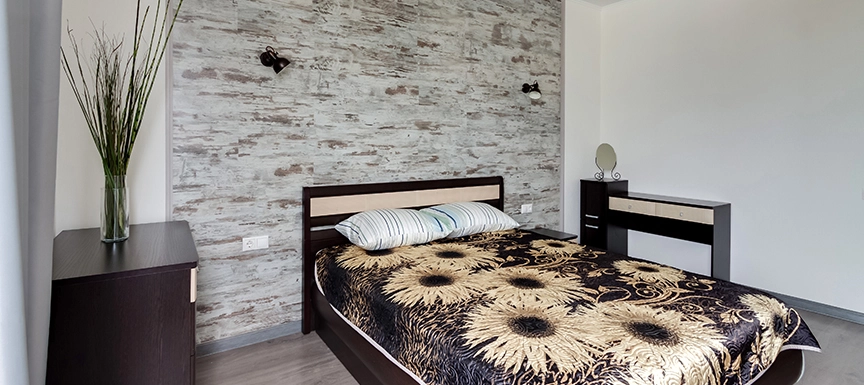
Apply Wallpaper Wallpaper is an easy way to add a unique and eye-catching accent wall in any room. Whether you choose a bold, colourful pattern or a subtle, monochrome option, wallpaper will instantly draw the eye and can create an impressive focal point. It's also relatively inexpensive and easy to install without needing professional help. Consider adding metallic elements to your wallpaper design for an extra touch of sophistication.
This will bring light and sparkle into the space while keeping the look contemporary. You can also use different types of wallpaper on each side of the wall for added visual interest. Whatever style you choose, applying wallpaper to your accent wall is sure to be beautiful and stand out from all other accent walls!
-
Opt for Wall Mirrors
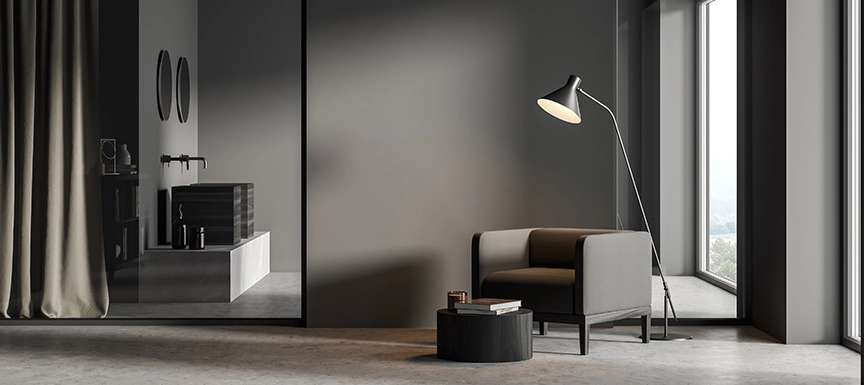
Opt for Wall Mirrors Wall mirrors can be used to create an accent wall that reflects natural light and creates a bright, airy atmosphere. Utilizing strategically placed wall mirrors on an accent wall is a great way to add depth, dimension, and openness to any room. This modern design element allows for greater flexibility when it comes to the size and shape of your accent wall. Wall mirrors come in many different sizes, shapes, colours, and frames that can easily integrate into your desired aesthetic or theme.
Adding a few oversized pieces or creating a mirrored mosaic with several smaller pieces can make for an eye-catching statement piece that draws visitors' attention and admiration.
-
Introduce Wood
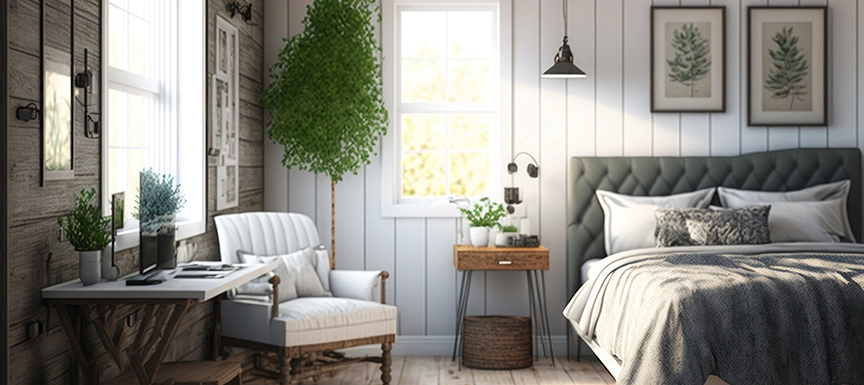
Introduce Wood Wood is an extremely versatile material for feature wall design and can easily create a warm, inviting atmosphere. Whether you opt for a bold statement wall or a more subtle approach with natural wood planks covering the entire wall, it will undoubtedly make your space look more attractive. You could also consider adding in some rustic-looking shiplap to create depth and texture in your design. If you're looking for something a bit more modern, try using angled wood pieces to form geometric patterns on the wall.
-
Decorate with Wall Art
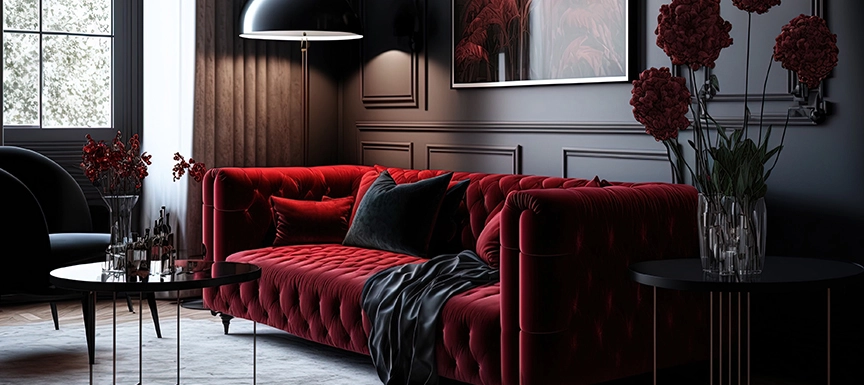
Decorate with Wall Art When it comes to accent wall design ideas, one of the most popular is to use wall art. Choose artwork that really stands out and will become the focal point of your room. To make the most impact, look for pieces that contain vibrant colours or striking patterns. You can also incorporate textiles into your accent wall designs to add texture and create unique visual interest.
-
Create a Functional Wall
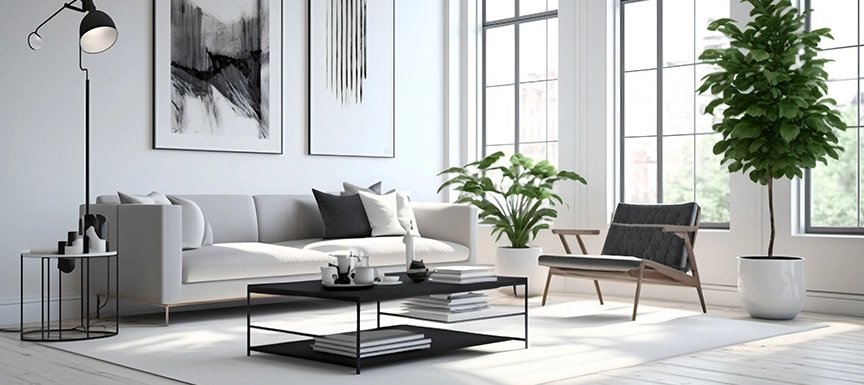
Create a Functional Wall Accent walls don't have to be just decoration; they can also provide functional use. Consider adding shelving and hooks to your accent wall or making it an entertainment centre with floating shelves. If the wall isn't too long, you could even install furniture into the design, such as benches or tables. This is a great idea for an accent wall that will serve a purpose in addition to its decorative impact.
-
Introduce Accent Lighting
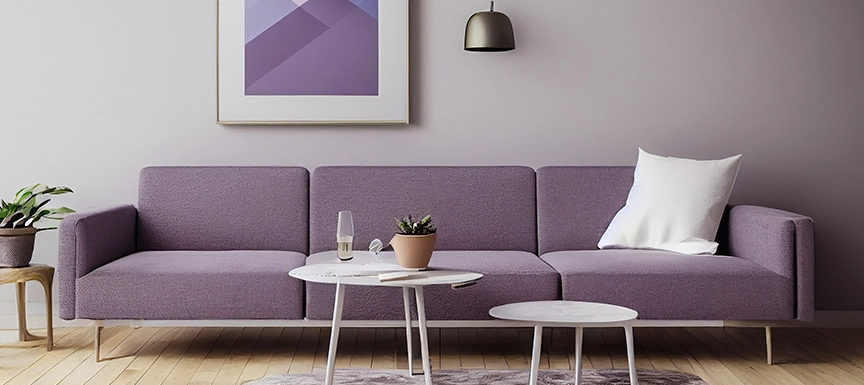
Introduce Accent Lighting Accent lighting can be a great way to add a modern touch to your accent wall. Accent lights come in various shapes and sizes, so you have plenty of options to choose from. Consider adding recessed or track lighting for a futuristic feel or use LED strip lights for more subtle illumination. You can even mix it up with different colours and patterns of light to create unique designs on your walls
-
Install a Vertical Garden
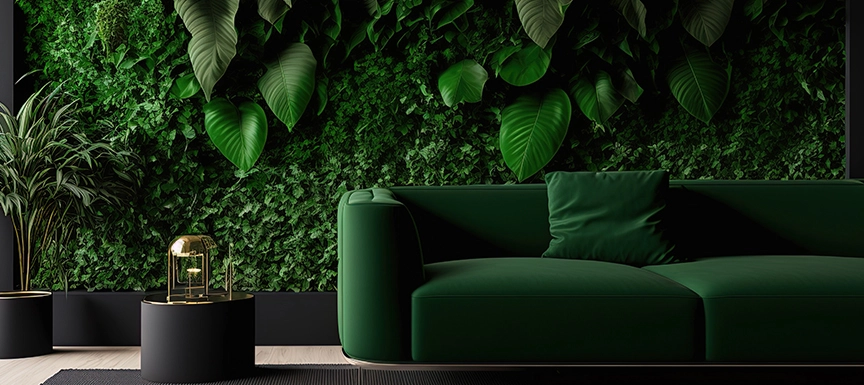
Install a Vertical Garden Bring the outdoors in with a vertical garden accent wall. This statement look is perfect for those who wish to make an impactful statement without overwhelming a space. Vertical gardens are ideal for bringing some life and energy into your living area and helping purify the air inside your home. You can create them using plants, from succulents and mosses to climbing vines or even ferns.
The Bottom Line
The possibilities for accent wall ideas are virtually endless. You can opt for a bold colour or pattern, choose something subtle and calming, or even incorporate reclaimed wood. No matter your style, an accent wall can transform any room in your home into something special. So why not get creative and explore different feature wall design today? With these tips as a guide, you'll be on your way to transforming your space into a customized oasis of beauty and comfort!
Key Takeaways
- Accent wall designs create a focal point by using contrasting colour, texture, pattern or materials.
- Bold paint colours can make an accent wall stand out while complementing the rest of the room.
- Wood, wallpaper, mirrors and textured finishes can add depth and character without relying only on paint.
- Functional accent walls can combine decorative elements with shelves, storage, hooks or entertainment units.
- Accent lighting and vertical gardens provide alternative ways to create distinctive feature wall designs.
- Choose accent wall ideas according to the room's size, lighting, furniture, existing colour palette and maintenance requirements.
Nerolac Paints, a leading paint company in India offers a wide range of wall paint colours & painting services & solutions for homes & offices.
-
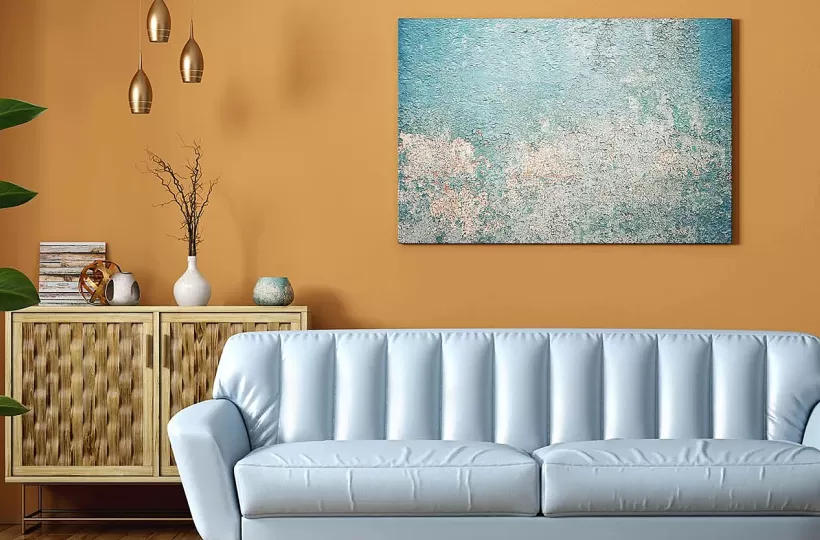
Best Colour Combination For Walls To Elevate Your Home Interiors Best Colour Combination For Walls To Elevate Your Home Interiors
Intoduction:In 2025, harmonious colour schemes for individuality and…
-
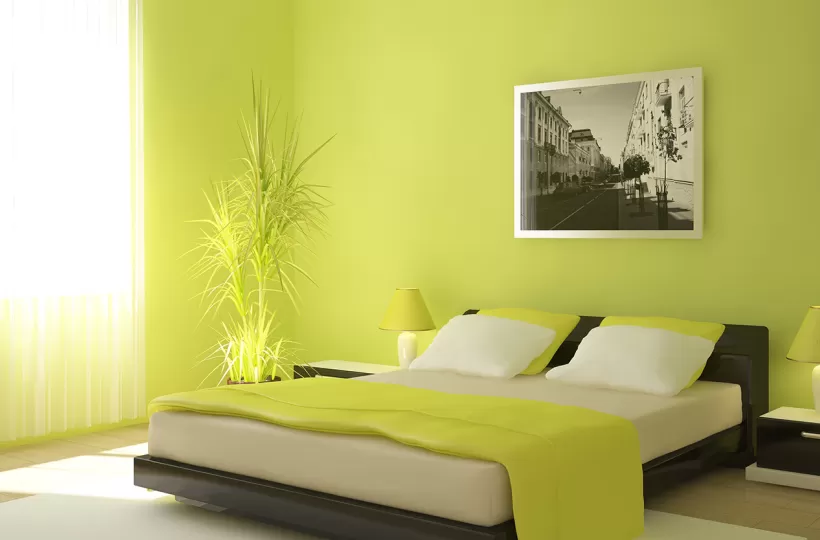
Best Green Colour Combinations for Walls – Schemes & Design Ideas Best Green Colour Combinations for Walls – Schemes & Design Ideas
Introduction:Green has long been a favourite choice in home decor…
-
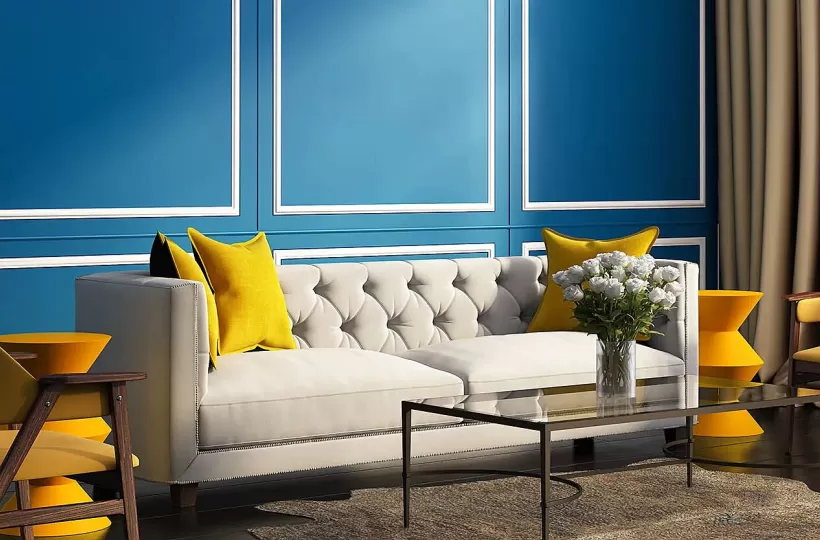
What Colours Match with Blue? 14 Colour Combinations with Blue for Your Home What Colours Match with Blue? 14 Colour Combinations with Blue for Your Home
Blue is a universally popular colour for décor and design; choosing a colour…
-
Recent Blogs
- Wooden House Design: 8 Kashmiri-Inspired Ideas for Warm and Elegant Homes
- Kashmiri Home Interior Design: 5 Ideas to Bring Kashmir's Beauty Into Your Home
- 7 Beautiful Kashmiri Home Design Ideas Inspired by Noor-e-Kashmir
- Cloud Dancer Colour of the Year – Meaning, Combinations, Interior Ideas and Trends
- How To Make Yellow Colour: Tips for Perfect Wall Paint Shades & Home Décor Ideas
-
Get in Touch
Looking for something else? Drop your query and we will contact you.
FAQs
Which wall should be an accent wall?
The best accent wall is usually one that naturally attracts attention when someone enters the room or one that highlights an important feature. In a living room, this could be the wall behind the sofa or television. In a bedroom, the wall behind the headboard can work well. Consider windows, doors and existing architectural features before choosing. Avoid selecting a wall simply because it is empty; its position should support the room's overall visual balance.
Are accent walls suitable for small rooms?
Yes, an accent wall can work in a small room when the design is appropriately scaled. Instead of using an overly busy pattern, consider a controlled colour contrast, subtle texture or a simple geometric design. Lighter or medium-toned colours can maintain an airy appearance, while a carefully positioned darker wall can create depth. Keep the remaining walls and furnishings relatively simple so the feature wall does not make the room feel visually crowded.
How do I choose an accent wall colour that matches my furniture?
Start by identifying the dominant colours in your furniture, flooring, curtains and existing walls. Then choose an accent shade that either complements or provides a controlled contrast to those colours. For example, neutral furniture can accommodate stronger accent shades, while colourful furniture may work better with a muted feature wall. Always test a paint sample under both natural and artificial lighting before committing to the entire wall.
Can an accent wall make a room look bigger?
An accent wall can influence how the proportions of a room are perceived, although the effect depends on colour, pattern and placement. A darker feature wall can create visual depth, while a vertical design can draw attention upward and make a room feel taller. Large mirrors can reflect light and create an additional sense of openness. The surrounding walls, ceiling colour and lighting should also be considered as part of the overall design.
What is the difference between an accent wall and a feature wall?
The terms are often used interchangeably, but an accent wall generally refers to a wall that differs from the surrounding walls through colour, material, texture or pattern. A feature wall can have the same purpose but may involve a more elaborate architectural or decorative treatment, such as wood panelling, artwork, a mural or a built-in display. Both approaches are designed to create a visual focal point within a room.
How can I create an accent wall without painting it?
You can create an accent wall using wallpaper, wood panels, mirrors, artwork, stone-look finishes, textiles, shelving or a vertical garden. These alternatives are particularly useful when you want to introduce texture or dimension rather than simply changing the wall colour. Choose the material according to the room's moisture, cleaning and maintenance requirements. For rental spaces, removable wallpaper or freestanding decorative elements can provide a less permanent solution.


Get in Touch
Looking for something else? Drop your query and we will contact you.
Latest Happenings in the Paint World
Get some inspiration from these trending articles



Popular Post
Popular Searches
What’s Trending in Bedrooms
Explore Trending Living Room Ideas
- Living Room Colour Combination
- Modern Two Colour Combination for Living Room
- Wall Texture for Living Room
- Vastu Colours for Living Room
- Wall Texture Design for Living Room
- Living Room Paint Ideas
- Living Room Design Ideas
- Paint Colour Ideas for Living Room
- Living Room TV Wall Designs
- Green Living Room Walls
Kitchen Ideas People Love
Explore Trending Ceiling Ideas
Study Room Ideas in Demand
Explore Wall Paint Categories
Handpicked Colour Inspirations
- Accent Wall Design
- Bedroom Design Ideas
- Exterior Wall Colour Design Ideas
- Interior Wall Colour Design Ideas
- Kitchen Design Ideas
- Living Room Interior Design
- Geometric Wall Design Ideas
- Home Colour Combination Ideas
- Home Décor Ideas
- Mural Wall Paint Design Ideas
- Office Space Design Ideas
- Puja Room Design Ideas
- Texture Design Ideas
- Festival Painting Ideas
- Paint Colour Chart
- Wall Painting Designs
- Wood Wall Décor Ideas
- Mural Wall Paint Design
- Hall Design Ideas
- Gate Colour Design
- Exterior Wall Colour Design
- Door Colour Design Ideas
-
 Get in Touch
 -
Store Locator
-
 Download App
×
Get in Touch
Looking for something else? Drop your query and we will contact you.

