

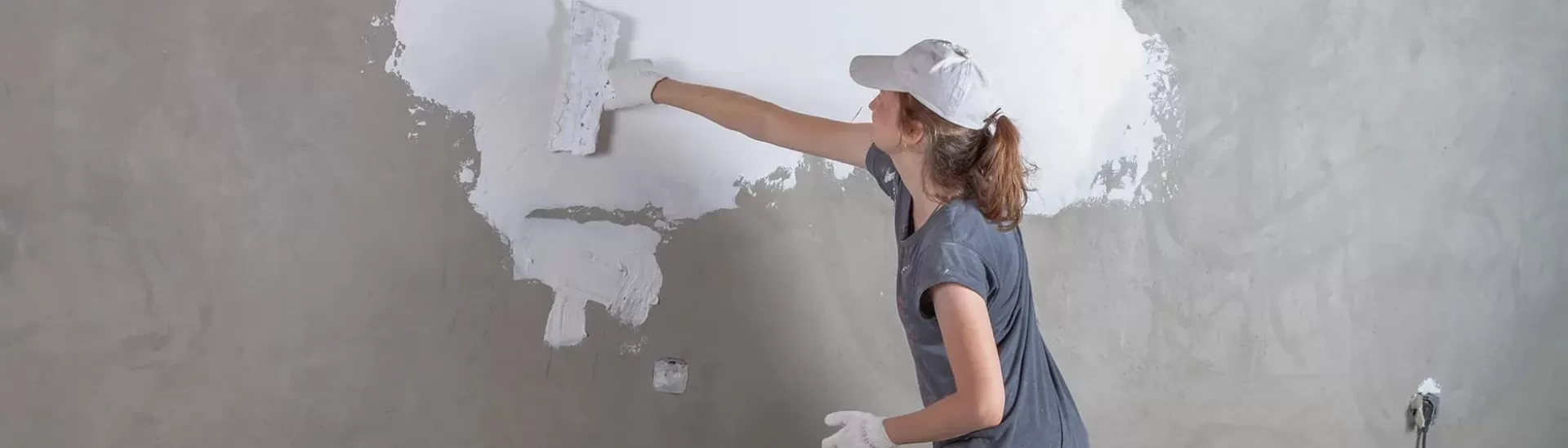
Acrylic Wall Putty: Meaning, Features, Benefits & Application Guide
Published: 27 Jan 2022 | Modified: 30 Oct 2026
Quick Summary
Acrylic wall putty is a ready-to-use, water-based filler that smooths interior walls, fills minor cracks and creates an even base for paint. Common acrylic wall putty uses include levelling uneven plaster, covering hairline cracks and improving paint finish. Compared with cement putty, acrylic putty offers better flexibility, smoother finish and easier application. Proper acrylic wall putty application involves cleaning, priming and applying thin coats, then sanding before painting.

Create Your Dream Home With Our Painting Experts
Fill the form below to book a free site evaluation by Nerolac Nxtgen painting Services expert
TABLE OF CONTENTS
Key Takeaways
- Acrylic putty is water-based and ready to use without mixing.
- It gives a smooth, even base for a better interior paint finish.
- Acrylic putty is more flexible than cement putty, reducing hairline cracking.
- Apply in thin, even coats and sand lightly between each layer.
- Best suited for interior walls and ceilings rather than damp exterior areas.
- Always prime the wall before and after putty for good adhesion.
Nerolac Paints, a leading paint company in India offers a wide range of wall paint colours & painting services & solutions for homes & offices.
-
Best Colour Combination For Walls To Elevate Your Home Interiors Best Colour Combination For Walls To Elevate Your Home Interiors
Intoduction:In 2025, harmonious colour schemes for individuality and…
-

Best Green Colour Combinations for Walls – Schemes & Design Ideas Best Green Colour Combinations for Walls – Schemes & Design Ideas
Introduction:Green has long been a favourite choice in home decor…
-

What Colours Match with Blue? 14 Colour Combinations with Blue for Your Home What Colours Match with Blue? 14 Colour Combinations with Blue for Your Home
Blue is a universally popular colour for décor and design; choosing a colour…
-
Recent Blogs
- Wooden House Design: 8 Kashmiri-Inspired Ideas for Warm and Elegant Homes
- Kashmiri Home Interior Design: 5 Ideas to Bring Kashmir's Beauty Into Your Home
- 7 Beautiful Kashmiri Home Design Ideas Inspired by Noor-e-Kashmir
- Cloud Dancer Colour of the Year – Meaning, Combinations, Interior Ideas and Trends
- How To Make Yellow Colour: Tips for Perfect Wall Paint Shades & Home Décor Ideas
-
Get in Touch
Looking for something else? Drop your query and we will contact you.
FAQs
What is acrylic wall putty used for?
Acrylic wall putty is used to fill minor dents, pores and hairline cracks on interior plastered walls and ceilings. It levels uneven surfaces and creates a smooth base so paint looks uniform and rich. It also helps paint adhere better and reduces paint consumption. Many painters use it to repair small damaged patches before repainting rooms.
How do I apply acrylic wall putty?
Clean the wall of dust, loose paint and grease, then fix any dampness. Apply a coat of primer and let it dry. Using a putty blade, spread a thin, even layer of acrylic putty across the surface. Let it dry, sand lightly with fine sandpaper, and apply a second thin coat if required. Sand again, remove dust and prime before painting.
What is the difference between acrylic putty and cement putty?
Acrylic putty is water-based, ready to use and offers a smoother finish with better flexibility, making it ideal for interior walls. Cement putty comes as a powder that must be mixed with water and offers strong adhesion and some water resistance, often used on exteriors or damp-prone areas. Acrylic putty dries faster and is easier to sand.
What are the benefits of acrylic wall putty?
Acrylic putty gives a smooth, fine finish that enhances the look of emulsion paints. Its flexibility helps resist hairline cracks caused by minor wall movement. It is ready to use, reducing mixing errors and wastage. It dries quickly and is easy to sand. It also improves paint adhesion and can reduce the number of paint coats needed.
Which acrylic wall putty is best for interior walls?
Choose a putty with good adhesion, fine texture and easy sanding for a smooth finish. It should be compatible with the primer and paint system you plan to use. For rooms prone to humidity, look for variants that mention better moisture resistance. Using a putty and primer system from the same brand, such as Nerolac, helps ensure good compatibility.
What mistakes should I avoid when applying acrylic wall putty?
Avoid applying thick layers, which can crack or take too long to dry. Do not apply putty on damp walls or where seepage exists, as it will bubble and peel. Skipping primer reduces adhesion. Painting before the putty dries completely leads to patchy finishes. Also avoid over-sanding, which can expose the plaster and create uneven areas.


Get in Touch
Looking for something else? Drop your query and we will contact you.
Latest Happenings in the Paint World
Get some inspiration from these trending articles



Popular Post
Popular Searches
What’s Trending in Bedrooms
Explore Trending Living Room Ideas
- Living Room Colour Combination
- Modern Two Colour Combination for Living Room
- Wall Texture for Living Room
- Vastu Colours for Living Room
- Wall Texture Design for Living Room
- Living Room Paint Ideas
- Living Room Design Ideas
- Paint Colour Ideas for Living Room
- Living Room TV Wall Designs
- Green Living Room Walls
Kitchen Ideas People Love
Explore Trending Ceiling Ideas
Study Room Ideas in Demand
Explore Wall Paint Categories
Handpicked Colour Inspirations
- Accent Wall Design
- Bedroom Design Ideas
- Exterior Wall Colour Design Ideas
- Interior Wall Colour Design Ideas
- Kitchen Design Ideas
- Living Room Interior Design
- Geometric Wall Design Ideas
- Home Colour Combination Ideas
- Home Décor Ideas
- Mural Wall Paint Design Ideas
- Office Space Design Ideas
- Puja Room Design Ideas
- Texture Design Ideas
- Festival Painting Ideas
- Paint Colour Chart
- Wall Painting Designs
- Wood Wall Décor Ideas
- Mural Wall Paint Design
- Hall Design Ideas
- Gate Colour Design
- Exterior Wall Colour Design
- Door Colour Design Ideas
-
 Get in Touch
-
Store Locator
-
 Download App
×
Get in Touch
Looking for something else? Drop your query and we will contact you.

