

Magical Colour
Magical
Colour code - 2312
Magical colour, a cool shade of violet, inspired by the valleys of lilies where butterflies and fairies create heaven on earth.
The tonality of this shade embeds serenity and sprinkles it all over your dream home when applied to the exterior walls. A colourful layer of climbers like Beaumontia or Japanese Quince will recreate your paradise.
Magical colour infuses a fairy tale vibe when splashed with dark violets, navy blue, and asmani hues.
Disclaimer: Actual wall paint colour applied may differ from the on-screen representation above. Please confirm your colour choices prior to purchase by viewing a physical colour shade card or a painted sample.
Still confused ? Explore all our shades from our colour catalogue
Paint your life's canvas with our painting experts
Fill the form below to book a free site evaluation by Nerolac Express Painting Service expert
Trending Colour Shades
Find the Perfect Colour Shades for you walls
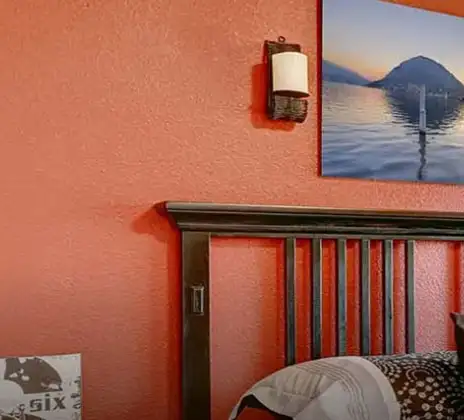
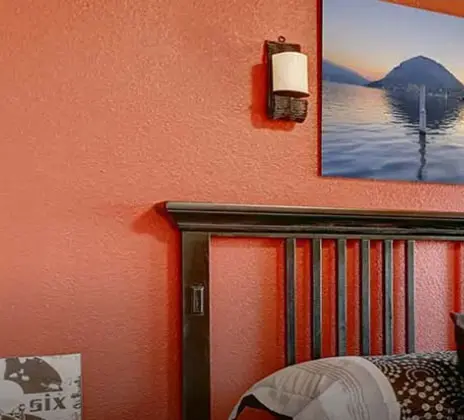
Products in this shade
Browse through our wide range of paints to find the one that accentuates your home's beauty
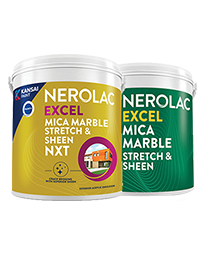
Neroalc Excel Mica Marble Strech Sheen & Mica Marble Stretch Sheen NXT
Nerolac Excel Mica marble stretch sheen Nxt & Mica Marble Strech Sheen is an extremely durable water...
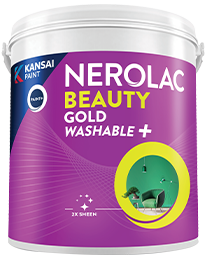
Beauty Gold Washable Plus
Nerolac Beauty Gold Washable Plus is an interior emulsion paint has a rich sheen finish, with highes...
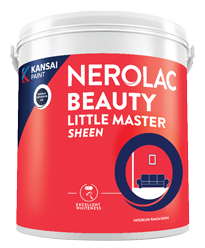
Beauty Little Master Sheen
Nerolac Beauty Little Master Sheen is an Economy Interior Wall Emulsion with very good sheen, smooth...

Beauty Gold washable and Beauty Gold Washable NXT
Nerolac Beauty Gold Washable paint has a soft sheen finish, with excellent stain-cleanability at an a...
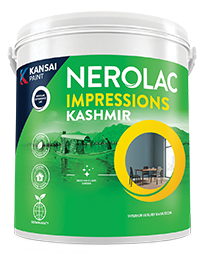
Impressions Kashmir
Nerolac Impressions Kashmir Luxury Emulsion is a superior quality 100% acrylic emulsion based interi...


Find an Expert Painter Near You
Enjoy a holistic painting experience with Nerolac NxtGen Services
About Magical Colour
Magical Colour Designs, Shades & Combinations for Your Home
Magical colour is a cool shade of violet inspired by the valleys of lilies, and violet colour comes between red colour and blue colour on the colour wheel. That placement gives it a balanced character, which is why it can feel soft, calm, and expressive at the same time. In a home, it usually brings a gentle sense of depth rather than a loud burst of colour. It can look graceful in bedrooms, interesting in living spaces, and refined in smaller decorative zones. If you want a wall colour that feels different from the usual neutral colours but is still easy to style, this can be a very good choice. It is also a shade that changes with the room around it. In bright daylight, it may appear cleaner and lighter. Under warmer lighting, it can look fuller and slightly deeper. That flexibility makes it useful in homes where you want colour with personality, but not something that feels too strong or too difficult to live with every day.Key Characteristics of Magical Colour
Has a cool base
The first thing that stands out is its cool undertone. Because of that, the colour feels composed on the wall and not overly warm. This gives the room a cleaner and more settled appearance.Adds softness without looking pale
Some light violets can look weak once they are painted across a full wall. This shade usually avoids that problem. It has enough body to stay visible, so the room still feels designed and complete.Works well in both light and medium settings
Many magical colour shades respond well to daylight and indoor lighting. In a brighter room, they feel open and fresh. In a more softly lit room, they tend to look richer and more restful.Offers range within the same family
There is enough variation in this colour family to suit different moods. Some magical colour different shades, feel light and airy, while others feel more grounded and decorative. That makes it easier to adapt the colour to different room sizes and lighting conditions.Practical Uses of Magical Colour
1.Magical Wall Colour for Bedrooms
This is one of the easiest rooms to paint in a violet tone. Magical colour can make a bedroom feel calm and slightly softer without becoming too decorative. It works especially well behind the bed or on one main wall.2.Magical Wall Colour for Living rooms
In a living room walls, this shade can bring a little more personality to the space. It suits feature walls, reading corners, and walls behind seating arrangements. With simple furniture, the room feels more finished.3.Magical Wall Colour for Guest rooms
Guest rooms benefit from colours that feel pleasant and restful without being too personal. Magical shades of colour often work well here because they add character while still keeping the room easy to style.4.Dressing areas and vanity corners
A soft violet tone can look very suitable in smaller personal spaces. It brings enough colour to create interest, but it still feels neat and controlled.5.Magical Wall Colour for Study corners
This colour can also work in study room walls or compact home offices when used in moderation. It gives the wall some visual identity, especially if the rest of the room is kept light and simple.Magical Paint Choices for Your Walls
When people compare different magical colour shades, the easiest way to decide is by looking at the mood they want from the room. Some spaces need a softer version that almost reads like a tinted neutral. Some need a balanced tone that can work every day. Others can carry a richer version with more visible colour.Soft and airy direction
- Truly Mine: It is a good option for rooms where you want the wall to feel gentle and open. Truly Mine colour works especially well in bedrooms, guest rooms, and corners that should feel light without becoming plain.
Balanced and comfortable direction
- Ting Ting: It has enough colour to be noticed, but it still feels easy to live with. Ting Ting colour makes it a practical choice for living rooms and shared spaces.
Fuller and more decorative direction
- Mauve Melody: Mauve Melody colour is better suited to walls that need stronger definition. It works well in dining corners, feature walls, or rooms with enough light to support a slightly deeper violet.
Magical Wall Colour Combinations for Your Home
A room usually looks better when the wall colour is supported by one or two clear companion shades. This is especially true with violet tones, which already have a distinct visual identity. A good magical colour combination or two colour combinations keeps the room coordinated and helps the main wall colour look warmer. The same is true when planning contrast. Magical colour contrast works best when it is controlled through fabrics or one supporting tone rather than many competing colours. A measured approach usually gives a cleaner and more balanced result.| Type of Room/Space | Recommended Colour Combination |
|---|---|
|
Living room |
Magical + Maroon Purple - 4864 |
|
Master bedroom |
Magical + Sweet Bianca - 2327 |
|
Dining area |
Magical + Shadow Eclipse - 4213 |
| Guest room |
Magical + Secret Boudoir - 4857 |
| Study corner |
Magical + Sweet Bianca - 2327 |
| Vanity area |
Magical + Maroon Purple - 4864 |
1.Magical + Maroon Purple Colour Combination
This pairing suits rooms where you want a deeper and more mature finish. Maroon Purple Colour works well in living rooms and vanity areas because it gives the scheme more body without making it look crowded.2. Magical + Sweet Bianca Colour Combination
Sweet Bianca colour softens the overall look and makes the violet feel more relaxed. This is a suitable option for bedrooms, guest rooms, or study corners where the room should remain light and calm.3.Magical + Shadow Eclipse Colour Combination
Shadow Eclipse colour gives the space more depth and a slightly stronger edge. It is useful in dining room walls or on selected walls where you want the room to feel more defined.4.Magical + Secret Boudoir Colour Combination
This pairing keeps the look decorative, but still controlled. Secret Boudoir colour can work well in guest rooms or dressing zones where the room should feel polished without becoming too dark.Best Magical Shades for Accent Walls
When choosing from shades in magical colour, the best accent wall is usually the one that already carries some natural focus. That may be the wall behind the bed, behind the sofa, around a mirror, or beside a study desk. The right placement often matters as much as the exact paint itself.| Magical Colour Shades | Location |
|---|---|
|
Sweet Bianca Colour |
Behind the bed |
| Maroon Purple Colour |
Behind the sofa |
| Shadow Eclipse Colour |
Dining niche |
| Maroon Purple Colour |
Vanity backdrop |
Different rooms can also carry different levels of depth. That is why types of magical colour shades are worth thinking about before you commit to one version. In simple terms, you can group them into soft pastel violets, balanced mauve-violets, and fuller plum-leaning violets. That approach makes selection easier and more practical.
Simple Tips for Using Magical at Home
If you are wondering how to make magical colour work comfortably in a real home, begin with the large surfaces first. Look at the floor, the bed, the sofa, the curtains, and the wardrobe before finalising the wall shade. Once those are clear, the right version of violet becomes much easier to choose. Here are a few practical tips that help:- Use beige colour, cream colour, pale grey colour, white colour, or muted wood furniture if you want the walls to stand out clearly.
- In smaller rooms, use the colour on one main wall instead of all four.
- Use matte or low-sheen paint if you want a softer finish.
- Add one darker accent, such as a chair, lamp, or side table, instead of repeating several heavy tones.
- Let mirrors, pale curtains, and simple bedding support the wall instead of over-decorating it.
How Nerolac Can Help You Paint Your Walls Magical?
Magical may look soft on a shade card, but a smooth finish still depends on careful preparation. If the wall base is uneven, if the primer is not suitable, or if the coats are applied too quickly, the final colour can look patchy or inconsistent. Nerolac’s professional home painting service helps manage that process in a more controlled way. Before painting begins, the room is assessed for wall condition, light levels, room size, and room function so the chosen shade feels right for the space. A major part of the result comes from building a proper base. Surface levelling and priming help reduce streaks, roller marks, and visible unevenness. Once that stage is complete, the paint is applied with better consistency so the colour stays even across the full wall. That matters especially with a colour like this, because mid-to-deep violet tones can show surface variation quite clearly when the preparation is rushed. With careful execution and finish checks at the end, the wall is more likely to look smooth, polished, and long-lasting.Plan, Design and Paint Your Walls With Nerolac Tools
Ready to plan your bottle green colour combinations makeover? Use the tools below to explore shades, visualise rooms and estimate paint and budget.Colour Visualiser
Use the Nerolac Colour Visualiser to try out different shades and textures from our colour and texture palette on the walls of our ‘room presets.’ You can also see how each colour will look under various lighting conditions, such as natural sunlight, cool white light and warm yellow colour light, before finalising a shade.Colour Catalogue
Use the Nerolac Colour Catalogue to browse over 1,500 Nerolac wall paint shades. Search by colour name or code, or filter by colour family to quickly discover options that match your décor. Shortlist your favourite shades and pair them with the other Nerolac tools to finalise the perfect colour scheme for your home.Paint Calculator
Use the Nerolac Paint Calculator to estimate the area to be painted and the required paint volume for your décor project. Enter wall dimensions, room count, and preferred product to get an approximate paint quantity and cost, helping you plan your project with greater confidence.Frequently Asked Questions For Magical
How to make Magical colour?
If you are mixing it by hand, start with a violet base and then soften it with white until it reaches a cooler and calmer finish. If it feels too bright, a very small amount of grey or muted mauve can help settle it for wall use.
Will Magical make my room feel small?
It can if you choose a darker version and use it on every wall in a room with low light. In most homes, a softer version or one feature wall gives a more balanced result.
What colour furniture goes well with Magical walls?
White, off-white, pale grey, beige, muted wood, soft gold, and matte black details usually work well. These finishes help the colour look more polished without making the room feel too busy.
Can I use Magical colour in a bedroom?
Yes, it can work very well in a bedroom. It is especially suitable on the wall behind the bed, where it adds softness and depth without making the whole room feel heavy.
Can Magical be used with limited natural light?
Yes, but the version should be chosen carefully. In dimmer rooms, a lighter or more muted violet usually works better than a fuller and darker shade.
How does Magical interact with light colours?
Very well. Light colours help violet look cleaner and more balanced. White, cream, pale wood, and soft grey can all support it without taking away its character.
Can I check how the shades will look on the walls?
Before going ahead with a fresh coat of paint, it is necessary to see how the shades look on the walls. To make things easier, first, go to our Colour Catalogue and browse through the colours you like the most. Pick your choice of shade, click on the home icon to visualize how it will look on the walls.
From where can I buy the paint after selecting the shade?
After you have selected the shade, you can pick a store near you with the help of Store Locator and purchase interior, exterior shades, enamel paint and many more products of your choice.
What’s next after selecting paint colours for my home?
NXTGEN painting service – our brand-new service gives you an exemplary painting service by our highly experienced and reliable painters. All you need to do - drop your details, and an expert will get in touch with you. Et Voila! Your space is redefined within 5 days.
I am not sure of my selection of shade, can I watch a preview of it from my home?
Different light settings accentuate and enhance the colour on the walls. To visualize the shade before finalizing, download our Colour My Space app on Apple or Google Play Store. Here you can watch presets for different rooms, select the right texture and then simply call a painter near your location. Also, our very own Product Comparison Tool renders you with a visual, answering every speck of your concerns.
What is the hex code of Magical colour? Which colour family does Magical belongs to?
Magical is one of the shades of violet colour and its hex code is #bcaabe.
Create magic with our inspiring Two Colour Combinations!
-
Orange And Lilac Colour Combination
-
Red And Brown Colour Combination
-
Yellow And Blue Colour Combination
-
Yellow And Green Colour Combination
-
Yellow And Orange Colour Combination
-
Yellow And Red Colour Combinations
-
Orange And Brown Colour Combination
-
Orange And Gold Colour Combination
-
Orange And Grey Colour Combination
-
Orange And Cream Colour Combination
-
Orange And Peach Colour Combination
-
Orange and Red Colour Combination
-
Orange And Purple Colour Combination
-
Orange And Pink Colour Combination
-
Orange And White Colour Combination
-
Orange And Neutral Colour Combination
-
Orange And Beige Colour Combination
-
Orange And Violet Colour Combination
-
Orange And Blue Colour Combination
-
Orange And Green Colour Combination
Latest Happenings in the Paint World
Get some inspiration from these trending articles



Get in Touch
Looking for something else? Drop your query and we will contact you.
Popular Searches
What’s Trending in Bedrooms
Explore Trending Living Room Ideas
- Living Room Colour Combination
- Modern Two Colour Combination for Living Room
- Wall Texture for Living Room
- Vastu Colours for Living Room
- Wall Texture Design for Living Room
- Living Room Paint Ideas
- Living Room Design Ideas
- Paint Colour Ideas for Living Room
- Living Room TV Wall Designs
- Green Living Room Walls
Kitchen Ideas People Love
Explore Trending Ceiling Ideas
Study Room Ideas in Demand
Explore Wall Paint Categories
Handpicked Colour Inspirations
- Accent Wall Design
- Bedroom Design Ideas
- Exterior Wall Colour Design Ideas
- Interior Wall Colour Design Ideas
- Kitchen Design Ideas
- Living Room Interior Design
- Geometric Wall Design Ideas
- Home Colour Combination Ideas
- Home Décor Ideas
- Mural Wall Paint Design Ideas
- Office Space Design Ideas
- Puja Room Design Ideas
- Texture Design Ideas
- Festival Painting Ideas
- Paint Colour Chart
- Wall Painting Designs
- Wood Wall Décor Ideas
- Mural Wall Paint Design
- Hall Design Ideas
- Gate Colour Design
- Exterior Wall Colour Design
- Door Colour Design Ideas
-
 Get in Touch
 -
Store Locator
-
 Download App
×
Get in Touch
Looking for something else? Drop your query and we will contact you.

