

Buff Colour
Buff
Colour code - 2113
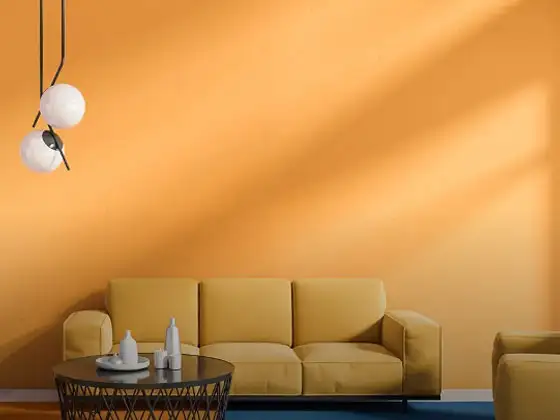
A colour so serene that it evokes a feeling of calmness in you. Buff colour is a soft pastel shade which illuminates everything that it touches and refreshes it.
It hovers like a slight peachy hint in the air around you and introduces a summery sweetness into your space.
Introduce this colour into your home and watch your space come alive with its rosy glow hues of orange, green, and neutrals complements the calmness of Buff.
Disclaimer: Actual wall paint colour applied may differ from the on-screen representation above. Please confirm your colour choices prior to purchase by viewing a physical colour shade card or a painted sample.
Still confused ? Explore all our shades from our colour catalogue
Paint your life's canvas with our painting experts
Fill the form below to book a free site evaluation by Nerolac Express Painting Service expert
Trending Colour Shades
Find the Perfect Colour Shades for you walls
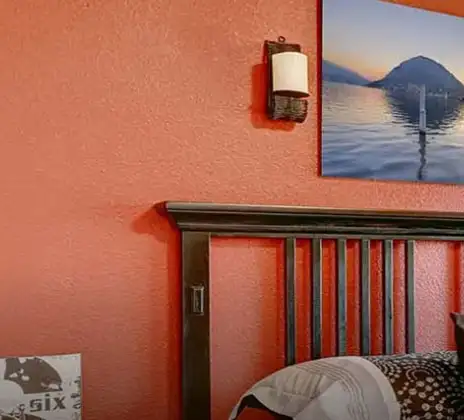
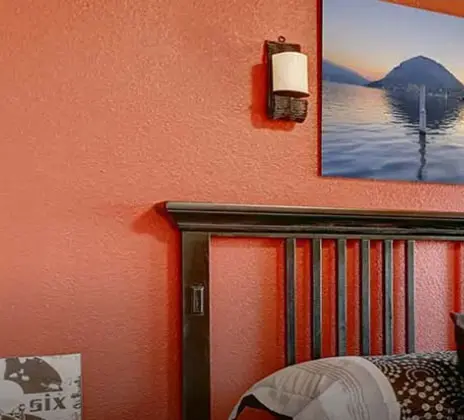
Products in this shade
Browse through our wide range of paints to find the one that accentuates your home's beauty
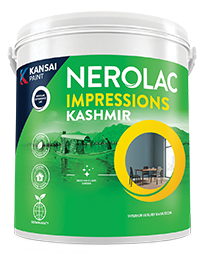
Impressions Kashmir
Nerolac Impressions Kashmir Luxury Emulsion is a superior quality 100% acrylic emulsion based interi...
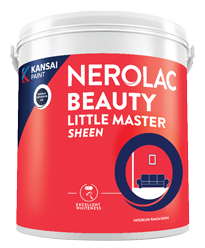
Beauty Little Master Sheen
Nerolac Beauty Little Master Sheen is an Economy Interior Wall Emulsion with very good sheen, smooth...
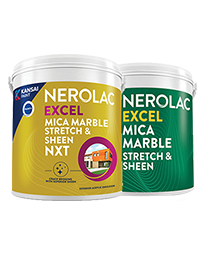
Neroalc Excel Mica Marble Strech Sheen & Mica Marble Stretch Sheen NXT
Nerolac Excel Mica marble stretch sheen Nxt & Mica Marble Strech Sheen is an extremely durable water...
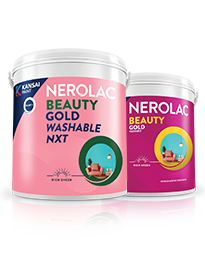
Beauty Gold washable and Beauty Gold Washable NXT
Nerolac Beauty Gold Washable paint has a soft sheen finish, with excellent stain-cleanability at an a...
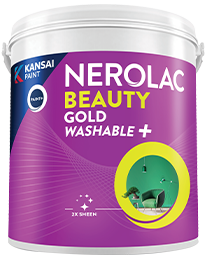
Beauty Gold Washable Plus
Nerolac Beauty Gold Washable Plus is an interior emulsion paint has a rich sheen finish, with highes...


Find an Expert Painter Near You
Enjoy a holistic painting experience with Nerolac NxtGen Services
About Buff Colour
Buff Colour Designs, Shades & Combinations for Your Home
Buff is a soft, warm neutral that is between light brown colour and yellow colour on the colour wheel. It is made by mixing soft yellow with hints of beige colour and brown, which gives it soft, earthy undertones. This balance keeps it light without making it look pale and warm without making it feel heavy. Buff colour is great for living rooms, bedrooms, and even hallways where you want to feel calm and at home. It reflects natural light well and makes rooms look open, calm, and easy to live in.Key Characteristics of Buff Colour
- Soft warmth without feeling heavy - Buff brings in warmth in a subtle way, making a room feel cosy without appearing too rich. It is perfect for everyday spaces where you want comfort without strong colour dominance.
- Balanced earthy undertones - The mix of yellow and brown undertones gives Buff a grounded and natural look. It feels connected to nature, which makes interior walls feel calm and easy on the eyes.
- Illuminating glow - Buff colour shades reflect light softly for a bright but gentle glow. This is great for places that don't get a lot of sunlight.
- Comfortable and timeless feel - It doesn't go out of style easily because it's not too bold or trendy. It makes a steady background that feels pleasant for years.
- Versatile neutral appeal - It goes with both warm and cool colours. That makes it easy to match with furniture and decor.
Practical Uses of Buff Colour
- Living room walls - Buff colour different shades feel calm and welcoming. They let furniture and decorations stand out without making the room feel crowded.
- Bedroom interiors - It makes any space feel soft and relaxing. Pair it with light fabrics and wooden furniture for a calm setting.
- Hallways and corridors - Buff keeps narrow spaces from feeling boring or closed in, like hallways and corridors. Its light colour makes these areas feel more open and connected to the rest of the house.
- Dining areas - It makes dining room walls feel warmer without being too strong. Buff looks best with simple decor and warm lighting.
- Study or work corners - Buff's calm nature helps you stay focused without getting distracted. It makes the background clean and balanced, which helps with productivity.
Buff Paint Choices for Your Walls
You can choose from different Buff colour shades. They can range from light and airy to a little darker and more grounded. The amount of warmth or depth you want in the space will help you choose the right tone. Each colour has its own mood, but they all look the same overall.Light Buff Shades
Light Buff shades of colour feel soft, new, and a little creamy. You can use them to make rooms look brighter and more open without using plain white colour. Sweetbread colour is a great choice for bedrooms and small living spaces where you want a light, calming background. It also looks good on ceilings or walls with darker furniture, which makes the room feel balanced and airy.Medium Buff Shades
Medium shades in Buff colour add a little more depth while still keeping the softness. They are great for places where you want the warmth to stand out more. Arizona Stone is a good choice for living room walls and dining rooms, especially if you want a colour that is a little richer. Pair it with wooden finishes and neutral colours furniture. That will give the room a grounded and cosy feel.Dark Buff Shades
Dark types of Buff colour shades make rooms feel warmer and more defined. They will let you add personality without being too loud. Little Bud colour is great for feature walls or big rooms that need some depth. It makes the room feel warm and inviting without making it look too dark or heavy.Buff Wall Colour Combinations for Your Home
Many wonder how to make Buff colour combinations work inside their homes. Buff looks best when you add one colour that goes well with it and brings out its warmth. Choosing one supporting tone instead of too many colours helps the space look clean and well-balanced. Try these two colour combinations in different parts of your home:|
Room / Space |
Recommended Colour Combination |
|
Living room (feature wall) |
Buff + Melon Melody - 4681 |
|
Bedroom (headboard wall) |
Buff + Cozy Corner - 4079 |
| Dining area |
Buff + Soft Blush - 4678 |
| Study or reading corner |
Buff + Lightly Apricot - 4039 |
1.Buff + Melon Melody - 4681 Colour Combination
Buff is a great colour for living rooms because Melon Melody colour makes it feel warm and happy. Put Buff on the big walls and Melon Melody on a feature wall to make the room feel lively and cosy at the same time.2.Buff + Cozy Corner - 4079 Colour Combination
Cozy Corner colour and Buff go well together to make a peaceful bedroom. This Buff colour combination looks good on the wall behind the headboard.3.Buff + Soft Blush - 4678 Colour Combination
Soft Blush colour adds a soft touch of colour that makes Buff brighter without being too strong. It works well in dining rooms where you want to create a warm and inviting space.4.Buff + Lightly Apricot - 4039 Colour Combination
A Lightly Apricot colour and Buff colour palette gives off a warm, fresh feeling that works well in reading corners or study room walls. The mix feels light, happy and easy to be around.Best Buff Shades for Accent Walls
Accent walls are a great way to use Buff without covering the entire room. They help highlight a specific area while keeping the rest of the space simple and balanced. Applying it to accent walls is a great idea for those wondering how to create Buff colour balance inside their spaces. Choose a wall that gets good light and is not broken by too many elements, so the colour stands out clearly.|
Colour Shades |
Accent-wall location |
|
Sweetbread |
Bedroom side wall |
| Arizona Stone |
Living room TV wall |
| Little Bud |
Dining or feature wall |
Simple Tips for Using Buff Colour at Home
Buff is easy to use, but a few small choices can make a big difference in how it looks on your walls.- Pair Buff with natural materials like wood or cotton to enhance its warmth.
- Use soft lighting to bring out its creamy undertones in the evening.
- Avoid mixing too many strong colours with Buff to keep the look calm.
- Try different Buff shades in different rooms for a layered effect.
- Use it on an accent wall and choose darker shades for the remaining walls for a nice Buff colour contrast.
- Test the colour on a small patch before finalising to see how it looks in your lighting.
How Nerolac Can Help You Paint Your Walls Buff Colour
Buff can sometimes look slightly uneven if the base surface is not prepared properly or if the application is rushed, especially with deeper shades. Nerolac home painting service takes care of the entire process, from helping you choose the right Buff shade to completing the final finish with precision. With expert consultation, trained painters, and advanced tools for colour visualisation, the process becomes smooth and reliable. To make your Buff colour selection easier, it’s always a good idea to shortlist a couple of shades and check them using a physical shade card or a sample on your wall, as colours can look different on screens compared to real surfaces.Plan, Design and Paint Your Walls With Nerolac Tools
Ready to plan your makeover? Use the tools below to explore shades, visualise rooms and estimate paint and budget.Colour Visualiser
Use the Nerolac Colour Visualiser to try out different shades and textures from our texture and colour palette on the walls of our ‘room presets.’ You can also see how each colour will look under various lighting conditions, such as natural sunlight, cool white light and warm yellow light, before finalising a shade.Colour Catalogue
Use the Nerolac Colour Catalogue to browse over 1,500 Nerolac wall paint shades. Search by colour name or code, or filter by colour family to quickly discover options that match your décor. Shortlist your favourite shades and pair them with the other Nerolac tools to finalise the perfect colour scheme for your home.Paint Calculator
Use the Nerolac Paint Calculator to estimate the area to be painted and the required paint volume for your décor project. Enter wall dimensions, room count, and preferred product to get an approximate paint quantity and cost, helping you plan your project with greater confidence.Frequently Asked Questions For Buff
What kind of colour is Buff?
Buff is a neutral tint between yellow and light brown. It has earthy undertones, which make it feel calm, natural and easy to live with.
Will Buff colour make a room look brighter?
Buff helps a room feel brighter because it reflects light in a softly. It doesn’t feel harsh like plain white, but still lifts the overall look of the space.
How do you make Buff colour for walls?
Buff is usually created by mixing yellow with a touch of brown and white. By adjusting these, you can make the shade lighter, creamier, or slightly deeper depending on the look you want.
Does Buff colour work with wooden furniture?
It works really well with wooden furniture because both share warm, earthy tones. Together, they create a space that feels balanced, comfortable, and naturally styled.
Which finish is best for Buff wall paint?
A matte or eggshell finish is a good choice for Buff walls. These finishes keep the look soft and also help hide small imperfections on the surface.
Can Buff colour be used for feature walls?
Yes, Buff can make a lovely feature wall, especially in a slightly deeper shade. It adds depth to the room without feeling too bold or overpowering.
Create magic with our inspiring Two Colour Combinations!
-
Orange And Lilac Colour Combination
-
Red And Brown Colour Combination
-
Yellow And Blue Colour Combination
-
Yellow And Green Colour Combination
-
Yellow And Orange Colour Combination
-
Yellow And Red Colour Combinations
-
Orange And Brown Colour Combination
-
Orange And Gold Colour Combination
-
Orange And Grey Colour Combination
-
Orange And Cream Colour Combination
-
Orange And Peach Colour Combination
-
Orange and Red Colour Combination
-
Orange And Purple Colour Combination
-
Orange And Pink Colour Combination
-
Orange And White Colour Combination
-
Orange And Neutral Colour Combination
-
Orange And Beige Colour Combination
-
Orange And Violet Colour Combination
-
Orange And Blue Colour Combination
-
Orange And Green Colour Combination
Latest Happenings in the Paint World
Get some inspiration from these trending articles
Get in Touch
Looking for something else? Drop your query and we will contact you.
Popular Searches
What’s Trending in Bedrooms
Explore Trending Living Room Ideas
- Living Room Colour Combination
- Modern Two Colour Combination for Living Room
- Wall Texture for Living Room
- Vastu Colours for Living Room
- Wall Texture Design for Living Room
- Living Room Paint Ideas
- Living Room Design Ideas
- Paint Colour Ideas for Living Room
- Living Room TV Wall Designs
- Green Living Room Walls
Kitchen Ideas People Love
Explore Trending Ceiling Ideas
Study Room Ideas in Demand
Explore Wall Paint Categories
Handpicked Colour Inspirations
- Accent Wall Design
- Bedroom Design Ideas
- Exterior Wall Colour Design Ideas
- Interior Wall Colour Design Ideas
- Kitchen Design Ideas
- Living Room Interior Design
- Geometric Wall Design Ideas
- Home Colour Combination Ideas
- Home Décor Ideas
- Mural Wall Paint Design Ideas
- Office Space Design Ideas
- Puja Room Design Ideas
- Texture Design Ideas
- Festival Painting Ideas
- Paint Colour Chart
- Wall Painting Designs
- Wood Wall Décor Ideas
- Mural Wall Paint Design
- Hall Design Ideas
- Gate Colour Design
- Exterior Wall Colour Design
- Door Colour Design Ideas
-
 Get in Touch
 -
Store Locator
-
 Download App
×
Get in Touch
Looking for something else? Drop your query and we will contact you.

