

Rust Colour
Rust
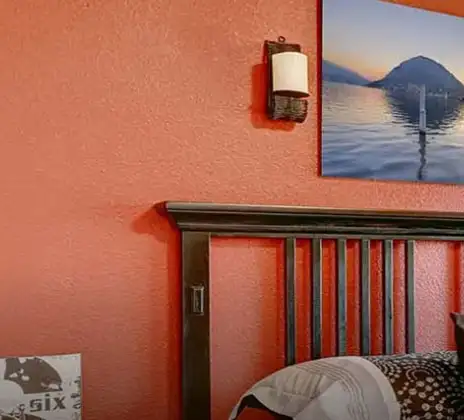
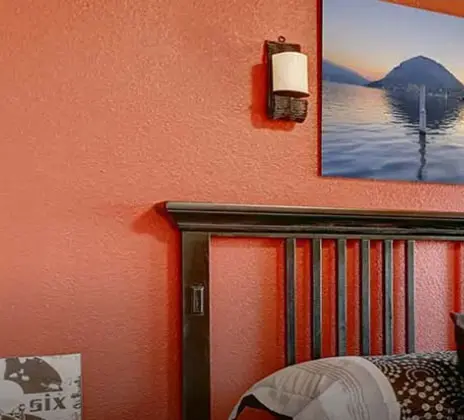
Colour code - 2104
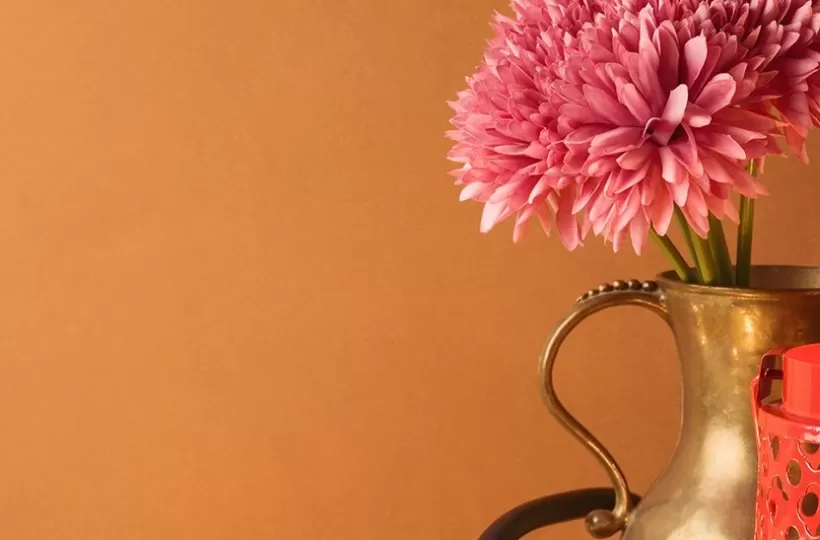
Evocative, dark and lyrical, this shade is borrowed from the rainbow of another realm. Rust is a dramatic interplay of two colours, which displays both the qualities and fills your space with a rich symphony of their powerful notes. It takes you to a place of strange and wonderful beauty that you would not want to leave. It will tease you with its fascinating colourscape. Mellow shades of orange and beige bring out the best of the Rust colour.
Disclaimer: Actual wall paint colour applied may differ from the on-screen representation above. Please confirm your colour choices prior to purchase by viewing a physical colour shade card or a painted sample.
Still confused ? Explore all our shades from our colour catalogue
Paint your life's canvas with our painting experts
Fill the form below to book a free site evaluation by Nerolac Express Painting Service expert
Trending Colour Shades
Find the Perfect Colour Shades for you walls
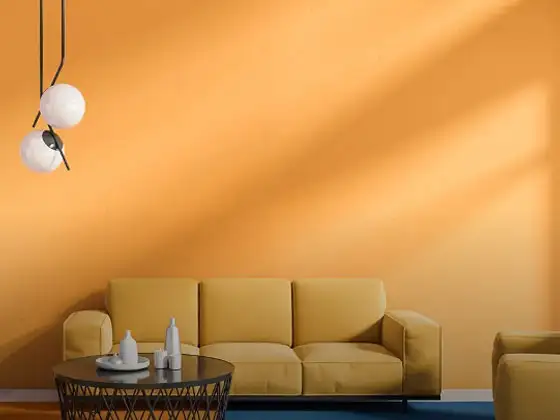
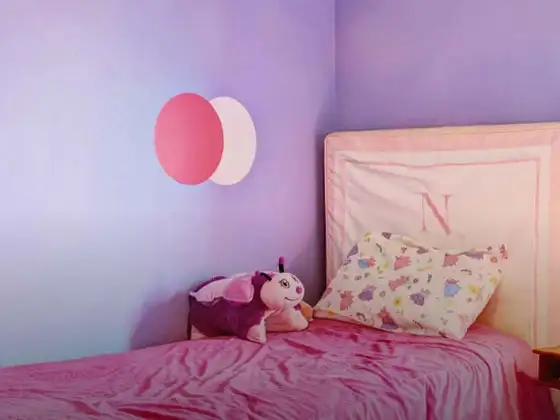
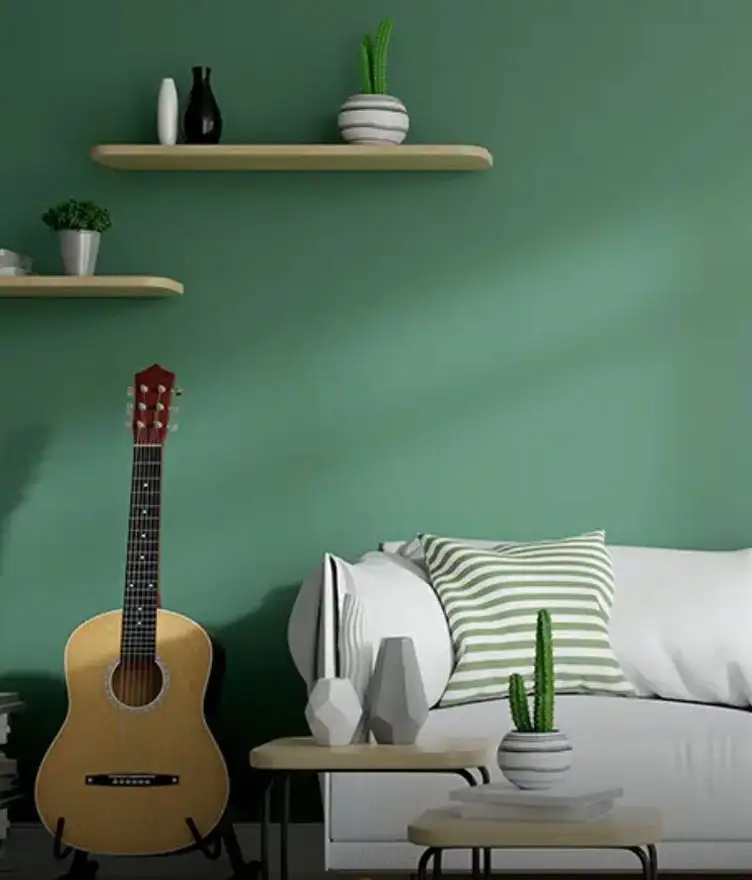
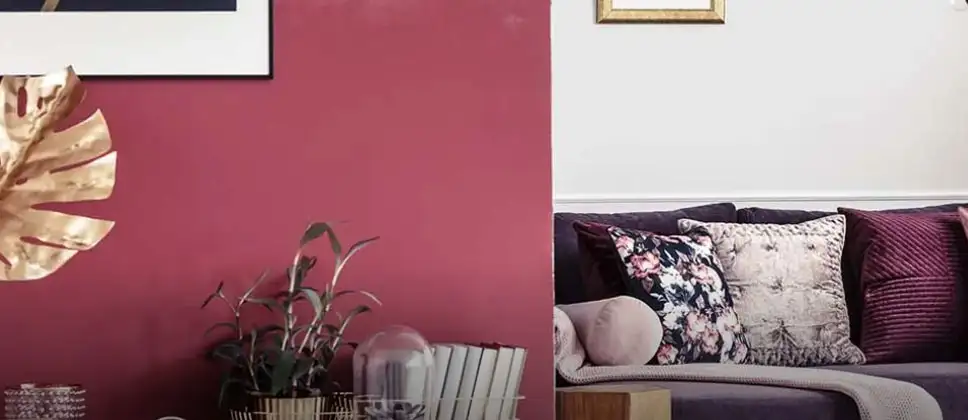
Products in this shade
Browse through our wide range of paints to find the one that accentuates your home's beauty
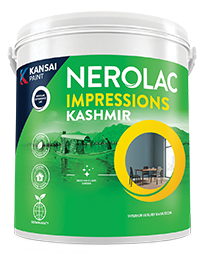
Impressions Kashmir
Nerolac Impressions Kashmir Luxury Emulsion is a superior quality 100% acrylic emulsion based interi...
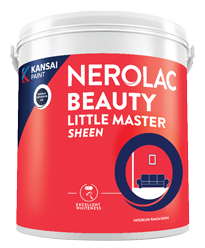
Beauty Little Master Sheen
Nerolac Beauty Little Master Sheen is an Economy Interior Wall Emulsion with very good sheen, smooth...
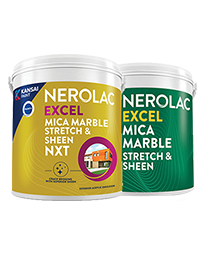
Neroalc Excel Mica Marble Strech Sheen & Mica Marble Stretch Sheen NXT
Nerolac Excel Mica marble stretch sheen Nxt & Mica Marble Strech Sheen is an extremely durable water...
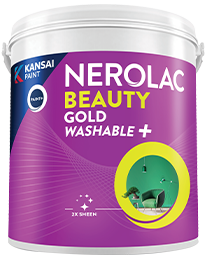
Beauty Gold Washable Plus
Nerolac Beauty Gold Washable Plus is an interior emulsion paint has a rich sheen finish, with highes...
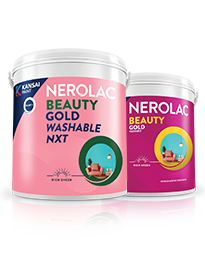
Beauty Gold washable and Beauty Gold Washable NXT
Nerolac Beauty Gold Washable paint has a soft sheen finish, with excellent stain-cleanability at an a...


Find an Expert Painter Near You
Enjoy a holistic painting experience with Nerolac NxtGen Services
About Rust Colour
Rust Colour Designs, Shades & Combinations for Your Home
Rust is a deep, earthy colour inspired by natural oxidation, sun-baked clay, and warm mineral surfaces. Positioned between red, brown, and orange on the colour spectrum, it brings warmth and richness without the sharpness often associated with brighter reds or oranges. Its muted intensity gives rust colour a settled and mature quality that feels grounded rather than loud.
This colour is commonly used to add depth and warmth to interiors that need stronger visual character. Rust colour has a strong visual presence, but its earthy undertone keeps it comfortable for daily living. It works particularly well when balanced with light neutrals, natural stone, wood, or textured finishes, allowing the colour to stand out without overwhelming the space.
Rust colour adapts easily across different interior styles. In modern homes, it adds contrast and warmth to clean, minimal layouts. In rustic or eclectic interiors, it enhances the natural, layered feel of the space. With the right combinations, rust colour shades can feel bold and expressive or soft and welcoming, making it a flexible choice for feature walls and accent-focused designs.
Key Characteristics of Rust Colour
-
Mid to low-value earthy tone
Rust is a medium-to-dark colour with a light reflectance value (LRV) typically between 20-35. This low reflectance gives it visual weight and depth, helping walls feel warm, grounded, and well-defined without appearing flat or dull. -
Red–brown undertone composition
Technically, rust colour shades sit within the red–orange family but are strongly moderated by brown undertones. This earthy base softens the colour, reducing brightness and preventing it from feeling harsh or overly vibrant. -
Moderate saturation with natural depth
Rust has noticeable chroma, giving it richness and character, but its saturation is controlled. This balance allows it to stand out as a feature colour while remaining comfortable for interior use. -
Warm and enveloping visual effect
From a colour-behaviour perspective, rust colour is associated with warmth, stability, and comfort. It creates an enveloping atmosphere that works well in spaces meant for relaxation, conversation, and social interaction. -
High sensitivity to lighting
Rust colour shades respond clearly to lighting conditions. In natural daylight, it appears textured and earthy. Under warm lighting (2700–3000K), it deepens and feels more intimate, while cooler lighting can highlight its red undertone, making lighting selection an important design consideration.
Practical Uses of Rust Colour
-
Living rooms and social spaces
Rust colour works well in living rooms where warmth and character are desired. It is often used on feature walls or accent surfaces to create a cosy, inviting atmosphere that encourages conversation. -
Dining areas and entertaining zones
In dining spaces, rust colour shades add depth and richness. Its warm undertone complements wooden furniture and warm lighting, making the space feel welcoming and comfortable for gatherings. -
Bedrooms with accent application
Rust is best used selectively in bedrooms, such as on one wall, behind the headboard, or through built-in elements. This adds warmth without making the room feel visually heavy. -
Home offices and creative spaces
Rust colour can support focus and creativity by adding visual warmth and stimulation. Used in moderation, it helps create an inspiring yet grounded workspace. -
Rustic, eclectic, and contemporary interiors
Rust fits naturally into rustic and eclectic homes, where earthy colours are key. In modern interiors, it works as a contrast colour, adding warmth to clean lines and neutral colour palettes. -
Commercial and hospitality settings
Rust colour shades are commonly used in cafés, restaurants, lounges, and boutique spaces. It creates a relaxed, welcoming environment and pairs well with natural materials and textured finishes.
Shades in rust colour is mainly preferred for interiors, but in controlled architectural use it can also work for exterior feature elements such as façade highlights, entrance walls, or textured exterior panels.
Rust Paint Choices for Your Walls
Rust colour shades vary from soft, muted tones to deeper, more intense hues. Each option brings warmth and character, but the right choice depends on how bold you want the space to feel and how much natural light the room receives.
Softer, muted rust tones
These shades introduce warmth gently and are easy to live with across larger wall areas.
- Rose Powder: A soft, dusty rust tone with a subtle pink undertone. Rose powder colour works well in bedrooms and relaxed living spaces where a warm but light atmosphere is preferred.
- Beach Rose: A muted, earthy shade that sits between rust and brown. Beach rose colour suits rooms where you want warmth without strong contrast, such as guest bedrooms or cosy sitting areas.
Rich and expressive rust tones
These shades have more depth and visual presence, making them ideal for feature walls or statement spaces.
- Herring Red: A deep, bold rust with strong red undertones. Best used on accent walls in living rooms, dining areas, or study spaces where you want a dramatic focal point.
Neutral, earthy companions within the rust family
These tones balance rust’s warmth and help create cohesive, grounded interiors.
- Suede Tan: A warm, neutral shade that pairs beautifully with deeper rust tones. Suede tan colour works well on adjoining walls or larger surfaces to keep the space balanced.
- Freckles: An earthy mid-tone that sits comfortably between beige and rust. Ideal for living rooms and dining spaces that aim for a natural, understated look.
- Mocassin Beige: A soft, warm neutral that complements rust without competing with it. Mocassinbeige colour shade is suitable for full-room applications or as a supporting colour alongside deeper rust accents.
Rust Wall Colour Combinations for Your Home
If you want combinations that feel warm, earthy, and visually rich without overwhelming the space, these Rust pairings work especially well. Use the guide below to choose the right combination based on how and where you plan to use Rust colour shades in your home.
|
Type of Room / Space |
Recommended Combination |
|
Living rooms, family rooms, shared spaces |
Rust + Panama Rose (2130) |
|
Bedrooms, guest rooms, relaxed interiors |
Rust + Tearose Pink (2122) |
|
Feature walls, study rooms, statement corners |
Rust + Copper Stone (4724) |
|
Smaller rooms, soft accents, low-light areas |
Rust + Sweet Hearts (4742) |
Rust + Tearose Pink Colour Combination
This pairing creates a soft, refined look. Tearose Pink lightens rust’s intensity and introduces a gentle warmth, making the space feel relaxed rather than heavy. It works especially well in bedrooms and quiet living areas where comfort is a priority.
Rust + Panama Rose Colour Combination
A warm, tone-aligned combination that feels cohesive and welcoming. Panama Rose blends naturally with rust, creating a layered warmth that suits living rooms and dining spaces designed for social interaction.
Rust + Copper Stone Colour Combination
This combination brings depth and strength. Copper Stone reinforces rust’s earthy character and adds visual weight, making it ideal for feature walls, study rooms, or spaces where a bold yet grounded presence is desired.
Rust + Sweet Hearts Colour Combination
A lighter, more approachable pairing that softens rust colour and keeps interiors feeling open. Sweet Hearts introduces contrast without sharpness, making this combination suitable for compact rooms, guest spaces, or areas with limited natural light.
Best Rust Shades for Accent Walls
Rust colour works especially well as an accent colour when you want warmth, texture, and visual depth without covering the entire room. The shades below are well-suited for feature walls, niches, and highlighted zones.
|
Nerolac Shade |
Best Room / Placement |
|
Rose Powder (4751) |
Bedroom accent walls or soft feature corners |
|
Herring Red (4802) |
Statement walls in living rooms or dining areas |
|
Beach Rose (2195) |
Feature walls in lounges or reading spaces |
|
Suede Tan (2759) |
Accent walls in formal living or guest rooms |
|
Freckles (2789) |
Study rooms, textured feature walls, niches |
|
Mocassin Beige (2781) |
Subtle accent walls in smaller or low-light spaces |
Simple Tips for Using Rust Colour at Home
Rust is a warm, expressive colour with strong visual presence. Using it thoughtfully helps maintain balance while allowing its earthy richness to enhance the space.
- Use rust colour shades on feature walls, niches, or focal areas rather than across all four walls, especially in smaller rooms.
- Balance rust colour with light neutrals such as off-white, beige, or soft grey to prevent the space from feeling too heavy.
- Choose warm lighting (2700–3000K) to enhance rust’s depth and bring out its earthy undertones. Very cool lighting can make it look harsh.
- Pair rust with natural materials like wood, stone, clay, or leather to reinforce its organic character.
- Avoid combining rust colour shades with too many strong or dark colours. Keeping the surrounding palette simple allows rust colour to stand out without overwhelming the interior.
How Nerolac Can Help You Paint Your Walls Rust Colour?
Rust is a depth-driven colour where undertone control and surface quality directly affect the final look. Uneven bases or incorrect lighting balance can make rust appear patchy, too dark, or overly red. Nerolac’s professional painting service is designed to handle these challenges and deliver a rich, well-calibrated finish.
With Nerolac’s home painting service, colour experts evaluate room size, daylight exposure, and surrounding materials before recommending the right rust colour shade. This ensures the colour adds warmth and character without overpowering the space or dulling under low light.
Nerolac’s expert painting service focuses on thorough surface preparation and correct priming; essential for earthy colours like rust that rely on uniform absorption. Proper base work prevents tonal variation and helps maintain consistent colour depth across the wall.
During application, Nerolac’s professional painting service uses controlled techniques to achieve even coverage and clean edges. This allows rust colour to retain its textured, mineral-like richness under both natural daylight and warm artificial lighting.
By choosing Nerolac’s end-to-end painting service, you get a finish that highlights rust’s warmth and depth while ensuring durability and visual consistency over time.
Add warmth and character to your interiors with rust colour. Book Nerolac’s professional home painting service today and let experts deliver a refined, balanced finish you can enjoy every day.
Plan, Design and Paint Your Walls With Nerolac Tools
Ready to plan your Rustwall colour makeover? Use the tools below to explore shades, visualise rooms and estimate paint and budget.
Colour Visualiser
Use the Nerolac Colour Visualiser to try out different shades and textures from our colour and texture palette on the walls of our ‘room presets.’ You can also see how each colour will look under various lighting conditions, such as natural sunlight, cool white light and warm yellow light, before finalising a shade.
Colour Catalogue
Use the Nerolac Colour Catalogue to browse over 1,500 Nerolac wall paint shades. Search by colour name or code, or filter by colour family to quickly discover options that match your décor. Shortlist your favourite shades and pair them with the other Nerolac tools to finalise the perfect colour scheme for your home.
Paint Calculator
Use the Nerolac Paint Calculator to estimate the area to be painted and the required paint volume for your décor project. Enter wall dimensions, room count, and preferred product to get an approximate paint quantity and cost, helping you plan your project with greater confidence.
Frequently Asked Questions For Rust
What gives rust colour its distinctive appeal in interiors?
Rust colour shades have a deep, burnt-orange tone inspired by natural oxidation and earth elements. Its richness adds depth and a sense of lived-in warmth to interior spaces.
Why is rust often used to add warmth to neutral homes?
Rust colour introduces warmth without the brightness of orange or red. It softens neutral palettes like beige, grey, or off-white while keeping the space grounded.
Does rust work better as a base colour or an accent?
Rust colour is most commonly used as an accent, through walls, upholstery, or décor, to anchor a space. In well-lit rooms, it can also work as a dominant colour when balanced with lighter elements.
How does rust change throughout the day?
Rust colour shades appear more vibrant and earthy in daylight, while in the evening it becomes deeper and more intimate, enhancing cosy, ambient lighting.
What interior moods does rust support best?
Rust colour shades support cosy, rustic, earthy, and sophisticated moods. It is often used to create a welcoming, relaxed atmosphere rather than a sleek or clinical one.
Can rust be used in contemporary or urban homes?
Yes. In contemporary interiors, rust colour shades pair well with clean lines, concrete finishes, black metal, and minimalist furniture, adding warmth to otherwise stark spaces.
Is rust suitable for Indian climatic conditions?
Rust works well in Indian homes because it complements natural light and earthy materials commonly used in Indian architecture, such as stone, wood, and terracotta.
How does rust interact with textures and finishes?
Rust looks especially rich when paired with textured finishes like matte walls, distressed wood, linen fabrics, clay décor, and hand-crafted surfaces.
Can rust be used in bedrooms without feeling heavy?
Yes. When balanced with soft neutrals, light bedding, and warm lighting, rust colour creates a comforting and cocooning bedroom environment rather than a heavy one.
Is rust a colour that ages well in interiors?
Rust colour ages gracefully because of its natural, earthy roots. It develops character over time and remains visually appealing even as décor trends change.
Create magic with our inspiring Two Colour Combinations!
-
Orange And Lilac Colour Combination
-
Red And Brown Colour Combination
-
Yellow And Blue Colour Combination
-
Yellow And Green Colour Combination
-
Yellow And Orange Colour Combination
-
Yellow And Red Colour Combinations
-
Orange And Brown Colour Combination
-
Orange And Gold Colour Combination
-
Orange And Grey Colour Combination
-
Orange And Cream Colour Combination
-
Orange And Peach Colour Combination
-
Orange and Red Colour Combination
-
Orange And Purple Colour Combination
-
Orange And Pink Colour Combination
-
Orange And White Colour Combination
-
Orange And Neutral Colour Combination
-
Orange And Beige Colour Combination
-
Orange And Violet Colour Combination
-
Orange And Blue Colour Combination
-
Orange And Green Colour Combination
Latest Happenings in the Paint World
Get some inspiration from these trending articles


Get in Touch
Looking for something else? Drop your query and we will contact you.
Popular Searches
What’s Trending in Bedrooms
Explore Trending Living Room Ideas
- Living Room Colour Combination
- Modern Two Colour Combination for Living Room
- Wall Texture for Living Room
- Vastu Colours for Living Room
- Wall Texture Design for Living Room
- Living Room Paint Ideas
- Living Room Design Ideas
- Paint Colour Ideas for Living Room
- Living Room TV Wall Designs
- Green Living Room Walls
Kitchen Ideas People Love
Explore Trending Ceiling Ideas
Study Room Ideas in Demand
Explore Wall Paint Categories
Handpicked Colour Inspirations
- Accent Wall Design
- Bedroom Design Ideas
- Exterior Wall Colour Design Ideas
- Interior Wall Colour Design Ideas
- Kitchen Design Ideas
- Living Room Interior Design
- Geometric Wall Design Ideas
- Home Colour Combination Ideas
- Home Décor Ideas
- Mural Wall Paint Design Ideas
- Office Space Design Ideas
- Puja Room Design Ideas
- Texture Design Ideas
- Festival Painting Ideas
- Paint Colour Chart
- Wall Painting Designs
- Wood Wall Décor Ideas
- Mural Wall Paint Design
- Hall Design Ideas
- Gate Colour Design
- Exterior Wall Colour Design
- Door Colour Design Ideas
-
 Get in Touch
 -
Store Locator
-
 Download App
×
Get in Touch
Looking for something else? Drop your query and we will contact you.

