

Nude Colour
Nude
Colour code - 2765
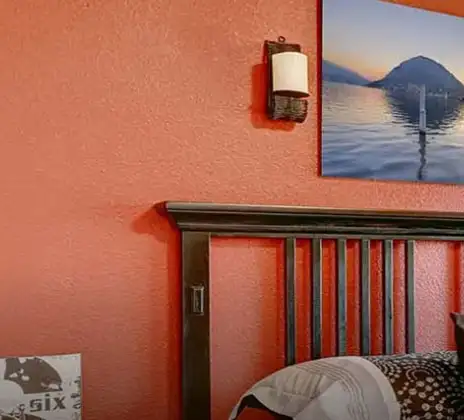
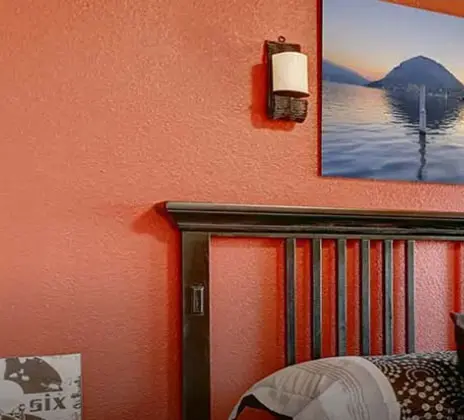
Don't we all desire a space where we can be comfortable in our own skin and be the best we can be? Nude colour inspires that feeling of freedom. To go our own way and make our own rules. Likewise, you decide what goes with Nude within your home. Pick your own pairings and make this colour your own.
Disclaimer: Actual wall paint colour applied may differ from the on-screen representation above. Please confirm your colour choices prior to purchase by viewing a physical colour shade card or a painted sample.
Still confused ? Explore all our shades from our colour catalogue
Paint your life's canvas with our painting experts
Fill the form below to book a free site evaluation by Nerolac Express Painting Service expert
Trending Colour Shades
Find the Perfect Colour Shades for you walls
Products in this shade
Browse through our wide range of paints to find the one that accentuates your home's beauty
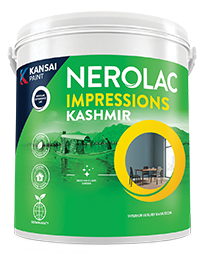
Impressions Kashmir
Nerolac Impressions Kashmir Luxury Emulsion is a superior quality 100% acrylic emulsion based interi...
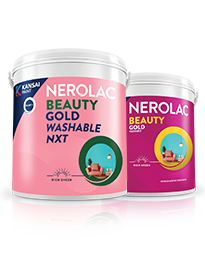
Beauty Gold washable and Beauty Gold Washable NXT
Nerolac Beauty Gold Washable paint has a soft sheen finish, with excellent stain-cleanability at an a...
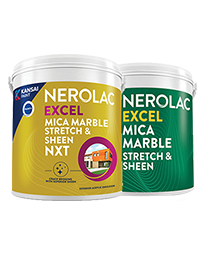
Neroalc Excel Mica Marble Strech Sheen & Mica Marble Stretch Sheen NXT
Nerolac Excel Mica marble stretch sheen Nxt & Mica Marble Strech Sheen is an extremely durable water...
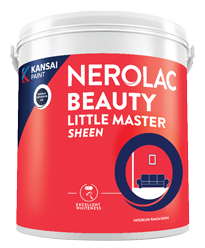
Beauty Little Master Sheen
Nerolac Beauty Little Master Sheen is an Economy Interior Wall Emulsion with very good sheen, smooth...
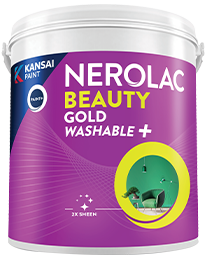
Beauty Gold Washable Plus
Nerolac Beauty Gold Washable Plus is an interior emulsion paint has a rich sheen finish, with highes...


Find an Expert Painter Near You
Enjoy a holistic painting experience with Nerolac NxtGen Services
About Nude Colour
Nude Colour Designs, Shades & Combinations for Your Home
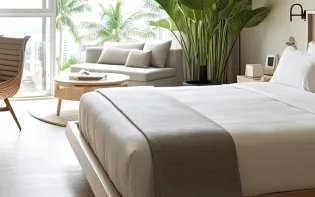
Nude is a skin-inspired neutral that sits at the intersection of beige, blush, and warm greige, but behaves very differently from all three. Rather than asserting itself as a visible colour, nude works through undertone and light interaction. Its presence is subtle, designed to soften a space without announcing itself. Unlike whites or beige colours that create contrast, nude reduces contrast. It blends gently with surrounding materials (wood, stone, fabric, or metal), allowing surfaces to flow into one another. Because of its controlled warmth, nude absorbs and redistributes light softly, which makes walls appear smoother and spaces feel more settled. Nude is typically chosen for interiors meant to age well. It functions as a foundation colour rather than a decorative one, giving flexibility to change furniture, artwork, or accent colours over time. When used correctly, nude does not draw attention to the walls; instead, it creates an interior that feels cohesive, calm, and intentionally understated.Key Characteristics of Nude Colour
1.Undertone-driven neutral behavior
Nude is defined less by hue and more by undertone balance. It typically contains controlled traces of red, yellow, or peach colours, which sit beneath a high neutral base. This gives nude its warmth without making the colour visibly pink, beige, or brown colour.2.Medium to high LRV with low contrast output
Most nude shades fall within a 50–70 LRV range, allowing them to reflect light well while avoiding the high contrast of white colour. This creates softly lit interiors where shadows are gentle, and surfaces appear continuous rather than sharply defined.3.Low chroma with high blending capacity
Nude has very low saturation, but unlike off-whites, it blends actively with adjacent colours and materials. This allows furniture, textiles, and architectural details to appear more integrated instead of visually separated from the walls.4.Surface-smoothing visual effect
Because nude diffuses light rather than reflecting it sharply, it visually smooths minor wall imperfections. Edges appear softer, and transitions between walls, ceilings, and trims feel less abrupt.5.Material-responsive colour perception
Nude changes subtly based on what surrounds it. Against wood, it appears warmer; next to stone or concrete, it reads more neutral colours. This responsiveness makes nude highly adaptable but also sensitive to material choices.6.Lighting-adaptive rather than lighting-reactive
Unlike saturated colours, nude does not shift dramatically under different lighting. Instead, it gently absorbs the warmth or coolness of light sources, maintaining balance throughout the day rather than appearing colour-shifted.Practical Uses of Nude Colour
1.Base colour for full-home continuity
Nude works exceptionally well as a base shade across multiple rooms. Because it reduces visual contrast rather than creating it, it allows different spaces to flow into one another smoothly, without visible breaks or colour shifts.2.Spaces with mixed materials and finishes
In rooms that combine wood, stone, metal, fabric, and glass, nude acts as a stabilising layer. It prevents materials from clashing and helps the overall colour palette feel cohesive rather than busy.3.Low-daylight and unevenly lit interiors
Nude performs better than white or beige in rooms with limited or uneven natural light. Its ability to diffuse light softly prevents walls from looking grey, dull, or patchy.4.Modern and minimal interiors
In clean, minimal homes, nude replaces stark whites to add warmth without introducing colour. It softens sharp edges, reduces visual glare, and keeps the space feeling calm and intentional.5.Bedrooms and rest-focused areas
Nude creates a visually quiet backdrop that supports rest. Unlike cooler neutrals, it adds comfort without stimulating the space, making it suitable for bedrooms and relaxation zones.6.Transitional spaces and passages
Corridors, foyers, and staircases benefit from nude’s blending quality. It creates continuity and prevents these areas from feeling disconnected or overly plain.Nude Paint Choices for Your Walls
Nude shades offer a soft, neutral base that feels warm, elegant, and timeless. They sit comfortably between beige and blush tones, making them easy to use across different rooms. The right nude shade depends on the amount of natural light in the space and whether you prefer a lighter, creamier finish or a slightly deeper, grounded look.1.Soft and creamy nude tones
These shades have higher light reflectance and a gentle warmth, making spaces feel open and comfortable without appearing stark.- Beauty Cream: A light, creamy nude that brightens walls while maintaining softness. Beauty Cream colour works well in bedrooms, guest rooms, and compact spaces where visual ease is important.
- Cream Pannacotta: A smooth, balanced nude with controlled warmth. Cream Pannacotta colour shade suits living rooms and everyday spaces, offering a clean, adaptable backdrop that works equally well with light furniture and natural wood finishes.
2.Balanced everyday nude tones
These shades sit at the centre of the nude spectrum, offering warmth without leaning too creamy or too deep.- Labrador Lap: A slightly deeper nude that adds subtle depth while remaining neutral. Labrador Lap colour works well in living room walls and dining areas, particularly in spaces with moderate daylight.
- Sandy Walk: A light, sandy nude with a relaxed, natural feel. Sandy Walk colour is ideal for rooms where you want a neutral base that feels warm and lived-in rather than flat or plain.
3.Warmer and richer nude tones
These shades introduce more warmth and definition while retaining the softness that defines nude colours.- Posy Peach: A nude with a soft peach undertone that adds gentle warmth. Posy Peach colour suitable for bedrooms, dressing areas, or cosy corners where comfort and softness are key.
- Wheat Sandwich: A warmer, grounded nude with a fuller tone. Wheat Sandwich colour works best in larger rooms or well-lit spaces, adding character and depth while remaining understated.
Nude Wall Colour Combinations for Your Home
Nude is a versatile, neutral shade that brings warmth and softness to interior walls without overpowering the space. It works beautifully across different rooms and design styles, making it easy to pair with deeper, earthy tones or muted metallic shades. Use the two colour combinations below to decide where each pairing fits best in your home.| Type of Room / Space | Recommended Combination |
|---|---|
| Living rooms, family rooms, common areas | Nude + Copper Grille (4941) |
| Dining rooms, study rooms, calm workspaces | Nude + Down to Earth (4942) |
| Bedrooms, guest rooms, relaxed spaces | Nude + In the Attic (4962) |
| Lounges, larger rooms, warm interiors | Nude + Bronze Mist (2728) |
1.Nude + Copper Grille Colour Combination
This combination feels warm and welcoming. Copper Grille colour adds a gentle richness to nude walls, giving living spaces a cosy yet refined appearance. It works especially well in family rooms and common areas where you want comfort without heaviness. Pair it with wooden furniture and soft lighting for a balanced look.2.Nude + Down to Earth Colour Combination
A grounded and natural pairing. Down to Earth colour deepens nude walls slightly, creating a calm and composed atmosphere. This combination suits dining room colours and study room walls areas where a sense of focus and quiet elegance is important. It blends beautifully with natural materials and neutral décor.3.Nude + In the Attic Colour Combination
This pairing is soft, subtle, and easy on the eyes. In the Attic colour adds mild contrast while keeping the overall look light and understated. It is ideal for bedrooms and guest rooms where a peaceful, uncluttered feel is preferred. The result is modern, airy, and soothing.4.Nude + Bronze Mist Colour Combination
A richer, more character-filled combination. Bronze Mist brings warmth and depth to nude walls, making larger spaces feel more layered and complete. It works well in lounges and rooms with ample natural light. This pairing looks especially elegant with muted furnishings and warm-toned décor.Best Nude Shades for Accent Walls
Nude shades work especially well when used selectively, as they add warmth and definition without overwhelming the space, especially in accent walls. Depending on the undertone (creamy, sandy, or slightly taupe), each shade creates a different mood. The table below helps you choose the right nude shade based on where and how you plan to use it.| Nude Shade | Best Room / Placement |
|---|---|
| Beauty Cream (4465) | Feature walls in living rooms or common areas where a warm, inviting feel is desired |
| Cream Pannacotta (4515) | Bedrooms and guest rooms for a soft, relaxed look |
| Labrador Lap (4951) | Study rooms or calm workspaces where subtle depth is preferred |
| Sandy Walk (4943) | Hallways or transition spaces that benefit from a light, airy tone |
| Posy Peach (4485) | Corners or small sections where a gentle warmth adds character |
| Wheat Sandwich (4946) | Dining areas or lounges where a grounded, neutral accent works best |
Simple Tips for Using Nude at Home
Nude is an undertone-sensitive neutral, so small design decisions strongly influence how it finally reads on the wall.- Test nude shades next to furniture and flooring, not on an isolated patch. Nude absorbs colour from nearby materials, which can make it appear warmer, cooler, or deeper depending on what surrounds it.
- Avoid pairing nude with stark whites. Softer whites or off-whites allow nude to blend naturally and prevent harsh visual breaks between walls, ceilings, and trims.
- Choose matte or low-sheen finishes. Nude performs best when light is diffused gently, helping walls look smoother and more continuous rather than reflective.
- Use nude to soften architectural transitions. It works particularly well around corners, passageways, and open-plan layouts where you want spaces to flow without obvious colour changes.
- Be mindful of lighting temperature. Warm lighting enhances nude’s comfort, while very cool lighting can flatten its undertones and reduce its depth.
How Nerolac Can Help You Paint Your Walls Nude?
Because it sits between beige, blush, and greige, even small inconsistencies in base shade, surface tone, or lighting can push it in the wrong direction, making it look too pink, too yellow colour, or unexpectedly dull. Nerolac’s professional painting service is designed to control these subtle variables with precision. Through Nerolac’s home painting service, experts evaluate existing materials such as flooring, furniture, and finishes before finalising the nude shade. This ensures the colour aligns with the space rather than reacting unpredictably to surrounding tones. A key challenge with nude is base neutrality. Any unevenness in priming or surface colour can influence how the undertone reads on the wall. Nerolac’s expert painting service ensures consistent surface preparation so the nude shade develops evenly and maintains its intended softness. Finish selection is equally important for nude colours. High sheen can exaggerate undertones, while the wrong application technique can make walls appear patchy. Nerolac’s professional painting service helps achieve a smooth, matte or low-sheen finish that allows nude to diffuse light naturally and appear refined. By choosing Nerolac’s end-to-end painting service, nude is treated as a precision neutral (not a generic beige), resulting in walls that feel cohesive, warm, and intentionally designed. Create a seamless, elegant foundation for your home with nude shades. Book Nerolac’s professional home painting service today and let experts deliver a perfectly balanced, undertone-accurate finish.Plan, Design and Paint Your Walls With Nerolac Tools
Ready to plan your nude makeover? Use the tools below to explore shades, visualise rooms and estimate paint and budget.Colour Visualiser
Use the Nerolac Colour Visualiser to try out different shades and textures from our colour and texture palette on the walls of our ‘room presets.’ You can also see how each colour will look under various lighting conditions, such as natural sunlight, cool white light and warm yellow light, before finalising a shade.Colour Catalogue
Use the Nerolac Colour Catalogue to browse over 1,500 Nerolac wall paint shades. Search by colour name or code, or filter by colour family to quickly discover options that match your décor. Shortlist your favourite shades and pair them with the other Nerolac tools to finalise the perfect colour scheme for your home.Paint Calculator
Use the Nerolac Paint Calculator to estimate the area to be painted and the required paint volume for your décor project. Enter wall dimensions, room count, and preferred product to get an approximate paint quantity and cost, helping you plan your project with greater confidence.Frequently Asked Questions For Nude
What does “nude” mean in interior colour palettes?
In interiors, nude refers to a family of soft, skin-inspired neutrals ranging from beige and blush to warm taupe. These shades feel natural, understated, and quietly elegant.
Why is nude considered a versatile interior colour?
Nude adapts easily to different styles and furnishings. It acts as a visual bridge between warm and cool elements, making it suitable for layered, well-balanced interiors.
How does nude differ from plain beige or cream?
Unlike flat beige or cream, nude has subtle undertones (pink, peach, or grey) that add depth and softness, preventing the space from looking dull or one-dimensional.
What kind of ambience does nude create in a home?
Nude creates a calm, refined ambience. It makes spaces feel warm, comfortable, and cohesive without drawing attention away from furniture or décor.
Can nude be used across an entire home?
Yes. Nude works well as a continuous colour theme across multiple rooms, helping homes feel connected and visually harmonious.
How does nude behave under different lighting?
Nude shades shift gently with lighting. Natural light brings out their softness, while warm artificial light enhances their cosy, inviting quality.
Does nude suit both modern and traditional interiors?
Nude fits seamlessly into both. In modern homes, it enhances clean lines and minimalism; in traditional spaces, it complements texture, detailing, and craftsmanship.
What materials elevate nude interiors?
Natural materials such as wood, stone, linen, cane, and subtle metallic accents elevate nude, adding depth and interest without overpowering the palette.
Is nude a safe choice for long-term interior design?
Yes. Nude has a lasting appeal because it is neither trend-driven nor visually demanding, making it suitable for long-term living spaces.
Can nude interiors still feel layered and interesting?
Absolutely. Using variations of nude tones, textures, and finishes creates depth while maintaining a cohesive and sophisticated look.
Create magic with our inspiring Two Colour Combinations!
-
Orange And Lilac Colour Combination
-
Red And Brown Colour Combination
-
Yellow And Blue Colour Combination
-
Yellow And Green Colour Combination
-
Yellow And Orange Colour Combination
-
Yellow And Red Colour Combinations
-
Orange And Brown Colour Combination
-
Orange And Gold Colour Combination
-
Orange And Grey Colour Combination
-
Orange And Cream Colour Combination
-
Orange And Peach Colour Combination
-
Orange and Red Colour Combination
-
Orange And Purple Colour Combination
-
Orange And Pink Colour Combination
-
Orange And White Colour Combination
-
Orange And Neutral Colour Combination
-
Orange And Beige Colour Combination
-
Orange And Violet Colour Combination
-
Orange And Blue Colour Combination
-
Orange And Green Colour Combination
Latest Happenings in the Paint World
Get some inspiration from these trending articles
Get in Touch
Looking for something else? Drop your query and we will contact you.
Popular Searches
What’s Trending in Bedrooms
Explore Trending Living Room Ideas
- Living Room Colour Combination
- Modern Two Colour Combination for Living Room
- Wall Texture for Living Room
- Vastu Colours for Living Room
- Wall Texture Design for Living Room
- Living Room Paint Ideas
- Living Room Design Ideas
- Paint Colour Ideas for Living Room
- Living Room TV Wall Designs
- Green Living Room Walls
Kitchen Ideas People Love
Explore Trending Ceiling Ideas
Study Room Ideas in Demand
Explore Wall Paint Categories
Handpicked Colour Inspirations
- Accent Wall Design
- Bedroom Design Ideas
- Exterior Wall Colour Design Ideas
- Interior Wall Colour Design Ideas
- Kitchen Design Ideas
- Living Room Interior Design
- Geometric Wall Design Ideas
- Home Colour Combination Ideas
- Home Décor Ideas
- Mural Wall Paint Design Ideas
- Office Space Design Ideas
- Puja Room Design Ideas
- Texture Design Ideas
- Festival Painting Ideas
- Paint Colour Chart
- Wall Painting Designs
- Wood Wall Décor Ideas
- Mural Wall Paint Design
- Hall Design Ideas
- Gate Colour Design
- Exterior Wall Colour Design
- Door Colour Design Ideas
-
 Get in Touch
 -
Store Locator
-
 Download App
×
Get in Touch
Looking for something else? Drop your query and we will contact you.

