

Turquoise Colour
Turquoise
Colour code - 04307
A surreal infusion of pale blue, green, and a hint of yellow, Turquoise colour is an uplifting hue. Like the womb of an ocean, which is filled with mysteries exhibiting liveliness, serenity, and tranquillity.
It's a kind of comfortable space for all the chaos of the universe. Painting the walls of your home with Turquoise colour will accentuate the pace quotient of your living space, instantly.
The mysticism of Turquoise intensifies when complemented with shades of royal blue, neon green, and bright orange.
Disclaimer: Actual wall paint colour applied may differ from the on-screen representation above. Please confirm your colour choices prior to purchase by viewing a physical colour shade card or a painted sample.
Still confused ? Explore all our shades from our colour catalogue
Paint your life's canvas with our painting experts
Fill the form below to book a free site evaluation by Nerolac Express Painting Service expert
Trending Colour Shades
Find the Perfect Colour Shades for you walls
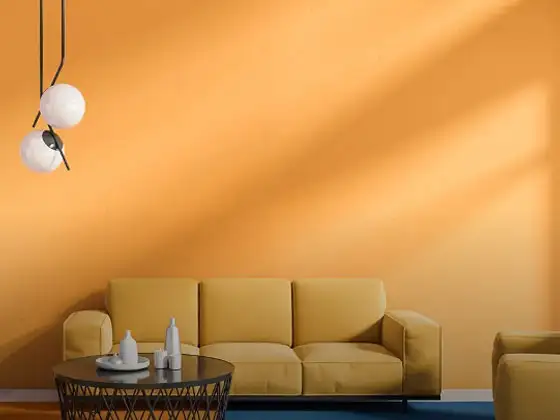
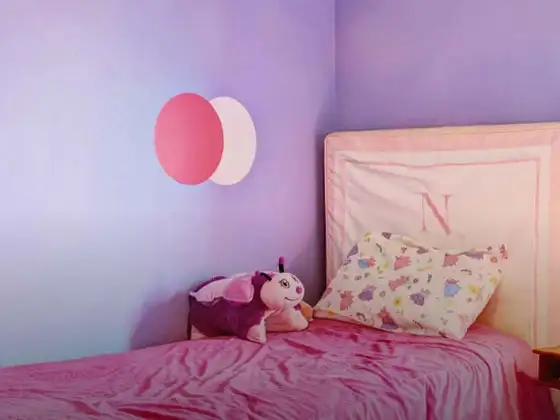
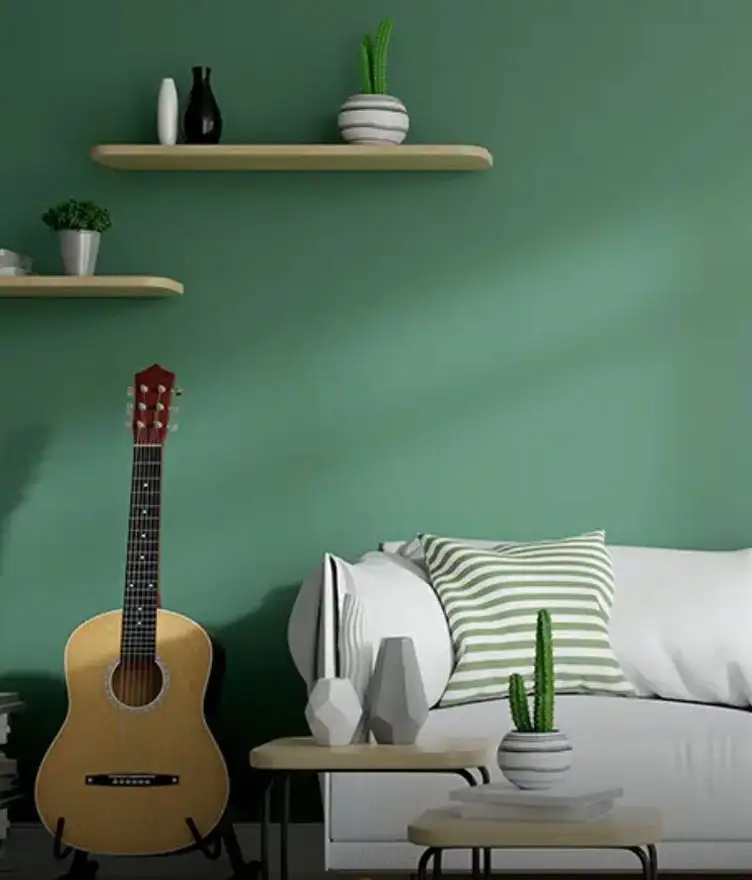
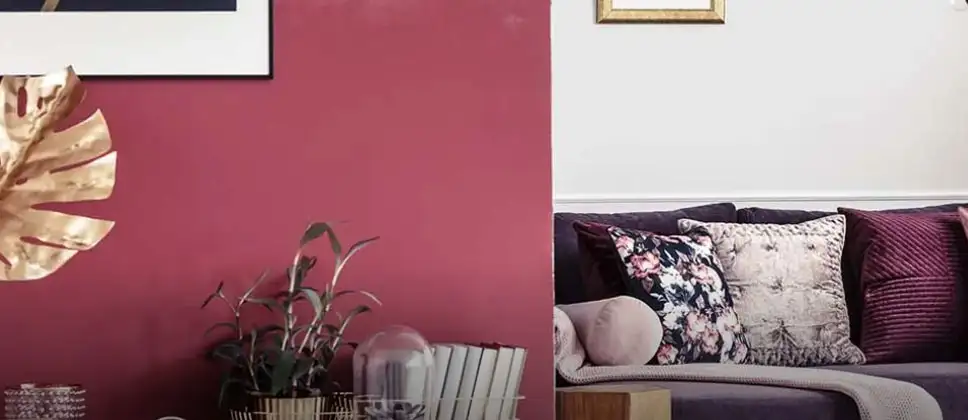
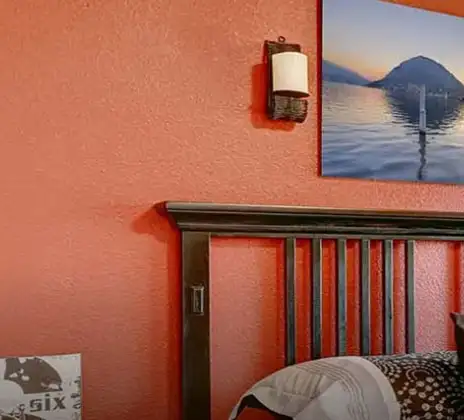
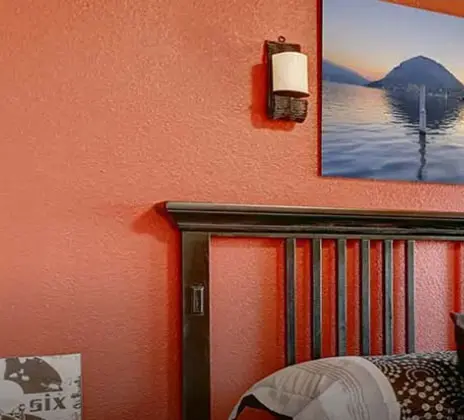
Products in this shade
Browse through our wide range of paints to find the one that accentuates your home's beauty
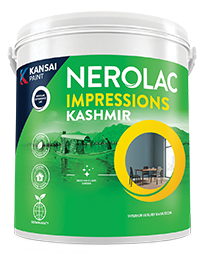
Impressions Kashmir
Nerolac Impressions Kashmir Luxury Emulsion is a superior quality 100% acrylic emulsion based interi...
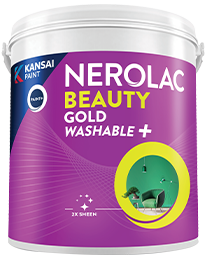
Beauty Gold Washable Plus
Nerolac Beauty Gold Washable Plus is an interior emulsion paint has a rich sheen finish, with highes...
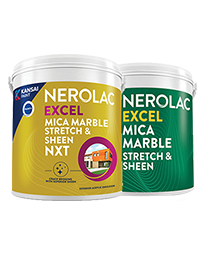
Neroalc Excel Mica Marble Strech Sheen & Mica Marble Stretch Sheen NXT
Nerolac Excel Mica marble stretch sheen Nxt & Mica Marble Strech Sheen is an extremely durable water...
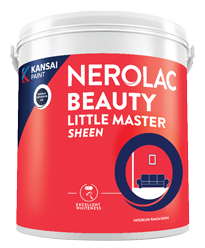
Beauty Little Master Sheen
Nerolac Beauty Little Master Sheen is an Economy Interior Wall Emulsion with very good sheen, smooth...

Beauty Gold washable and Beauty Gold Washable NXT
Nerolac Beauty Gold Washable paint has a soft sheen finish, with excellent stain-cleanability at an a...


Find an Expert Painter Near You
Enjoy a holistic painting experience with Nerolac NxtGen Services
About Turquoise Colour
Turquoise Colour Designs, Shades & Combinations for Your Home
Turquoise is a colour that undeniably brings the freshness of Nature and the calm of the sea to anyhome. It falls between blue and green on the colour wheel. Whether you opt for a muted pastel shade or a statement jewel tone, turquoise colour has character in abundance. This flexible colour can be used in living rooms, bedrooms, kitchens and bathrooms and creates a soft, warm energy to any space. It looks great with neutrals like white, beige and grey, but also pops against warm wood tones or delicate metallic accents.
Key Characteristics of Turquoise Colour
Great for Private & Social Areas
Turquoise is positioned between blue and green, delivering the tranquillity of blue along with the warmth of green colour. That balance makes it a good fit in both private and social areas of the home.Highly versatile in design
Turquoise colour shades blend into a variety of home styles. It can be modern and sleek, warm and traditional and even creative and eclectic. The same shade can feel soft in one room and bold in another, depending on what kind of furniture, lighting and other decor is surrounding it.Reflects light beautifully
Turquoise naturally bounces light around a space, which helps rooms feel brighter. In smaller homes, this quality can make walls appear more open and airy. Even spaces with limited daylight benefit from the gentle glow this colour brings.Feels close to nature
Turquoise often reminds people of clear skies and coastal waters. Because of this natural connection, it brings a fresh outdoor feeling inside the home. Rooms painted in turquoise tend to feel more relaxed and grounded.Creates an uplifting mood
The turquoise colour different shades offer a friendly and positive presence. It can lift the mood of a space without being loud or tiring on the eyes. Many people find that it makes everyday areas feel warmer, more comfortable, and easier to spend time in.
Practical Uses of Turquoise Colour
Accent wall for living rooms
A turquoise accent wall instantly becomes the focal point of the living room. It adds depth without overpowering the space and works well behind the sofa or television unit. Pairing it with neutral furniture keeps the look balanced and inviting.Calming bedroom backdrop
Softer turquoise shades of colour create a peaceful atmosphere in bedrooms. Using it on the wall behind the bed helps set a relaxing tone, perfect for unwinding after a long day. It blends beautifully with light curtains and wooden furniture.Fresh look for kitchens
Turquoise walls can brighten up kitchens and dining areas. The colour brings a clean and cheerful feel, especially when combined with white cabinets or open shelves. It makes everyday cooking spaces feel more lively.Cheerful children’s rooms
Turquoise is a vibrant colour for a children’s bedroom or study area. It promotes creativity and concentration without getting too loud. It is the shade that grows up with a child and doesn’t feel kiddish as they get older.Welcoming entryways and corridors
Applying turquoise at entries and in hallways makes a warm first impression. The colour brings light into tight corridors and makes the home feel more open and inviting as soon as you step inside.
Turquoise colour is mainly used for interior walls, but in controlled architectural use it can also work for exterior feature elements such as balcony highlights, entry walls, or shaded façades.
Turquoise Paint Choices for Your Walls
Turquoise blends the cooling side of blue with green’s appeal. The shade you select can set the mood in a room, from warm and relaxing to bright and energetic. Keep in mind the size of the room, natural light and what kind of atmosphere you want to set up. The right pick from the different turquoise colour shades can make walls appear welcoming and full of personality.
A Soft Medium Turquoise with Coastal Warmth
A soft medium turquoise brings colour without feeling overpowering. It sits between playful and elegant, making it easy to use in everyday spaces.
- Santorini Seaside: This shade works well when you want colour that feels friendly rather than formal. It suits family seating areas or open layouts. The tone matches the tone of everyday items like photo frames, indoor plants and mixed furniture styles.
A Light Pastel Turquoise with Airy Freshness
Light pastel turquoise keeps rooms open and relaxed, almost like a gentle neutral with colour.
- Reservoir Blue: It suits bedrooms and study areas where a calm backdrop is needed. It works smoothly with cream fabrics and light wood, helping smaller spaces feel brighter.
A Rich and Vibrant Deep Turquoise
Deep turquoise creates a confident, stylish statement on walls.
- Clouded Sky: It is ideal for a feature wall in modern interiors. It pairs neatly with neutral sofas and metallic accents, giving the room a fresh and contemporary look.
Turquoise Wall Colour Combinations for Your Home
Turquoise becomes easier to use when you treat it as the main personality of the room and let one supporting shade complete the look. Think of the ceiling and trims as the quiet background, while the second colour adds direction and balance.
With the right pairing, shades in turquoise colour can feel calm in bedrooms, fresh in living areas or lively in dining spaces without appearing overdone. Here are four simplecolour combinations matched to common spaces in the home:
| Room / Space | Recommended Colour Combination |
|---|---|
| Living room (feature wall or TV wall) | Turquoise + Clear Skies - 4262 |
| Master bedroom (headboard wall) | Turquoise + Firozi - 02655 |
| Study or home office | Turquoise + Galaxy - 4287 |
| Dining area (accent wall) | Turquoise + China Silk - 2466 |
Turquoise + Clear Skies Colour Combination
Clear skies colour gently softens turquoise and gives living rooms a calm, everyday comfort. Use turquoise on the main wall and paint the surrounding surfaces with Clear Skies to keep the look open. This turquoise colour combination suits spaces where the family spends long hours, as it feels bright in daylight and restful after sunset.
Turquoise + Firozi Colour Combination
Firozicolourblends naturally with turquoise and creates a layered, peaceful bedroom setting. It works well around the headboard wall or dressing corner. This helps add depth without making the room feel dark. The two shades together give a cosy, personal feel that still looks fresh each morning.
Turquoise + Galaxy Colour Combination
Galaxy colour introduces a modern contrast that fits study rooms and home offices. The mix keeps the space focused yet lively, which is helpful for long working hours. Pair it with simple furniture and tidy shelves so the walls provide character without distraction.
Turquoise + China Silk Colour Combination
China silk colour adds warmth and balance to turquoise. It suits dining areas, and the combination feels welcoming during meals and special occasions alike. Soft lighting and minimal patterns can make this pairing turn the dining corner into a cheerful gathering spot.
Best Turquoise Shades for Accent Walls
Many wonder how do you make turquoise colour the key highlight in a room. The answer is using it on accent walls. Accent walls are a simple way to enjoy turquoise without covering the entire room. They let the colour stand out while the rest of the space stays light and balanced. This approach is especially helpful in apartments or smaller homes where full turquoise walls might feel too strong.
When choosing a turquoise shade for an accent wall, pick the surface that receives steady light and has minimal interruptions, such as doors or windows. A good turquoise colour contrast shows the true beauty of the colour and keeps the look clutter-free rather than busy.
| Shade | Accent-wall location |
|---|---|
| Clouded Sky | Living room TV wall |
| Santorini Seaside | Bedroom headboard wall |
| Reservoir Blue | Study wall behind the desk |
Simple Tips for Using Turquoise at Home
Turquoise can look beautiful in any home when it is used with a little thought and balance. The colour is lively on its own, so a few simple choices can help it feel comfortable rather than overwhelming. Whether you are painting one wall or an entire room, these easy tips will help you make the most of turquoise in everyday spaces.
- Start with one wall first to see how the shade behaves in your lighting before painting the full room.
- For anyone wondering how to make turquoise colour look balanced, pair it with neutral colours like white, cream, or light grey to keep the space calm.
- Use soft furnishings such as cushions or rugs to echo the colour in a subtle manner.
- Opt for lighter turquoise colours in smaller rooms to keep things airy.
- Choose uncomplicated finishes for furniture so the wall colour is still the star of the show.
- If you are wondering how to create turquoise colourand build aharmonious ambience at home, focus on using similar tones through furniture, fabrics, and accents.
How Nerolac Can Help You Paint Your Walls Turquoise
Turquoise can sometimes appear uneven if the wall surface is not properly prepared or if the lighting in the room is not considered before painting. Deeper turquoise shades, in particular, need careful application so the colour looks smooth and consistent rather than patchy.
Nerolac Painting Services supports the entire painting journey, from an at-home inspection to final finishing. The service includes expert colour guidance, trained and certified painters, and modern visualisation tools that help you see how turquoise will look in your actual room. This makes it easier to choose the right tone without relying only on imagination.
If you are unsure about selecting the perfect turquoise, begin by narrowing down two close shades and checking them with a physical shade card or a small painted sample. Nerolac suggests this step because turquoise can change noticeably between screen display and real wall finish.
Plan, Design and Paint Your Walls With Nerolac Tools
Ready to plan your turquoise wall colour makeover? Use the tools below to explore shades, visualise rooms and estimate paint and budget.
Colour Visualiser
Use the Nerolac Colour Visualiser to try out different shades and textures from our colour and texture palette on the walls of our ‘room presets.’ You can also see how each colour will look under various lighting conditions, such as natural sunlight, cool white light and warm yellow light, before finalising a shade.
Colour Catalogue
Use the Nerolac Colour Catalogue to browse over 1,500 Nerolac wall paint shades. Search by colour name or code, or filter by colour family to quickly discover options that match your décor. Shortlist your favourite shades and pair them with the other Nerolac tools to finalise the perfect colour scheme for your home.
Paint Calculator
Use the Nerolac Paint Calculator to estimate the area to be painted and the required paint volume for your décor project. Enter wall dimensions, room count, and preferred product to get an approximate paint quantity and cost, helping you plan your project with greater confidence.
Frequently Asked Questions For Turquoise
What colour goes with turquoise walls?
Turquoise walls will match well with light shades of pink, blue, brown or yellow. Since turquoise combines the soothing appeal of blue and green, it can have a relaxing effect. Choose light shades to balance the stimulating effect of yellow in the turquoise colour.
what is the difference between teal and turquoise?
Turquoise and teal are both colours that combine blue and green. The difference between these colours lies in the proportion of green and blue that combine to make these colours. Turquoise leans towards blue while teal leans towards green on the shade chart.
Is turquoise a warm or cool colour?
Turquoise may be regarded as a warm blue shade because of the undertone of yellow in this colour.
Is turquoise more blue or green?
The Turquoise colour is more blue than green.
Is aqua and turquoise the same color?
Aqua and turquoise are two different colours that are formed by combining blue and green. Aqua has equal proportions of blue and green while the turquoise colour has a greater proportion of green than blue.
What colour curtains go with turquoise walls
You can choose pink, gold, cream, white or brown curtains for rooms with turquoise walls.
Is turquoise a good colour for bedroom?
Turquoise is a good colour for the bedroom if used with suitable contrasting shades for the bedroom fabrics and décor.
Is turquoise closer to blue or green?
Turquoise sits between blue and green, but most shades lean slightly more towards blue. The exact balance depends on the mix of pigments.
Which rooms suit turquoise the most?
This hue is ideal for living rooms, bedrooms and home offices that need to strike the perfect balance of calm and happy. It’s also ideal for dining areas looking to update their look with an inviting feel.
Can turquoise be used in homes with wooden furniture?
A turquoise colour palette pairs naturally with wooden finishes, especially light teak and warm walnut tones. The colour highlights the grain of the wood and keeps the room looking balanced and cosy.
What finish works best with turquoise walls?
A matte or soft sheen finish usually looks best with turquoise because it keeps the colour gentle and elegant. Glossy finishes can reflect too much light and make the shade appear sharper than expected.
How can I avoid turquoise looking too bright?
You can tone down the different types of turquoise colour shades by combining them with white trims, neutral curtains, and simple décor. Choosing a matte finish instead of a glossy one also softens the overall look.
Can turquoise be used in kitchens?
Turquoise can brighten kitchens when used on one wall or as a backdrop to white cabinets. It adds freshness without making the space feel too busy or crowded.
Is turquoise a luxury colour?
Turquoise is often seen as a luxury colour because it has long been linked with precious stones, art and heritage design. The shade adds richness to interiors. It gives rooms a refined and tasteful look.
Create magic with our inspiring Two Colour Combinations!
-
Orange And Lilac Colour Combination
-
Red And Brown Colour Combination
-
Yellow And Blue Colour Combination
-
Yellow And Green Colour Combination
-
Yellow And Orange Colour Combination
-
Yellow And Red Colour Combinations
-
Orange And Brown Colour Combination
-
Orange And Gold Colour Combination
-
Orange And Grey Colour Combination
-
Orange And Cream Colour Combination
-
Orange And Peach Colour Combination
-
Orange and Red Colour Combination
-
Orange And Purple Colour Combination
-
Orange And Pink Colour Combination
-
Orange And White Colour Combination
-
Orange And Neutral Colour Combination
-
Orange And Beige Colour Combination
-
Orange And Violet Colour Combination
-
Orange And Blue Colour Combination
-
Orange And Green Colour Combination
Latest Happenings in the Paint World
Get some inspiration from these trending articles
Get in Touch
Looking for something else? Drop your query and we will contact you.
Popular Searches
What’s Trending in Bedrooms
Explore Trending Living Room Ideas
- Living Room Colour Combination
- Modern Two Colour Combination for Living Room
- Wall Texture for Living Room
- Vastu Colours for Living Room
- Wall Texture Design for Living Room
- Living Room Paint Ideas
- Living Room Design Ideas
- Paint Colour Ideas for Living Room
- Living Room TV Wall Designs
- Green Living Room Walls
Kitchen Ideas People Love
Explore Trending Ceiling Ideas
Study Room Ideas in Demand
Explore Wall Paint Categories
Handpicked Colour Inspirations
- Accent Wall Design
- Bedroom Design Ideas
- Exterior Wall Colour Design Ideas
- Interior Wall Colour Design Ideas
- Kitchen Design Ideas
- Living Room Interior Design
- Geometric Wall Design Ideas
- Home Colour Combination Ideas
- Home Décor Ideas
- Mural Wall Paint Design Ideas
- Office Space Design Ideas
- Puja Room Design Ideas
- Texture Design Ideas
- Festival Painting Ideas
- Paint Colour Chart
- Wall Painting Designs
- Wood Wall Décor Ideas
- Mural Wall Paint Design
- Hall Design Ideas
- Gate Colour Design
- Exterior Wall Colour Design
- Door Colour Design Ideas
-
 Get in Touch
 -
Store Locator
-
 Download App
×
Get in Touch
Looking for something else? Drop your query and we will contact you.

