

Grape Colour
Grape
Colour code - 02328
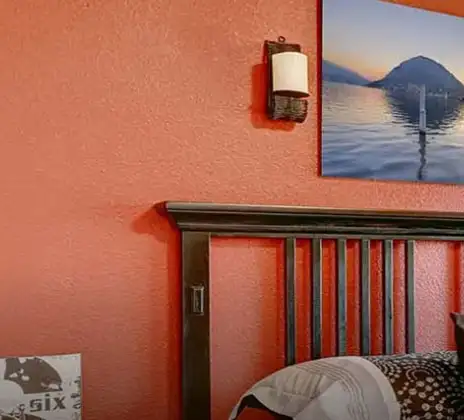
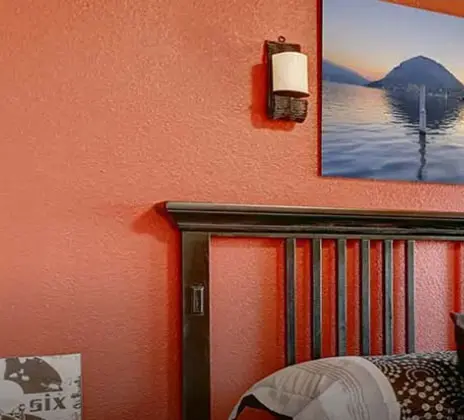
A royal colour that has the magic of moonlight. Grape colour is a perfect blend of two great shades which is hard to look away from.
It adds light to space and lifts up spirits almost instantly. It will sweep you away with its charm. A timeless shade that creates a dramatic environment and surrounds you with its invigorating energy. The aristocracy and regality of this splendid colour are truly unmatchable!
For best results, pair Grape with burgundy, soft pinks and subtle yellows.
Disclaimer: Actual wall paint colour applied may differ from the on-screen representation above. Please confirm your colour choices prior to purchase by viewing a physical colour shade card or a painted sample.
Still confused ? Explore all our shades from our colour catalogue
Paint your life's canvas with our painting experts
Fill the form below to book a free site evaluation by Nerolac Express Painting Service expert
Trending Colour Shades
Find the Perfect Colour Shades for you walls
Products in this shade
Browse through our wide range of paints to find the one that accentuates your home's beauty
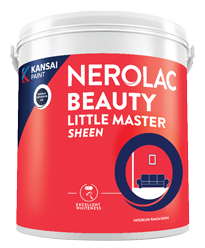
Beauty Little Master Sheen
Nerolac Beauty Little Master Sheen is an Economy Interior Wall Emulsion with very good sheen, smooth...
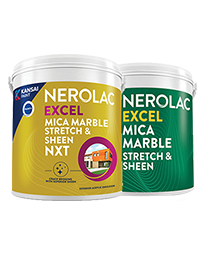
Neroalc Excel Mica Marble Strech Sheen & Mica Marble Stretch Sheen NXT
Nerolac Excel Mica marble stretch sheen Nxt & Mica Marble Strech Sheen is an extremely durable water...
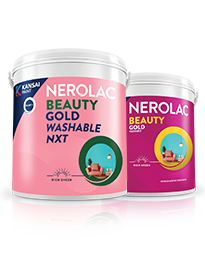
Beauty Gold washable and Beauty Gold Washable NXT
Nerolac Beauty Gold Washable paint has a soft sheen finish, with excellent stain-cleanability at an a...
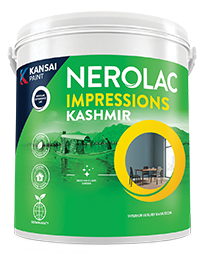
Impressions Kashmir
Nerolac Impressions Kashmir Luxury Emulsion is a superior quality 100% acrylic emulsion based interi...
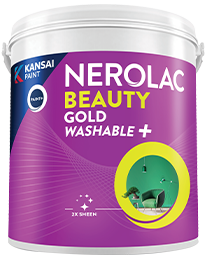
Beauty Gold Washable Plus
Nerolac Beauty Gold Washable Plus is an interior emulsion paint has a rich sheen finish, with highes...


Find an Expert Painter Near You
Enjoy a holistic painting experience with Nerolac NxtGen Services
About Grape Colour
Grape Colour Designs, Shades & Combinations for Your Home
Grape colour is a rich, purple-based shade that appears between red colour and blue on the colour wheel, which is why it can look warm, cool, or balanced depending on the undertone. In home interior walls, it is often associated with depth, comfort, personality, and a more polished visual finish. It brings colour into a room without looking as bright as pink colour or as dark as deep plum colour. That makes it useful for people who want something noticeable but still easy to style. In the right room, grape can feel soft, elegant, and well put together without appearing too sharp or too heavy.Key Characteristics of Grape Colour
It Has Depth Without Looking Flat
One of the main strengths of grape is that it carries colour clearly, but it still feels layered. On a wall, it usually looks fuller than a plain purple colour because the shade often has a muted undertone built into it.Changes With Light
Grape can look lighter in natural daylight and richer under warm evening lighting. This is one reason why sample testing matters before painting a full room.Works Across Soft and Strong Interiors
Some grape colour shades feel gentle and powdery, while others are deeper and more dramatic. That range makes the colour useful for both calm rooms and more defined feature walls.Pairs Well with Many Neutrals
This shade aligns comfortably with off-white, beige, grey, wood tones, and white colour. It also works with black colour accents when you want the room to look more structured.Practical Uses of Grape Colour
Bedrooms With a Softer Feature Wall
The grape hue is often a good choice behind the headboard because it adds depth without making the whole room feel dark. It works especially well with light bedding and soft curtains.Living Rooms That Need a Focal Point
A single grape wall behind a sofa or console can bring order to the room. It gives the space more identity while keeping the rest of the walls calm.Dining Areas That Need Warmth and Definition
This colour suits dining corners and formal dining room walls because it gives the wall more presence. It also looks good with wood furniture, upholstered chairs, and simple lighting.Study Rooms and Reading Corners
Grape colour different shades can work well in smaller work zones where you want a quieter mood. A muted version is usually better than a very dark one in these spaces.Guest Rooms and Vanity Areas
This is also a useful colour for rooms that should feel neat and slightly dressed up. Used in moderation, it can make a small space look comfortable.Grape Paint Choices for Your Walls
Before choosing the final wall shade, it is a good idea to study the room properly. Look at how much daylight the room receives, what colour the floor is, and whether the furniture is light or dark. Grape can shift more than expected once it is painted across a full wall, so this stage should not be rushed. When people compare grape shades of colour, the biggest difference is usually the undertone. Some options feel softer and pinker, while others are slightly plum or blue colour. That small difference changes the mood of the room more than most people expect. Choose from the following directions based on the type of finish you want:Light And Softer Tones
- Mon Cher: It is a good option for rooms where you want grape to feel gentle rather than intense. Mon Cher colour works well in bedrooms, dressing areas, and small guest rooms.
Balanced And Everyday Tones
- Rum Rasin: It gives a steadier middle tone that can suit both living rooms and bedrooms. Rum Rasin colour is noticeable, but still easy to manage with neutral colour furniture and simple décor.
Richer And Deeper Tones
- Wisteria Wish: It works better when you want a stronger statement. Wisteria Wish colour is useful on feature walls, especially in rooms where the lighting is good, and the rest of the space stays controlled.
Grape Wall Colour Combinations for Your Home
A thoughtful grape colour combination or two colour combinations can make a room feel complete without making it look overloaded. Since grape already has visual presence, it usually works best when paired with one supporting tone instead of several competing shades.| Room/space | Recommended Colour Combination |
| Living room | Grape + Mythical - 4880 |
| Master bedroom | Grape + Gentle Wave - 4840 |
| Dining area | Grape + Royal Purple - 4893 |
| Study room | Grape + Amethystos - 4177 |
| Guest room | Grape + Gentle Wave - 4840 |
| Vanity corner | Grape + Mythical - 4880 |
1. Grape + Mythical Colour Combination
This pairing works well in living room walls where you want the room to feel refined but not too dark. Mythical colour supports grape with a calm, slightly fuller tone that keeps the look coordinated.2. Grape + Gentle Wave Colour Combination
Gentle Wave colour is useful in bedrooms because it softens the overall scheme. It helps the grape colour stay comfortable and easy to live with, especially when the bedding and ceiling are light.3. Grape + Royal Purple Colour Combination
Royal Purple colour gives the room more strength and more visible colour depth. This is better suited to dining spaces or controlled feature areas where you want a stronger finish.4. Grape + Amethystos Colour Combination
Amethystos colour works nicely in reading corners or study room walls. It supports the grape without making the room too heavy and can help the wall feel more polished.Best Grape Shades for Accent Walls
Accent walls are one of the easiest ways to use grape successfully. They allow you to enjoy the richness of the colour without reducing the brightness of the whole room. In many homes, one wall in grape is enough to make the room feel more finished. When you compare different grape colour shades for an accent wall, choose the wall that naturally draws attention. That may be the wall behind the bed, behind the sofa, or around a dining console.| Colour | Location |
| Gentle Wave | Behind the bed |
| Mythical | Behind the sofa |
| Royal Purple | Dining wall |
| Amethystos | Reading corner |
Simple Tips for Using Grape at Home
Grape looks best when the rest of the room is kept balanced. Because it is not a flat neutral, the supporting materials matter. Flooring, curtains, lamps, furniture finish, and even metal hardware can change how the wall finally appears. If you are unsure where to begin, start by choosing the undertone first. That is usually the easiest way to narrow down the options before testing samples. Here are a few practical tips that feel different from the usual advice:- Use grape in rooms with some visual break, such as windows, wardrobes, panelling, or shelving, so the colour does not sit as one large, uninterrupted block.
- If the room has warm wood flooring, pick a softer grape rather than a very blue-toned one.
- Pair the walls with plain curtains instead of printed fabrics if you want the room to feel cleaner.
- Use soft brass, muted gold, or matte black in smaller details if you want a more defined finish.
How Nerolac Can Help You Paint Your Walls Grape?
Grape is a high-depth wall colour, so the finish depends greatly on how the wall is prepared before painting starts. If the base is uneven or if the coats are rushed, the colour can look patchy or inconsistent. Nerolac’s professional home painting service helps reduce these issues by planning the work properly from the beginning. The wall condition, room size, natural light, and room use are checked before a suitable grape shade is recommended. Another important part of the process is building a smooth and even base. Proper levelling and priming help reduce roller marks, streaks, and visible variation across the wall.Plan, Design, and Paint Your Walls with Nerolac Tools
Ready to plan your bottle green colour combinations makeover? Use the tools below to explore shades, visualise rooms and estimate paint and budget.Colour Visualiser
Use the Nerolac Colour Visualiser to try out different shades and textures from our colour and texture colour palette on the walls of our ‘room presets.’ You can also see how each colour will look under various lighting conditions, such as natural sunlight, cool white light and warm yellow colour light, before finalising a shade.Colour Catalogue
Use the Nerolac Colour Catalogue to browse over 1,500 Nerolac wall paint shades. Search by colour name or code, or filter by colour family to quickly discover options that match your décor. Shortlist your favourite shades and pair them with the other Nerolac tools to finalise the perfect colour scheme for your home.Paint Calculator
Use the Nerolac Paint Calculator to estimate the area to be painted and the required paint volume for your décor project. Enter wall dimensions, room count, and preferred product to get an approximate paint quantity and cost, helping you plan your project with greater confidence.Frequently Asked Questions For Grape
What colour goes with grape walls?
Grape walls compliment shades of pink, blues, white, cream and soft yellows.
Is grape colour warm or cool?
Grape colour has a stronger shade of purple to it, making it a cool colour.
Is grape a good colour for a bedroom?
Yes, grape colour is a good colour for kids' bedrooms and master bedrooms with its vivaciousness and royal tones.
Is grape a neutral colour?
No, grape colour is not a neutral colour.
What colour curtains go with grape painted walls?
Grape painted walls can adorn curtains in colours of white, burgundy, yellow, light pink and cream.
How do you style furniture in a room with grape walls?
Since grape colour is a vivid colour, furniture in neutral tones, golden décor accents and white touches of trims work well in most spaces.
Can I use grape colour in a living room?
Yes, grape colour is a vivid colour to envelope living room walls with other neutral combinations.
Is grape colour the same as purple colour?
No, grape colour is not the same as purple colour but it has a mix of blue, purple and violet tones.
What colours combine to make Grape?
A grape colour palette is usually created by starting with purple and then adjusting it with small amounts of red, blue, grey, or brown, depending on the finish you want. If you want a softer wall-ready result, muting the purple slightly often gives a more usable grape tone.
What colour ceiling goes well with grape walls?
A white or soft off-white ceiling paint is usually the safest option. It keeps the room bright and gives the walls a cleaner edge.
Will the grape hue make my room dark?
It can, but mostly when a deeper version is used on all four walls in a room with limited light. A softer version or a single feature wall usually keeps the room balanced.
Can I use grape colour in a kitchen?
Yes, but it is better in moderation. A breakfast wall, a dining corner, or one selected kitchen wall usually works better than full coverage.
Can grape colour be used with limited natural light?
Yes, but choose lighter or more muted types of grape colour shades if the room is dim. Good layered lighting and a bright ceiling help a lot.
Create magic with our inspiring Two Colour Combinations!
-
Orange And Lilac Colour Combination
-
Red And Brown Colour Combination
-
Yellow And Blue Colour Combination
-
Yellow And Green Colour Combination
-
Yellow And Orange Colour Combination
-
Yellow And Red Colour Combinations
-
Orange And Brown Colour Combination
-
Orange And Gold Colour Combination
-
Orange And Grey Colour Combination
-
Orange And Cream Colour Combination
-
Orange And Peach Colour Combination
-
Orange and Red Colour Combination
-
Orange And Purple Colour Combination
-
Orange And Pink Colour Combination
-
Orange And White Colour Combination
-
Orange And Neutral Colour Combination
-
Orange And Beige Colour Combination
-
Orange And Violet Colour Combination
-
Orange And Blue Colour Combination
-
Orange And Green Colour Combination
Latest Happenings in the Paint World
Get some inspiration from these trending articles
Get in Touch
Looking for something else? Drop your query and we will contact you.
Popular Searches
What’s Trending in Bedrooms
Explore Trending Living Room Ideas
- Living Room Colour Combination
- Modern Two Colour Combination for Living Room
- Wall Texture for Living Room
- Vastu Colours for Living Room
- Wall Texture Design for Living Room
- Living Room Paint Ideas
- Living Room Design Ideas
- Paint Colour Ideas for Living Room
- Living Room TV Wall Designs
- Green Living Room Walls
Kitchen Ideas People Love
Explore Trending Ceiling Ideas
Study Room Ideas in Demand
Explore Wall Paint Categories
Handpicked Colour Inspirations
- Accent Wall Design
- Bedroom Design Ideas
- Exterior Wall Colour Design Ideas
- Interior Wall Colour Design Ideas
- Kitchen Design Ideas
- Living Room Interior Design
- Geometric Wall Design Ideas
- Home Colour Combination Ideas
- Home Décor Ideas
- Mural Wall Paint Design Ideas
- Office Space Design Ideas
- Puja Room Design Ideas
- Texture Design Ideas
- Festival Painting Ideas
- Paint Colour Chart
- Wall Painting Designs
- Wood Wall Décor Ideas
- Mural Wall Paint Design
- Hall Design Ideas
- Gate Colour Design
- Exterior Wall Colour Design
- Door Colour Design Ideas
-
 Get in Touch
 -
Store Locator
-
 Download App
×
Get in Touch
Looking for something else? Drop your query and we will contact you.

