

Mehandi Colour
Mehandi
Colour code - 02383
If you're one who loves class, it's about time you lived it. Mehendi is the perfect colour to be the minimalist backdrop to showcase your classy life.
It incites confidence, inspires productivity and challenges you to be more. The slightly darker shade of blue gives off a regal aura, while still staying approachable.
Pair Mehendi colour with blacks and whites or even shades of pink to add a little pop.
Disclaimer: Actual wall paint colour applied may differ from the on-screen representation above. Please confirm your colour choices prior to purchase by viewing a physical colour shade card or a painted sample.
Still confused ? Explore all our shades from our colour catalogue
Paint your life's canvas with our painting experts
Fill the form below to book a free site evaluation by Nerolac Express Painting Service expert
Trending Colour Shades
Find the Perfect Colour Shades for you walls
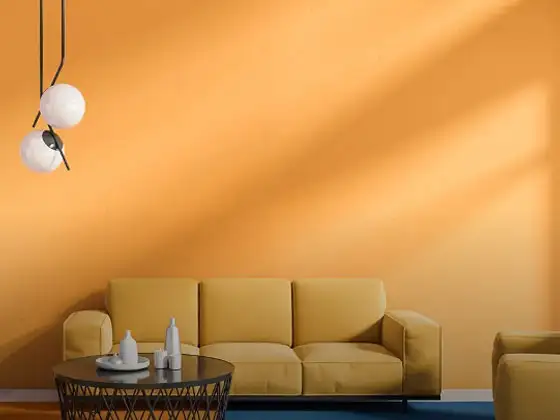
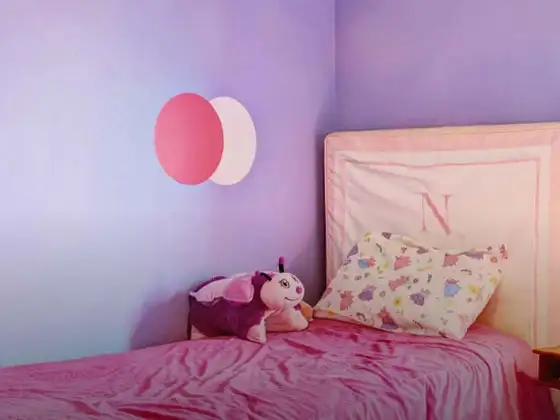
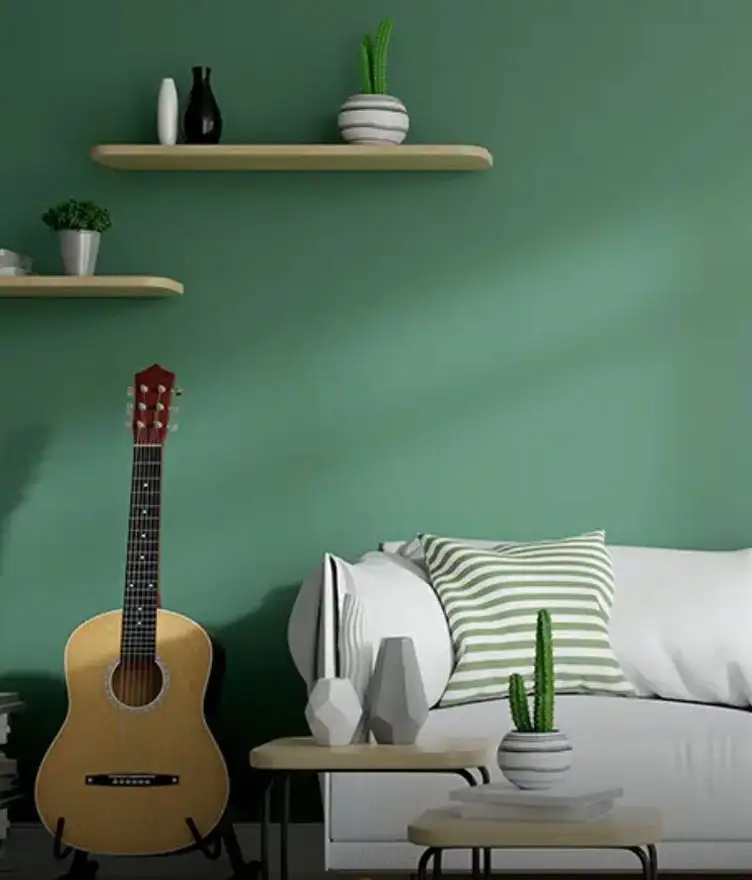
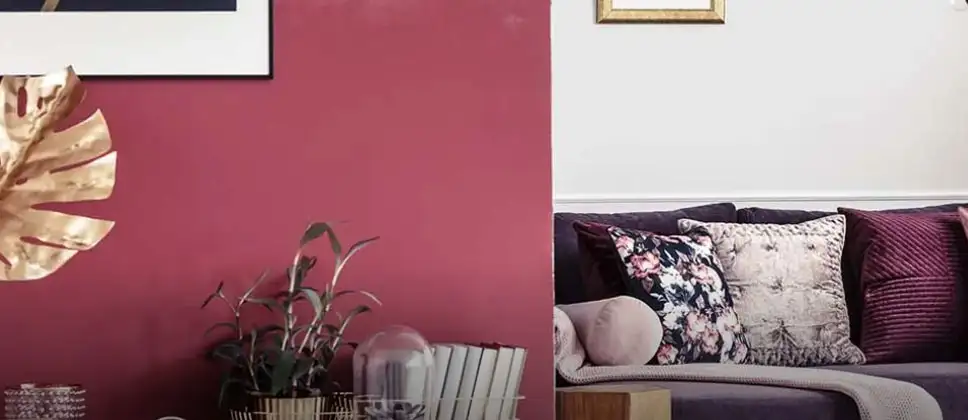
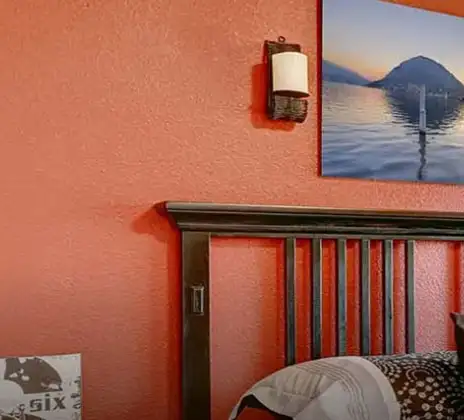
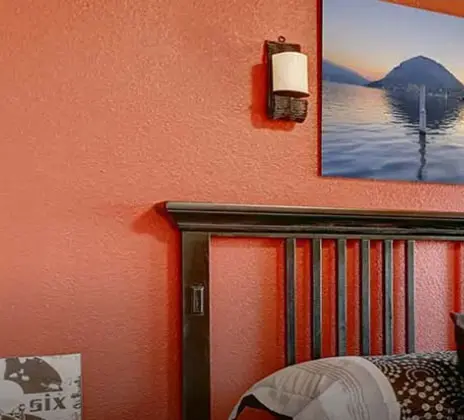
Products in this shade
Browse through our wide range of paints to find the one that accentuates your home's beauty
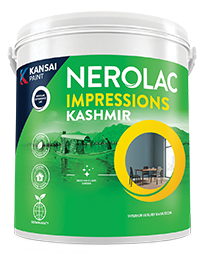
Impressions Kashmir
Nerolac Impressions Kashmir Luxury Emulsion is a superior quality 100% acrylic emulsion based interi...

Beauty Gold washable and Beauty Gold Washable NXT
Nerolac Beauty Gold Washable paint has a soft sheen finish, with excellent stain-cleanability at an a...
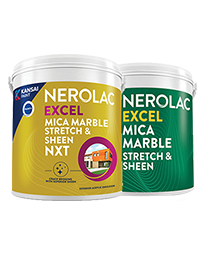
Neroalc Excel Mica Marble Strech Sheen & Mica Marble Stretch Sheen NXT
Nerolac Excel Mica marble stretch sheen Nxt & Mica Marble Strech Sheen is an extremely durable water...
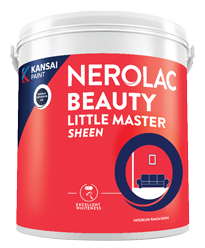
Beauty Little Master Sheen
Nerolac Beauty Little Master Sheen is an Economy Interior Wall Emulsion with very good sheen, smooth...

Beauty Gold Washable Plus
Nerolac Beauty Gold Washable Plus is an interior emulsion paint has a rich sheen finish, with highes...


Find an Expert Painter Near You
Enjoy a holistic painting experience with Nerolac NxtGen Services
About Mehandi Colour
Mehandi Colour Designs, Shades & Combinations for Your Home
Mehandi is an earthy green hue that brings quiet depth and balance into interior wall or spaces. On the colour wheel, it comes within the green colour family, with warm olive undertones that soften its appearance and make it feel grounded rather than bright. It is often associated with nature, maturity, comfort, and a sense of settled elegance, which is why it works well in homes that need colour without harshness. Unlike sharper greens, Mehandi feels composed and versatile. It can support both modern and traditional interiors, adapt to natural and artificial light, and create a room that feels stable, warm, and complete.Key Characteristics of Mehandi Colour
1.Earthy undertone
Mehandi carries a natural base that feels close to foliage, dried herbs, and muted olive surfaces. This gives it a grounded identity and makes it easier to live with over time than brighter green tones.2.Controlled depth
It has enough richness to add presence to a room without appearing too loud. That balance helps it work as both a full-wall colour and a selective accent shade.3.Warm visual temperature
Although it belongs to the green family, Mehandi often includes a subtle warm influence. This soft warmth keeps it from feeling cold or sterile, especially in residential spaces.4.Light-responsive finish
Mehandi changes noticeably through the day. In daylight, it can look fresher and more open, while under warm evening lighting, it tends to appear deeper and more settled.Practical Uses of Mehandi Colour
1.Home offices and study rooms
Mehandi works well behind a desk wall, shelving unit, or a reading chair zone. It helps the space feel purposeful when the rest of the room stays light.2.Living rooms with one defined focal wall
A single mehandi wall behind a sofa or TV unit can bring structure to an open layout. It reduces the need for many contrasting accessories.3.Bedrooms as a controlled feature
For bedrooms, use the colour behind the headboard rather than on all walls at first. This approach keeps the room comfortable while still adding depth.4.Dining nooks and small dining rooms
Mehandi can make a dining corner feel more finished, especially when the table and chairs are simple. Warm lighting above the table helps the wall look rich, not flat.5.Entryways and corridors
It can make the first view of the home feel planned and clean. Keep ceiling paint bright so the passage remains open.Mehandi Paint Choices for Your Walls
Before you decide, look at the room as it is used in real life - morning, afternoon, and evening. Check the different mehandi colour shades next to your flooring, curtains, and the largest furniture piece. How to make mehandi colour selection easier is to follow a fixed order rather than choosing quickly from a shade card. Start with the undertone, then test the colour under your actual lights, then decide how much wall area you want to paint. The options below provide three practical directions, from softer to deeper, for different room conditions.Soft and airy direction
- Verte: It feels gentle and breathable. Verte colour has a softer green body with a cleaner look, which makes it suitable for smaller bedrooms, study room walls, and spaces that need freshness without losing warmth.
Balanced and grounded direction
- Pond Moss: It offers a stable middle ground. Pond Moss colour brings enough body to define the room while still remaining easy on the eye. This shade suits living rooms, family areas, and transition spaces where the walls should feel calm without becoming too dark.
Deep and structured direction
- Poplar Grove: It is one of the stronger options for a richer finish. Poplar Grove colour carries more depth and weight, making it a good fit for accent walls, larger rooms or dining room colours with decent natural light.
Mehandi Wall Colour Combinations for Your Home
Mehandi looks best when it is supported by one companion shade and repeated gently through decor. A planned mehandi colour combination prevents the room from feeling visually scattered, especially if you already have patterned fabrics or mixed furniture finishes. When you want mehandi colour contrast, aim for a soft secondary tone rather than multiple bright accents.| Room/space | Recommended colour combination |
|---|---|
| Living room (main focal wall) | Mehandi + Rolling Waves – 4925 |
| Master bedroom (headboard wall) | Mehandi + Delphi – 2437 |
| Dining nook/dining wall | Mehandi + Twin Flower – 2424 |
| Study/home office (feature wall) | Mehandi + Danish Blue – 2412 |
1.Mehandi + Rolling Waves Colour Combination
This pairing works well in living room walls where you want a confident wall without making the room feel heavy. Keep the ceiling light, and let Rolling Waves colour support the scheme through adjacent walls or simple textiles.2.Mehandi + Delphi Colour Combination
Delphi is suitable for bedrooms because it helps the overall look stay calm. Use mehandi as a feature wall, then bring Delphi colour into the room in a restrained way so the bed area remains restful.3.Mehandi + Twin Flower Colour Combination
Twin Flower colour can soften the overall mood, which is helpful in dining corners and family spaces. This two colour combinations suits homes that want depth but also prefer an inviting, everyday finish.4.Mehandi + Danish Blue Colour Combination
Danish Blue colour supports a more structured result in work zones. If the space includes shelves and storage, this pairing helps the room feel organised and visually consistent.Best Mehandi Shades for Accent Walls
Accent walls are the simplest way to begin with deeper colours. They also help you judge how the shade behaves in your lighting before expanding to more surfaces. When choosing different mehandi colour shades for an accent wall, prefer the wall that receives the most even light.| Colour Shades | Location |
|---|---|
| Rolling Waves | Behind the sofa (living room) |
| Delphi | Behind the headboard (bedroom) |
| Danish Blue | Desk backdrop (study) |
| Twin Flower | Dining feature wall |
Simple Tips for Using Mehandi at Home
Mehandi looks best when the room has a clear plan for balance. Decide first whether the wall should be the main feature or a supporting background, then select lighting and decor accordingly. Practical steps that help:- Limit strong patterns if the walls are deep; prefer texture-based styling such as linen curtains or simple rugs.
- Add one overhead light; it is enough for the mehandi colour palette to look even.
- Keep decor colours controlled; choose one or two accents and repeat them lightly.
- When you explore shades in mehandi colour, confirm that the shade still looks clean beside your flooring and the largest furniture finish.
How Nerolac Can Help You Paint Your Walls Mehandi?
Mehandi is an earthy colour, and the finish quality depends on preparation and consistency. If the base is uneven, if priming is not suitable, or if application is rushed, such shades can look patchy and inconsistent, particularly under mixed lighting. With Nerolac’s professional home painting service, the work is planned around the room rather than applied as a generic coat. The wall size, natural light levels, and the function of the space are reviewed before finalising the shade so the colour stays rich without overpowering the room. Execution is centred on creating a uniform base through careful surface preparation and priming, which helps reduce streaks, roller marks, and visible shade variation. The application method is then managed for even colour density, helping the wall look stable in daylight and under warm indoor lighting.Plan, Design and Paint Your Walls With Nerolac Tools
Ready to plan your bottle green makeover? Use the tools below to explore shades, visualise rooms and estimate paint and budget.Colour Visualiser
Use the Nerolac Colour Visualiser to try out different shades and textures from our colour and texture palette on the walls of our ‘room presets.’ You can also see how each colour will look under various lighting conditions, such as natural sunlight, cool white light and warm yellow light, before finalising a shade.Colour Catalogue
Use the Nerolac Colour Catalogue to browse over 1,500 Nerolac wall paint shades. Search by colour name or code, or filter by colour family to quickly discover options that match your décor. Shortlist your favourite shades and pair them with the other Nerolac tools to finalise the perfect colour scheme for your home.Paint Calculator
Use the Nerolac Paint Calculator to estimate the area to be painted and the required paint volume for your décor project. Enter wall dimensions, room count, and preferred product to get an approximate paint quantity and cost, helping you plan your project with greater confidence.Frequently Asked Questions For Mehandi
What colour goes with mehandi walls?
Mehandi colour works well in combination with colours like soft pinks, whites, pale yellows and charcoal.
Is mehandi colour warm or cool?
Mehandi colour inches towards the green family and hence is termed as a cool colour.
Is mehandi a good colour for a bedroom?
No, Mehandi colour is better for living rooms and dining spaces. Although it can adorn accent or statement walls.
Is mehandi a neutral colour?
No, Mehandi has a tinge of colour, hence it is not a neutral colour.
What colour curtains go with mehandi painted walls?
Mehandi painted walls look wonderful with curtains in shade of cream, white, brown, gold and yellow.
How do you style furniture in a room with mehandi walls?
Since Mehandi colour is a rich and dusky green, furniture in golden hues and wooden tones add to the duskiness of the room or décor accents with a pop of yellow and teal add an element of design as well.
Can I use mehandi colour in a living room?
Yes, Mehandi colour is a rich and sophisticated colour to have in a living room across all walls, dining areas or ceilings.
Is Mehandi colour more yellow or more green?
Mehandi colour is more green and has a tinge of yellow to it adding to its light base.
Create magic with our inspiring Two Colour Combinations!
-
Orange And Lilac Colour Combination
-
Red And Brown Colour Combination
-
Yellow And Blue Colour Combination
-
Yellow And Green Colour Combination
-
Yellow And Orange Colour Combination
-
Yellow And Red Colour Combinations
-
Orange And Brown Colour Combination
-
Orange And Gold Colour Combination
-
Orange And Grey Colour Combination
-
Orange And Cream Colour Combination
-
Orange And Peach Colour Combination
-
Orange and Red Colour Combination
-
Orange And Purple Colour Combination
-
Orange And Pink Colour Combination
-
Orange And White Colour Combination
-
Orange And Neutral Colour Combination
-
Orange And Beige Colour Combination
-
Orange And Violet Colour Combination
-
Orange And Blue Colour Combination
-
Orange And Green Colour Combination
Latest Happenings in the Paint World
Get some inspiration from these trending articles
Get in Touch
Looking for something else? Drop your query and we will contact you.
Popular Searches
What’s Trending in Bedrooms
Explore Trending Living Room Ideas
- Living Room Colour Combination
- Modern Two Colour Combination for Living Room
- Wall Texture for Living Room
- Vastu Colours for Living Room
- Wall Texture Design for Living Room
- Living Room Paint Ideas
- Living Room Design Ideas
- Paint Colour Ideas for Living Room
- Living Room TV Wall Designs
- Green Living Room Walls
Kitchen Ideas People Love
Explore Trending Ceiling Ideas
Study Room Ideas in Demand
Explore Wall Paint Categories
Handpicked Colour Inspirations
- Accent Wall Design
- Bedroom Design Ideas
- Exterior Wall Colour Design Ideas
- Interior Wall Colour Design Ideas
- Kitchen Design Ideas
- Living Room Interior Design
- Geometric Wall Design Ideas
- Home Colour Combination Ideas
- Home Décor Ideas
- Mural Wall Paint Design Ideas
- Office Space Design Ideas
- Puja Room Design Ideas
- Texture Design Ideas
- Festival Painting Ideas
- Paint Colour Chart
- Wall Painting Designs
- Wood Wall Décor Ideas
- Mural Wall Paint Design
- Hall Design Ideas
- Gate Colour Design
- Exterior Wall Colour Design
- Door Colour Design Ideas
-
 Get in Touch
 -
Store Locator
-
 Download App
×
Get in Touch
Looking for something else? Drop your query and we will contact you.

